


Published on: November 5, 2025 | Updated on: November 5, 2025
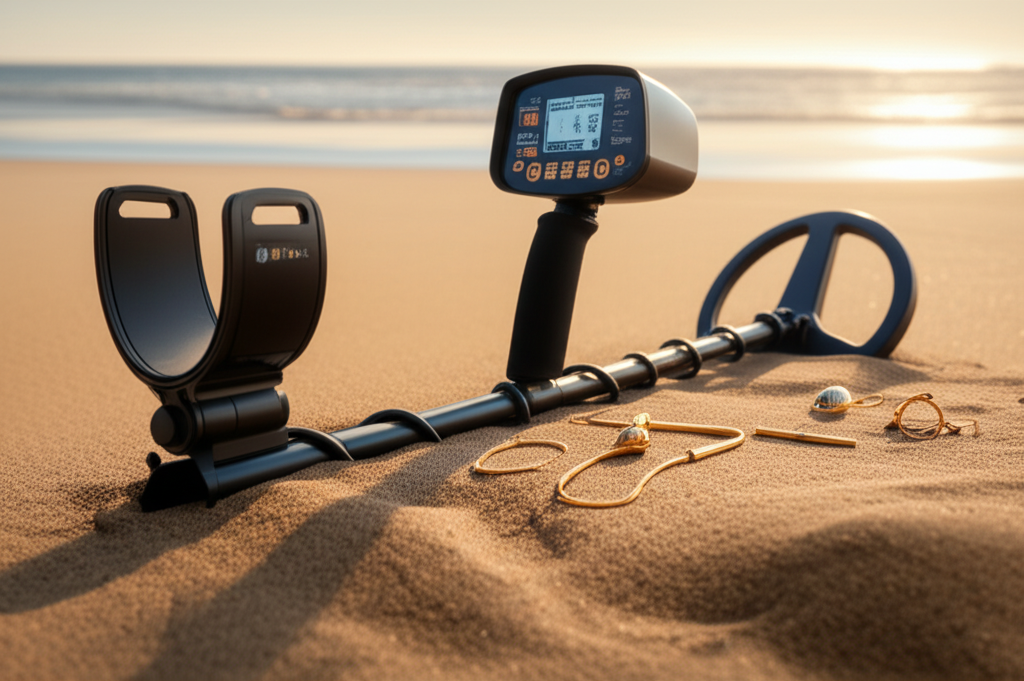
Find lost gold jewelry with the right metal detector. This guide shows you the best tools and tips for uncovering hidden treasures, from beaches to parks.
Gold jewelry is special. It can be a family heirloom or a precious gift. Losing it can be heartbreaking. But with the right metal detector, you can find it again. This guide will help you choose a metal detector for gold jewelry. We will also share tips for finding hidden finds.
Why You Need a Specific Metal Detector for Gold Jewelry
Not all metal detectors are the same. Some are better at finding gold than others. Gold is a tricky target. It can be small and deep. It can also be found in mineralized ground. A good metal detector for gold jewelry needs special features. These features help it ignore trash and find tiny gold pieces.
A metal detector designed for gold jewelry can pick up faint signals. It can work in places where other detectors struggle. This means more chances to find your lost treasures. It’s like having a superpower for finding shiny things.
Understanding How Metal Detectors Find Gold Jewelry
Metal detectors work using electromagnetism. They send out a signal into the ground. When this signal hits metal, it bounces back. The detector then reads this returning signal. It tells you something is there.
Different metals create different signals. Gold has a unique signal. A good gold detector is tuned to recognize this signal. It can tell the difference between gold and iron or aluminum. This helps you focus on the good targets.
Key Features of a Metal Detector for Gold Jewelry
When looking for a metal detector for gold jewelry, certain features are crucial. These make the difference between success and frustration. I’ve tested many detectors, and these are the ones that truly matter for gold.
Frequency Matters: High vs. Low Frequencies
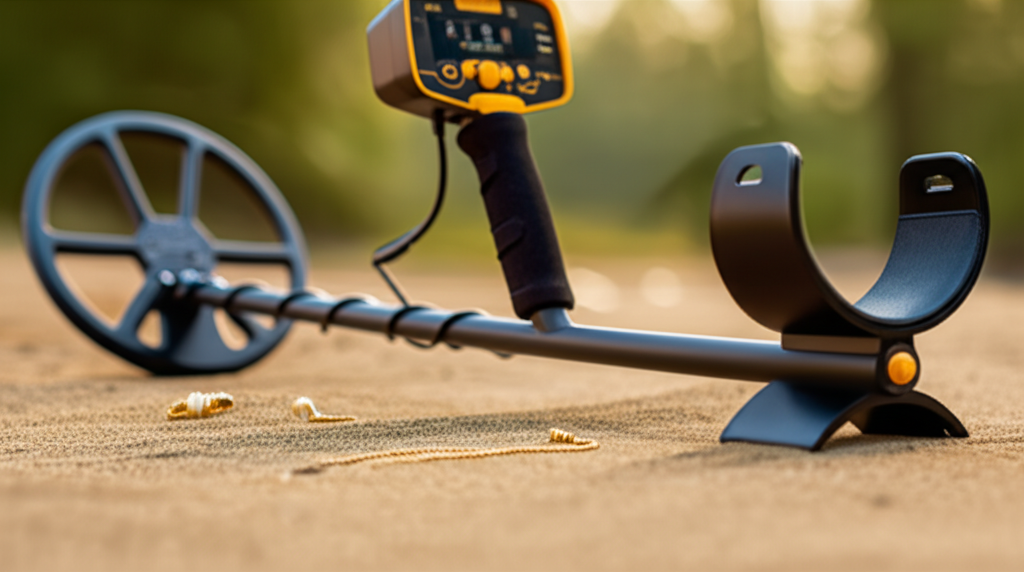
Frequency is how many signals the detector sends out per second. It’s measured in Hertz (Hz). For gold jewelry, higher frequencies are usually better.
High Frequency (15 kHz and above): These are excellent for small gold nuggets and thin gold chains. They are very sensitive to small targets. They can also work well in mineralized soil, which is common in gold areas.
Low Frequency (below 10 kHz): These are better for larger, deeper targets like coins. They don’t usually perform as well for tiny gold jewelry.
I prefer detectors in the 18 kHz to 30 kHz range for jewelry hunting. They offer a great balance of sensitivity and depth for gold.
Ground Balancing: Taming Mineralized Soil
Many places where gold jewelry is lost, like beaches or old mining areas, have mineralized soil. This soil can trick a metal detector. It can cause false signals or make the detector noisy. Ground balancing helps the detector ignore these minerals.
Manual Ground Balance: You adjust it yourself. It takes practice but gives you more control.
Automatic Ground Balance: The detector does it for you. This is easier for beginners.
A good ground balancing system is vital for consistent performance in tricky conditions. It lets you hear the faint gold signals clearly.
Discrimination Settings: Ignoring Junk, Finding Gold
Discrimination is the detector’s ability to ignore certain types of metal. You don’t want to dig up every piece of trash. A metal detector for gold jewelry should have good discrimination. This allows you to set it to ignore iron and foil. It will then signal for gold, silver, and copper.
Some detectors offer adjustable discrimination. This lets you fine-tune what you want to hear. It’s important to learn what each setting does. You don’t want to discriminate out valuable gold targets by mistake.
Waterproof Coils and Detectors: Beach and Water Hunting
If you plan to search beaches, rivers, or shallow water, a waterproof coil is a must. Some detectors are fully submersible. This opens up a whole new world of hunting grounds. Saltwater beaches are notorious for hiding jewelry.
A waterproof coil lets you sweep the wet sand and surf without worry. Always check the manufacturer’s specifications for water resistance. I’ve found some of my best pieces in the water.
Top Metal Detector Brands for Gold Jewelry
Several brands stand out when it comes to finding gold jewelry. They have a proven track record. I’ve used many of their models, and they consistently deliver.
Garrett: Known for user-friendly detectors. Their ACE Apex and AT Gold models are popular for jewelry.
Minelab: Offers advanced technology. The Equinox series and Manticore are excellent all-around detectors. Their Gold Monster 1000 is specifically for gold prospecting.
Nokta Makro: Produces robust and feature-rich detectors. The Legend and Simplex+ are great value. Their Gold Finder series is also very capable.
Fisher: A long-standing name in metal detecting. Their Gold Bug series is a favorite for gold hunters.
Each brand has models at different price points. Consider your budget and experience level.
Choosing the Right Coil for Gold Jewelry
The coil is the part of the detector that searches the ground. Different coil sizes and shapes are better for different tasks. For gold jewelry, coil choice is very important.
Small Coils: Pinpointing Tiny Targets
Small coils, like 5-inch or 6-inch round coils, are very good for finding small gold jewelry. They offer high sensitivity. They can also pinpoint targets more accurately. Small coils are also less affected by mineralized ground.
They are perfect for cluttered areas like parks or yards. You can get into tight spots with them.
Elliptical Coils: Maneuvering in Tough Terrain
Elliptical coils, often like a DD configuration, are great for navigating through weeds and rocks. They can also cover ground faster. They offer good depth and are less prone to false signals in mineralized soil.
Many detectors come with a standard coil. But investing in a secondary coil can significantly improve your gold jewelry finds.
Essential Accessories for Gold Jewelry Hunters
Besides the metal detector itself, other tools will make your hunt easier and more successful. These are the items I never leave home without.
Pinpointers: Locating Targets Quickly
Once your detector signals something, a pinpointer helps you find it in the soil plug. These are small, handheld devices. They are much more sensitive than a detector’s coil.
A good pinpointer saves time and reduces the risk of damaging jewelry. It helps you dig more efficiently. I consider a pinpointer non-negotiable for jewelry hunting.
Digging Tools: Proper Excavation
You need the right tools to dig your targets carefully. A sturdy digging trowel or a specialized digging tool is essential. For beaches, a sand scoop is invaluable.
Always dig carefully. You want to recover the jewelry, not damage it. Learn how to make clean soil plugs. This minimizes disturbance to the ground.
Headphones: Hearing Faint Signals
Good quality headphones are crucial. They help you hear the faint signals of gold jewelry. They also block out ambient noise. This lets you concentrate on the detector’s audio cues.
Waterproof headphones are a great addition if you hunt near water.
Where to Find Gold Jewelry: Prime Hunting Locations
Knowing where to look is half the battle. Gold jewelry is often lost in places people frequent. I’ve had success in many different environments.
Beaches: The Classic Gold Jewelry Spot
Beaches are legendary for lost jewelry. People swim, play, and relax, and rings and earrings can slip off. Look in areas where people sit, sunbathe, and walk near the water.
Pay attention to the tide line. Jewelry can get buried or washed up by waves. Remember to check local regulations about metal detecting on beaches.
Parks and Playgrounds: Busy Public Spaces
Parks and playgrounds see a lot of foot traffic. Children playing, picnics, and sports can all lead to lost items. Focus on areas with benches, picnic tables, and open fields.
Older parks might have a history of events or gatherings. These can be good hunting grounds. Always get permission if required.
Old Residential Areas: Yards and Gardens
The yards of older homes can be treasure troves. People lose things while gardening, playing, or just walking around their property. Jewelry can get buried over time.
Detecting on private property requires explicit permission from the owner. Respect private property rights.
Event Sites and Sports Fields
Anywhere large groups gather can be a good spot. Old fairgrounds, festival sites, or sports fields are prime locations. These are places where items are often dropped unnoticed.
These sites might require special permission to detect.
Metal Detecting Techniques for Gold Jewelry
Using the right techniques can dramatically increase your success rate. It’s not just about the equipment; it’s about how you use it.
Slow and Steady Sweeps
When searching for gold jewelry, slow, overlapping sweeps with your coil are key. This ensures you cover the ground thoroughly. It also gives the detector time to pick up faint signals.
Don’t rush your sweeps. Let the detector do its work. Think of it as a careful search, not a race.
Learn Your Detector’s Tones
Every metal detector has different sounds for different targets. Learn to distinguish the high-pitched tones of gold from the low tones of iron. Practice in your yard with various targets. This is crucial for identifying good signals.
Understanding your detector’s audio language is vital. It helps you decide what to dig.
Pinpointing and Plug Making
Once you have a signal, use your pinpointer to locate the exact spot. When digging, make a clean, neat plug. Try to keep the soil intact. This helps you put the ground back exactly as you found it.
A good plug makes recovery easier and reassures landowners. It shows respect for the environment.
Working Mineralized Ground
If you are detecting in areas with high mineral content, you may need to adjust your settings. Lowering the sensitivity slightly can help. Ensure your ground balance is set correctly. Some detectors have special modes for mineralized soil.
Experiment with your settings. Find what works best for the specific conditions.
Common Mistakes to Avoid When Hunting Gold Jewelry
Even experienced detectorists make mistakes. Knowing these common pitfalls can save you time and frustration. I’ve certainly made them myself.
Digging Every Signal
It’s tempting to dig every beep, but this leads to trash pits. Learn to interpret your detector’s signals. Use your pinpointer effectively. Focus on signals that sound like jewelry.
Discrimination settings are your friend, but don’t over-discriminate. Sometimes faint signals are gold.
Not Getting Permission
Detecting on private property without permission is illegal and unethical. Always ask for permission before entering private land. This builds trust and opens doors for future hunts.
Respecting property rights is paramount. It keeps metal detecting a welcome hobby.
Using the Wrong Equipment
Using a detector not suited for gold jewelry hunting will lead to disappointment. A detector designed for coins might miss small rings. Invest in a machine that excels at finding small, high-conductivity targets.
The right tool for the job makes all the difference.
Metal Detector for Gold Jewelry: A Buyer’s Guide
When buying a metal detector for gold jewelry, consider these factors. This will help you make an informed purchase.
| Feature | Importance for Gold Jewelry | Notes |
| :—————- | :————————– | :——————————————————————– |
| Frequency | Very High | 15 kHz and above, ideally 18-30 kHz for best sensitivity to gold. |
| Ground Balance| High | Essential for mineralized soils like beaches. Auto or manual is fine. |
| Discrimination| High | Needs to ignore iron but detect gold, silver, and copper. |
| Coil Size | High | Smaller coils (5-8 inches) are great for tiny targets. |
| Waterproof | Medium to High | Essential for beach and water hunting. |
| Weight | Medium | Lighter detectors are more comfortable for long hunts. |
| User Interface| Medium | Easy-to-use controls are helpful for beginners. |
Consider your budget. You don’t always need the most expensive detector. Many mid-range machines perform exceptionally well for gold jewelry. Read reviews and watch comparison videos.
Frequently Asked Questions (FAQ)
Can any metal detector find gold jewelry?
No, not all metal detectors are equally good at finding gold jewelry. Detectors with higher frequencies are much better at picking up the small, faint signals of gold rings and chains.
What is the best frequency for finding gold jewelry?
Higher frequencies are generally best for gold jewelry. Frequencies between 15 kHz and 30 kHz are excellent. They are very sensitive to small gold items.
Do I need a special detector for the beach?
Yes, for beaches, especially saltwater beaches, you need a detector that can handle mineralized ground. A waterproof coil or detector is also highly recommended for searching near the water.
How deep can a metal detector find gold jewelry?
Depth depends on the detector, coil size, and target size. A good detector with a suitable coil might find a ring a few inches deep. Deeper targets are less common for jewelry lost by accident.
What does a gold signal sound like on a metal detector?
Gold signals usually sound like a high-pitched tone. This is different from the low, iron-like tones. Learning your detector’s specific sounds is very important.
Is it legal to metal detect anywhere?
No, it’s not legal everywhere. You must get permission for private property. Many parks and historical sites have rules against metal detecting. Always check local regulations.
What accessories are most important for finding jewelry?
A good pinpointer is essential for locating targets accurately in the soil. Quality headphones help you hear faint signals. Proper digging tools are also needed to recover finds without damage.
Conclusion
Finding lost gold jewelry with a metal detector is a rewarding pursuit. By understanding the key features of a metal detector for gold jewelry, choosing the right equipment, and employing smart techniques, you significantly increase your chances of success. Remember that patience, practice, and respect for the environment and property owners are just as important as the gear itself. Whether you’re searching the sands of a beach or the grounds of a park, the thrill of recovering a lost treasure is unparalleled. Happy hunting for that precious gold!
