


Published on: November 5, 2025 | Updated on: November 5, 2025
Discover the ultimate metal detector for gold nuggets, unlocking the secrets to finding precious gold deposits. This guide reveals the top features, technologies, and expert tips for a successful gold prospecting adventure.
Finding gold nuggets with a metal detector is a dream for many treasure hunters. It requires the right equipment and knowledge. This guide will walk you through everything you need to know. I’ll help you pick the best metal detector for gold nuggets. We will cover what makes a detector good for gold. You’ll learn about different types and features. Let’s start your journey to finding that ultimate gold find.
Why Gold Prospecting Needs a Special Metal Detector
Prospecting for gold is different from hunting coins or relics. Gold is often found in small, scattered pieces. It can also be mixed with ground minerals. This makes it harder for a regular metal detector to find. A good gold detector needs to be very sensitive. It must also be able to ignore false signals from mineralized ground. This specialized sensitivity is key to uncovering those tiny gold specks.
Understanding Gold Detector Technology
Gold detectors use specific technologies. They are designed to pick up the faint signals of gold. Many use Very Low Frequency (VLF) technology. Others use Pulse Induction (PI) technology. VLF detectors work well in areas with less mineral interference. PI detectors are better in highly mineralized ground. They can also detect deeper. Knowing these technologies helps you choose the right tool.
Key Features to Look for in a Gold Detector
When searching for a metal detector for gold nuggets, certain features are vital. High frequency operation is one of them. Higher frequencies (above 18 kHz) are better at detecting small gold pieces. Good ground balancing is also essential. This helps the detector ignore the mineral content in the soil. Discrimination is important too, though sometimes less is more for gold. Being able to filter out junk allows you to focus on targets.
Top Metal Detectors for Gold Nuggets
Several brands offer excellent detectors for gold prospecting. Minelab is a popular choice. Their GPZ 7000 is a top-tier detector. It uses Zero Voltage Transmission (ZVT) technology. This offers great depth and sensitivity. Garrett also has strong options like the AT Gold. It’s a versatile VLF detector. It works well in various conditions. Fisher and Nokta Makro also make great gold detectors. Each has unique strengths.
VLF vs. Pulse Induction (PI) for Gold Hunting
Choosing between VLF and PI technology depends on your hunting location. VLF detectors are generally lighter and easier to use. They are good for beginners and areas with moderate mineralization. They offer good target separation. PI detectors excel in highly mineralized ground. This is common in many gold-rich areas. They can often detect deeper. However, they tend to be heavier and can be less discriminating.
Coil Selection for Gold Prospecting
The coil on your metal detector is crucial. For gold prospecting, smaller coils are often preferred. They offer better pinpointing. They also help in dense soil or areas with lots of small targets. Elliptical coils can be good for navigating tight spaces. Larger coils can offer more depth. Some detectors allow interchangeable coils. This gives you flexibility for different conditions.
Essential Accessories for Gold Prospectors
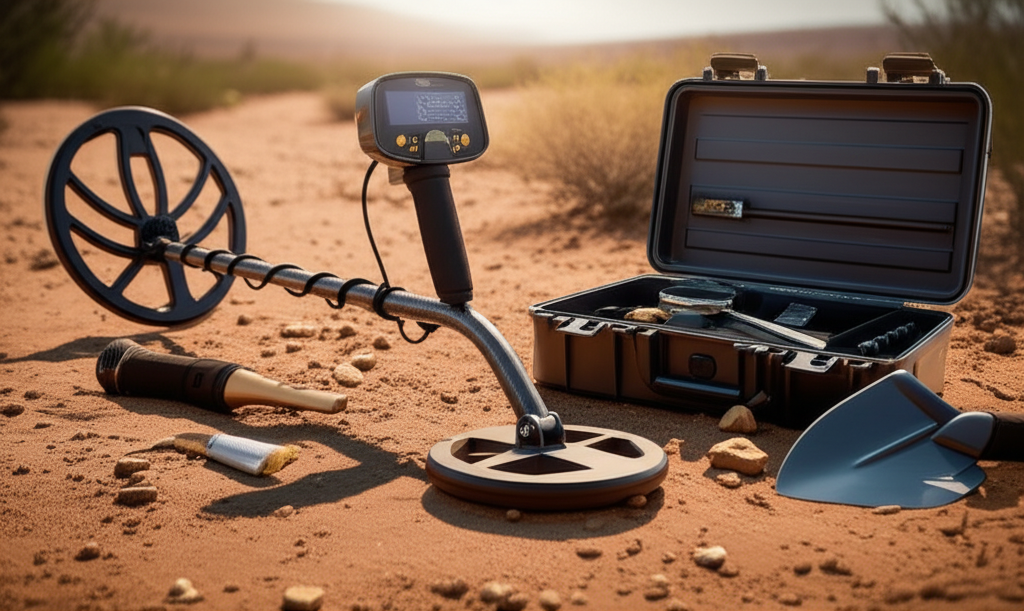
Besides a good metal detector, other gear is important. A pinpointer is a must-have. It helps you locate targets precisely in the dug soil. A good digging tool, like a sturdy trowel or a specialized digging stick, is also necessary. You’ll need a collection bag or pouch for your finds. A comfortable backpack to carry your gear is also useful. Don’t forget water and sun protection for long days in the field.
Field Techniques for Finding Gold Nuggets
Effective techniques can boost your gold finds. Start by researching known gold-bearing areas. Learn about the geology of your chosen spot. Sweep your coil slowly and methodically. Listen carefully to the signals. Practice distinguishing faint gold signals from ground noise. Learn to use your pinpointer efficiently. Patience and persistence are your best tools.
Understanding Ground Mineralization
Ground mineralization is a significant challenge for gold prospectors. It refers to minerals in the soil that can affect detector performance. These minerals can create false signals or mask the faint signal of gold. Good ground balancing on your detector helps manage this. Some detectors have automatic ground balancing. Others require manual adjustment. Understanding your detector’s capabilities in mineralized ground is key.
Legal and Ethical Considerations
Always be aware of land regulations. Know where you are allowed to detect. Respect private property and obtain permission. Leave the land as you found it. Fill your holes properly to avoid damaging the environment. Responsible detecting ensures access for everyone in the future. Check local laws before you start prospecting.
Frequently Asked Questions About Gold Detectors
What is the best metal detector for gold nuggets for beginners?
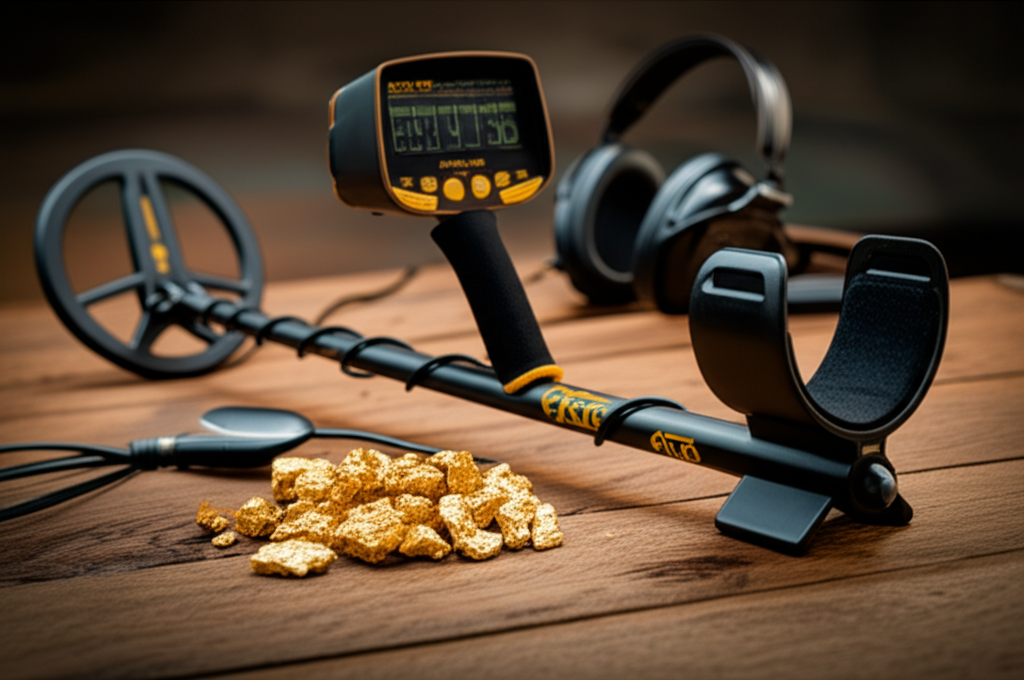
For beginners, the Garrett AT Gold is a great choice. It’s easy to use and performs well in various conditions. It’s also waterproof, which is a big plus.
Do I need a high-frequency detector for gold?
Yes, higher frequencies are generally better for gold. Frequencies above 18 kHz are ideal for detecting small gold nuggets.
Can a regular metal detector find gold?
A regular coin and treasure detector might find very large gold nuggets. However, they are not sensitive enough for most small gold pieces. Specialized gold detectors are much better.
What is ground balancing?
Ground balancing is a feature that helps your detector ignore minerals in the soil. This reduces false signals and allows you to hear faint gold signals.
How deep can gold detectors find nuggets?
Depth depends on the detector, coil, nugget size, and ground conditions. High-end PI detectors can reach significant depths for larger nuggets.
Is gold prospecting profitable?
For most hobbyists, gold prospecting is not a primary source of income. It’s a rewarding hobby that can sometimes yield valuable finds.
Where can I find gold to detect?
Research historical gold mining areas, riverbeds, and alluvial deposits. Always check land ownership and obtain permission before detecting.
Conclusion: Your Path to the Ultimate Gold Find
Choosing the right metal detector for gold nuggets is your first step to success. A detector with high frequency, good ground balancing, and specialized technology will serve you well. Remember to pair it with essential accessories and learn effective field techniques. Prospecting for gold is a journey of discovery. With the right tools and knowledge, you can significantly increase your chances of making that ultimate gold find. Happy hunting!
