



Published on: November 10, 2025 | Updated on: October 21, 2026
Metal Detectors for Coin Shooting: Essential Finds
Find the best metal detectors for coin shooting to uncover hidden treasures with ease. This guide covers essential features, types, and tips for maximizing your coin finds, making you a more successful treasure hunter.
Coin shooting is a fantastic hobby. It lets you explore parks, beaches, and old sites. You can find old coins and history right under your feet. But finding these treasures can be tricky. Without the right tools, you might miss out on valuable finds. This guide will help you choose the perfect metal detector for coin shooting. We’ll cover everything you need to know to start finding those essential coins.
What Makes a Metal Detector Great for Coin Shooting?
A good metal detector for coin shooting is sensitive to small metal objects. It can tell the difference between junk metal and good targets. This means fewer dug trash targets. It should also be easy to use, even for beginners. Finding coins means looking for specific signals. The detector needs to be good at picking these up.
A great coin shooting detector has features that help you identify targets. These include discrimination, multi-frequency capabilities, and good depth. It should also be lightweight for long days in the field. A comfortable design makes the hobby more enjoyable. Choosing the right detector is the first step to successful coin hunting.
Understanding Key Metal Detector Features for Coin Shooting
Several features are crucial for effective coin shooting. Understanding these will help you pick the best metal detector for your needs. These features directly impact your ability to find coins and ignore trash.
Discrimination and Notch Discrimination
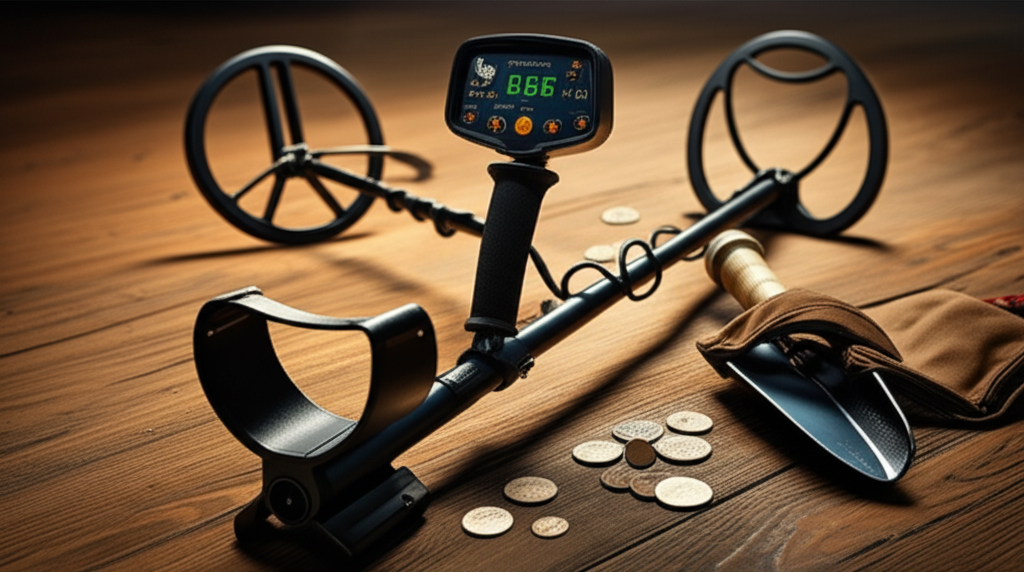
Discrimination allows your metal detector to ignore certain types of metal. This is super important for coin shooting. You want to ignore iron nails and pull tabs. Notch discrimination lets you select specific target IDs to ignore. This helps you tune out common trash items.
For example, you can set the detector to ignore iron signals. You can also ignore signals that typically come from aluminum foil. This saves you digging time and effort. It lets you focus on the signals that sound like coins.
Frequency Settings
The frequency of a metal detector affects what it can find. Lower frequencies (around 5-10 kHz) are good for larger, deeper targets. Higher frequencies (15 kHz and above) are better for small, shallow targets like thin silver coins. Many modern detectors offer multiple frequencies. This gives you flexibility in different environments.
A detector with adjustable or multiple frequencies can adapt. It can find both old, deep coins and newer, shallower ones. This versatility is key for varied coin shooting locations.
Ground Balance
Ground balance helps your metal detector adjust to the minerals in the soil. Different soils have different mineral contents. These minerals can interfere with the detector’s signals. Proper ground balance reduces false signals. It allows the detector to focus on actual metal targets.
There are two main types: automatic and manual ground balance. Automatic is easier for beginners. Manual offers more precise control for experienced users. Both help you get cleaner signals.
Target ID (TID) and Audio Tones
Target ID is a number or tone that indicates the type of metal detected. This helps you decide if a target is worth digging. Different coins have different Target IDs. You learn to recognize these IDs over time. Audio tones provide an audible clue to the target.
Most detectors use a multi-tone system. A low tone might mean iron. A mid-tone could be a pull tab or nickel. A high tone often indicates a good coin. Learning these tones is like learning a new language.
Types of Metal Detectors for Coin Shooting
There are several types of metal detectors. Each is suited for different tasks and budgets. For coin shooting, some types stand out.
All-Purpose Detectors
These are the most common and versatile detectors. They work well in parks, fields, and some beaches. They offer a good balance of features for coin shooting. Many beginner-friendly models fall into this category.
They usually have adjustable discrimination and ground balance. They are often lightweight and easy to operate. These are a great starting point for anyone interested in coin shooting.
Beach and Saltwater Detectors
Coin shooting on the beach presents unique challenges. Saltwater is highly conductive. It can cause false signals on standard detectors. Beach detectors have special features to handle this. These include enhanced ground balancing and saltwater modes.
These detectors can operate effectively in wet sand and saltwater. They are designed to cut through the noise. This allows you to find coins even in challenging beach conditions.
High-Frequency Detectors
These detectors excel at finding small, thin targets. This includes old silver coins and gold jewelry. Their high frequencies make them very sensitive. They are ideal for searching in areas with lots of modern trash.
They can pick up faint signals that lower frequencies might miss. However, they can be more susceptible to mineralized ground. They are a great addition to a coin shooter’s toolkit.
Choosing Your First Coin Shooting Metal Detector
Starting with your first metal detector can feel overwhelming. Focus on a few key aspects to make the choice easier. Your budget and intended hunting locations are important factors.
Budget Considerations
Metal detectors range from under $200 to over $1000. For coin shooting, you don’t need the most expensive model. A good entry-level detector can cost between $300 and $500. These models offer essential features for finding coins.
As you gain experience, you might upgrade. But a solid mid-range detector is perfect for most coin shooters. Look for brands known for quality and reliability.
Ease of Use for Beginners
If you’re new to metal detecting, choose a user-friendly detector. Look for models with simple controls and clear displays. Automatic ground balance is a plus. Intuitive audio tones also make learning easier.
Many manufacturers offer “beginner packages.” These often include essential accessories. They are designed to get you started quickly. Read reviews and watch videos to see how easy a detector is to use.
Coil Size and Type
The coil is the part of the detector that senses metal. Smaller coils (5-8 inches) are good for trashy areas. They offer better separation between targets. Larger coils (10-12 inches) cover more ground. They can also detect deeper targets.
For general coin shooting, a medium-sized coil (9-10 inches) is often ideal. It provides a good balance. Consider getting a smaller coil later for specific situations.
Essential Accessories for Coin Shooters
Beyond the metal detector itself, a few accessories can greatly improve your coin shooting experience. These tools help you find, pinpoint, and recover your targets efficiently.
Pinpointer
A pinpointer is a small, handheld metal detector. It helps you locate the exact position of a target in the dug plug of soil. This saves a lot of time and reduces the chance of damaging a coin. Digging with a detector can be imprecise. A pinpointer narrows down the search area.
Using a pinpointer is a game-changer. It makes target recovery much faster and more satisfying. Every serious coin shooter needs one.
Digging Tools
You’ll need sturdy digging tools. A good trowel or a specialized digging shovel is essential. Look for tools with serrated edges for cutting through roots. They should be made of strong metal.
A small hand-held trowel is good for parks. A larger shovel is better for fields or older sites. Some detectorists prefer a “plugger” tool. It cuts a neat circle in the ground. This helps with site restoration.
Headphones
Using headphones is crucial for hearing faint signals. They block out ambient noise. This allows you to hear the subtle nuances in the audio tones. Good quality, waterproof headphones are recommended.
Headphones also prevent disturbing others around you. Many detectors have a headphone jack. It’s a simple accessory that significantly improves your detecting ability.
Where to Go Coin Shooting
Knowing where to detect is as important as having the right gear. Certain locations tend to yield more old coins. Always check local regulations before detecting.
Parks and Playgrounds
Old parks and playgrounds are prime locations. People have gathered there for decades. Coins are often dropped and lost over time. Look for areas around benches, trees, and old pathways.
These areas are usually accessible and relatively safe. However, they can also be trashy. Good discrimination on your detector is key here.
Schoolyards and Old Homesteads
Old schoolyards are fantastic hunting grounds. Students have been losing coins there for generations. Similarly, the sites of old houses or farms can be treasure troves. Look for areas around where the house once stood.
Always get permission before detecting on private property. These locations often hold a lot of history and coins.
Beaches and Swimming Areas
Beaches are natural collection points for lost items. People often lose coins while swimming or relaxing. The constant shifting of sand can also reveal old finds.
Remember to use a detector designed for saltwater. Rinse your equipment thoroughly after beach hunting.
Techniques for Successful Coin Shooting
Having the right detector and knowing where to go is only part of the equation. Your technique matters a lot. Simple methods can improve your success rate.
Systematic Searching Patterns
Don’t just wander aimlessly. Use a grid pattern to cover an area thoroughly. Overlap your sweeps with each pass of the coil. This ensures you don’t miss any spots.
Work slowly and deliberately. Listen carefully to your detector’s signals. Changing your sweep speed can sometimes reveal different targets.
Understanding Target Signals
Learn to interpret your detector’s audio tones and Target ID numbers. Different coins produce distinct sounds and numbers. Practice in your yard with known targets. Bury various coins and junk items.
Identify the signals for pennies, nickels, dimes, quarters, and foreign coins. Also, learn the signals for common trash like pull tabs and nails. This knowledge is power.
Proper Digging and Recovery
When you get a good signal, dig carefully. Use your pinpointer to locate the target in the soil plug. If you’re in a park, try to make neat plugs. This helps preserve the site.
Always fill your holes completely. Pack the soil back in. Take your trash with you. Leave the site as you found it, or better.
Top Metal Detectors for Coin Shooting: Our Picks
Based on performance, features, and user feedback, here are some top metal detectors ideal for coin shooting. These cover a range of budgets and experience levels.
| Detector Model | Price Range | Key Features | Best For |
| :——————– | :———- | :—————————————————– | :——————————————— |
| Minelab Equinox 800 | $$$ | Multi-frequency, waterproof, excellent discrimination | All-around coin shooting, versatile |
| Garrett AT Pro | $$ | Waterproof, good depth, excellent target ID | All-around, especially wet conditions |
| Nokta Makro Simplex+ | $ | Waterproof, affordable, easy to use | Beginners, budget-conscious coin shooters |
| Fisher F22/F44 | $ | Lightweight, simple controls, good value | Beginners, park and field hunting |
| XP Deus II | $$$$ | Advanced multi-frequency, wireless, lightweight | Serious coin shooters, high-end performance |
These are just a few examples. Many other excellent detectors are available. It’s wise to research specific models that fit your needs and budget.
Common Mistakes to Avoid When Coin Shooting
Even experienced detectorists make mistakes. Being aware of common pitfalls can save you frustration. It helps you find more coins and enjoy the hobby more.
Digging Every Signal
Not all signals are coins. Digging every beep will lead to a lot of trash. Learn to use discrimination effectively. Listen to the audio tones carefully. Some signals are clearly junk.
Focus your digging efforts on signals that sound promising. This conserves your energy and time. It also reduces the amount of trash you have to carry out.
Not Researching Locations
Simply detecting anywhere might not yield results. Researching the history of an area is vital. Look for old maps or historical records. These can point to promising spots.
Understanding where people lived, worked, and played is key. Old town centers, fairgrounds, and picnic spots are often good bets.
Using the Wrong Equipment for the Conditions
Using a standard detector on a salty beach will be frustrating. Similarly, using a high-frequency detector in highly mineralized soil might not be optimal. Choose your equipment based on your intended hunting environment.
Ensure your detector is suitable for the ground conditions. A waterproof detector is essential for beach hunting.
The Future of Coin Shooting and Metal Detectors
Metal detecting technology is constantly improving. Newer detectors are more sensitive and easier to use. They offer advanced features like wireless connectivity and sophisticated target analysis. AI is starting to play a role in target identification.
This means more exciting finds for coin shooters. Expect detectors to become even smarter. They will help you distinguish between good and bad targets with greater accuracy. The hobby is evolving, offering new possibilities.
Frequently Asked Questions About Metal Detectors for Coin Shooting
What is the best metal detector for beginners for coin shooting?
For beginners, the Nokta Makro Simplex+ or the Garrett AT Pro are excellent choices. They are user-friendly, waterproof, and offer great performance for their price. They have features that help you learn without being overly complicated.
Do I need a special detector for old coins?
Older coins, especially those made of silver or copper, can be small and deep. High-frequency detectors (15 kHz and above) are often best for these. They offer the sensitivity needed for these delicate targets. However, good all-around detectors can also find many old coins.
How deep can metal detectors find coins?
The depth depends on the detector, the coil size, and the coin’s size and composition. A good detector with a standard coil can find coins up to 6-8 inches deep. Larger coils can reach deeper, sometimes over 10 inches for larger coins.
Is it legal to metal detect everywhere?
No, it’s not legal everywhere. You must always check local laws and regulations. Detecting is often prohibited in national parks, historical sites, and on private property without permission. Always get permission before detecting on private land.
What is the most important feature for coin shooting?
Discrimination is arguably the most important feature. It allows you to ignore junk metal like iron nails and pull tabs. This saves you time and effort, letting you focus on signals that are likely coins.
Can I use a metal detector in the rain?
Many modern metal detectors are waterproof or water-resistant. Check the specifications of your detector. If it’s waterproof, you can use it in light rain or even submerged. If it’s only water-resistant, avoid heavy rain.
Conclusion: Your Journey to Unearthing Coins Starts Now
Finding the right metal detector for coin shooting is your first big step. With the information here, you can choose a tool that fits your budget and needs. Remember the key features like discrimination and frequency. Consider essential accessories like pinpointers and good digging tools. Always research your locations and use smart techniques. The world of coin shooting is rich with history and excitement. Your adventure in uncovering these essential finds is just beginning. Happy hunting!
