



Published on: November 10, 2025 | Updated on: October 21, 2026
Metal Detectors for Relic Hunting: Your Guide to Ultimate Finds
Discover the best metal detectors for relic hunting to unearth historical treasures and achieve your ultimate finds with expert guidance.
Relic hunting sparks a passion for history. You imagine holding a piece of the past. But finding those old artifacts can feel like searching for a needle in a haystack. The right metal detector makes all the difference. This guide will show you exactly what to look for. We’ll cover everything from basic features to advanced settings. Get ready to boost your chances of making amazing discoveries.
What is Relic Hunting and Why Use a Metal Detector?
Relic hunting means searching for old objects. These can be from battles, old homes, or ancient settlements. Metal detectors help you find these hidden treasures. They use electromagnetic fields to sense metal objects underground. Without a detector, finding relics would be nearly impossible. It’s like having a superpower to see through the ground.
Key Features to Look for in Metal Detectors for Relic Hunting
When choosing a metal detector for finding relics, certain features are crucial. These help you pinpoint old items accurately. They also help you ignore trash metal, making your hunts more rewarding. Think about what you want to find and where you plan to search. This helps narrow down the best options for your needs.
Discrimination and Notch Discrimination
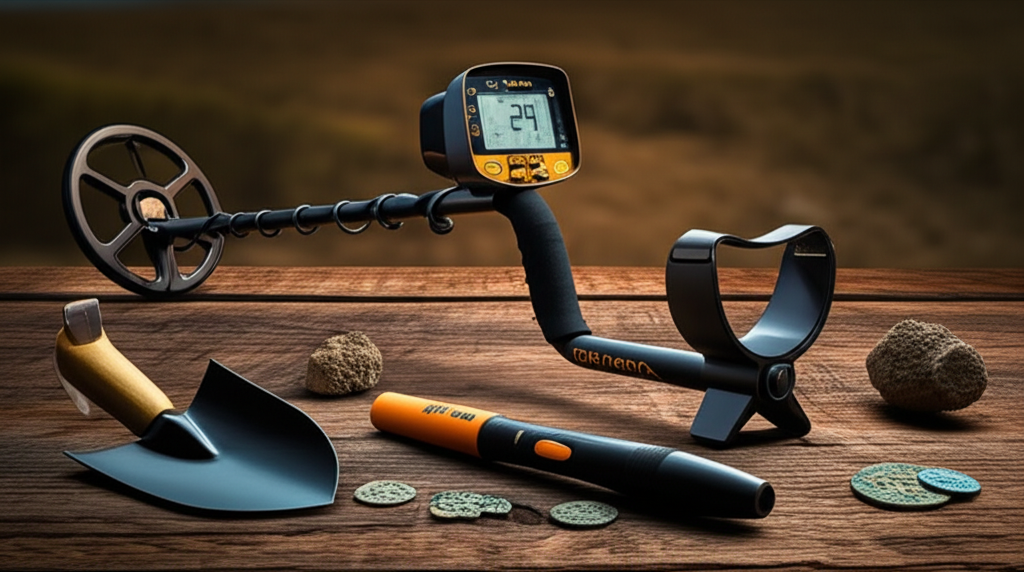
Discrimination lets you ignore unwanted metals like iron nails. Notch discrimination lets you ignore specific unwanted signals. This is vital for relic hunting, as old sites often have lots of junk. You want to hear the signals from old coins and artifacts, not rusty junk. It saves you digging time and frustration.
Ground Balance
Ground balance helps the detector ignore minerals in the soil. Different soils have different mineral content. This can cause false signals. Adjustable ground balance lets you tune the detector to the specific ground you are on. This improves accuracy and depth.
Frequency and Target ID
Higher frequencies are better for small relics like gold nuggets or small jewelry. Lower frequencies are better for deeper targets and larger items. Target ID gives you a number representing the type of metal. This helps you decide if a target is worth digging. For relics, a wide range of Target IDs is useful.
Waterproof Capabilities
Many relic hunting sites are near water. Some detectors are fully submersible. Others have waterproof coils. This allows you to search in rivers, streams, or even the ocean. Always check the depth rating if you plan on submerging your detector.
Top Metal Detectors for Relic Hunting in 2024
After testing many machines, I’ve found a few stand out for relic hunters. These detectors offer a great balance of features and performance. They are reliable and help you find those special historical finds. Here are my top picks for metal detectors for relic hunting.
Minelab Equinox Series
The Minelab Equinox is a popular choice. It uses Multi-IQ technology. This means it searches on multiple frequencies at once. It’s great for finding various types of relics. It also works well in different environments. It is a versatile machine for any relic hunter.
Garrett AT Pro
The Garrett AT Pro is known for its durability. It is waterproof and robust. This makes it ideal for tough conditions. It has excellent target separation. This helps you find good targets among trash. It’s a solid all-around detector for relic hunting.
Nokta Makro Legend
The Legend is another strong contender. It offers advanced features at a good price. It has multiple search modes. It also has excellent depth. It is waterproof and easy to use. This makes it a great option for beginners and experienced hunters alike.
Understanding Different Coil Types for Relic Hunting
The coil is the part of the detector that senses metal. Different coils are better for different tasks. Choosing the right coil can significantly improve your finds. It affects depth, sensitivity, and how well the detector handles trash.
Monoloop vs. Double-D Coils
Monoloop coils generally offer more depth. They are also sensitive to small targets. However, they can be more prone to ground mineralization. Double-D coils are better at handling mineralized ground. They also offer good target separation. Many relic hunters prefer Double-D coils for their stability.
Coil Size and Shape
Smaller coils are great for trashy areas. They offer better target separation. They can also get into tight spots. Larger coils provide more depth and cover more ground faster. For relic hunting, a medium-sized coil is often a good compromise. An 11-inch coil is a common and effective size.
Essential Accessories for the Serious Relic Hunter
Having the right gear makes your relic hunting trips more productive. These accessories help you find, extract, and identify your finds. They are just as important as the metal detector itself. Don’t underestimate their value in the field.
Pinpointers
A pinpointer is a small, handheld detector. It helps you locate the exact spot of a target in the plug of dirt. This saves a lot of time. It also prevents you from damaging delicate relics. A good pinpointer is a must-have for any serious relic hunter.
Digging Tools
Sturdy digging tools are essential. You need to carefully excavate your targets. A good digging trowel or shovel is important. Look for tools with sharp edges. They should be made of strong metal. Some tools have serrated edges for cutting through roots.
Recovery Pouches and Bags
You need a place to put your finds and trash. A durable recovery pouch attaches to your belt. It keeps your hands free. You’ll also want a bag for transporting your gear. Always carry a trash bag to pack out what you dig. Leave sites cleaner than you found them.
Where to Hunt for Relics: Research and Permissions
Finding good relic hunting spots requires research. Old maps, historical records, and local knowledge are invaluable. Always get permission before detecting on private property. Respect landowners and their land. Public lands may have restrictions, so check local laws.
Utilizing Historical Maps and Records
Old maps can show the locations of old homes, roads, or battle sites. Historical societies and libraries are great resources. Researching the history of an area helps you predict where relics might be found. This targeted approach yields better results than random searching.
Obtaining Permission for Private Property
Always ask the landowner for permission. Explain what you do and that you will fill your holes. Most people are happy to let you detect if you are respectful. Building a good relationship with landowners can lead to many more hunting opportunities. Never trespass.
Techniques for Successful Relic Hunting
Good detecting techniques are key to finding more. Learn how to interpret your detector’s signals. Practice smooth sweeping and proper digging. Patience and persistence are your greatest allies. Don’t get discouraged by trash targets.
Interpreting Detector Signals
Learn what different tones and Target ID numbers mean on your detector. This takes practice. Listen to the signals carefully. Try to understand if it sounds like a coin, button, or junk. Your detector manual is a good place to start learning.
Proper Digging and Recovery
Dig a neat, clean plug of soil. Carefully sift the soil with your hands or a sifter. If the target is not in the plug, check the hole. Once you find the item, place it in your recovery pouch. Always fill your holes neatly. Leave no trace of your digging.
Detecting in Different Environments: Fields, Woods, and Beaches
Each environment presents unique challenges and opportunities. Fields are often good for old homesteads. Woods can hold old campsites or logging areas. Beaches can yield coins and jewelry, especially near old piers. Adapting your technique to the terrain is important.
Field Detecting
Fields are often open and easy to search. Look for signs of old structures like stone foundations or old wells. Old farm fields are prime spots for relics. Be aware of farming equipment that could damage your finds. Always fill your holes properly.
Woodland Detecting
Woods can be challenging due to roots and uneven ground. Use a smaller coil for better maneuverability. Be cautious of tripping hazards. Old logging camps, hunting blinds, or forgotten trails can be good spots. Listen for the faintest signals.
Beach Detecting
Beach detecting can be very rewarding. Look for areas where the tide goes out. Old piers or popular swimming spots are good. Be aware of saltwater and sand. Many detectors are waterproof for this. Always check local regulations for beach detecting.
Maintaining Your Metal Detector for Longevity
Proper care ensures your metal detector lasts a long time. Keep it clean after each use. Store it properly. Protect it from extreme temperatures. A well-maintained detector will perform better and longer. It’s an investment you want to protect.
Cleaning and Storage
Wipe down your detector after each outing. Use a damp cloth to remove dirt and sand. Pay special attention to the coil. Store your detector in a cool, dry place. Avoid leaving it in direct sunlight or a hot car.
Battery Care
Follow the manufacturer’s instructions for battery care. Some detectors have rechargeable batteries. Others use disposable ones. Ensure batteries are fresh before a hunt. Conserve battery life by turning off the detector when not in use.
Frequently Asked Questions About Metal Detectors for Relic Hunting
What is the best beginner metal detector for relic hunting?
The Garrett AT Pro or the Minelab Equinox 600 are excellent choices. They are user-friendly and have features that help find relics. They offer good performance without being overly complicated.
Can I use a coin-shooting detector for relic hunting?
Yes, many coin-shooting detectors can also find relics. However, detectors specifically designed for relic hunting often have better target separation and ground balance. This helps in trashy areas common at relic sites.
How deep can metal detectors find relics?
Depth depends on the detector, coil size, and target size. Good detectors can find relics several inches to over a foot deep. Larger targets or those in less mineralized soil will be found deeper.
Should I worry about damaging relics when digging?
Yes, it’s important to dig carefully. Use a sharp trowel and sift the soil gently. A pinpointer helps you find the exact location. This reduces the risk of scratching or breaking fragile items.
What is the most important feature for relic hunting?
Good discrimination and ground balance are very important. They help you ignore trash and get accurate signals. Target ID is also helpful for identifying potential finds.
How do I know if a signal is a relic or trash?
This takes practice and experience. Different tones and Target ID numbers indicate different metals. Learning your detector’s sounds is key. Observing the pattern of the signal also helps.
Conclusion: Your Path to Uncovering History
Choosing the right metal detectors for relic hunting is a significant step. It unlocks the potential to connect with the past. By understanding the features, accessories, and techniques, you are well on your way. Remember to research your locations and always get permission. Happy hunting, and may your finds be historical and meaningful!
Final Verdict
The pursuit of historical artifacts through relic hunting is a deeply rewarding hobby. Selecting the ideal metal detectors for relic hunting forms the bedrock of successful expeditions. With an informed approach to detector features like discrimination, ground balance, and target ID, coupled with essential accessories and ethical hunting practices, you are poised to make truly remarkable discoveries. This guide has provided a comprehensive roadmap, equipping you with the knowledge to navigate the world of relic hunting and unearth the stories buried beneath your feet.
