


Published on: September 9, 2025 | Updated on: September 9, 2025
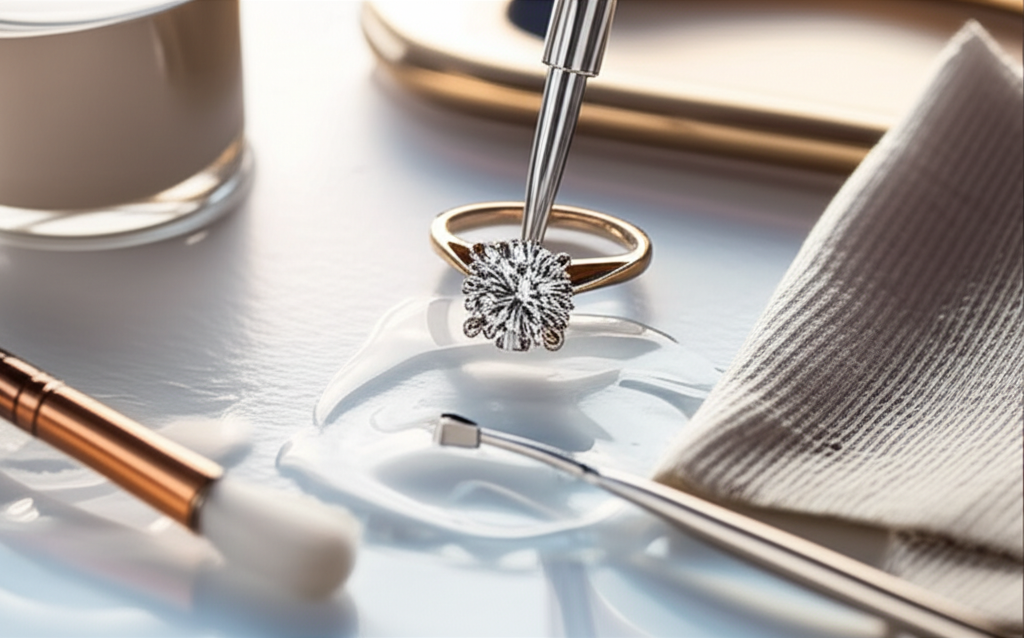
Find expert tips and proven methods for cleaning your rings, whether you’re looking for DIY solutions or professional services nearby. Keep your precious jewelry looking its best with these essential techniques.
Keeping your rings looking their absolute best can be a challenge, especially when life’s daily activities leave them dull or dirty. You might be wondering, “Where can I find reliable ring cleaning near me?” The good news is that a dazzling shine is often within reach, using simple methods you can do at home or by seeking out local experts. This guide will walk you through everything you need to know to restore the sparkle to your cherished rings.
Why Your Rings Need Regular Cleaning
Your rings are more than just accessories; they’re often symbols of love, commitment, or personal milestones. Unfortunately, they’re also magnets for dirt, oils, lotions, and residue from everyday wear. This buildup can dull their sparkle and even harbor bacteria, making regular cleaning essential for both their appearance and hygiene.
Regular cleaning keeps your rings looking beautiful and prevents potential skin irritations. It’s a simple act of care that significantly extends the life and luster of your precious jewelry.
The Invisible Grime: What Builds Up on Your Rings

Think about all the things your hands touch daily: soaps, shampoos, lotions, makeup, cooking oils, and even sweat. All these substances can accumulate on your ring, especially in the intricate settings and under the gemstones. This film traps light, making your diamonds and metals appear less brilliant than they should.
This daily grime isn’t just unsightly; it can also attract more dirt, creating a cycle that diminishes your ring’s natural radiance. Understanding what’s on your ring helps appreciate why cleaning is so crucial.
Impact of Buildup on Gemstone Brilliance
Gemstones, especially diamonds, owe their sparkle to their ability to reflect and refract light. When a layer of oil and dirt coats the surface, it obstructs this light play, leading to a noticeable dullness. Even the most brilliant-cut diamond can appear lifeless under a film of residue.
Restoring the sparkle means removing this barrier so light can once again dance within the facets of your stones. A clean ring truly shines.
DIY Ring Cleaning: Simple & Effective Home Methods
You don’t always need to search for “ring cleaning near me” for a quick refresh. Many common household items can effectively clean your rings, bringing back their shine without harsh chemicals. These methods are safe for most common jewelry types, but it’s always wise to check your specific materials.
With a few basic supplies, you can achieve impressive results right in your own home. These DIY approaches are both economical and convenient.
The Gentle Dish Soap Method
This is perhaps the most universally recommended and safest method for cleaning most types of jewelry. A mild dish soap is excellent at breaking down grease and oils without damaging metals or most gemstones. It’s a gentle yet powerful cleaner that’s readily available.
Simply mix a few drops of mild dish soap with warm water in a small bowl. Soak your ring for about 20-40 minutes, then gently scrub with a very soft toothbrush, paying attention to crevices. Rinse thoroughly under warm running water and pat dry with a lint-free cloth.
What You’ll Need:
- Mild dish soap (e.g., Dawn, Palmolive)
- Warm water
- Soft-bristled toothbrush (a dedicated one for jewelry)
- Lint-free cloth
The Ammonia Solution for Extra Sparkle
For diamond and gold rings that need a bit more power, an ammonia-based solution can work wonders. Ammonia is a strong degreaser and disinfectant, making it excellent for removing stubborn grime. However, it’s crucial to use this method cautiously and sparingly.
Caution: Never use ammonia on pearls, opals, turquoise, coral, or other porous or organic gemstones, as it can cause irreversible damage. For suitable metals and stones, mix one part clear ammonia with six parts warm water. Soak your ring for no more than 10 minutes, then gently scrub with a soft toothbrush. Rinse thoroughly and dry.
When to Use Ammonia:
- Cleaning gold, platinum, and diamond jewelry.
- Removing stubborn grease and oil buildup.
- When a simple soap and water isn’t enough.
Baking Soda Paste: A Mild Abrasive for Tough Spots
Baking soda is a fantastic natural cleaner that offers a gentle abrasive quality. It can help lift away tarnish and grime from metal surfaces without scratching. This method is particularly useful for duller gold or silver pieces that have accumulated a bit of stubborn film.
Create a paste by mixing baking soda with a small amount of water. Apply the paste to your ring and gently rub it with your fingers or a soft cloth. Rinse thoroughly and dry. Be cautious with softer metals like sterling silver, and avoid vigorous scrubbing.
Baking Soda Paste Application:
- Mix baking soda and water to form a paste.
- Gently apply to the ring, focusing on dirty areas.
- Rub softly with your finger or a soft cloth.
- Rinse completely under warm water.
- Dry with a lint-free cloth.
Vinegar Soak for Tarnished Silver
White vinegar is a mild acid that can effectively remove tarnish from silver jewelry. The acetic acid in vinegar reacts with the tarnish (silver sulfide) to lift it away, restoring the silver’s shine. This method is specific to silver and should be used with care.
Mix equal parts white vinegar and warm water. Soak your silver ring for a few minutes (no more than 5-10), then gently scrub with a soft toothbrush. Rinse thoroughly and dry immediately to prevent further tarnishing. This is a great option when you’re looking for quick silver polishing solutions.
Vinegar Soak for Silver:
- Mix 1 part white vinegar with 1 part warm water.
- Soak silver jewelry for 5-10 minutes.
- Gently scrub with a soft toothbrush.
- Rinse thoroughly and dry immediately.
Special Considerations for Different Ring Materials
Not all rings are created equal, and the materials they are made from dictate the best cleaning methods. Using the wrong approach can damage delicate metals or gemstones, leading to costly repairs. Always identify your ring’s components before starting any cleaning process.
Understanding your ring’s composition is the first step to ensuring a safe and effective cleaning. This knowledge empowers you to choose the right method.
Cleaning Gold Rings (Yellow, White, Rose)
Gold is a relatively soft and durable metal, making it suitable for regular cleaning with mild solutions. Yellow gold is the most resistant to damage. White gold often has a rhodium plating that can be worn away by harsh abrasives, so gentle cleaning is key.
For yellow and rose gold, the dish soap method is usually sufficient. For white gold, stick to very mild soaps and avoid abrasive cleaners or ultrasonic cleaners unless recommended by a jeweler, as they can damage the plating. Always rinse and dry thoroughly.
Caring for Platinum Rings
Platinum is a dense, strong, and naturally white metal that is highly resistant to corrosion and tarnishing. It is hypoallergenic and durable, making it a popular choice for engagement rings. While durable, platinum can develop a patina over time, which is a dulling effect.
Most gentle cleaning methods, like dish soap and warm water, are safe for platinum. For stubborn scratches or to remove the patina, a professional polishing by a jeweler is often the best solution. Avoid harsh chemicals, as they can still affect the metal’s finish.
Sterling Silver Jewelry Care
Sterling silver is beautiful but prone to tarnishing due to its copper content. Regular polishing and proper storage are essential to keep it looking its best. The vinegar soak mentioned earlier is effective for tarnish removal, but other methods exist.
For light tarnish, a specialized silver polishing cloth is often enough. For more significant tarnish, a silver polishing paste or dip can be used, but always follow product instructions carefully. Store silver in an airtight bag or box, ideally with an anti-tarnish strip, to minimize exposure to air.
Gemstone Specific Cleaning Advice
Gemstones vary greatly in hardness and porosity, requiring different cleaning approaches. Softer or porous stones like pearls, opals, emeralds, and turquoise are particularly sensitive to chemicals and heat. For these, mild soap and water is the safest bet, or professional cleaning is recommended.
Always research your specific gemstone. For instance, emeralds can be damaged by ultrasonic cleaners, while opals can absorb liquids and become discolored. Diamonds and sapphires are much hardier and can generally withstand more robust cleaning methods, including ultrasonic cleaning if done by a professional.
Professional Ring Cleaning Services Near You
While DIY methods are great for maintenance, sometimes your rings need a professional touch. Searching for “ring cleaning near me” can lead you to jewelers and specialized cleaning services that offer deep cleaning and restoration. These professionals have the expertise and equipment to handle even the most delicate or heavily soiled pieces.
Professional cleaning ensures that your valuable jewelry is handled with the utmost care and returned to its original brilliance. It’s an investment in the longevity of your treasured items.
When to Visit a Professional Jeweler
If your ring is particularly valuable, antique, or features delicate or porous gemstones, it’s always best to consult a professional. Jewelers can also identify any potential damage, like loose stones, that you might miss during home cleaning.
Signs that you need professional cleaning include:
- Persistent dullness despite home cleaning efforts.
- Loose or damaged stones.
- Valuable or antique rings.
- Rings with delicate or porous gemstones (e.g., pearls, opals, emeralds).
- White gold rings needing re-plating.
What to Expect from Professional Cleaning
Professional jewelers typically use a combination of gentle cleaning solutions, ultrasonic cleaners, and steam cleaners. They can also buff out minor scratches and check the security of your stones. The process is designed to be thorough and safe for your jewelry.
A professional cleaning often involves:
- A thorough inspection of the ring.
- Deep cleaning using specialized equipment (ultrasonic, steam).
- Checking and tightening of any loose stones.
- Buffing and polishing to restore shine.
- Advice on ongoing care.
Finding Reputable Jewelers for Ring Cleaning
When looking for “ring cleaning near me,” seek out established jewelers with good reviews and a strong reputation. Ask friends or family for recommendations, or check online directories and review sites. A reputable jeweler will be transparent about their cleaning processes and pricing.
Don’t hesitate to ask questions about their methods and experience with your specific type of jewelry. A trustworthy professional will be happy to explain everything.
Ultrasonic Cleaners: A Powerful Home Option
For those who clean jewelry frequently or have particularly intricate pieces, an at-home ultrasonic cleaner can be a worthwhile investment. These devices use high-frequency sound waves to create microscopic bubbles that gently dislodge dirt and grime from even the most hard-to-reach places.
Ultrasonic cleaners offer a deep clean that is often more effective than manual scrubbing. They are particularly good for intricate settings where dirt can easily hide.
How Ultrasonic Cleaners Work
An ultrasonic cleaner works by submerging your jewelry in a cleaning solution (usually water with a bit of mild dish soap or a specialized cleaner). The machine then emits ultrasonic waves, which create cavitation bubbles. These tiny bubbles implode on the surface of the jewelry, effectively lifting away dirt, oils, and debris.
This process is incredibly effective at reaching every nook and cranny of a ring, restoring its original luster. It’s a sophisticated yet easy-to-use cleaning method.
What Can Be Cleaned Safely?
Ultrasonic cleaners are generally safe for most solid gold, platinum, and diamond jewelry. They are also effective for cleaning eyeglasses, watch bands, and other small metal items. However, they are not suitable for all gemstones or jewelry with certain treatments.
Always avoid using ultrasonic cleaners on:
- Pearls
- Opals
- Turquoise
- Emeralds
- Coral
- Amber
- Jewelry with glued-in stones
- Heavily included or treated gemstones
If you’re unsure, it’s best to err on the side of caution and consult a professional.
Choosing the Right Ultrasonic Cleaner
When selecting an ultrasonic cleaner, consider the tank size, frequency settings, and any additional features like heating or digital timers. For home use, a compact model with a 500-1000ml tank is usually sufficient for jewelry and smaller items.
Look for models with good reviews regarding durability and cleaning effectiveness. Some even come with cleaning baskets to protect your items.
Maintaining Your Ring’s Shine Between Cleanings
Preventative care and mindful wear are just as important as cleaning for keeping your rings looking their best. Small habits can make a big difference in reducing the frequency and intensity of necessary cleanings.
Incorporating these simple practices into your routine will help maintain your ring’s brilliance and prevent excessive buildup. It’s about smart wear and care.
Mindful Wear: When to Take Rings Off
The easiest way to keep your rings clean is to avoid exposing them to harsh chemicals and abrasive environments. This means removing your rings before certain activities, such as showering, swimming, cleaning the house, gardening, or exercising.
These simple precautions protect your rings from damage and reduce the amount of dirt and grime they accumulate. It’s a proactive approach to jewelry care.
Proper Storage Solutions
When you do take your rings off, store them properly to prevent scratching and tarnishing. A lined jewelry box or individual pouches are ideal. For sterling silver, consider using anti-tarnish strips within your storage containers.
Storing your rings separately ensures they don’t rub against each other, which can cause scratches. Airtight storage also minimizes exposure to air and moisture, key culprits in tarnishing.
Quick Daily Wipes
A quick wipe-down at the end of the day can make a significant difference. Use a soft, lint-free cloth to gently buff your rings, removing any surface oils or light smudges. This simple habit helps maintain their sparkle between deeper cleans.
This daily ritual takes only a moment but can prevent the buildup of grime, keeping your rings looking fresh and bright. It’s an easy way to maintain that initial shine.
Troubleshooting Common Ring Cleaning Issues
Even with the best intentions, you might encounter specific problems when cleaning your rings. Understanding how to address these common issues will help you achieve the best results and avoid damage.
Don’t get discouraged if you face a challenge; most ring cleaning problems have straightforward solutions. Here’s how to tackle them.
Dealing with Stubborn Grime or Buildup
If a simple dish soap soak doesn’t cut it, you might need to increase the soaking time or try a slightly stronger, yet still safe, solution like the ammonia mix (for suitable jewelry). A dedicated jewelry cleaning solution from a reputable brand can also be effective.
Gentle scrubbing with a soft toothbrush is key to dislodging stubborn buildup. Patience is also a virtue here; sometimes, a longer soak is all that’s needed.
Removing Tarnish from Silver Rings
As discussed, the vinegar soak is effective. Alternatively, a high-quality silver polishing cloth or a silver polishing paste can be used. For heavily tarnished silver, a silver dip cleaner might be considered, but use it sparingly and follow instructions precisely, as they can be harsh.
Always rinse silver thoroughly after using any tarnish remover and dry it immediately to prevent new tarnish from forming.
What if My Ring Still Looks Dull?
If your ring remains dull after thorough cleaning, the issue might be with the metal itself or the way it’s cut. White gold rings may need re-rhodium plating if the original plating has worn off. For diamonds, it could be a sign of internal inclusions or that the cut isn’t maximizing brilliance. In such cases, a consultation with a jeweler is advisable.
Sometimes, a dull appearance isn’t due to dirt but rather the inherent characteristics of the metal or stone, or wear and tear over time.
Table: Ring Cleaning Methods at a Glance
Here’s a quick reference to help you choose the right cleaning method for your ring type.
| Ring Material | Recommended Cleaning Method | Cautionary Notes |
|---|---|---|
| Gold (Yellow, Rose) | Mild dish soap & warm water, soft toothbrush | Avoid abrasive cleaners |
| Gold (White) | Mild dish soap & warm water, soft toothbrush | Avoid abrasive cleaners; rhodium plating can wear off |
| Platinum | Mild dish soap & warm water, soft toothbrush | Professional polishing for patina/scratches |
| Sterling Silver | Mild dish soap & warm water; White vinegar soak for tarnish; Silver polish | Prone to tarnish; dry immediately after cleaning |
| Diamonds | Mild dish soap & warm water; Ammonia solution (for gold/platinum); Ultrasonic cleaner | Ensure settings are secure; avoid harsh chemicals on surrounding metals |
| Sapphires, Rubies | Mild dish soap & warm water; Ultrasonic cleaner (if professionally done) | Avoid extreme heat changes; some treatments may require special care |
| Pearls, Opals, Turquoise, Emeralds | Mild dish soap & warm water (very gentle); Professional cleaning | Highly sensitive; avoid chemicals, heat, and ultrasonic cleaners |
Frequently Asked Questions (FAQ)
Q1: How often should I clean my rings?
For everyday rings, a quick clean with mild soap and water once a week is a good habit. For engagement rings or rings worn daily, a more thorough cleaning every 2-4 weeks is recommended. Professional cleaning annually is ideal for valuable pieces.
Q2: Can I use toothpaste to clean my rings?
It’s generally not recommended. Toothpaste is abrasive and can scratch softer metals like gold and platinum, as well as damage gemstone surfaces over time. Stick to gentler, proven methods.
Q3: Is it safe to use hand sanitizer on rings with diamonds?
While a quick swipe might not cause immediate damage, frequent use of hand sanitizer can leave a residue that dulls diamonds. It’s best to remove your rings before applying sanitizer and then clean them properly afterward.
Q4: My ring has a lot of intricate details. How can I clean those areas?
A very soft-bristled toothbrush (like a baby toothbrush or one specifically for jewelry) is excellent for getting into crevices. An ultrasonic cleaner is also highly effective for intricate designs if your ring materials are compatible.
Q5: What’s the best way to dry my rings after cleaning?
Always use a soft, lint-free cloth, such as a microfiber cloth or a dedicated jewelry polishing cloth. Avoid paper towels, which can leave behind fibers and scratch delicate surfaces.
Q6: Can I clean my wedding ring in the same way as my engagement ring?
Generally, yes, if they are made of similar materials. However, if your wedding band has different gemstones or metal finishes (e.g., a brushed finish vs. polished), you may need to use slightly different techniques or consult a jeweler to ensure both are cleaned safely.
Conclusion: Keeping Your Rings Sparkling for Years to Come
Maintaining the brilliance of your rings doesn’t have to be a daunting task. By understanding the materials of your jewelry and employing the right cleaning techniques, you can keep them looking as stunning as the day you first got them. Whether you opt for simple DIY methods using household items or seek out professional “ring cleaning near me” services, consistent care is key.
Regular cleaning, mindful wear, and proper storage will ensure your cherished rings remain a source of joy and sparkle for a lifetime. Your rings deserve to shine, and now you have the knowledge to make it happen.
