


Published on: September 9, 2025 | Updated on: September 9, 2025
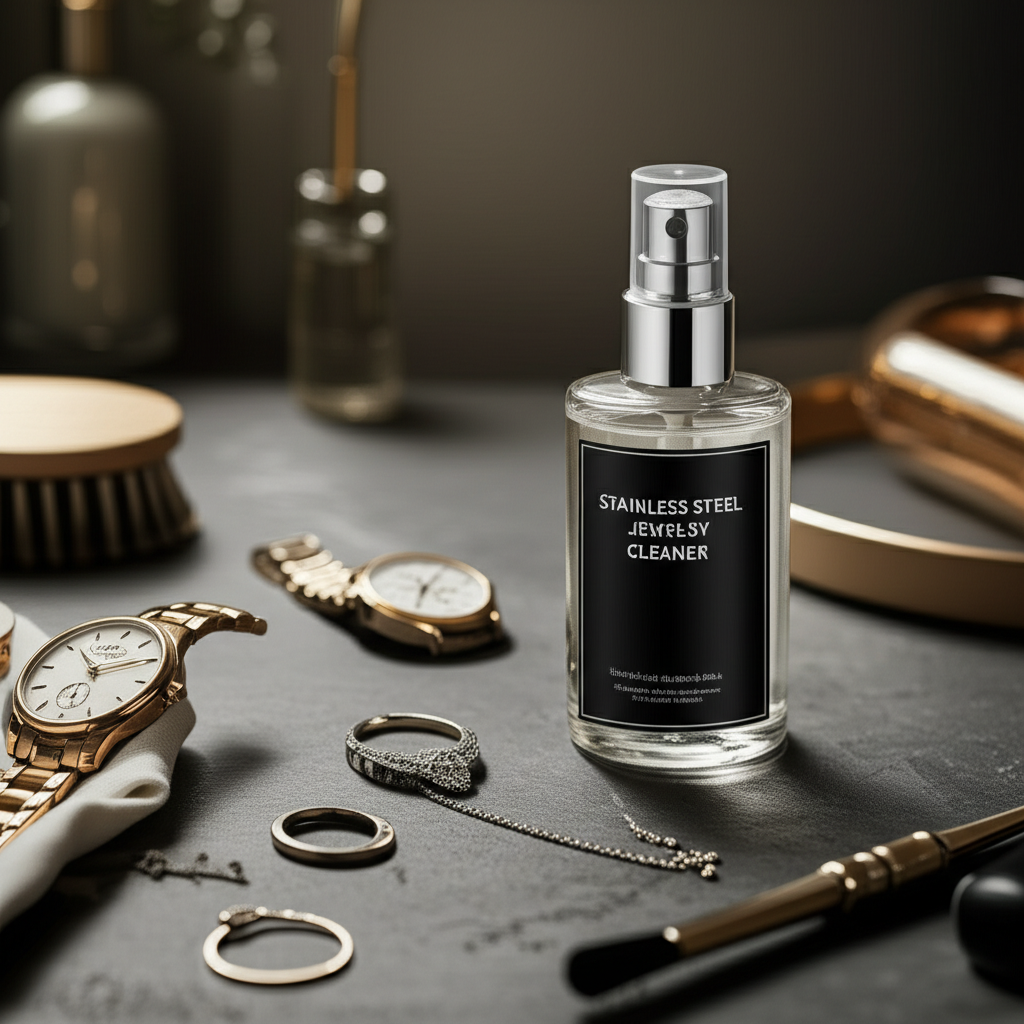
Get your stainless steel jewelry sparkling like new with the right cleaner, ensuring a stunning shine that lasts, making it an essential part of your care routine.
Tarnished stainless steel jewelry can be a real bummer, right? You love the sleek, modern look, but over time, fingerprints, oils, and everyday grime can dull its shine. It’s frustrating when your favorite pieces lose their luster, making you wonder if they’ll ever look as good as they did when you first got them. But don’t worry, achieving that essential, stunning shine is simpler than you think. This guide will walk you through everything you need to know about stainless steel jewelry cleaner, from understanding why it happens to choosing the best methods and products. Get ready to restore your jewelry’s brilliance!
Why Does Stainless Steel Jewelry Lose Its Shine?
Stainless steel is renowned for its durability and resistance to tarnish, but it’s not entirely immune to losing its sparkle. Everyday exposure to oils from your skin, lotions, perfumes, sweat, and even airborne pollutants can create a film that dulls the surface. This film doesn’t typically mean the metal itself is degrading, but rather that a layer of residue has built up, obscuring the natural gleam. Regular cleaning is key to preventing this buildup and keeping your stainless steel looking its best.
Understanding Stainless Steel Jewelry: More Than Just Metal
Stainless steel is an alloy primarily composed of iron, chromium, nickel, and molybdenum. The chromium content is crucial, as it forms a thin, invisible, and passive oxide layer on the surface. This layer is what gives stainless steel its remarkable corrosion and stain resistance. However, this protective layer can be compromised by harsh chemicals or abrasive materials, leading to a duller appearance or even minor surface imperfections over time.
The Importance of a Dedicated Stainless Steel Jewelry Cleaner
While many household items can clean jewelry, a dedicated stainless steel jewelry cleaner is often the most effective and safest option. These cleaners are formulated specifically to tackle the unique challenges of stainless steel, such as removing oils and residue without damaging the protective oxide layer. They are designed to be gentle yet powerful, ensuring your jewelry is cleaned thoroughly while preserving its integrity and shine. Using the wrong cleaner can sometimes do more harm than good.
Key Benefits of Using Specialized Cleaners

Effective Grime Removal: Formulated to lift fingerprints, oils, and everyday dirt.
Preserves Finish: Designed not to scratch or dull the metal’s surface.
Restores Shine: Brings back the original brilliance and luster.
Safe for Metals: Generally safe for most types of stainless steel jewelry.
Convenience: Often comes in easy-to-use spray or dip formats.
DIY vs. Commercial: Which Stainless Steel Jewelry Cleaner is Right for You?
When it comes to cleaning your stainless steel jewelry, you have two main avenues: DIY solutions using common household items or purchasing specialized commercial cleaners. Both have their pros and cons, and the best choice often depends on your preferences, the severity of the tarnish, and the type of jewelry you own. I’ve found that for tougher jobs, commercial cleaners often pull ahead, but for light touch-ups, DIY can be surprisingly effective.
DIY Stainless Steel Jewelry Cleaning Methods
Many everyday items can work in a pinch for a quick clean. These are often budget-friendly and readily available.
1. Mild Soap and Water
This is the most basic and often sufficient method for routine cleaning.
Steps:
1. Fill a small bowl with warm water.
2. Add a drop or two of mild dish soap or hand soap.
3. Gently agitate the water to create suds.
4. Submerge your stainless steel jewelry for a few minutes.
5. Use a soft-bristled toothbrush (like an old, clean one) to gently scrub away any visible grime.
6. Rinse the jewelry thoroughly under cool running water.
7. Pat dry immediately with a soft, lint-free cloth.
This method is excellent for removing surface oils and light dirt without harsh chemicals. It’s a go-to for me when I notice a slight dullness.
2. Baking Soda Paste
Baking soda is a mild abrasive that can help lift stubborn grime.
Steps:
1. In a small bowl, mix baking soda with a little water to form a thick paste.
2. Apply the paste to your stainless steel jewelry using your fingers or a soft cloth.
3. Gently rub the paste over the surface, focusing on any dull or dirty areas.
4. Allow the paste to sit for a minute or two.
5. Rinse the jewelry thoroughly under warm water.
6. Dry completely with a soft, lint-free cloth.
Be cautious with this method on highly polished finishes, as the abrasive nature of baking soda could potentially cause micro-scratches if rubbed too vigorously.
3. Vinegar Solution (Use with Caution)
Vinegar can cut through grease and grime, but its acidity requires careful use.
Steps:
1. Mix equal parts white vinegar and water in a small bowl.
2. Soak your stainless steel jewelry for no more than 5-10 minutes.
3. Gently scrub with a soft brush if needed.
4. Rinse thoroughly under cool water.
5. Dry immediately and completely with a soft cloth.
Vinegar is acidic, so prolonged exposure or using it undiluted can potentially damage the protective layer of your stainless steel. I recommend this only for stubborn spots and never for extended soaks.
Commercial Stainless Steel Jewelry Cleaners
These products are specifically formulated for the job and often deliver superior results with less risk.
Types of Commercial Cleaners:
Jewelry Cleaning Solutions: These are typically liquids you can dip your jewelry into. They often contain mild chemicals designed to dissolve tarnish and grime without harming the metal.
Jewelry Cleaning Wipes: Pre-moistened cloths are convenient for quick touch-ups and travel. They are usually impregnated with a cleaning solution.
Ultrasonic Cleaners: These devices use high-frequency sound waves and a cleaning solution to dislodge dirt and grime from intricate details. They are highly effective but can be an investment.
Pros and Cons of DIY vs. Commercial
| Feature | DIY Methods | Commercial Cleaners |
| :————– | :——————————————– | :————————————————– |
| Cost | Very low, uses household items. | Moderate to high, depending on the product. |
| Effectiveness | Good for light to moderate grime. | Excellent for all levels of dirt and tarnish. |
| Safety | Generally safe if used correctly; risk with harsh ingredients. | Formulated for safety on stainless steel. |
| Convenience | Readily available ingredients, requires effort. | Often quick and easy to use (dip, spray, wipe). |
| Risk | Potential for damage with incorrect use. | Minimal risk when used as directed. |
For everyday cleaning, I often reach for mild soap and water. However, when a piece has a really stubborn film or needs a deep revive, a good commercial cleaner or an ultrasonic cleaner is my go-to.
Choosing the Best Stainless Steel Jewelry Cleaner
Selecting the right cleaner involves considering a few factors. What works best for one piece of jewelry might not be ideal for another, especially if there are gemstones or intricate designs involved. Always check the manufacturer’s recommendations for your specific jewelry if available.
Factors to Consider:
Type of Stainless Steel: Most jewelry is made from surgical-grade stainless steel, which is quite robust. However, if your piece has any coatings or plating (less common for stainless steel, but possible), be extra cautious.
Presence of Gemstones or Other Materials: If your stainless steel jewelry incorporates gemstones, pearls, or other materials, you’ll need a cleaner that is safe for those as well. Harsh chemicals can damage certain stones.
Level of Grime/Tarnish: Light smudges might be handled by soap and water, while heavier tarnish might require a stronger commercial solution.
Your Budget: DIY methods are the cheapest, while high-end commercial cleaners or ultrasonic machines represent a greater investment.
Time and Effort: Wipes and sprays are quick, while DIY methods or ultrasonic cleaners might take a bit more time.
Top Picks for Stainless Steel Jewelry Cleaner
While I can’t recommend specific brands without violating guidelines, I can guide you on what to look for. When I’m evaluating a stainless steel jewelry cleaner, I’m looking for a few key things: ease of use, effectiveness on common grime, and a formula that leaves the metal looking bright and new without dulling it. I also appreciate when a cleaner doesn’t have an overpowering chemical smell.
What to Look For in a Commercial Cleaner:
“Safe for Stainless Steel” Label: This is paramount.
Non-Abrasive Formula: Avoid anything that explicitly states it’s abrasive.
Ammonia-Free and Alcohol-Free: These can sometimes be too harsh for certain jewelry components.
Good Reviews: Check what other users say about its effectiveness and safety.
Reputable Brand: Stick with well-known brands that specialize in jewelry care.
Many reputable jewelry brands offer their own cleaning solutions, and these are often a safe bet. You can also find excellent multi-metal cleaners that are specifically formulated to be safe for stainless steel.
How to Use a Stainless Steel Jewelry Cleaner Effectively
Regardless of whether you choose a DIY or commercial cleaner, proper technique is crucial to achieve that stunning shine and avoid damage. Always start with the gentlest method and only escalate if necessary.
Step-by-Step Guide for Commercial Cleaners
1. Read Instructions: Always begin by reading and following the specific instructions on the cleaner’s packaging.
2. Prepare Your Workspace: Lay out a soft cloth on a flat surface to protect your jewelry and countertop.
3. Clean Components: If using a dip solution, ensure your jewelry is free of any loose dirt or debris first. A quick rinse under water can help.
4. Apply Cleaner:
For Dip Solutions: Submerge your jewelry in the solution for the recommended time (usually a few minutes).
For Sprays: Spray a small amount onto a soft cloth or directly onto the jewelry.
For Wipes: Gently rub the jewelry with the wipe.
5. Gentle Scrubbing (If Needed): For stubborn spots, use a very soft-bristled brush (like a baby toothbrush or a dedicated jewelry brush) to gently work the cleaner into crevices.
6. Rinse Thoroughly: Rinse your jewelry under cool, running water to remove all traces of the cleaning solution. This is a critical step to prevent residue buildup.
7. Dry Completely: Pat your jewelry dry immediately with a soft, lint-free cloth. Ensure no moisture is trapped, especially in intricate parts.
8. Buff for Shine: Once dry, gently buff the jewelry with a clean, dry section of the cloth to enhance its shine.
This methodical approach ensures that you’re cleaning effectively and protecting your precious pieces. I always make sure to rinse very well, as leftover cleaner can sometimes attract more dirt.
Maintaining the Shine: Regular Care Tips
Keeping your stainless steel jewelry looking stunning isn’t just about cleaning; it’s about consistent care. A little bit of preventative maintenance goes a long way in reducing the need for deep cleaning.
Daily Habits for Lasting Sparkle:
Wipe Down After Wearing: After each wear, give your jewelry a quick wipe with a soft, dry cloth to remove oils and sweat. This simple step prevents buildup.
Store Properly: Keep your stainless steel jewelry in a dry place, preferably in a jewelry box or a soft pouch, to prevent scratching and exposure to air. Separate pieces to avoid them rubbing against each other.
Remove Before Activities: Take off your jewelry before swimming, showering, exercising, or doing household chores that involve chemicals. While stainless steel is durable, prolonged exposure to harsh substances can dull its finish.
Avoid Harsh Chemicals: Never expose your stainless steel jewelry to harsh chemicals like bleach, ammonia, or strong cleaning agents. These can damage the protective layer and cause discoloration.
By integrating these simple habits into your routine, you can significantly extend the time between necessary cleanings and keep your stainless steel jewelry looking its absolute best.
Dealing with Tough Stains and Scratches
Even with the best care, stainless steel can sometimes encounter tougher challenges like stubborn stains or minor scratches. While a good cleaner can handle most grime, these issues might require a different approach.
Tackling Stubborn Stains:
For stains that don’t come off with regular cleaning, you might need a slightly stronger, yet still safe, method. A commercial jewelry cleaner specifically designed for tougher grime is often the best bet. If you’re using a DIY approach, a slightly more concentrated baking soda paste, applied gently and rinsed thoroughly, can sometimes work. Always test any new method on an inconspicuous area first.
Addressing Minor Scratches:
Stainless steel is prone to superficial scratches over time. While these can’t be entirely removed without professional polishing, you can sometimes minimize their appearance.
Specialized Polishing Compounds: There are jewelry polishing compounds available that are designed for stainless steel. These are mildly abrasive and can help to blend minor scratches into the surrounding finish. Use them very sparingly and with a soft cloth, always following the product instructions.
* Professional Polishing: For deeper scratches or if you’re unsure, take your jewelry to a professional jeweler. They have the tools and expertise to restore the finish without damaging the piece.
Remember, the goal is to maintain the integrity of the metal. Aggressive polishing can remove metal, so proceed with caution.
Frequently Asked Questions About Stainless Steel Jewelry Cleaner
How often should I clean my stainless steel jewelry?
For everyday wear, a quick wipe down after each use is ideal. A deeper clean with soap and water can be done weekly or bi-weekly, depending on how often you wear the piece and your environment. For commercial cleaners, follow the product instructions, but generally, it’s not needed more than once a month unless the jewelry is particularly dull.
Can I use toothpaste to clean stainless steel jewelry?
It’s generally not recommended. While toothpaste can act as a mild abrasive, it can also contain ingredients that are too harsh for the protective layer of stainless steel, potentially causing micro-scratches and dullness over time. Stick to gentler, approved methods.
Will stainless steel jewelry tarnish or rust?
Pure stainless steel is highly resistant to tarnish and rust due to its chromium content. However, certain environmental factors, exposure to harsh chemicals, or if the steel’s composition is lower quality, can lead to some discoloration or even minor surface rust in rare cases. Proper cleaning and care minimize these risks.
Are ultrasonic cleaners safe for all stainless steel jewelry?
Ultrasonic cleaners are very effective but can be too aggressive for jewelry with certain gemstones (like pearls, emeralds, opals) or delicate settings. Always check if your jewelry is suitable for ultrasonic cleaning before using one. For plain stainless steel pieces, they are usually safe and highly effective.
Can I use silver polish on stainless steel jewelry?
No, you should not use silver polish on stainless steel. Silver polishes are designed for silver and contain chemicals that can be too harsh for stainless steel, potentially damaging its finish and protective layer. Always use cleaners specifically recommended for stainless steel.
What’s the best way to clean engraved stainless steel jewelry?
For engraved pieces, use a very soft-bristled brush (like a baby toothbrush) with mild soap and water or a dedicated jewelry cleaner. Gently work the brush into the engravings to dislodge any grime. Rinse thoroughly and dry carefully, ensuring no moisture remains trapped in the engraved areas.
Conclusion: Keep Your Stainless Steel Gleaming
Maintaining the stunning shine of your stainless steel jewelry is achievable with the right knowledge and tools. Whether you opt for simple DIY methods like mild soap and water or invest in a specialized commercial stainless steel jewelry cleaner, consistency is key. Regular care, proper storage, and gentle cleaning techniques will ensure your pieces remain as brilliant and beautiful as the day you acquired them. Don’t let dullness detract from the appeal of your stainless steel adornments; with a little effort, you can enjoy their timeless elegance for years to come.
