


Published on: September 17, 2025 | Updated on: September 17, 2025
Best Metal Detector Locations: Hidden Gems Revealed for Unearthing Treasures
Uncover the most promising spots for your metal detecting adventures. This guide reveals hidden gems and proven locations, from historical sites to everyday parks, to significantly boost your treasure-finding success.
Finding the best metal detector locations can feel like searching for a needle in a haystack, especially when you’re just starting out. Many detectorists stick to the same old spots, missing out on incredible finds. It’s frustrating to put in the effort and come up empty-handed. But don’t worry, with the right knowledge and a bit of digging into history, you can transform your hunts. I’m here to share my field-tested secrets on where to find those overlooked, high-potential locations that often yield the most exciting treasures.
Why Location is Everything in Metal Detecting
The success of any metal detecting hunt hinges almost entirely on where you choose to swing your coil. A top-tier detector in a barren field will yield nothing, while a simpler machine in a rich historical spot can uncover a trove of artifacts. Understanding the human element – where people lived, worked, played, and traveled – is the key to unlocking these hidden opportunities. It’s about thinking like the people who left the treasures behind.
Unearthing Local History: Your Backyard’s Hidden Potential
Often, the most overlooked and rewarding metal detector locations are right under our noses. Your local area, with its unique history, is a goldmine of potential. Digging into local archives and understanding past land use can reveal surprisingly rich hunting grounds.
Researching Local Historical Records

Before you even touch your detector, arm yourself with knowledge. Local libraries, historical societies, and online archives are invaluable resources. Look for old maps, property records, and newspaper clippings that mention past settlements, events, or prominent families. These documents can pinpoint areas where people congregated or lived.
Identifying Old Homesites and Farmsteads
Where people built their homes, they often lost things. Old homesites, even those long gone, are prime targets. Look for depressions in the ground, old stone foundations, or clusters of mature trees that might indicate a former dwelling. Similarly, abandoned farmsteads are excellent spots, as daily life often involved dropping coins, jewelry, and tools.
Exploring Old Roads and Trails
Centuries of travel mean people dropped items along their routes. Old, forgotten roads, footpaths, and even the edges of modern roads that might have followed older routes can be treasure troves. These areas often yield old coins and buckles, especially where travelers might have rested or crossed water.
Parks and Public Spaces: More Than Just Playgrounds
Don’t underestimate the treasure potential of public parks and recreational areas. These places have seen generations of visitors, leading to a steady stream of lost items. With careful research and respect for park rules, you can find some amazing finds.
The Allure of Old Picnic and Gathering Spots
Where did people historically gather for leisure? Look for areas in parks that were likely old picnic grounds, fairgrounds, or community event locations. These spots often have a higher concentration of dropped coins, jewelry, and small personal items. Think about where people would have sat, eaten, and relaxed over the decades.
Schoolyards and Sports Fields: A Coin Hunter’s Dream
Schoolyards and old sports fields are fantastic for finding modern and older coins. Kids are notorious for losing pocket change, and sports events bring crowds who also drop money. Focus on older schools or fields that have been in use for many years, as they’ve had more time to accumulate targets.
Beachcombing: Coastal Treasures Await
Beaches are classic metal detecting locations, offering a dynamic environment where items can be buried, uncovered, and moved by tides. From dropped jewelry to historic coins, the possibilities are vast. Always check local regulations before detecting on beaches.
Waterways and Waterfronts: Rivers, Lakes, and Streams
Water bodies have always been centers of human activity, making them prime locations for lost items. Bridges, old ferry crossings, and riverbanks can reveal a wealth of history. Remember that detecting in or near water requires specialized equipment and safety precautions.
Bridge Crossings and Ferry Points
Historically, bridges and ferry crossings were crucial transit points. People often dropped items while waiting or crossing. Look for areas around old bridge abutments or known historical ferry landing sites along rivers and lakes. These spots can yield coins, tools, and even personal effects.
Riverbanks and Lake Shores
The edges of rivers and lakes are natural gathering places. Over time, coins, jewelry, and other items are lost and can be buried in the sediment. The constant movement of water can also expose or re-bury items, making these areas dynamic and rewarding.
Beyond the Obvious: Creative and Underexplored Locations
Sometimes, the best metal detector locations are those that require a bit more imagination and research. Thinking outside the box can lead you to finds others have completely missed. These are the true hidden gems.
Ghost Towns and Abandoned Settlements
These forgotten places are a treasure hunter’s dream. Ghost towns, even small ones, were once vibrant communities. Look for remnants of buildings, old roads, and areas where people likely spent their daily lives. Always get permission if the land is privately owned.
Old Churches and Cemeteries (with Respect!)
While cemeteries are sensitive locations, the grounds around old churches can be incredibly productive. People often lost items on their way to or from services. Always be extremely respectful, avoid disturbing graves, and check local laws regarding detecting near religious sites.
Fairgrounds and Carnival Sites
Temporary or permanent fairgrounds have historically been places of excitement and crowds. Think about where old fair sites might have been. These areas often yield a variety of coins, tokens, and personal items lost amidst the festivities.
Essential Gear for Maximizing Your Finds
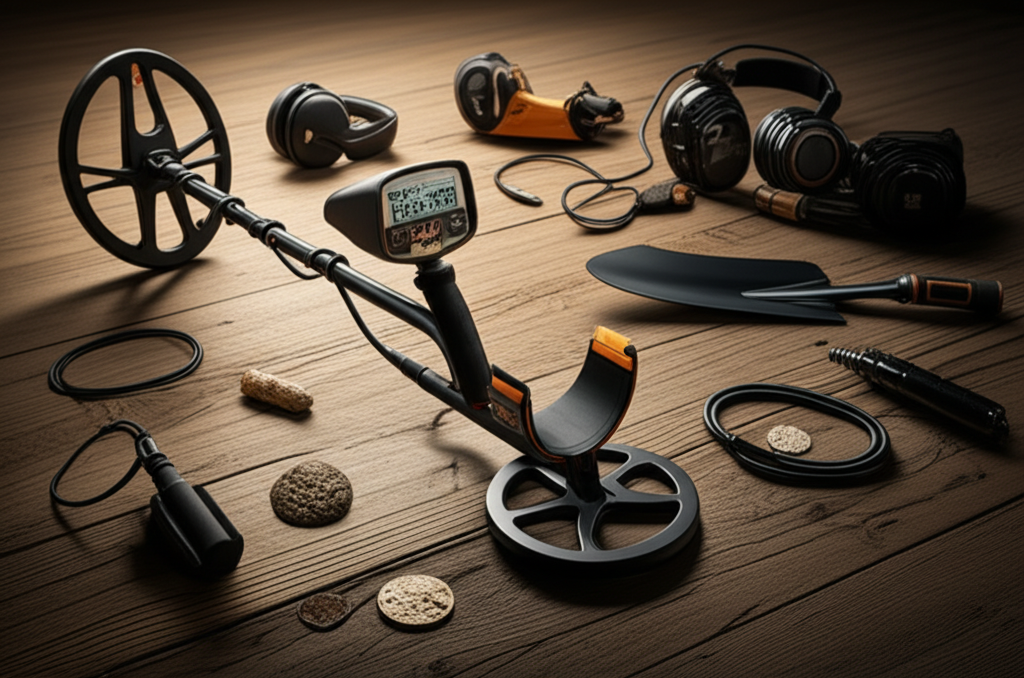
Having the right metal detecting gear is as crucial as choosing the right location. The best detectors, coils, and accessories can mean the difference between a frustrating hunt and a successful one. Investing in quality tools will enhance your experience and your finds.
Choosing the Right Metal Detector
The best metal detector for you depends on your target and terrain. For general coin and relic hunting, a versatile detector with good depth and discrimination is ideal. For gold prospecting, you’ll need a machine specifically tuned for gold signals. Brands like Garrett, Minelab, and Nokta Makro offer excellent options for various needs.
The Importance of Different Search Coils
Switching coils can dramatically improve your detecting experience. Smaller coils offer better pinpointing and performance in trashy areas, while larger coils provide greater depth and coverage. A double-D coil is often versatile for general use, while a concentric coil can offer superior depth on certain targets.
Pinpointers: Your Best Friend in the Plug
Once you get a target signal, a good pinpointer is essential. It helps you quickly locate the item within the dug plug of soil, saving you time and minimizing disturbance. Without one, you’ll be digging endlessly and potentially damaging your finds.
Digging Tools: Precision and Power
The right digging tools make the job easier and cleaner. A sturdy shovel or trowel is necessary for larger plugs, while a smaller hand digger or soil knife is perfect for delicate work. Always carry a bag for your trash and leave the area cleaner than you found it.
Before you head out to any of these best metal detector locations, understanding land ownership and regulations is paramount. Detecting on private property without permission is illegal and unethical. Public lands also have specific rules that must be followed.
Private Property: The Golden Rule is Permission
Always seek explicit, written permission from the landowner before detecting on private property. Clearly explain what you do, assure them you’ll fill your holes, and offer to share any interesting finds. Building good relationships can open up many more opportunities.
Public Lands: Know the Rules
Regulations for detecting on public lands vary widely. National Parks and historical monuments typically prohibit metal detecting. State parks, national forests, and BLM (Bureau of Land Management) lands often have specific rules regarding where and what you can detect. Always check the governing agency’s website or contact them directly.
Ethical Detecting: Leave No Trace
Responsible metal detecting is crucial for the hobby’s longevity. Always fill your holes completely, take all trash you dig, and avoid disturbing wildlife or sensitive historical sites. Being an ethical detectorist ensures we can continue to enjoy this hobby for years to come.
FAQ: Your Top Metal Detecting Location Questions Answered
Where are the best places to find old coins?
Old homesites, schoolyards, parks, and fairgrounds are excellent for finding old coins. Areas with high foot traffic over many decades are your best bet.
Can I metal detect in my local park?
Usually, yes, but always check local park regulations first. Many parks allow detecting, but some may have restrictions on digging or specific areas.
What is the most important tool for a metal detectorist?
While the detector is key, a good pinpointer is arguably the most crucial accessory for efficient recovery and minimizing hole size.
Is it legal to metal detect on the beach?
In most places, beach detecting is legal, but regulations vary. Some beaches may have restrictions, especially in protected areas or during certain seasons. Always verify local rules.
What should I do if I find something historically significant?
If you believe you’ve found a significant artifact, it’s best to contact your local historical society or museum. They can advise on proper procedures and potential reporting requirements.
How do I find out about local history for detecting spots?
Start with your local library, historical society, or online archives. Old maps, newspapers, and property records are excellent resources.
Conclusion: Your Next Great Find Awaits
Choosing the best metal detector locations is a blend of historical research, understanding human behavior, and respecting the environment. From the quiet corners of your local park to the echoes of forgotten ghost towns, treasure lies waiting. By combining knowledge of these promising spots with the right gear and ethical practices, you dramatically increase your chances of unearthing incredible finds. Happy hunting, and may your next swing be your best!
