


Published on: September 26, 2025 | Updated on: September 26, 2025
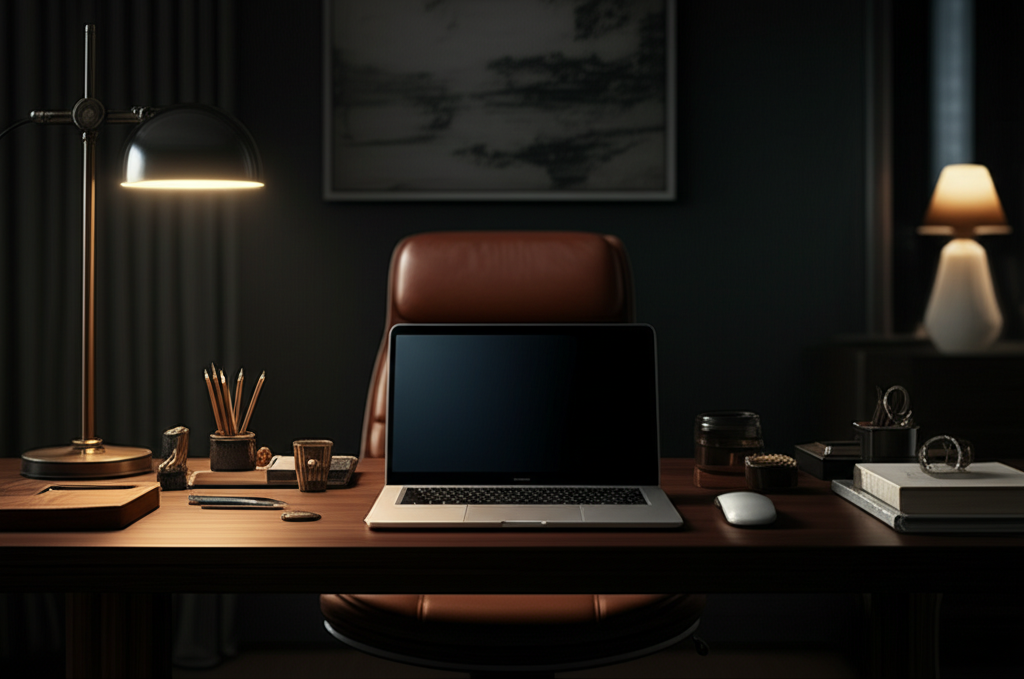
Transform your home office with moody lighting for a focused, inspiring, and stylish workspace. Discover how strategic illumination can boost productivity, enhance ambiance, and create an essential, mood-boosting environment that feels uniquely yours.
Welcome to the world of home office design where functionality meets a touch of personal flair! Many of us spend significant hours in our home workspaces, yet often overlook a crucial element: lighting. Harsh overhead lights or inadequate illumination can lead to eye strain, reduced focus, and a generally uninspiring atmosphere. If your home office feels more like a sterile cubicle than a creative haven, you’re not alone. The good news is that with a few thoughtful adjustments, especially focusing on the power of moody lighting, you can transform your space into a productive sanctuary. Let’s explore how to create a home office with moody lighting that’s both essential and transformative.
Why Moody Lighting is More Than Just Ambiance

Moody lighting in a home office isn’t about creating a dim, unproductive space. Instead, it’s about harnessing the psychological impact of softer, warmer, and more controlled light to enhance focus and reduce distractions. This approach acknowledges that our workspace environment significantly influences our mood, concentration, and overall productivity. A well-designed moody lighting scheme can foster a sense of calm, encourage deeper work, and even spark creativity.
By strategically using layered light sources, dimmers, and warm color temperatures, you can craft an atmosphere that feels both professional and personal. This deliberate design choice moves beyond basic illumination to create a space that supports your well-being and work performance. Let’s delve into why this design choice is so essential for modern home offices.
Understanding the Psychology of Light in Your Workspace
Light has a profound effect on our mood, energy levels, and cognitive functions. Bright, cool lights can sometimes feel jarring and disruptive, while overly dim conditions can lead to sleepiness and eye strain. Moody lighting strikes a balance, leveraging warmer color temperatures and softer intensities to create a calming yet engaging environment.
This type of lighting can signal to your brain that it’s time to focus deeply, similar to the atmosphere of a cozy library or a dedicated study space. It helps to reduce visual clutter and create a more intimate feel, making your workspace a more inviting place to spend extended periods. Understanding these psychological connections is key to unlocking the full potential of your home office.
Key Elements of a Moody Lighting Design
Achieving the perfect moody lighting involves more than just turning off the main lights. It requires a layered approach, incorporating different types of light sources to create depth and control. Think about task lighting for focused work, ambient lighting for overall mood, and accent lighting to highlight specific areas or décor.
The color temperature of your bulbs plays a crucial role; warmer tones (around 2700K-3000K) are generally preferred for creating a cozy, moody atmosphere. Dimmable options for all your light sources are also essential, allowing you to adjust the intensity based on the time of day and the specific task at hand. Smart lighting systems can further enhance this control, offering pre-set scenes and remote adjustments.
Layering Your Light Sources
The foundation of any effective lighting design, especially for a moody office, is layering. This means using multiple light sources at different heights and intensities to avoid harsh shadows and create a more dynamic and comfortable environment. Layering ensures that you have adequate light for specific tasks while maintaining an overall inviting atmosphere.
Think of it like building a painting; you start with a base layer and add details. In your home office, this translates to combining ambient, task, and accent lighting to create a rich, multi-dimensional lighting experience that feels both functional and aesthetically pleasing.
Choosing the Right Color Temperature
Color temperature, measured in Kelvin (K), significantly impacts the mood of a space. For a home office with moody lighting, you’ll want to lean towards warmer color temperatures, typically between 2700K and 3000K. These “warm white” or “soft white” bulbs emit a yellowish glow that is calming and inviting.
Avoid cooler “daylight” bulbs (5000K+) for your primary moody lighting, as they can feel sterile and may disrupt relaxation. However, you might consider a cooler temperature for a specific task lamp if it helps with focus for detailed work, used sparingly. The goal is to create an inviting warmth that promotes concentration without being overly stimulating.
The Power of Dimmers and Smart Controls
Dimmers are non-negotiable for a home office with moody lighting. They give you the ultimate control over the intensity of your lights, allowing you to dial them down for focused work or relaxation, or brighten them slightly when needed. This adaptability is key to creating a versatile workspace that suits various needs throughout the day.
Smart lighting systems take this a step further. You can set schedules, create custom lighting scenes (e.g., “Focus Mode,” “Relax Mode”), and control your lights with voice commands or an app. This level of control allows you to effortlessly tailor your office’s atmosphere to your current activity and mood, enhancing both productivity and well-being.
Essential Lighting Fixtures for a Moody Home Office
Selecting the right fixtures is crucial for achieving your desired moody aesthetic. The style and placement of your lamps and fixtures will contribute significantly to the overall look and feel of your home office. Consider how each piece can add to the ambiance while serving its functional purpose.
From desk lamps to floor lamps and even subtle wall sconces, each element plays a role in building a layered and inviting lighting scheme. The materials and finishes of your fixtures can also complement your existing décor, tying the entire look together cohesively.
Task Lighting: The Foundation of Productivity
Task lighting is essential for any home office, but in a moody setup, it needs to be thoughtfully chosen. A well-placed desk lamp provides direct, focused illumination for reading documents, writing, or detailed computer work without overwhelming the rest of the space. Look for lamps with adjustable arms and heads so you can direct light precisely where you need it.
Consider LED desk lamps with adjustable brightness and color temperature. While you want a warm overall mood, a slightly cooler or brighter setting on your task lamp can be beneficial for intense focus periods. Ensure the light is glare-free to protect your eyes during long work sessions. This focused light ensures that you can perform detailed tasks effectively even when the ambient lighting is softer.
Ambient Lighting: Setting the Mood
Ambient lighting provides the general illumination for your space and is the primary driver of your moody atmosphere. This can come from floor lamps with fabric shades that diffuse light softly, or even strategically placed string lights for a cozy, intimate feel. Sconces mounted on the wall can also cast a gentle glow without taking up valuable desk space.
The goal is to create a soft, even light that fills the room without being harsh or creating glare. Think about how natural light behaves at dusk – it’s soft, warm, and inviting. Replicating this feeling indoors is key to a successful moody lighting scheme. This foundational light sets the tone for the entire workspace.
Accent Lighting: Adding Depth and Personality
Accent lighting is used to draw attention to specific features in your office, such as artwork, bookshelves, or decorative objects. This could be in the form of small spotlights, picture lights, or even subtle LED strips placed behind furniture or shelves. Accent lighting adds layers and visual interest, preventing your moody space from feeling flat or monotonous.
These smaller light sources can highlight textures, colors, and shapes, making your office feel more dynamic and personalized. They contribute to the overall ambiance by creating focal points and adding a touch of sophistication. Thoughtful accent lighting makes your carefully curated décor truly shine.
Integrating Natural Light with Moody Artificial Lighting
While we’re focusing on artificial lighting, never underestimate the power of natural light. Maximizing daylight can reduce eye strain and boost your mood, but it needs to be managed to complement your moody aesthetic. The interplay between natural and artificial light is key to a balanced and effective home office environment.
The goal is to harness the benefits of daylight when it’s available and transition smoothly to your carefully crafted moody lighting as the day progresses. This integration ensures your workspace remains comfortable and conducive to productivity throughout all hours. Let’s explore how to blend these two essential light sources.
Maximizing Daylight Strategically
Position your desk to take advantage of natural light without direct glare on your screen. Ideally, a window should be to your side, allowing ambient light to illuminate your workspace. If your desk faces a window, consider sheer curtains or blinds to diffuse harsh sunlight during peak hours.
During brighter parts of the day, you might rely more on natural light and less on artificial sources. This not only saves energy but also leverages the natural mood-boosting properties of sunlight. Even on overcast days, diffused natural light can contribute to a more pleasant atmosphere before you need to turn on your lamps.
Transitioning from Day to Night
As daylight fades, your moody lighting should take over seamlessly. This transition is where dimmers and smart controls truly shine. You can gradually decrease the intensity of any remaining daylight-enhancing lights and slowly bring up your warmer, ambient sources.
Consider setting up automation through your smart lighting system to trigger a “sunset” scene. This gradual shift helps your eyes adjust and signals a change in the workspace’s function, preparing you for focused evening work or a winding-down period. This smooth transition is vital for maintaining comfort and productivity.
Selecting the Right Fixtures and Bulbs
The choice of fixtures and bulbs directly impacts the quality and mood of your lighting. Beyond just style, consider the material, size, and type of bulb each fixture uses to ensure it contributes positively to your home office with moody lighting.
For instance, a metal desk lamp might offer a modern, sleek feel, while a ceramic base with a fabric shade leans towards a cozier, more traditional aesthetic. The type of bulb – LED, incandescent, or halogen – and its wattage/lumens will dictate the brightness and warmth of the light it emits.
Materials and Design for Moody Aesthetics
When selecting fixtures, look for materials and finishes that enhance a moody vibe. Dark metals like brushed nickel, matte black, or oil-rubbed bronze often lend themselves well to this aesthetic. Natural materials such as wood or ceramic can also add warmth and texture.
Consider the shade material as well. Fabric shades (linen, cotton) diffuse light softly, creating a gentle glow, whereas clear glass or metal shades might direct light more intensely. The overall design of the fixture – its shape, size, and silhouette – should complement your office’s decor and contribute to the desired atmosphere.
LED vs. Incandescent vs. Halogen Bulbs
LED bulbs are highly recommended for their energy efficiency, longevity, and versatility. They come in a wide range of color temperatures, including the warm tones perfect for moody lighting, and many are dimmable. They also generate less heat, which can be beneficial in a home office.
Incandescent bulbs produce a warm, inviting light that many find aesthetically pleasing. However, they are significantly less energy-efficient and have a shorter lifespan compared to LEDs. They also generate more heat, which might not be ideal for some workspaces.
Halogen bulbs, a type of incandescent, offer good color rendering and a bright light. They are more energy-efficient than traditional incandescents but still less so than LEDs. Like incandescents, they can get quite hot.
For a home office with moody lighting, warm-toned LEDs (2700K-3000K) are generally the best choice due to their balance of ambiance, energy efficiency, and controllability. Always check if the bulb is dimmable if you plan to use it with a dimmer switch.
Beyond Lighting: Complementary Design Elements
While moody lighting is transformative, it works best when complemented by other design choices that reinforce the desired atmosphere. The right furniture, décor, and organization can amplify the effects of your lighting, creating a truly cohesive and inspiring workspace.
Think about how textures, colors, and the overall layout of your office can work in harmony with your lighting scheme. A well-rounded approach ensures that every element contributes to your ultimate goal: a comfortable, productive, and stylish home office.
Color Palette and Textures
A sophisticated color palette can significantly enhance a moody lighting scheme. Deep, rich colors like navy blue, forest green, charcoal gray, or deep burgundy can absorb light and create a sense of intimacy and focus. Alternatively, pairing these with warmer neutrals like beige or cream can prevent the space from feeling too dark.
Incorporating various textures adds depth and visual interest. Think plush rugs, velvet cushions, wooden furniture with natural grain, or even textured wallpaper. These elements interact with light, creating subtle variations in shadow and highlight that enrich the moody ambiance. The tactile quality of textures invites a sense of comfort and groundedness.
Furniture and Layout Considerations
The type and arrangement of your furniture play a vital role. Opt for pieces that contribute to a cozy, grounded feel. A comfortable, ergonomic chair is a must for long work sessions, but consider its material and color to match your moody palette. A solid wood desk can add warmth and a sense of permanence.
Consider the flow of your office. Avoid placing your desk directly in front of a blank wall if possible, as this can feel confining. Instead, orienting your desk to face a window or a pleasing view can be more inspiring. Ensure there’s enough space to move around comfortably, and arrange furniture to create distinct zones for work, relaxation, or storage.
Decluttering for a Focused Atmosphere
A cluttered space can detract from even the most carefully designed moody lighting. Visual noise competes for attention and can disrupt focus. Implementing smart storage solutions is key to maintaining a serene and organized environment that allows your lighting to truly shine.
Utilize drawers, shelves, cabinets, and decorative boxes to keep your workspace tidy. Regularly decluttering your desk and digital files will also contribute to a sense of calm and order. A minimalist approach to décor, paired with effective storage, ensures that your moody lighting creates an atmosphere of focused tranquility, not dim chaos.
Troubleshooting Common Moody Lighting Issues
Even with the best intentions, you might encounter challenges when implementing your moody lighting design. Understanding these common pitfalls and how to address them will ensure your workspace remains functional and comfortable.
Common issues include areas that are too dark, distracting glare, or lighting that feels inconsistent. By being prepared, you can make quick adjustments to optimize your home office with moody lighting. Let’s look at some solutions.
Dealing with Overly Dark Areas
If certain areas of your office feel too dim, it might be a sign that your ambient lighting isn’t sufficient or your task lighting isn’t well-placed. You can add another ambient light source, such as a floor lamp or a strategically placed table lamp.
Ensure your bulbs have adequate lumens for the size of the room, even if they are warm-toned. Consider using lighter colors for walls or large furniture pieces in darker corners to reflect light more effectively. Sometimes, simply repositioning a lamp can make a significant difference.
Minimizing Glare and Eye Strain
Glare is a common culprit for eye strain and headaches. This often happens when light sources are too bright, positioned incorrectly, or reflect off glossy surfaces. Ensure your monitor is positioned to avoid direct reflections from windows or light fixtures.
Use lampshades that diffuse light and aim task lighting downwards. Dimmable controls are crucial here; reduce the intensity of lights that cause glare. Anti-glare screen protectors for your monitor can also be a helpful addition. A matte finish on walls and furniture can also help reduce reflections.
Achieving Consistent Mood and Brightness
Maintaining a consistent mood requires careful selection and control of your light sources. Ensure all your primary ambient lights are using bulbs with the same or very similar color temperatures (e.g., all 2700K). If you’re using a smart system, ensure your pre-set scenes are calibrated correctly.
If you find yourself constantly adjusting lights, consider setting up timed schedules for different lighting moods. For example, have a “work focus” scene activate at 9 AM and a “wind down” scene at 6 PM. This automation helps maintain the desired atmosphere without constant manual intervention.
Ergonomics and Your Moody Workspace
While focusing on the aesthetics of moody lighting, it’s vital not to forget ergonomics. A comfortable and supportive workspace is paramount for long-term health and productivity. Your lighting should enhance, not detract from, an ergonomic setup.
The goal is to create a space that supports your physical well-being just as much as it supports your mental focus. Consider how your lighting choices can work in tandem with your ergonomic setup to create a truly optimal work environment.
Lighting for Ergonomic Comfort
Proper lighting can reduce eye strain and neck strain, which are common issues with poor ergonomic setups. Ensure your task lighting is positioned to illuminate your work area without causing you to strain your neck or eyes. Avoid overhead lights that create harsh shadows on your keyboard or desk.
The warm, softer light of a moody setup can be inherently more comfortable than bright, cool lighting. However, always ensure there’s enough light to see clearly without squinting. Adequate task lighting prevents you from hunching over your desk or leaning too close to your screen to see details.
Choosing the Right Desk and Chair with Lighting in Mind
When selecting an ergonomic chair and desk, consider how they interact with your lighting. A desk with a matte finish will reduce glare compared to a glossy one. If you have a sit-stand desk, ensure your lighting setup can adapt to different working heights.
Consider the height and reach of your desk lamp. An adjustable arm is ideal for reaching over different desk setups and chair heights. The overall design of your furniture should complement the cozy, inviting feel of your moody lighting, creating a cohesive and comfortable workstation. An adjustable ergonomic chair from a reputable brand like Herman Miller can provide excellent support, and its design should integrate visually with your lighting scheme.
Frequently Asked Questions
Can moody lighting actually improve productivity?
Yes, it can! While bright lights are often associated with energy, moody lighting, particularly when layered and controlled, can create a calmer, more focused environment. This reduced distraction and increased comfort can lead to deeper concentration and sustained productivity. It signals a dedicated, serene space for work.
Is it okay to use colored bulbs for moody lighting?
While colored bulbs can add personality, for a productive home office, it’s generally best to stick to warm white or soft white light (2700K-3000K). Intense colors can be distracting or affect mood negatively over time. Subtle amber or very warm tones can work, but avoid vibrant blues, reds, or greens for primary lighting.
How much should I spend on lighting for my home office?
Lighting costs can vary widely. You can achieve a great moody effect with affordable options like floor lamps with fabric shades and good quality LED bulbs. Investing in dimmable fixtures and potentially a smart lighting system can increase the initial cost but offers greater control and long-term benefits. Aim for a balance between budget and functionality.
What’s the difference between warm and cool lighting?
Warm lighting has a lower color temperature (measured in Kelvin, K), typically 2700K-3000K, and appears yellowish or reddish, creating a cozy, inviting atmosphere. Cool lighting has a higher color temperature, often 5000K+, and appears bluish-white, mimicking daylight and promoting alertness. For moody lighting, warm tones are preferred.
Should I avoid overhead lighting altogether in a moody office?
Not necessarily. While harsh, central overhead lights can disrupt a moody ambiance, a dimmer-controlled, diffused ceiling light can serve as part of your ambient lighting layer. The key is to be able to control its intensity and, ideally, its color temperature. It should supplement, not dominate, your other light sources.
How do I choose the right wattage or lumen output for my moody lighting?
Wattage (for older bulbs) or lumens (for LEDs) indicate brightness. For ambient moody lighting, you’ll want lower lumen output per fixture to maintain softness. For task lighting, you’ll need higher lumens focused on your workspace. Always check the bulb’s packaging for lumen ratings and consider the size of your room and the fixture’s diffusion capabilities. Generally, aim for softer, less intense light for mood and brighter, focused light for tasks.
Conclusion: Embrace the Transformative Power of Moody Lighting
Creating a home office with moody lighting is an essential design strategy for anyone seeking to enhance focus, boost productivity, and cultivate a more inspiring work environment. It’s about more than just aesthetics; it’s about leveraging the psychological power of light to support your well-being and work performance. By thoughtfully layering your light sources, choosing the right color temperatures, and incorporating dimmers or smart controls, you can craft a space that feels both professionally functional and deeply personal.
Remember to complement your lighting with thoughtful décor, ergonomic furniture, and a clutter-free layout. This holistic approach ensures your home office is not just a place to work, but a sanctuary that nurtures creativity and concentration. Embrace the transformative potential of moody lighting and design a home office that truly works for you, day in and day out. Your productivity and peace of mind will thank you for it.
