


Published on: November 7, 2025 | Updated on: November 7, 2025
A corporate office chair is more than just furniture; it’s a vital tool for comfort, health, and productivity. Choosing the right one can transform your workday, reducing pain and boosting focus. This guide helps you find the perfect chair for your needs.
The hum of computers, the endless to-do lists, the constant stream of emails – working in an office, or a home office, demands a lot from us. And where do we spend most of this time? Sitting. That’s why the chair you sit in is so important. It’s not just a place to rest; it’s your command center for productivity. A bad chair can lead to aches, pains, and distraction, making work feel like a chore. But a good corporate office chair can make all the difference, supporting your body and helping you stay focused. Let’s explore how to find the right chair to make your work life better.
Contents
- 1 Why Your Corporate Office Chair Matters More Than You Think
- 2 Key Features of an Ergonomic Corporate Office Chair
- 3 Understanding Different Types of Corporate Office Chairs
- 4 Finding the Right Fit: A Step-by-Step Guide
- 5 Common Pitfalls to Avoid When Buying an Office Chair
- 6 Expert Recommendations for Top Corporate Office Chairs
- 7 Beyond the Chair: Optimizing Your Workspace for Comfort
- 8 Frequently Asked Questions About Corporate Office Chairs
- 9 Conclusion: Investing in Your Well-being with the Right Corporate Office Chair
- 10 Author
Why Your Corporate Office Chair Matters More Than You Think

Your office chair is a crucial piece of equipment. It directly impacts your physical well-being and your ability to concentrate. Think of it as an investment in your health and your performance. A well-designed chair supports good posture, which prevents back pain and fatigue. It also helps you feel more comfortable throughout the day, allowing you to focus on your tasks instead of discomfort.
The Hidden Costs of a Poorly Chosen Chair
Ignoring the importance of a good chair can lead to several problems. You might experience backaches, neck strain, or shoulder pain. These issues can reduce your productivity and even lead to missed workdays. In the long run, poor posture can contribute to more serious health concerns. Investing in a quality corporate office chair is a proactive step towards preventing these issues.
Boosting Productivity Through Comfort
When you’re comfortable, you can think more clearly and work more efficiently. A chair that provides proper support allows your body to relax, reducing physical stress. This means you have more energy for your work. Many studies show a direct link between employee comfort and overall productivity. A great chair is a simple yet powerful productivity tool.
Key Features of an Ergonomic Corporate Office Chair
An ergonomic chair is designed to fit your body and promote healthy posture. It’s built to reduce strain and increase comfort during long work hours. Look for specific features that cater to your body’s needs.
Adjustable Lumbar Support
This is perhaps the most critical feature for back health. Lumbar support refers to the curve in the lower back. An adjustable lumbar support lets you customize the level of support to your spine’s natural shape. This helps prevent slouching and reduces pressure on your lower back.
Seat Depth and Height Adjustability
Your legs should rest comfortably on the seat, with your feet flat on the floor. Adjustable seat height ensures this is possible, regardless of your height. Seat depth adjustability allows you to position the seat so there’s a small gap between the back of your knees and the edge of the seat. This improves circulation and prevents pressure points.
Armrest Adjustability
Proper armrest height is essential for relieving shoulder and neck tension. The armrests should allow your arms to rest at a 90-degree angle, with your shoulders relaxed. Many chairs offer adjustable height, width, and pivot options for the armrests.
Breathable Material and Padding
The material of your chair affects comfort, especially during warmer months. Mesh backs are popular because they allow air to circulate, keeping you cool. For the seat, high-density foam padding offers good support and durability. Avoid chairs with seats that are too soft, as they can lack proper support over time.
Recline and Tilt Mechanisms
A good chair should allow for natural movement. Recline and tilt functions let you shift your weight and change your posture throughout the day. This reduces static load on your spine. Look for features like a synchro-tilt mechanism, where the backrest and seat tilt at different ratios for optimal spinal alignment.
Understanding Different Types of Corporate Office Chairs
Not all office chairs are created equal. They vary in design, intended use, and features. Knowing the types can help you pinpoint the best fit for your workspace.
The Standard Task Chair
This is the most common type of office chair. It’s designed for general office tasks and offers basic adjustability. Task chairs are usually affordable and suitable for shorter periods of sitting. They typically have a medium-height back and adjustable seat height.
The High-Back Executive Chair
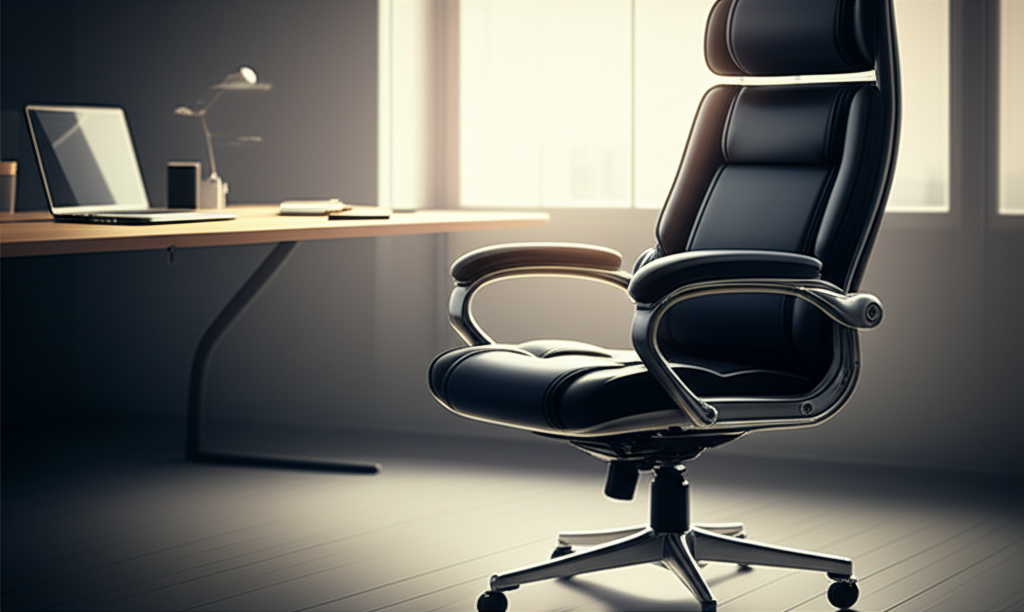
Executive chairs often boast a more luxurious look, with plush padding and premium materials like leather. They typically have a high back that supports the entire spine, including the head and neck. These chairs are designed for comfort and can be a good choice for long hours, though they may offer less adjustability than specialized ergonomic chairs.
The Ergonomic Chair
These chairs are specifically engineered for maximum comfort and support. They offer extensive adjustability in nearly every component, from lumbar support to armrests and headrests. Ergonomic chairs are ideal for individuals who spend long hours at their desk or have pre-existing back issues. They are often an investment but pay dividends in health and productivity.
The Mesh Chair
Mesh chairs are popular for their breathability and lightweight design. The mesh back allows for excellent airflow, keeping you cool and comfortable. They are often highly adjustable and can be a great option for warmer climates or individuals who tend to overheat.
Finding the Right Fit: A Step-by-Step Guide
Selecting a corporate office chair can feel overwhelming with so many options. Follow these steps to ensure you make a choice that suits you perfectly.
Step 1: Assess Your Work Habits and Needs
Consider how many hours you spend sitting each day. Do you have any existing pain or discomfort? Do you need a chair that promotes movement, like a kneeling chair or a balance ball chair, for part of your day? Understanding your daily routine and physical needs is the first step.
Step 2: Prioritize Ergonomic Features
Focus on the essential ergonomic features discussed earlier: adjustable lumbar support, seat depth and height, and armrest adjustability. These are non-negotiable for long-term comfort and health. Features like a headrest or a sophisticated tilt mechanism can be added benefits.
Step 3: Measure Your Space
Before buying, measure the space where the chair will go. Ensure it fits comfortably under your desk and allows you to move freely. Check the chair’s dimensions against your desk height to ensure proper clearance.
Step 4: Try Before You Buy (If Possible)
If you can, visit a showroom or office supply store to test chairs. Sit in them for at least 10-15 minutes. Adjust all the features to see how they feel. This hands-on experience is invaluable.
Step 5: Read Reviews and Compare Models
Once you have an idea of what you’re looking for, read reviews from other users and professional reviewers. Look for feedback on durability, comfort, and ease of assembly. Websites like RTINGS.com offer detailed, objective reviews of office chairs, which can be very helpful.
Step 6: Consider Your Budget
Office chairs range widely in price. Determine how much you’re willing to spend. Remember that a higher price often reflects better build quality, more advanced ergonomic features, and greater durability. Think of it as an investment in your health.
Common Pitfalls to Avoid When Buying an Office Chair
Even with the best intentions, it’s easy to make mistakes when choosing a chair. Be aware of these common traps to make a wise purchase.
Over-Reliance on Aesthetics
A chair might look great, but if it doesn’t support your body properly, it’s not a good choice. Functionality and ergonomics should always come before pure style. A beautiful chair that causes pain is a waste of money.
Ignoring Adjustability
A chair that isn’t adjustable to your specific body is unlikely to be comfortable or supportive. Universal chairs rarely fit everyone well. Look for chairs with a wide range of adjustments.
Not Considering Material Quality
Cheap materials can wear out quickly, leading to a sagging seat or broken components. Invest in a chair made with durable, high-quality materials. This ensures longevity and continued comfort.
Forgetting About Warranty and Return Policies
A good warranty indicates the manufacturer’s confidence in their product. A generous return policy allows you to send the chair back if it doesn’t meet your expectations. Always check these terms before purchasing.
Expert Recommendations for Top Corporate Office Chairs
Based on extensive testing and user feedback, here are a few highly regarded corporate office chairs that consistently receive top marks for ergonomics, comfort, and durability. These are often cited in reviews by sources like The Wirecutter.
| Chair Model | Key Features | Best For | Price Range (Approx.) |
| :——————– | :————————————————– | :—————————————— | :——————– |
| Herman Miller Aeron | Iconic design, breathable mesh, advanced ergonomics | Long hours, back pain sufferers, all users | $$$$ |
| Steelcase Gesture | Highly adjustable armrests, dynamic support | Active sitters, diverse body types, tech jobs | $$$$ |
| Branch Ergonomic Chair | Excellent value, good adjustability, modern design | Budget-conscious, home office users | $$ |
| Humanscale Freedom | Unique recline, supportive, minimalist design | Users seeking simplicity and motion | $$$ |
Note: Price ranges are approximate and can vary based on retailer and configurations.
The Herman Miller Aeron: A Timeless Classic
The Herman Miller Aeron is often considered the gold standard in office seating. Its distinctive design is matched by its exceptional ergonomic support. The PostureFit SL back support system cradles your spine, while the Pellicle mesh material distributes weight evenly and allows for excellent ventilation. It’s a significant investment, but many users find it invaluable for long-term comfort and health.
The Steelcase Gesture: Adaptability for the Modern Workspace
The Steelcase Gesture chair is designed for the way we work today, with constant device switching and varied postures. Its innovative armrests can move in 360 degrees, supporting your arms and wrists no matter how you’re positioned. The chair’s core equalizer system flexes with your body, providing continuous lower-back support. It’s a robust choice for dynamic work environments.
Branch Ergonomic Chair: Smart Design, Smart Price
For those seeking premium ergonomic benefits without the highest price tag, the Branch Ergonomic Chair is a standout. It offers excellent adjustability, including lumbar support, seat depth, and armrests. The breathable mesh back and comfortable seat make it suitable for long workdays. It strikes a great balance between performance and affordability, making it a popular choice for many home office setups.
Beyond the Chair: Optimizing Your Workspace for Comfort
While a great corporate office chair is essential, it’s only one part of an ergonomic setup. To truly maximize comfort and productivity, consider your entire workspace.
The Importance of Desk Height
Your desk height should complement your chair. When sitting with your feet flat on the floor and arms at a 90-degree angle, your elbows should be level with your desk surface. If your desk is too high or too low, it can negate the benefits of even the best chair. Consider a height-adjustable desk for ultimate flexibility.
Monitor Placement for Neck Health
The top of your computer monitor should be at or slightly below eye level. This prevents you from craning your neck up or hunching over. Using a monitor stand or adjustable arm can help you achieve the ideal screen height and distance. The Occupational Safety and Health Administration (OSHA) provides comprehensive guidelines for setting up safe and healthy computer workstations.
Keyboard and Mouse Ergonomics
Position your keyboard and mouse close enough so you don’t have to reach. Your wrists should be straight and relaxed while typing or using the mouse. Ergonomic keyboards and mice can help reduce strain, especially for individuals prone to carpal tunnel syndrome.
Frequently Asked Questions About Corporate Office Chairs
What is the most important feature of an office chair?
The most important feature is adjustable lumbar support. It helps maintain your spine’s natural curve, preventing back pain and slouching.
How often should I adjust my office chair?
You should adjust your chair throughout the day. Shifting your posture helps reduce static load on your spine and prevents stiffness.
Can a good office chair fix my back pain?
A good corporate office chair can significantly alleviate back pain by promoting better posture and providing support. However, it’s not a cure-all and should be part of a broader approach to back health.
What is the difference between an ergonomic chair and a standard office chair?
Ergonomic chairs are specifically designed for comfort and support, with extensive adjustability. Standard chairs offer basic seating but lack the specialized features for long-term well-being.
How do I know if my chair is the right height?
When sitting, your feet should be flat on the floor, and your knees should be at about a 90-degree angle. Your elbows should also be at a 90-degree angle when resting on the armrests or desk.
Are expensive office chairs worth the investment?
For many people, yes. Expensive chairs often use higher-quality materials, offer superior ergonomic features, and are built to last longer, making them a worthwhile investment in your health and productivity.
What is the ideal material for an office chair seat?
High-density foam padding is generally ideal for its support and durability. Breathable mesh can also be a good option, especially for the backrest, to keep you cool.
Conclusion: Investing in Your Well-being with the Right Corporate Office Chair
Choosing the right corporate office chair is a crucial decision for anyone who spends significant time working at a desk. It’s an investment in your comfort, your health, and your productivity. By understanding the key ergonomic features, exploring different chair types, and following a thoughtful selection process, you can find a chair that supports your body, reduces pain, and enhances your focus. Don’t underestimate the power of a well-designed seat to transform your workday. Make an informed choice, and reap the benefits of a more comfortable and productive work life.
