


Published on: September 9, 2025 | Updated on: September 9, 2025
Pro Jewelry Cleaner: Ultimate Essential Sparkle for Your Prized Possessions.
Tired of dull, lifeless jewelry? A pro jewelry cleaner is your secret weapon to restore brilliance and value to your precious pieces. This guide unlocks the best methods and products to keep your rings, necklaces, and earrings sparkling like new, ensuring they always make a statement.
Keeping your jewelry looking its best doesn’t have to be a chore or a costly trip to the jeweler. With the right knowledge and tools, you can achieve that dazzling, “just bought it” sparkle right at home. We’ll explore what makes a jewelry cleaner truly “pro” and how you can easily incorporate these techniques into your routine, making sure your treasured items shine for years to come. Get ready to rediscover the beauty in your collection!
What Exactly Is a Pro Jewelry Cleaner?
A pro jewelry cleaner isn’t just any soap and water. It refers to specialized solutions, devices, or techniques that deliver a deep, effective clean without damaging delicate metals or gemstones. These methods are often used by professionals in jewelry stores and repair shops, ensuring optimal results for a wide range of jewelry types.
This means moving beyond basic wiping and considering formulas designed to tackle grime, tarnish, and buildup that dulls your jewelry’s shine. The goal is to remove microscopic particles that cling to surfaces, restoring the original luster and brilliance of your pieces. Professional-grade cleaners often contain specific ingredients that are safe for precious metals and common gemstones.
The Science Behind Jewelry’s Shine

Jewelry loses its sparkle due to a combination of factors, primarily the accumulation of oils, lotions, makeup, and environmental pollutants. These substances create a film on the metal and stones, refracting light unevenly and making the piece appear dull. Tarnish, a chemical reaction between metal and sulfur compounds in the air, further degrades its appearance, especially on silver.
Understanding these causes helps us appreciate why a simple wipe-down isn’t enough. Professional cleaning methods are designed to break down these films and reverse tarnish effectively. They employ agents that lift away debris and restore the smooth, reflective surfaces that give jewelry its characteristic gleam.
Why Basic Cleaning Isn’t Enough for Your Valuables
While everyday cleaning with mild soap and water can remove surface dirt, it often fails to address deeper grime or stubborn tarnish. This residue can build up over time, dulling the brilliance of diamonds and precious metals, and potentially even affecting the setting of stones. For truly valuable or sentimental pieces, a more robust approach is essential.
Relying solely on mild soap might leave microscopic particles behind, which can accumulate and obscure the intricate details of your jewelry. It’s like cleaning a car with just a damp cloth – you might remove some dust, but the ingrained dirt remains, preventing a true shine. This is where a pro jewelry cleaner steps in to provide a more thorough and effective solution.
Choosing the Right Pro Jewelry Cleaner for Your Needs
The “best” pro jewelry cleaner depends heavily on the type of jewelry you own. Different metals and gemstones have varying sensitivities to chemicals. A cleaner suitable for gold and diamonds might be too harsh for pearls or emeralds. It’s crucial to identify your jewelry’s materials before selecting a cleaning product or method.
Consider whether you need a liquid solution, a sonic cleaner, or even a specialized polishing cloth. Each has its advantages and disadvantages. For instance, sonic cleaners are excellent for intricate settings, while certain liquids are formulated for specific metals like silver or gold. Always check the product’s label for compatibility with your jewelry.
Liquid Jewelry Cleaners: The Go-To Solution
Liquid jewelry cleaners are the most common and often the most effective for at-home use. They typically contain mild detergents and sometimes ammonia or other gentle chemicals that lift dirt and oils. Many are formulated to be safe for most precious metals and common gemstones like diamonds, sapphires, and rubies.
When using a liquid cleaner, always follow the instructions carefully. Typically, you’ll immerse your jewelry for a specified time, then gently brush it with a soft brush and rinse thoroughly. This process effectively removes buildup that accumulates from daily wear, restoring the original sparkle to your pieces.
How to Use Liquid Cleaners:
1. Read the product instructions thoroughly.
2. Immerse your jewelry in the solution for the recommended duration.
3. Use a soft-bristled brush (like an old toothbrush) to gently scrub crevices.
4. Rinse the jewelry under cool running water.
5. Pat dry with a soft, lint-free cloth.
Ultrasonic Jewelry Cleaners: Deep Cleaning Power
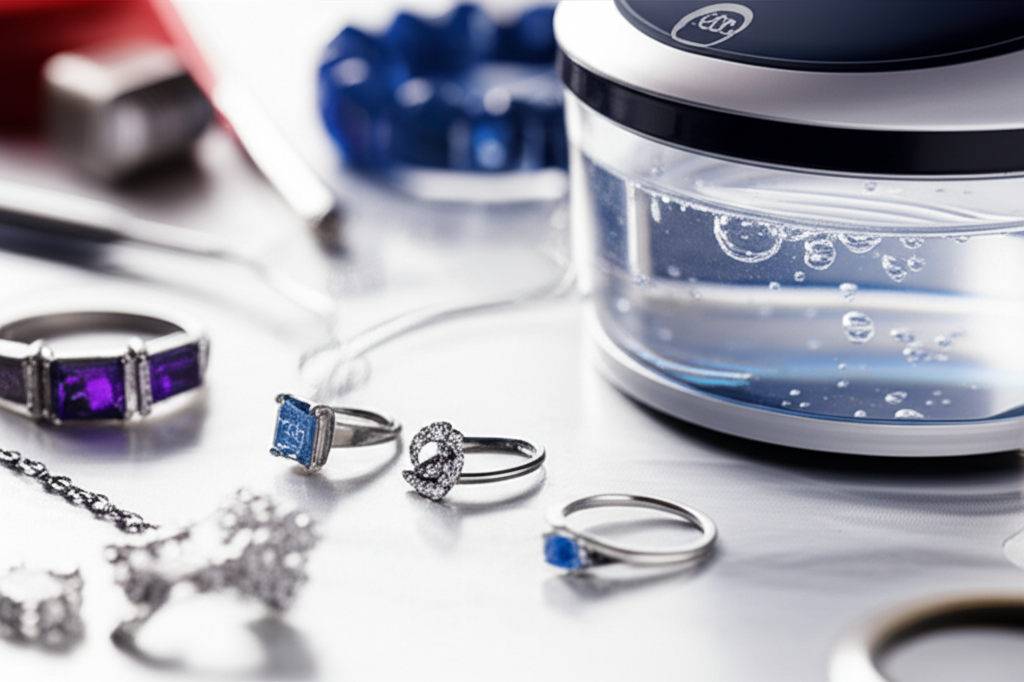
Ultrasonic jewelry cleaners use high-frequency sound waves in a water-based solution to create microscopic bubbles. These bubbles implode, generating tiny shockwaves that dislodge dirt, grime, and even microscopic debris from the jewelry’s surface and within intricate settings. They offer a powerful, deep clean without harsh chemicals.
These devices are particularly effective for jewelry with complex designs, small stones, or hard-to-reach areas. However, they are not suitable for all gemstones; porous stones like pearls, opals, and turquoise, as well as softer stones like emeralds, can be damaged by ultrasonic vibrations. Always verify your jewelry’s compatibility before using an ultrasonic cleaner.
Benefits of Ultrasonic Cleaners:
Deep cleaning for intricate designs.
Removes stubborn grime and oils.
Chemical-free cleaning option.
Fast and efficient.
Limitations:
Not suitable for all gemstones (porous, soft, or treated stones).
Can potentially loosen prongs holding stones if used excessively or with damaged settings.
Jewelry Polishing Cloths: For a Quick Shine and Tarnish Removal
Specialized jewelry polishing cloths, often infused with a gentle cleaning agent and tarnish remover, are excellent for quick touch-ups and maintaining shine. They are particularly effective for silver and gold, buffing away light tarnish and fingerprints to restore luster. These cloths are a convenient, portable option for on-the-go cleaning.
Using a polishing cloth is a simple, manual process. You gently rub the jewelry surface with the cloth, applying minimal pressure. It’s important to use a cloth specifically designed for jewelry, as household cleaning cloths can be too abrasive and may scratch delicate surfaces. Avoid using these cloths on gemstones unless specified by the manufacturer.
DIY Pro Jewelry Cleaner Recipes: Safe and Effective Options
For those who prefer a hands-on approach or want to avoid commercial chemicals, several DIY recipes can mimic the effectiveness of a pro jewelry cleaner. These methods use common household ingredients that are generally safe for most jewelry types, provided you know what’s in your pieces. Always test any DIY solution on an inconspicuous area first.
These homemade cleaners can tackle everyday grime and bring back a noticeable shine. They are a cost-effective and accessible way to maintain your jewelry’s beauty. Remember that DIY solutions are best for less delicate pieces and might not be as potent as commercial options for heavy tarnish or very intricate designs.
Ammonia-Based Cleaner: For Diamonds and Gold
A solution of one part ammonia to six parts warm water is a classic DIY pro jewelry cleaner, particularly effective for diamonds and gold. Ammonia is excellent at cutting through grease and oil, which are common culprits behind dullness. This solution can restore the sparkle to these durable materials.
This mixture should be used with caution and good ventilation. It’s generally safe for most diamonds, sapphires, and rubies, but avoid it for pearls, emeralds, opals, coral, and other softer or porous gemstones. After cleaning, rinse thoroughly and dry with a soft cloth to prevent water spots.
Ingredients:
1 part clear ammonia
6 parts warm water
Method:
1. Mix ingredients in a small bowl.
2. Soak jewelry for about 30-45 minutes.
3. Gently brush with a soft toothbrush.
4. Rinse thoroughly under cool water.
5. Dry with a lint-free cloth.
Baking Soda Paste: A Gentle Abrasive for Tough Grime
Baking soda, a mild abrasive, can be mixed with water to form a paste that helps scrub away stubborn grime and light tarnish. It’s a good option for cleaning the metal parts of your jewelry, but care must be taken with gemstones, as its abrasive nature can potentially scratch softer stones or delicate facets.
This paste is best for sturdy metals like gold and platinum. When using it, apply gentle pressure and avoid rubbing too vigorously, especially around gemstones. After cleaning, rinse the jewelry thoroughly to ensure no baking soda residue remains, which could dull the finish.
Ingredients:
2 tablespoons baking soda
1 tablespoon water (or enough to form a paste)
Method:
1. Combine baking soda and water to create a paste.
2. Gently apply the paste to the jewelry with your finger or a soft cloth.
3. Rub gently, focusing on tarnished or grimy areas.
4. Rinse thoroughly with warm water.
5. Dry with a soft cloth.
Dish Soap Solution: A Mild and Everyday Cleaner
For a simple, everyday clean, a few drops of mild dish soap in warm water can work wonders. This is one of the safest and most accessible DIY methods, suitable for most jewelry types, including those with softer stones. It effectively removes oils and everyday dirt that accumulate from wear.
This solution is ideal for regular maintenance. It’s gentle enough not to cause damage but effective enough to lift away the daily grime that dulls your jewelry. After cleaning, a thorough rinse is essential to remove all soap residue, which can otherwise leave a cloudy film.
Ingredients:
A few drops of mild dish soap (like Dawn)
1 cup warm water
Method:
1. Mix dish soap and warm water in a small bowl.
2. Soak jewelry for about 10-15 minutes.
3. Gently scrub with a soft toothbrush if needed.
4. Rinse well under cool running water.
5. Pat dry with a soft, lint-free cloth.
Cleaning Specific Gemstones and Metals Safely
Different materials require different care. Understanding the properties of your gemstones and metals is paramount to avoiding damage. What works for a diamond might ruin an opal. Always err on the side of caution and research your specific jewelry’s composition before applying any cleaner.
Consulting a jeweler or checking the manufacturer’s care instructions can provide invaluable guidance. This ensures that your cleaning routine enhances, rather than detracts from, the beauty and integrity of your cherished pieces. It’s about preserving their value and sparkle for the long haul.
Caring for Diamonds and Precious Metals (Gold, Platinum)
Diamonds are incredibly hard and durable, making them resistant to most cleaning solutions. Gold and platinum are also relatively robust. For these, ammonia-based solutions, ultrasonic cleaners, and commercial jewelry cleaners are generally safe and effective. These methods can cut through grease and oils that dull their shine.
The key is to ensure thorough rinsing and drying to prevent water spots or residue buildup. For gold, especially lower karat gold which may contain other alloys, always check if the cleaner is suitable. Polishing cloths can also be used for a quick shine on these durable materials.
Gentle Cleaning for Pearls, Opals, and Emeralds
Pearls, opals, emeralds, turquoise, and other porous or softer gemstones require a much gentler approach. They can be easily damaged by harsh chemicals, ultrasonic cleaners, and abrasive pastes. Their delicate nature means that even vigorous scrubbing can cause harm.
For these precious stones, a simple solution of mild dish soap and warm water is often the best and safest option. Use a very soft brush, or even just a soft cloth, and avoid soaking for extended periods. Always dry them immediately and gently to prevent moisture absorption or damage.
Safe Cleaning Tips:
Use mild dish soap and warm water.
Avoid soaking delicate stones.
Use a very soft brush or cloth.
Dry immediately and gently.
Never use ammonia, ultrasonic cleaners, or abrasive pastes.
Tools and Accessories for a Pro Jewelry Cleaning Kit
To achieve professional results at home, having the right tools is essential. Beyond the cleaning solution itself, a few key accessories can make the process easier, safer, and more effective. These items help you handle your jewelry with care and ensure a thorough clean.
Investing in a small set of these specialized tools can significantly elevate your jewelry cleaning game. They are relatively inexpensive and can prevent costly damage that might occur from using makeshift or inappropriate items. Think of them as essential companions to your chosen pro jewelry cleaner.
Essential Tools for Your Kit:
Soft-Bristled Brushes: Small, soft brushes (like makeup brushes or specialized jewelry brushes) are crucial for gently scrubbing intricate areas without scratching.
Lint-Free Cloths: Microfiber cloths are ideal for drying and polishing without leaving fibers or scratches.
Tweezers: Useful for safely handling small jewelry pieces in cleaning solutions.
Small Bowls: For soaking jewelry and rinsing.
Magnifying Glass: To inspect jewelry for damage or areas needing extra attention.
Jewelry Stand or Tray: To organize pieces during cleaning and drying.
The Importance of a Soft Toothbrush
A soft-bristled toothbrush is an indispensable tool for anyone cleaning jewelry at home. It’s perfect for reaching into nooks, crannies, and around stone settings where dirt and grime tend to accumulate. Its gentleness ensures that you can effectively clean without risking scratches on the metal or gemstones.
When choosing a toothbrush, opt for one labeled “extra soft” or “ultra soft.” Avoid toothbrushes with firm bristles, as they can be too abrasive. Dedicate a brush solely for jewelry cleaning to keep it hygienic and free from any toothpaste residue that could affect your pieces.
Microfiber Cloths: The Polishing Powerhouse
Microfiber cloths are a must-have for drying and polishing jewelry after cleaning. Their super-fine fibers are designed to trap dirt and moisture effectively without leaving lint behind. They provide a streak-free finish and can gently buff away fingerprints, restoring a brilliant shine to metals.
Always use clean microfiber cloths. A dirty cloth can reintroduce dirt or scratch your jewelry. Many microfiber cloths are washable, so you can keep them in good condition for repeated use. For a final polish on metals like silver, a dedicated jewelry polishing cloth offers an extra layer of shine.
How Often Should You Use a Pro Jewelry Cleaner?
The frequency of professional cleaning depends on how often you wear your jewelry and the types of pieces you own. Everyday wear means more exposure to dirt, oils, and potential damage, necessitating more frequent cleaning. Delicate or valuable pieces might warrant less frequent but more thorough cleaning.
As a general rule, aim for a deep clean with a pro jewelry cleaner every 1-3 months for regularly worn items. For pieces worn daily, like wedding rings, a quick clean with mild soap and water weekly is beneficial, followed by a deeper clean periodically. This balance ensures your jewelry remains beautiful without risking damage from over-cleaning.
Factors Influencing Cleaning Frequency
Several factors dictate how often you should reach for your pro jewelry cleaner. The environment you live and work in plays a significant role; polluted areas or environments with high humidity can accelerate tarnish. Your personal habits, such as applying lotions or perfumes directly onto jewelry, also contribute to buildup.
Daily Wear: Rings, bracelets, and earrings worn every day need more frequent attention.
Exposure to Chemicals: Jobs or hobbies involving chemicals require more diligent cleaning.
Skin Products: Lotions, soaps, and makeup can leave residues.
Environmental Factors: Humidity, pollution, and salt air can cause tarnish.
* Jewelry Type: Porous stones need less frequent and gentler cleaning.
Signs Your Jewelry Needs Cleaning
Your jewelry will often tell you when it’s time for a clean. A noticeable dullness, a lack of sparkle, or a visible film on the surface are clear indicators. For white gold or platinum, a yellowish tint might appear if heavy grime builds up. If your diamonds don’t seem as bright as they used to, it’s likely time for a pro jewelry cleaner.
Tarnish is another obvious sign, especially on silver jewelry. If you notice that your earrings feel gritty or that your necklace clasp is difficult to fasten due to buildup, these are also signals that a cleaning is due. Don’t wait for these signs to become pronounced; regular, gentle cleaning prevents major issues.
When to Seek Professional Jewelry Cleaning Services
While home cleaning methods are effective for maintenance, some situations call for professional expertise. Extremely valuable pieces, intricate antique jewelry, or pieces with significant damage or loose stones are best handled by a professional jeweler. They have specialized equipment and knowledge to address complex issues safely.
If you’re unsure about the materials of your jewelry or how to clean a particularly delicate piece, a professional cleaning is a worthwhile investment. They can also identify potential problems, such as worn prongs or hidden damage, that you might miss. This ensures the long-term safety and beauty of your treasured items.
What Professionals Offer
Professional jewelers have access to advanced cleaning techniques and equipment, including high-powered ultrasonic cleaners and steam cleaners. They can also perform minor repairs, re-tipping prongs, and polishing services that go beyond basic home cleaning. Their expertise allows them to handle a wider range of materials and conditions safely.
A professional cleaning service can provide a deep clean that restores jewelry to its original brilliance. They are trained to identify different gemstones and metals and use the appropriate methods for each. This meticulous care ensures that even the most delicate and valuable pieces are treated with the utmost respect.
Identifying Damaged or Loose Settings
Before cleaning any piece of jewelry, especially those with stones, it’s wise to inspect the settings. Look for any signs of wear, looseness, or damage to the prongs or bezels holding the gemstones. If you notice any issues, it’s best to have them repaired by a professional before attempting any cleaning, as cleaning can dislodge weakened stones.
A thorough inspection can prevent the loss of a precious stone during the cleaning process. A jeweler can assess the integrity of the settings and perform any necessary repairs, ensuring your jewelry is secure before you tackle its sparkle. This proactive step is a crucial part of responsible jewelry care.
Maintaining Your Jewelry’s Sparkle Between Cleanings
Keeping your jewelry looking its best involves more than just periodic deep cleans. Simple habits and precautions can significantly extend the time between professional cleaning sessions and help maintain its luster. These practices are easy to incorporate into your daily routine and make a big difference.
Being mindful of when and how you wear your jewelry is key. Protecting it from unnecessary exposure to harsh elements and chemicals will preserve its beauty and value. Think of these as preventative measures that keep your treasures looking their best for longer.
Proper Storage Practices
Storing your jewelry correctly is crucial for preventing scratches, tangles, and tarnish. Ideally, each piece should be stored separately in a soft pouch, lined box, or compartment designed for jewelry. This prevents harder metals or gemstones from scratching softer ones.
For silver, consider using anti-tarnish bags or strips, especially if you live in a humid environment. Keep jewelry away from direct sunlight and extreme temperatures, which can affect certain stones and metals over time. A well-organized jewelry box is your first line of defense against damage.
Protective Measures During Wear
Be mindful of when you wear your jewelry. Remove rings and bracelets before engaging in activities that could expose them to harsh chemicals, abrasives, or impact. This includes doing chores, swimming (especially in chlorinated pools or saltwater), exercising vigorously, or applying lotions and perfumes.
Perfumes and lotions can contain chemicals that dull the shine of metals and gemstones. Applying them before putting on your jewelry ensures they don’t come into direct contact. This simple habit significantly reduces the buildup of residue and the need for frequent deep cleaning.
Frequently Asked Questions About Pro Jewelry Cleaners
Q1: Can I use a pro jewelry cleaner on costume jewelry?
A: Generally, it’s best to avoid harsh pro jewelry cleaners on costume jewelry, as the plating or base metals can be sensitive and may wear away. Mild soap and water are usually sufficient for cleaning these pieces.
Q2: Will a pro jewelry cleaner remove scratches from my jewelry?
A: No, most pro jewelry cleaners are designed to remove dirt and tarnish, not to repair physical damage like scratches. Scratch removal typically requires professional polishing by a jeweler.
Q3: How do I know if a cleaner is safe for my specific gemstone?
A: Always check the cleaner’s label for compatibility. If in doubt, research your gemstone’s properties or consult a jeweler. For delicate stones like pearls or opals, stick to very mild soap and water.
Q4: Can I use toothpaste to clean my jewelry?
A: It’s generally not recommended. Toothpaste contains abrasives that can scratch softer metals and gemstones, dulling their finish over time.
Q5: How often should I check my jewelry for loose stones?
A: It’s a good practice to visually inspect your jewelry for loose stones or damaged settings at least once a month, and before any deep cleaning process.
Q6: Are DIY cleaners as effective as commercial pro jewelry cleaners?
A: For everyday grime and light tarnish, DIY cleaners can be very effective. However, commercial cleaners often have more potent formulations for tackling heavy buildup and tarnish more efficiently.
Q7: Can I clean my jewelry with rubbing alcohol?
A: Rubbing alcohol can be used for certain pieces, especially to disinfect or remove sticky residues, but it’s not a primary cleaner for dirt and tarnish. Use it sparingly and rinse thoroughly.
Conclusion: Unlock Your Jewelry’s True Radiance
Achieving that enviable, “pro-level” sparkle for your jewelry is entirely within your reach. By understanding the right methods and products, like a good pro jewelry cleaner, and applying them with care, you can ensure your precious pieces remain dazzling. Whether you opt for a specialized liquid solution, an ultrasonic cleaner, or a trusted DIY recipe, the key is to match the cleaning method to your jewelry’s materials.
Don’t let dirt and tarnish steal the brilliance from your treasured possessions. With a little effort and the right approach, you can easily maintain the stunning beauty of your rings, necklaces, bracelets, and earrings. Invest in a quality pro jewelry cleaner and the right tools, and enjoy the confidence that comes with wearing jewelry that truly shines.
