


Published on: November 7, 2025 | Updated on: November 7, 2025
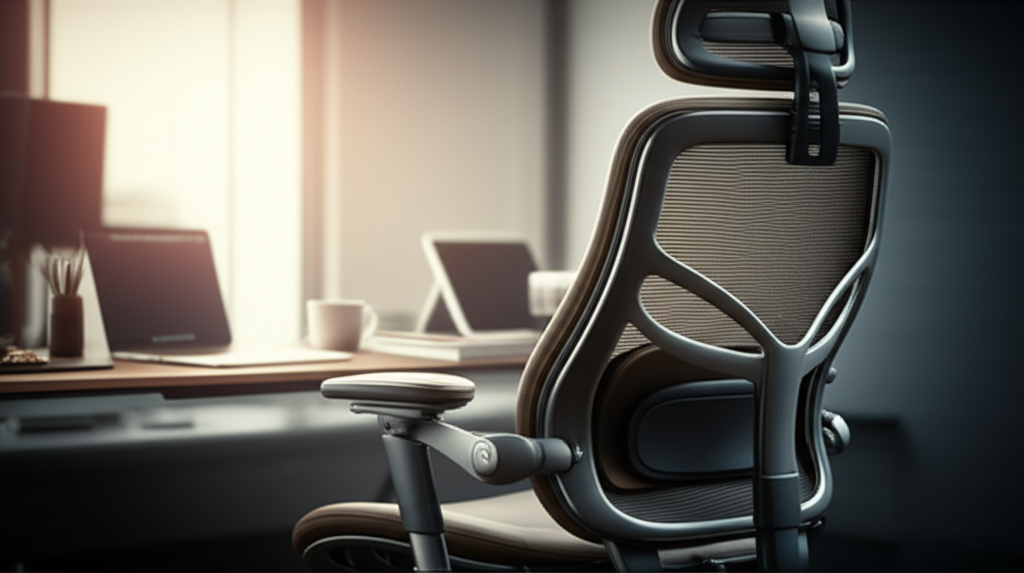
An adjustable headrest office chair offers crucial neck and head support, enhancing comfort and reducing strain during long work hours, making it a vital component of any ergonomic home office setup.
Working from home has become more common than ever. Many of us spend hours each day at our desks. This can lead to discomfort, especially in our necks and heads. An adjustable headrest office chair can be a game-changer for your comfort and well-being. It provides targeted support where you need it most. This article will guide you through everything you need to know about these chairs. We will explore their benefits, how to choose one, and why they are an essential part of a healthy home workspace.
Contents
- 1 Why an Adjustable Headrest Office Chair is a Smart Investment
- 2 Anatomy of an Adjustable Headrest Office Chair
- 3 Who Needs an Adjustable Headrest Office Chair the Most?
- 4 Key Features to Look For in an Adjustable Headrest Office Chair
- 5 Comparing Adjustable Headrest Chairs: What Works Best?
- 6 Setting Up Your Adjustable Headrest Office Chair for Maximum Benefit
- 7 The Impact of an Adjustable Headrest on Productivity and Focus
- 8 Beyond the Chair: Creating a Complete Ergonomic Workspace
- 9 Maintaining Your Adjustable Headrest Office Chair
- 10 Frequently Asked Questions About Adjustable Headrest Office Chairs
- 11 Conclusion: The Essential Role of the Adjustable Headrest Office Chair
- 12 Author
Why an Adjustable Headrest Office Chair is a Smart Investment

An adjustable headrest office chair offers significant benefits for your health and productivity. It provides support for your neck and head. This helps prevent pain and stiffness. It also encourages better posture while you work. Investing in one can lead to a more comfortable and efficient workday.
Understanding the Ergonomic Advantage
Ergonomics is about designing your workspace to fit you. A good ergonomic setup helps prevent injuries. It also improves your focus and efficiency. An adjustable headrest is a key feature for ergonomic comfort. It allows you to customize your chair for your specific needs.
Key Benefits for Your Well-being
Neck Pain Relief: The headrest supports your head. This reduces strain on your neck muscles.
Improved Posture: It encourages you to sit up straight. This helps maintain a healthy spinal alignment.
Reduced Fatigue: Proper support lessens muscle fatigue. You can work longer without feeling tired.
Enhanced Comfort: It adds a layer of comfort. This makes long sitting periods more bearable.
Injury Prevention: By reducing strain, it helps prevent chronic pain and injuries.
These benefits combine to create a healthier and more productive work environment. They are crucial for anyone spending extended periods at a desk.
Anatomy of an Adjustable Headrest Office Chair
To understand why an adjustable headrest is so important, let’s look at the parts of the chair. Most ergonomic chairs have several adjustable features. The headrest is one of the most critical for upper body support.
Components That Matter
A good office chair has several adjustable parts. These include the seat height, seat depth, armrests, lumbar support, and the headrest. Each part plays a role in your overall comfort and posture.
Seat Height: Adjusts so your feet are flat on the floor.
Seat Depth: Allows you to adjust how far the seat extends. This supports your thighs.
Armrests: Should be adjustable in height and width. They support your arms and shoulders.
Lumbar Support: Supports the natural curve of your lower back.
Headrest: Supports your head and neck. It is adjustable in height and angle.
The headrest is specifically designed to support the weight of your head. This takes pressure off your neck and spine.
How the Headrest Works
The headrest is typically attached to the back of the chair. It can usually be moved up or down. Many also allow you to tilt the headrest forward or backward. This customization ensures optimal support for your head and neck.
This ability to fine-tune the position is what makes it so valuable. It adapts to your body shape and sitting habits.
Who Needs an Adjustable Headrest Office Chair the Most?
Not everyone needs an adjustable headrest. But certain groups of people will benefit greatly. Identifying your specific needs can help you decide if this chair is right for you.
Professionals with Long Work Hours
If you spend more than six hours a day at your desk, you are at risk for discomfort. This includes office workers, programmers, writers, and designers. A headrest can significantly reduce neck and shoulder strain. Extended periods of sitting without proper support can lead to chronic issues.
Individuals with Neck or Shoulder Pain
People who already suffer from neck pain, stiffness, or shoulder discomfort will find relief. The headrest takes the load off these sensitive areas. It allows muscles to relax. This can alleviate existing pain and prevent it from worsening.
Those Seeking Optimal Posture
An adjustable headrest encourages a more upright posture. It helps keep your head aligned with your spine. This is essential for preventing slouching and maintaining good spinal health over time.
Anyone Prioritizing Comfort and Health
Even if you don’t have specific pain, prioritizing comfort is wise. An adjustable headrest office chair contributes to overall well-being. It makes your workday more pleasant and less physically taxing. It’s an investment in your long-term health.
Key Features to Look For in an Adjustable Headrest Office Chair
When shopping for an adjustable headrest office chair, several features are important. Beyond the headrest itself, consider other ergonomic elements. These ensure the chair provides comprehensive support.
Adjustability is King
The primary feature is, of course, the adjustability of the headrest. Look for:
Height Adjustment: Can it move up and down easily?
Angle/Tilt Adjustment: Can you change the angle to fit your neck curve?
Depth Adjustment (less common): Some allow the headrest to move closer or further from your head.
A headrest that can be easily adjusted to your exact needs is crucial.
Beyond the Headrest: Other Essential Features
Lumbar Support: This is vital for lower back health. It should be adjustable in height and depth.
Seat Comfort: A well-padded seat with adjustable depth is important for thigh support.
Armrest Adjustability: They should adjust in height, width, and pivot.
Recline and Tilt Lock: The ability to recline and lock your chair in different positions is useful.
Material and Breathability: Mesh backs are often preferred for breathability. Upholstered chairs offer different comfort levels.
A chair that offers multiple adjustment points ensures a custom fit. This leads to better ergonomics.
Durability and Build Quality
Check reviews for information on build quality. A sturdy frame and high-quality materials mean the chair will last. It should feel stable and supportive, not wobbly. Look for chairs with good warranties.
A chair is a long-term investment in your health. Choosing one with good build quality ensures it will serve you well for years.
Comparing Adjustable Headrest Chairs: What Works Best?
There are many types of adjustable headrest chairs available. They vary in features, price, and design. Understanding these differences helps you make an informed choice.
Different Types of Headrests
Fixed, Padded Headrests: These offer some support but lack adjustability. They are less ideal.
Adjustable Height Headrests: These move up and down. They offer basic customization.
Adjustable Height and Angle Headrests: These are the most common and effective. They provide good support.
3D/4D Adjustable Headrests: These offer the most adjustability, including height, angle, and depth. They provide the most personalized comfort.
For maximum benefit, aim for at least height and angle adjustability.
Material Matters: Mesh vs. Upholstery
Mesh: Offers excellent breathability, keeping you cool. It’s lightweight and durable. However, some find it less plush.
Upholstery (Fabric/Leather): Can be more comfortable and luxurious. Fabric is breathable; leather can be less so and may feel sticky in heat.
The choice depends on your personal preference and climate.
Price vs. Features: Finding the Right Balance
Adjustable headrest chairs range from budget-friendly to premium.
| Price Range | Typical Features | Best For |
| :———— | :——————————————————- | :——————————————————– |
| $150 – $300 | Basic height/angle adjustment, decent lumbar support | Occasional users, students, those on a tight budget |
| $300 – $600 | More robust adjustability, better materials, good lumbar | Daily users, professionals, those needing more support |
| $600+ | Premium materials, advanced 3D/4D headrests, excellent ergonomics | Heavy users, those with chronic pain, seeking top comfort |
Consider how many hours you’ll use the chair. This will help determine your budget.
Setting Up Your Adjustable Headrest Office Chair for Maximum Benefit
Proper setup is crucial for reaping the full benefits of your new chair. Even the best chair won’t help if it’s not adjusted correctly. Take the time to get it right.
Step-by-Step Adjustment Guide
1. Seat Height: Adjust so your feet are flat on the floor. Your knees should be at about a 90-degree angle.
2. Lumbar Support: Position it to support the natural curve of your lower back. It should feel comfortable and not push too hard.
3. Armrests: Adjust them so your shoulders are relaxed. Your elbows should be at about a 90-degree angle when typing.
4. Seat Depth: Ensure there’s a small gap between the edge of the seat and the back of your knees. This prevents cutting off circulation.
5. Headrest Height: Adjust it so the top of the headrest is roughly level with the top of your head. It should cradle the back of your head comfortably.
6. Headrest Angle/Tilt: Tilt it slightly forward to match the natural curve of your neck. It should feel supportive without pushing your head forward.
Take breaks and readjust if needed. Your body might need time to adjust to the new support.
Common Setup Mistakes to Avoid
Headrest too high or too low: This offers little support. It can even create new discomfort.
Headrest pushing head forward: The goal is to support, not to force your head into an unnatural position.
Ignoring other ergonomic features: The headrest is just one part. Ensure seat, back, and armrests are also adjusted.
Not testing throughout the day: Your needs might change. Re-adjust as necessary.
Correct setup ensures you get the full ergonomic advantage. It helps prevent strain and promotes good posture.
The Impact of an Adjustable Headrest on Productivity and Focus
When you’re comfortable, you can focus better. An adjustable headrest office chair contributes to this comfort. This can lead to noticeable improvements in your work.
Reducing Distractions from Discomfort
Pain and discomfort are major distractions. When your neck hurts, it’s hard to concentrate on your tasks. A supportive headrest minimizes these distractions. It allows your mind to stay focused on your work.
Enhancing Concentration and Stamina
By reducing physical strain, the chair helps you maintain focus for longer periods. You can work through tasks without needing frequent breaks due to discomfort. This increased stamina can boost your overall productivity.
Promoting a Healthier Work Routine
A comfortable setup encourages you to maintain good working habits. You’re more likely to sit correctly and avoid slouching. This contributes to a healthier lifestyle, which in turn supports better mental performance.
Investing in an ergonomic chair with a headrest is an investment in your ability to perform at your best. It removes physical barriers to concentration.
Beyond the Chair: Creating a Complete Ergonomic Workspace
While an adjustable headrest office chair is a key component, it’s not the only factor. A truly ergonomic workspace considers all elements.
Integrating Your Chair with Other Tools
Desk Height: Ensure your desk height works with your chair. Your forearms should be parallel to the floor when typing.
Monitor Placement: Position your monitor at eye level. This prevents neck strain. Use a monitor stand if needed.
Keyboard and Mouse: Keep them close to your body. Your wrists should be straight.
Footrest: If your feet don’t reach the floor comfortably, use a footrest.
These elements work together to create a balanced ergonomic setup.
The Role of Movement and Breaks
Even with the best chair, prolonged sitting is not ideal. Regular movement is essential.
Take short breaks: Stand up, stretch, and walk around every 30-60 minutes.
Incorporate movement: Consider a standing desk converter or a treadmill desk for variety.
Listen to your body: If you feel discomfort, change your position or take a break.
A healthy workspace involves both static support and dynamic movement.
Maintaining Your Adjustable Headrest Office Chair
To ensure your chair provides support for years to come, proper maintenance is important. This keeps its features working well.
Cleaning and Care
Mesh: Vacuum regularly to remove dust. Wipe down with a damp cloth and mild soap.
Upholstery: Follow manufacturer guidelines. Spot clean spills immediately with an appropriate cleaner.
Mechanisms: Occasionally check that adjustment levers and knobs are clean and move freely.
Regular cleaning keeps the chair looking good and functioning properly.
Checking for Wear and Tear
Periodically inspect the chair for any signs of damage.
Check casters: Ensure they roll smoothly.
Inspect the gas lift: Make sure it holds its height.
* Look for fraying fabric or tears: Address any upholstery issues promptly.
Addressing minor issues early can prevent bigger problems later.
Frequently Asked Questions About Adjustable Headrest Office Chairs
Q1: Is an adjustable headrest office chair necessary for everyone?
Not everyone needs one. However, if you spend long hours sitting or experience neck pain, it is highly beneficial. It significantly improves comfort and reduces strain.
Q2: How do I know if the headrest is adjusted correctly?
The headrest should comfortably support the curve of your neck and the base of your head. It should not push your head forward. You should feel relaxed, not strained.
Q3: Can a headrest make neck pain worse?
Yes, if adjusted incorrectly. A headrest that is too high, too low, or at the wrong angle can cause new discomfort. Proper adjustment is key to its benefits.
Q4: What is the difference between a headrest and a neck pillow?
A headrest is an integrated part of the chair, designed for structural support. A neck pillow is an accessory that can be added. An adjustable headrest offers more stable and customizable support.
Q5: Are chairs with adjustable headrests more expensive?
Generally, chairs with adjustable headrests tend to be more expensive than those without. This is because they offer advanced ergonomic features and customization.
Q6: How often should I adjust my headrest?
You may need to adjust it as you change positions throughout the day. Some people find their ideal position and rarely change it. Listen to your body and adjust for optimal comfort.
Conclusion: The Essential Role of the Adjustable Headrest Office Chair
An adjustable headrest office chair is more than just a chair; it’s a critical tool for maintaining your health and productivity in a home office environment. By providing targeted support for your neck and head, it alleviates strain, promotes better posture, and reduces the fatigue that can plague long work sessions. When combined with other ergonomic adjustments, it transforms your workspace into a comfortable and efficient hub. Choosing a chair with a well-designed, adjustable headrest is a wise investment in your well-being, allowing you to focus on your work rather than discomfort. Prioritize your health, and make the adjustable headrest office chair your ultimate essential for a better workday.
