


Published on: November 9, 2025 | Updated on: November 9, 2025
Metal Detector Under Water: Essential Finds Revealed
Discover the secrets of underwater metal detecting, from choosing the right waterproof detector to uncovering lost treasures like coins, jewelry, and historical relics. This guide reveals the essential finds and techniques for successful submerged treasure hunting.
Metal detecting under water opens up a whole new world of discovery. Many people lose items in lakes, rivers, and the ocean. A good underwater metal detector can help you find these lost treasures. It’s an exciting hobby that can lead to amazing finds. This guide will show you what you need to know to start your underwater detecting adventures.
Why Detect Underwater? The Allure of Submerged Treasures
Underwater metal detecting offers unique opportunities for finding lost items. People accidentally drop rings, keys, and other valuables into the water. Historical shipwrecks and submerged settlements also hold potential treasures. It’s a chance to explore places few others can reach. This kind of detecting can yield very special finds.
Choosing Your Underwater Metal Detector: Key Features to Look For
Selecting the right metal detector for underwater use is crucial. It needs to be fully waterproof, not just water-resistant. Look for detectors with good depth capabilities and discrimination features. These help you ignore trash and find valuable targets. Adjustable sensitivity and different search modes are also helpful.
Waterproof Ratings Explained

Detectors have different waterproof ratings. Some can handle rain or splashing. Others are fully submersible for diving. Always check the IP rating or submersible depth. This tells you how deep you can safely take your detector. Using a detector not rated for your intended depth can damage it.
Coil Options for Underwater Detecting
The search coil is very important for underwater work. Smaller coils are better for tight spaces and shallow water. Larger coils can detect deeper targets. Some coils are designed to reduce interference from saltwater. Consider a waterproof coil cover for added protection.
Frequency and Sensitivity: What Matters Underwater
Higher frequencies are good for small, shallow targets like gold jewelry. Lower frequencies can detect larger, deeper objects. Saltwater can affect how a detector works. Look for a detector with features to handle saltwater conditions. Adjustable sensitivity helps you fine-tune your search.
Essential Accessories for Underwater Metal Detecting
Beyond the detector, a few accessories make underwater hunting easier. A good scoop or sieve is essential for sifting sand and mud. A waterproof pinpointer helps locate targets once you’ve dug them. You’ll also need a way to carry your finds safely.
Waterproof Digging Tools
You need tools that can withstand water. A durable plastic scoop is common. Some detectorists use small trowels or sand sifters. Make sure your tools are easy to handle underwater. They should also be strong enough to dig in sand or mud.
The Importance of a Waterproof Pinpointer
Once your detector signals a target, a pinpointer helps you find it quickly. A waterproof pinpointer is a must for underwater use. It vibrates and lights up when it gets close to metal. This saves a lot of time and effort sifting through sand.
Carrying Your Finds: Waterproof Bags and Pouches
You need a way to keep your finds safe and dry. Waterproof bags or pouches are ideal. Some detectorists use mesh bags to let water drain. Ensure your collection bag is secure. You don’t want to lose your treasures back into the water.
Where to Hunt: Prime Underwater Detecting Locations
Certain locations are more likely to yield good finds. Beaches are obvious choices, especially near piers or where people swim. Lakeshores and riverbanks can also be productive. Always research local regulations before you start detecting. Some areas may have restrictions.
Beach Detecting: The Golden Rule
Beaches are popular spots for finding lost jewelry. Focus on areas where people relax or swim. The surf zone can be tricky but rewarding. High tide lines and areas around lifeguard stands are often good. Be aware of currents and waves.
Freshwater Finds: Lakes and Rivers
Lakes and rivers hold many lost items. Old swimming holes, boat launches, and docks are prime spots. Look for areas where people have historically gathered. Underwater currents can move items over time. Always check water clarity and depth.
The Thrill of Freshwater Dive Sites
Scuba diving with a metal detector can uncover significant finds. Shipwrecks, submerged structures, and historical sites offer exciting possibilities. This requires more advanced gear and training. Always prioritize safety when diving. Research the history of the area you plan to explore.
Common Underwater Finds: What Treasures Await?
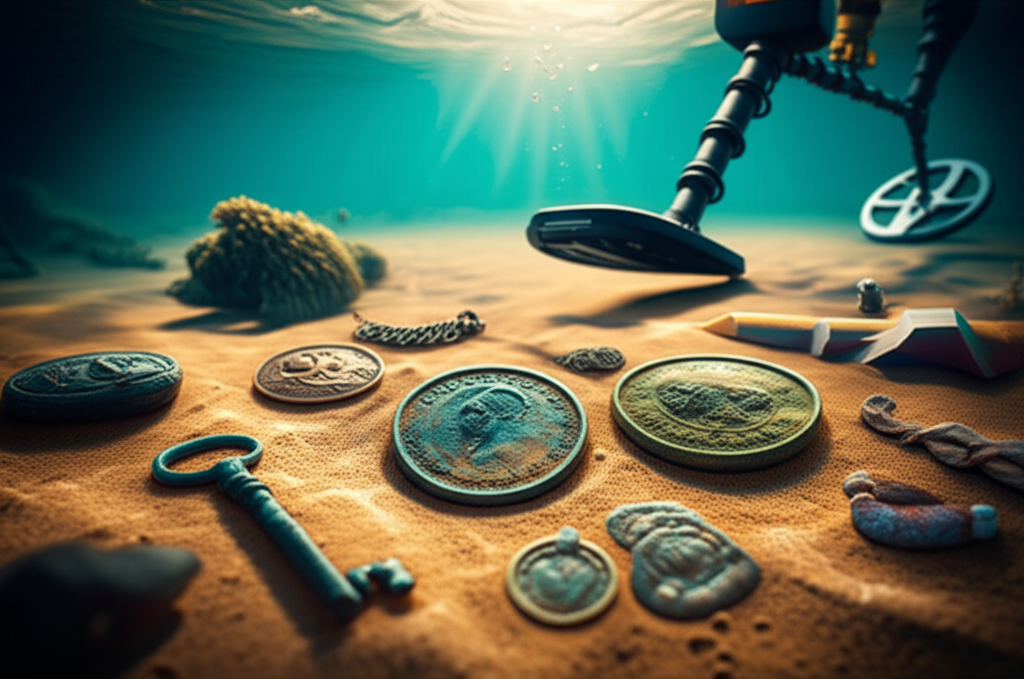
Underwater metal detectors can reveal a surprising variety of items. The most common finds are often lost personal items. However, deeper water and historical sites can yield much more. Each find tells a story.
Lost Jewelry: Rings, Bracelets, and More
Jewelry is a very common and exciting find. Rings, especially wedding bands, are often lost. Bracelets, necklaces, and earrings can also be found. These items are often made of gold or silver, making them valuable. Be prepared to find many different types of jewelry.
Coins: From Modern Change to Ancient Currency
You can find all sorts of coins underwater. Modern pocket change is common. Older coins, especially from historical periods, are more exciting. In older areas, you might even find ancient currency. Coins can tell us a lot about the past.
Relics and Historical Artifacts
Deeper water and historical sites can yield relics. These might include old tools, buckles, buttons, or even parts of shipwrecks. These items have historical value and are fascinating to discover. Always research local laws regarding historical artifact recovery. Some items may need to be reported.
Everyday Lost Items: Keys, Watches, and Tools
While not valuable, finding lost everyday items is still satisfying. Lost keys, watches, and fishing lures are common. These finds can sometimes be reunited with their owners. It’s a good feeling to help someone recover a lost possession.
Mastering Underwater Detecting Techniques
Success underwater requires specific techniques. Understanding how your detector works in water is key. Practice in shallow, clear water first. Learn to interpret the signals accurately. Patience is your greatest asset.
Understanding Signal Interpretation Underwater
Water can affect how metal detectors perform. Saltwater can cause false signals. Learn to distinguish between trash signals and good targets. Practice with known targets in different water conditions. Your pinpointer will be invaluable here.
Navigating Currents and Water Conditions
Always be aware of your surroundings. Strong currents can be dangerous. Check the weather forecast before you go. If the water is murky, take extra precautions. Safety should always come first.
The Art of Sifting and Recovery
Once you have a signal, use your scoop to sift the material. Gently sift sand or mud to reveal the target. Use your pinpointer to narrow down the location. Recover your target carefully to avoid damage.
Maintaining Your Underwater Metal Detector
Proper care ensures your detector lasts. After each use, rinse it thoroughly with fresh water. This removes salt, sand, and dirt. Dry it completely before storing. Check the seals and battery compartment for damage.
Legal and Ethical Considerations for Underwater Detecting
Always be aware of the laws in your area. Some waters are protected, like historical sites or marine parks. Get permission if you are detecting on private property. Practice good stewardship of the environment. Leave no trace of your activity.
Frequently Asked Questions About Underwater Metal Detecting
What is the best metal detector for underwater use?
The best detector depends on your budget and needs. Brands like Garrett, Minelab, and Nokta Makro offer excellent waterproof models. Look for features like VLF or Pulse Induction technology and full submersion ratings.
Can I use a regular metal detector underwater?
No, most regular metal detectors are not waterproof. They are usually only water-resistant. Using a non-waterproof detector in water will likely damage it. Always use a detector specifically designed for underwater use.
What kind of finds can I expect underwater?
You can find lost jewelry, coins, relics, and everyday items like keys and watches. Historical sites and shipwrecks can yield more significant artifacts. The types of finds depend heavily on the location.
Is it safe to metal detect underwater?
It can be safe if you take proper precautions. Always be aware of water depth, currents, and water quality. If diving, ensure you have the necessary training and equipment. Never detect alone in deep or challenging conditions.
Do I need a special license to metal detect underwater?
This varies by location. Some areas, like protected historical sites or marine parks, may require permits or prohibit detecting. Always research local laws and regulations before you start.
How deep can an underwater metal detector go?
This depends on the specific detector model. Many recreational underwater detectors are rated for depths of 10-20 feet (3-6 meters). More advanced dive detectors can go much deeper. The coil’s ability to sense metal also determines depth.
Conclusion: Dive In and Discover Your Next Treasure
Metal detecting under water is an incredibly rewarding hobby. With the right equipment and knowledge, you can uncover amazing finds. From lost jewelry on sandy beaches to historical relics in freshwater lakes, the possibilities are vast. Remember to prioritize safety, respect the environment, and always check local regulations. Happy hunting, and may your underwater metal detector lead you to incredible discoveries!
