


Published on: August 30, 2025 | Updated on: August 30, 2025
Restore the gleam to your cherished UniSilver necklace with these simple, effective cleaning methods. Learn how to bring back its original sparkle and keep it looking its best, preventing tarnish and damage with expert advice.
Your favorite UniSilver necklace, a treasured piece of jewelry, can sadly lose its shine over time due to tarnish and everyday grime. It’s a common frustration when that beloved accessory dulls, making you wonder if its sparkle is gone forever. But fear not! With a few straightforward techniques and readily available household items, you can easily restore your UniSilver necklace to its former glory. I’m here to guide you through the best ways to clean it, ensuring it remains a radiant part of your collection for years to come.
Why Does Your UniSilver Necklace Tarnish?
Tarnish on your UniSilver necklace is primarily caused by a chemical reaction between the silver and sulfur compounds present in the air. Exposure to moisture, humidity, perfumes, lotions, and even certain foods can accelerate this process. Understanding these culprits helps in preventing future discoloration and maintaining your necklace’s brilliant shine.
The Science Behind Silver Tarnish

Silver is a reactive metal that readily combines with sulfur to form silver sulfide, a dark, flaky compound. This is what we see as tarnish. The rate of this reaction is influenced by environmental factors and what your necklace comes into contact with daily.
Essential Tools and Materials for Cleaning Your UniSilver Necklace
Before we dive into the cleaning methods, let’s gather what you’ll need. Having the right supplies on hand makes the process smoother and more effective. These items are generally found around the house or are easily accessible.
What You’ll Need:
Mild Dish Soap: A gentle cleanser to lift surface dirt and oils.
Warm Water: The ideal temperature for dissolving grime without damaging the silver.
Soft Cloths: Microfiber cloths are best for polishing without scratching.
Cotton Swabs: Perfect for reaching intricate details and crevices.
A Small Bowl or Container: To hold your cleaning solution.
Optional: Baking Soda or Toothpaste: For tougher tarnish, used with caution.
Optional: Silver Polishing Cloth: Specifically designed for silver jewelry.
Optional: Aluminum Foil: For a chemical-free tarnish removal method.
Gentle Cleaning: The Everyday Sparkle Method
For regular upkeep and to remove light tarnish and dirt, a simple soap-and-water method is highly effective and safe for your UniSilver necklace. This is the go-to technique for maintaining its luster without harsh chemicals. It’s a quick way to refresh your jewelry.
Step-by-Step Gentle Cleaning:
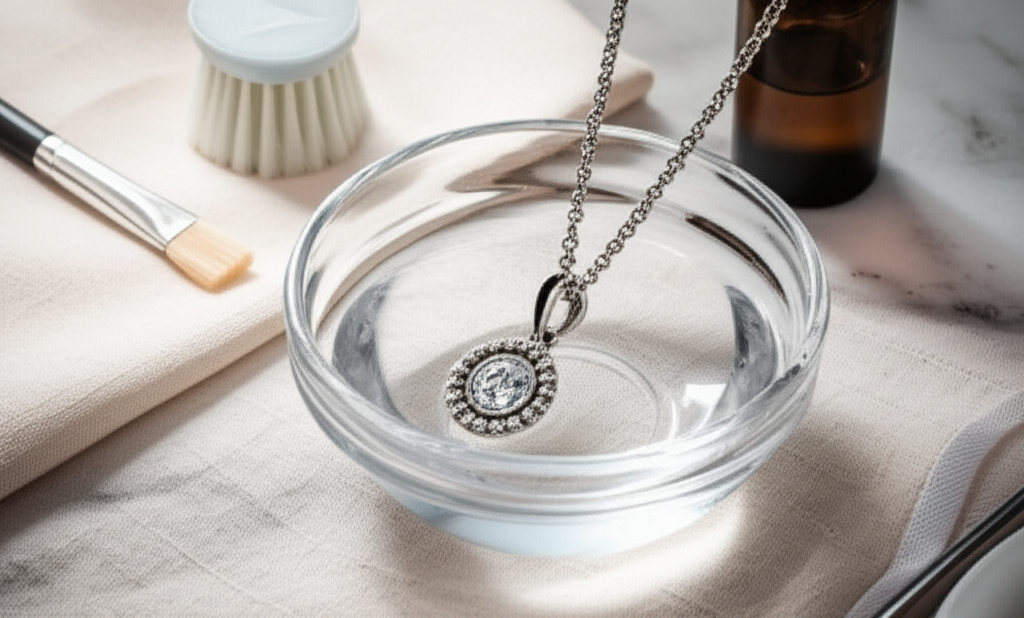
1. Prepare the Solution: Mix a few drops of mild dish soap with warm water in a small bowl.
2. Submerge the Necklace: Place your UniSilver necklace into the soapy water and let it soak for a few minutes.
3. Gentle Scrubbing: Use a soft cloth or a cotton swab to gently rub away any visible dirt or tarnish. Pay attention to the chain links and any intricate settings.
4. Rinse Thoroughly: Rinse the necklace under cool running water to remove all soap residue.
5. Dry and Polish: Pat the necklace dry with a clean, soft cloth. Then, use a dry part of the cloth or a dedicated silver polishing cloth to buff it to a shine.
This method is excellent for preventing tarnish buildup and keeping your necklace looking its best with minimal effort. It’s a safe, everyday approach to jewelry care.
Tackling Tougher Tarnish with Baking Soda
When your UniSilver necklace shows more stubborn tarnish, baking soda can be a surprisingly effective yet gentle abrasive. It’s a natural cleaner that can lift away discoloration without the harshness of commercial products. However, it’s crucial to use it correctly to avoid scratching.
Using Baking Soda Safely:
1. Create a Paste: Mix baking soda with a small amount of water to form a thick paste.
2. Apply the Paste: Gently apply the paste to the tarnished areas of your necklace using your fingers or a soft cloth.
3. Gentle Rubbing: Lightly rub the paste over the tarnish. Avoid vigorous scrubbing, especially on delicate chains or intricate designs.
4. Rinse Well: Rinse the necklace thoroughly under cool water to remove all traces of the baking soda paste.
5. Dry and Buff: Dry the necklace completely with a soft cloth and then buff it to a shine.
Be cautious with this method, as excessive rubbing with baking soda can potentially cause micro-scratches on the silver surface over time. Always test on an inconspicuous area if you’re concerned.
The Toothpaste Method: A Cautious Approach
Toothpaste, particularly non-gel, white varieties, contains mild abrasives that can help remove tarnish. While it can be effective, it’s a method to use with extreme caution. Many toothpastes contain ingredients that could potentially damage or scratch your delicate UniSilver necklace if not used carefully.
How to Use Toothpaste (With Care):
1. Choose the Right Toothpaste: Opt for a plain white, non-gel toothpaste without whitening agents or added crystals.
2. Apply Sparingly: Put a tiny amount of toothpaste onto a damp, soft cloth.
3. Gentle Application: Gently rub the tarnished areas of your necklace. Use minimal pressure and focus on the tarnish itself.
4. Rinse Thoroughly: Rinse the necklace immediately and thoroughly under cool running water. Ensure no toothpaste residue remains.
5. Dry and Polish: Dry the necklace with a soft cloth and buff to a shine.
I generally recommend this method only for very stubborn spots and with extreme gentleness. It’s often better to stick to milder options if possible.
The Aluminum Foil and Baking Soda Method: A Chemical-Free Solution
For a remarkably effective, chemical-free way to remove tarnish, the aluminum foil and baking soda method is a game-changer. This technique uses an electrochemical reaction to lift the tarnish away from the silver. It’s surprisingly simple and incredibly satisfying to watch your necklace regain its luster.
Steps for the Foil Method:
1. Prepare the Container: Line a glass or ceramic bowl with aluminum foil, shiny side up.
2. Add Baking Soda: Sprinkle about two tablespoons of baking soda over the aluminum foil.
3. Submerge the Necklace: Place your UniSilver necklace on top of the baking soda and foil. Ensure it makes contact with both.
4. Pour Hot Water: Carefully pour hot (not boiling) water into the bowl until the necklace is fully submerged. You should see a slight fizzing action.
5. Let it Sit: Allow the necklace to soak for 5-10 minutes, or until the tarnish visibly disappears.
6. Rinse and Dry: Remove the necklace, rinse it thoroughly under cool water, and dry it completely with a soft cloth. Buff to a shine.
This method is a fantastic alternative for those who prefer to avoid chemicals. It’s also very effective for intricate pieces where scrubbing is difficult.
Using a Silver Polishing Cloth
A dedicated silver polishing cloth is an investment that pays off in maintaining the brilliance of your UniSilver necklace. These cloths are impregnated with a non-toxic polishing agent that buffs away tarnish and protects the silver. They are specifically designed for cleaning and caring for silver jewelry.
How to Use a Silver Polishing Cloth:
1. Initial Wipe: Gently wipe your necklace with a soft, dry cloth to remove any loose dust or debris.
2. Buffing: Take your silver polishing cloth and rub the tarnished areas of the necklace. Use firm, even strokes.
3. Polishing Intricate Areas: For chains and small details, you might need to fold the cloth to get into tight spots.
4. No Rinsing Needed: Unlike other methods, you do not need to rinse the necklace after using a silver polishing cloth.
5. Storage: Store the polishing cloth in a sealed plastic bag to maintain its effectiveness.
This is arguably the easiest and most convenient method for regular maintenance and restoring shine. It’s a professional touch you can easily do at home.
Cleaning Different Types of UniSilver Necklaces
UniSilver necklaces come in various designs, from simple chains to elaborate pendants with gemstones. The cleaning method you choose might need slight adjustments based on the necklace’s specific features to ensure the safety of all components. Delicate settings or gemstones require extra care.
Cleaning Chains vs. Pendants
Chains: Most chain designs can handle gentle rubbing with a polishing cloth or a mild soap solution. For intricate link chains, cotton swabs can be very helpful.
Pendants with Gemstones: If your UniSilver necklace has gemstones, avoid soaking them in any solution, especially if they are porous (like pearls or opals) or treated. Gently wipe the metal parts with a damp cloth and a tiny bit of mild soap, and use a dry cotton swab to clean around the stones.
Always ensure that any cleaning solution does not come into prolonged contact with gemstones or pearls, as this can cause damage or dull their luster.
Important Precautions and What to Avoid
While cleaning your UniSilver necklace, it’s essential to be aware of practices that could cause damage. Avoiding certain substances and rough handling will help preserve your jewelry’s integrity and shine for a long time.
Things to Avoid:
Harsh Chemicals: Never use bleach, ammonia, or abrasive cleaners not specifically designed for jewelry. These can cause irreversible damage.
Scrubbing with Abrasive Materials: Avoid using steel wool, rough sponges, or abrasive brushes, as they will scratch the silver.
Ultrasonic Cleaners: While effective for some jewelry, ultrasonic cleaners can dislodge stones or damage delicate settings in certain necklaces. Use with caution or avoid if unsure.
Chlorine: Avoid exposing your necklace to chlorine in swimming pools or hot tubs, as it can cause significant tarnishing and damage.
Storing in Humid Environments: Keep your necklace in a dry place, preferably in a jewelry box or a sealed pouch to minimize exposure to air and moisture.
By adhering to these precautions, you ensure that your cleaning efforts enhance, rather than detract from, your necklace’s beauty.
How to Prevent Tarnish on Your UniSilver Necklace
Prevention is always better than cure. By taking a few proactive steps, you can significantly reduce the rate at which your UniSilver necklace tarnishes, keeping it looking brighter for longer. Proper storage and mindful wear are key.
Tarnish Prevention Tips:
Wear it Regularly: The natural oils from your skin can help keep silver clean and prevent tarnish.
Wipe After Wearing: Always wipe your necklace with a soft cloth after each wear to remove oils, sweat, and cosmetic residues.
Store Properly: Keep your UniSilver necklace in an airtight plastic bag or a jewelry box with anti-tarnish lining.
Avoid Contact with Chemicals: Remove your necklace before applying lotions, perfumes, hairspray, or cleaning products.
Keep it Dry: Avoid wearing your necklace while swimming, showering, or exercising vigorously.
Implementing these habits will greatly extend the time between cleanings and maintain your necklace’s pristine appearance.
Frequently Asked Questions About Cleaning UniSilver Necklaces
Here are answers to some common questions people have when it comes to cleaning their UniSilver necklaces.
What is the fastest way to clean a tarnished silver necklace?
The aluminum foil and baking soda method with hot water is generally the fastest and most effective chemical-free way to remove significant tarnish. For minor upkeep, a silver polishing cloth works quickly.
Can I use mouthwash to clean my silver necklace?
No, it is not recommended. Mouthwash often contains alcohol and other ingredients that can be too harsh and may damage or discolor your silver necklace.
How often should I clean my UniSilver necklace?
This depends on how often you wear it and the environmental conditions. For everyday wear, a gentle wipe-down after each use is ideal. A deeper clean using one of the methods described should be done every few months or when you notice visible tarnish.
Can I use toothpaste on my UniSilver necklace if it has cubic zirconia?
While toothpaste can clean silver, it’s risky with stones like cubic zirconia. The abrasives in toothpaste could potentially dull or scratch the stones. It’s safer to use a mild soap and water solution or a silver polishing cloth, avoiding direct contact with the stones.
How do I clean the clasp and fine details on a UniSilver necklace?
Use a cotton swab dipped in a mild soap and water solution or a jewelry cleaning solution. Gently rub the clasp and intricate areas. Rinse carefully with a damp cotton swab and dry thoroughly with a soft cloth.
Conclusion: Keeping Your UniSilver Necklace Shining Bright
Maintaining the sparkle of your UniSilver necklace doesn’t require expensive products or complicated procedures. By understanding the causes of tarnish and employing gentle, consistent cleaning methods, you can ensure your favorite accessory remains as beautiful as the day you bought it. From simple soap and water to the surprisingly effective aluminum foil trick, there’s a solution for every level of tarnish. Remember to handle your jewelry with care, avoid harsh chemicals, and store it properly to minimize future tarnishing. With these tips on how to clean your UniSilver necklace, you’re well-equipped to keep its essential sparkle for years to come, making it a timeless addition to your collection.
