


Published on: September 3, 2025 | Updated on: September 3, 2025
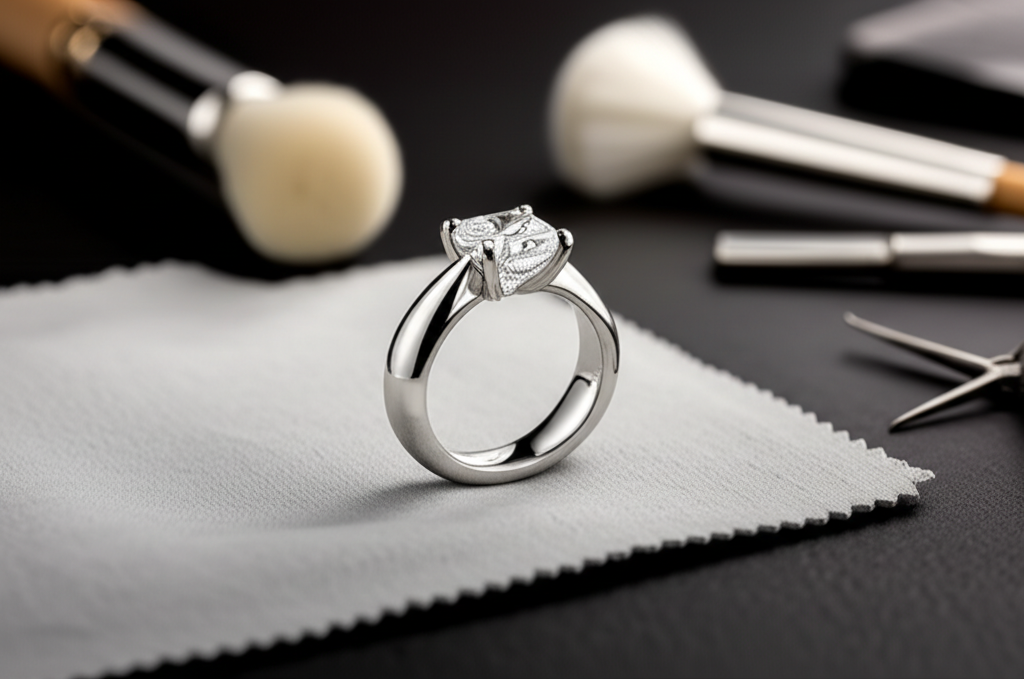
Achieve a dazzling, like-new shine on your platinum ring with this comprehensive guide on how to polish a platinum ring, covering safe DIY methods and essential tools.
Platinum, a precious metal celebrated for its enduring luster and strength, can lose its brilliance over time due to everyday wear. Scratches and dullness can accumulate, making your cherished piece look less than its best. But don’t worry, restoring that factory-fresh gleam is entirely achievable at home with the right approach. This guide will walk you through everything you need to know on how to polish a platinum ring, ensuring you can bring back its ultimate shine safely and effectively.
Why Does Platinum Lose Its Shine?
Platinum’s signature matte finish, often called a “patina,” develops over time with normal wear, accumulating microscopic scratches that diffuse light. These aren’t necessarily deep damage but rather surface-level marks that can dull the metal’s inherent reflectivity. Understanding this natural process helps in appreciating the metal and knowing when a polish is needed.
The Nature of Platinum’s Patina

Over time, the constant friction from daily activities creates tiny abrasions on the surface of your platinum ring. These micro-scratches, while not typically deep enough to cause structural damage, gradually build up. They scatter light rather than reflecting it cleanly, leading to a less brilliant appearance.
Is It Safe to Polish a Platinum Ring at Home?
Yes, with caution and the right tools, it’s generally safe to polish a platinum ring at home. Unlike gold, platinum is a very dense and hard metal, meaning it withstands polishing much better without significant material loss. However, always opt for gentle methods to avoid removing intricate details or settings.
Understanding Platinum’s Durability
Platinum’s impressive hardness and density mean it’s less prone to scratching than many other precious metals. When it does get scratched, the metal is displaced rather than removed, which is why it tends to develop a patina. This inherent resilience makes it a good candidate for home polishing if done carefully.
Gathering Your Platinum Ring Polishing Supplies
To effectively polish your platinum ring, you’ll need a few key items. Having the right tools ensures a safe and effective polishing process, preventing damage and achieving the best results. Let’s get your toolkit ready for this simple yet rewarding task.
Essential Tools and Materials
Soft Polishing Cloth: A microfiber cloth or a dedicated jewelry polishing cloth is crucial. Avoid abrasive materials that can cause new scratches.
Mild Soap: Dish soap or a gentle jewelry cleaner works well for initial cleaning.
Warm Water: For rinsing away soap and debris.
Soft Bristle Brush: An old, soft toothbrush is perfect for gently cleaning crevices.
Jeweler’s Rouge (Optional but Recommended): This is a very fine polishing compound, often in paste or wax form, specifically designed for precious metals. It’s the secret weapon for that ultimate shine.
Cotton Swabs or Felt Bob: For applying rouge and polishing small areas.
Magnifying Glass (Optional): To inspect your work and ensure no debris remains.
Step-by-Step Guide: How to Polish a Platinum Ring for Ultimate Shine
Following these steps will help you safely restore the luster to your platinum ring. Each stage is designed to prepare the ring and then gently bring back its original sparkle. Patience is key to achieving a professional-looking finish.
Step 1: Thoroughly Clean Your Platinum Ring
Before you even think about polishing, a thorough cleaning is essential. This removes any surface dirt, oils, or lotions that could interfere with the polishing process or cause new scratches. A clean surface ensures the polish works directly on the metal.
1. Mix a few drops of mild dish soap with warm water in a small bowl.
2. Submerge your platinum ring in the soapy water for a few minutes.
3. Use a soft-bristled toothbrush to gently scrub all surfaces of the ring, paying attention to any intricate details or settings.
4. Rinse the ring thoroughly under cool running water.
5. Pat the ring dry with a soft, lint-free cloth.
Step 2: Apply a Jewelers Rouge for Polishing
Jeweler’s rouge is a very fine abrasive compound that buffs out minor imperfections and restores shine. It’s what professionals use to achieve that mirror-like finish. Applying it correctly is crucial for a flawless result.
1. Take a small amount of jeweler’s rouge (a pea-sized amount is usually sufficient) and place it on a cotton swab or felt bob.
2. Gently rub the rouge over the surface of the platinum ring. Use a light, consistent pressure in a circular or back-and-forth motion, following the contours of the ring.
3. Focus on areas that appear dull or have minor surface scratches. Be careful not to apply excessive pressure, especially around delicate settings.
4. Work in small sections, ensuring even coverage.
Step 3: Buff and Polish to a High Shine
After applying the rouge, it’s time to buff it into the metal and reveal the shine. This step requires a clean cloth to remove the rouge and bring out the luster.
1. Using a clean, soft polishing cloth (like microfiber or a dedicated jewelry polishing cloth), gently buff the ring.
2. Continue buffing until all traces of the jeweler’s rouge are removed and the platinum begins to gleam.
3. You may need to use a fresh section of the cloth or switch to a new one as the rouge transfers. For intricate areas, a cotton swab can be helpful for buffing.
4. Inspect your work with the magnifying glass if you have one. If desired shine isn’t achieved, you can reapply a tiny amount of rouge and repeat the buffing process.
Step 4: Final Rinse and Dry
Once you’re satisfied with the shine, a final rinse ensures all polishing compound residue is gone. A proper dry prevents water spots and leaves your ring looking pristine.
1. Gently rinse the ring under lukewarm water to remove any remaining jeweler’s rouge.
2. Use a soft, lint-free cloth to carefully dry the ring completely. Ensure no moisture is trapped in crevices or settings.
3. Admire your newly polished platinum ring!
Alternative Polishing Methods: What to Use If You Don’t Have Rouge
While jeweler’s rouge is the professional’s choice, you might be wondering how to polish a platinum ring if you don’t have it readily available. There are a couple of DIY alternatives, but they require extra caution. These methods are best for very minor dullness rather than noticeable scratches.
Using Baking Soda Paste
A paste made from baking soda and water can act as a very mild abrasive. It’s a common household item that can help lift light tarnish and restore some shine. Always use the gentlest approach possible.
1. Mix baking soda with a small amount of water to create a thick paste.
2. Apply the paste to the ring using a soft cloth or your fingertip.
3. Gently rub the paste over the platinum surface in a circular motion.
4. Rinse the ring thoroughly with water and dry with a soft cloth.
Using Toothpaste (Use with Extreme Caution!)
Some sources suggest using a non-gel, white toothpaste as a polishing agent. Toothpaste contains very fine abrasives. However, this method carries a higher risk of scratching, especially if the toothpaste contains harsh grit. It’s best avoided for valuable pieces unless absolutely necessary and done with extreme gentleness.
1. Apply a tiny amount of plain white, non-gel toothpaste to a soft cloth.
2. Gently rub the ring with the toothpaste, using minimal pressure.
3. Rinse immediately and thoroughly with water.
4. Dry with a soft cloth.
What Not to Do When Polishing Platinum
Just as important as knowing what to do is understanding what to avoid. Certain actions can damage your platinum ring, undoing any polishing efforts or causing irreparable harm. Steer clear of these common mistakes.
Avoid Abrasive Materials
Never use coarse cloths, steel wool, abrasive cleaners, or harsh chemicals on your platinum jewelry. These materials are too aggressive and will create new, deeper scratches, significantly dulling the finish. Always opt for the softest materials available.
Be Gentle with Settings and Engravings
When polishing, be especially careful around the gemstone settings and any engraved details. Excessive rubbing or pressure in these areas can loosen stones or wear away intricate designs. Use cotton swabs or very fine cloths to navigate these delicate parts.
Don’t Over-Polish
While platinum is durable, repeated aggressive polishing can eventually thin the metal, particularly on raised areas or edges. Stick to polishing only when necessary and use the least abrasive method that achieves the desired result.
How Often Should You Polish a Platinum Ring?
The frequency of polishing depends entirely on how often you wear your ring and the activities you engage in. If you wear your ring daily and are active, you might notice dullness within a few months. For less frequent wear, it could be a year or more.
Signs Your Platinum Ring Needs Polishing
Visible Dullness: The most obvious sign is a loss of shine and a general matte appearance that wasn’t there before.
Accumulated Micro-Scratches: While you can’t see them individually, a general haziness across the surface indicates many small scratches have formed.
Reduced Reflectivity: The ring no longer catches the light as it used to.
Professional Polishing Services: When to Call the Experts
For deep scratches, significant damage, or if you’re hesitant about DIY polishing, professional services are an excellent option. Jewelers have specialized tools and expertise to restore your platinum ring safely and effectively. They can also check the security of your settings.
Benefits of Professional Jewelry Cleaning and Polishing
Jewelers use ultrasonic cleaners to remove stubborn dirt and specialized polishing machines for a superior finish. They can also identify any potential issues with your ring’s structure or gemstone settings that you might miss. A professional service ensures the highest quality restoration for your treasured piece. You can find reputable jewelers through recommendations or by looking for members of professional jewelry associations like the Jewelers of America.
Maintaining Your Platinum Ring’s Shine Between Polishes
Proper care between polishing sessions can significantly extend the time between needing to buff your ring. Simple daily habits can make a big difference in preserving its luster. Think of it as preventative maintenance for your precious metal.
Daily Care Tips
Remove Your Ring: Take off your platinum ring before engaging in activities that could scratch or damage it, such as gardening, cleaning, exercising, or using abrasive products.
Store Properly: When not wearing it, store your ring in a separate, soft-lined jewelry box or pouch to prevent it from scratching other jewelry or being scratched itself.
* Gentle Cleaning: Periodically clean your ring with mild soap and water as described in Step 1 to remove everyday grime and oils.
Frequently Asked Questions About Polishing Platinum Rings
Here are answers to some common questions about keeping your platinum ring looking its best.
Can I use a polishing cloth on my platinum ring every day?
Yes, a soft, clean jewelry polishing cloth can be used daily to gently wipe away fingerprints and light smudges, helping to maintain its shine. However, avoid using cloths with polishing compounds daily, as this can lead to over-polishing.
Will polishing remove engravings on my platinum ring?
Gentle polishing with a fine cloth or mild compound is unlikely to significantly affect most engravings. However, very deep or delicate engravings can be subtly softened with repeated polishing. Professionals can often work around engravings to preserve them.
Is it okay to wear my platinum ring while swimming?
It’s best to remove your platinum ring before swimming. Chlorine in pools and salt in ocean water can react with alloys in platinum (though platinum itself is very stable), potentially causing discoloration or damage to gemstones over time.
What is the difference between polishing and cleaning a platinum ring?
Cleaning removes surface dirt, oils, and debris using soap and water. Polishing, on the other hand, is a process that uses fine abrasives to buff out minor scratches and restore the metal’s luster, creating a smoother, shinier surface.
Can I use silver polish on my platinum ring?
No, you should never use silver polish on platinum. Silver polishes contain chemicals and abrasives specifically designed for silver, which can be too harsh for platinum and may damage its finish or any gemstones.
Conclusion: Your Platinum Ring, Reimagined
Keeping your platinum ring looking its absolute best is a rewarding process that doesn’t require complex tools or professional intervention for most minor issues. By understanding how to polish a platinum ring safely and effectively, you can easily restore its brilliant shine and preserve its beauty for years to come. Remember to always start with gentle cleaning, use fine polishing compounds like jeweler’s rouge with a soft applicator, and finish with a thorough buffing. Regular care and occasional polishing will ensure your platinum piece remains a stunning statement of enduring elegance.
