


Published on: September 3, 2025 | Updated on: September 3, 2025
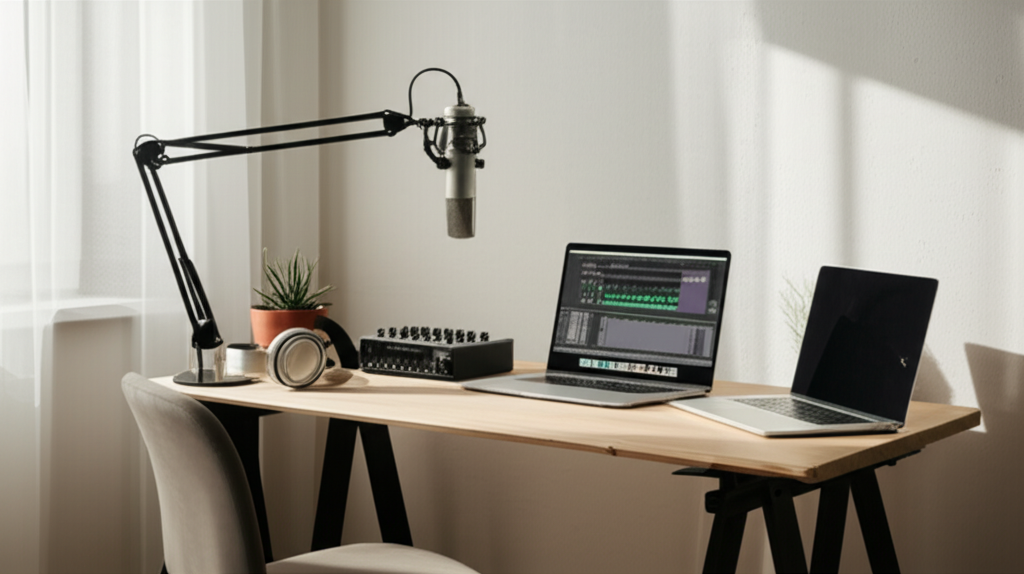
Transform your compact living space into a powerful creative hub with a smart, small home office featuring an essential, genius podcasting setup. Discover clever design hacks and essential gear to boost productivity and sound quality, making every square inch work for your content creation dreams.
Working from home has become the new normal for many, and for creatives, entrepreneurs, and hobbyists alike, the desire to carve out a dedicated space for productivity and passion projects is stronger than ever. But what happens when your living quarters are on the cozy side? Fear not! Creating a functional and inspiring creative small home office with podcasting setup is entirely achievable, even in the tightest of spaces. It’s about smart design, essential gear, and a touch of genius organization. I’m here to guide you, just like a knowledgeable friend, through transforming your limited space into a highly productive and aesthetically pleasing creative sanctuary that also happens to be a killer podcasting studio. We’ll cover everything from furniture that works double-duty to the essential audio equipment that won’t break the bank or overwhelm your room. Get ready to unlock your creative potential and elevate your podcasting game, all within your compact abode.
Contents
- 1 The Ultimate Small Home Office Layout for Creatives
- 2 The Genius Podcasting Setup: Essential Gear for Small Spaces
- 3 Ergonomics and Comfort: Prioritizing Well-being
- 4 Lighting the Way: Enhancing Ambiance and Productivity
- 5 Organization and Storage: Declutter for Clarity
- 6 Decor and Personalization: Infusing Your Style
- 7 Productivity Hacks for Your Small Office
- 8 Optimizing Your Podcasting Workflow
- 9 Frequently Asked Questions (FAQ)
- 10 Conclusion: Your Creative Sanctuary Awaits
- 11 Author
The Ultimate Small Home Office Layout for Creatives

A well-designed layout is the bedrock of any successful home office, especially in a small space. The goal is to maximize functionality without sacrificing comfort or aesthetic appeal. Think about how you move around your space and what needs to be within easy reach.
Maximizing Every Inch: Smart Furniture Choices
When space is at a premium, every piece of furniture needs to earn its keep. Opt for items that are not only functional but also adaptable and space-saving. This is where creativity truly shines.
Choosing the right desk is paramount for your creative small home office with podcasting setup. Consider a corner desk to utilize often-unused space, or a wall-mounted floating desk that can be folded away when not in use. A desk with built-in storage can also be a lifesaver.
Essential Furniture for Small Spaces:
Compact Desk: Look for desks designed for smaller rooms, perhaps with a shallower depth or a corner configuration. Many minimalist desks offer ample workspace without feeling bulky.
Ergonomic Chair: Don’t skimp here. An ergonomic chair is crucial for comfort during long work sessions, preventing back pain and improving focus. Invest in one that offers good lumbar support and adjustability.
Vertical Storage: Utilize wall space with shelves, wall-mounted cabinets, or pegboards. This keeps your desk clutter-free and your essentials accessible.
Multi-functional Pieces: Consider a storage ottoman that can double as extra seating or a footrest. A rolling cart can serve as portable storage for your podcasting gear or office supplies.
This thoughtful selection ensures your creative small home office with podcasting setup feels open and inviting, not cramped and overwhelming.
Defining Your Workspace Zone
Even in a studio apartment or a shared living area, clearly defining your workspace is vital for mental focus and productivity. This separation helps signal to your brain that it’s time to work.
Use visual cues to delineate your office area. This could be a strategically placed rug, a bookshelf acting as a subtle divider, or even a change in wall color or lighting. The key is to create a distinct zone that is yours alone.
This boundary is especially important when you’re setting up your creative small home office with podcasting setup, as it helps minimize distractions and maintain a professional atmosphere for your recordings. A clear zone means a clearer mind.
The Genius Podcasting Setup: Essential Gear for Small Spaces
A professional-sounding podcast doesn’t require a massive studio. With the right equipment, you can achieve excellent audio quality even in your creative small home office with podcasting setup. The focus is on quality over quantity, and strategic placement.
Microphone Magic: Your Sonic Foundation
The microphone is arguably the most critical piece of equipment for any podcaster. Choosing the right one for your small space is key to capturing clear, crisp audio.
For small home offices, dynamic microphones are often preferred. They are less sensitive to background noise and room acoustics, which is a huge advantage in less-than-ideal recording environments. USB microphones are also incredibly user-friendly, plugging directly into your computer.
Top Microphone Considerations:
Type: Dynamic microphones (like the Shure SM58 or Rode PodMic) are excellent for untreated rooms. Condenser microphones (like the Blue Yeti or Rode NT-USB+) offer higher sensitivity but are more prone to picking up ambient noise.
Connection: USB mics offer plug-and-play simplicity, while XLR mics require an audio interface or mixer but provide more flexibility and often better sound quality.
Polar Pattern: Cardioid patterns are best for solo podcasters as they pick up sound primarily from the front, rejecting noise from the sides and rear.
Selecting a microphone that suits your space and needs is the first step to a professional creative small home office with podcasting setup.
Essential Audio Accessories: Elevating Your Sound
Beyond the microphone, a few key accessories can significantly enhance your podcast’s audio quality and your overall recording experience. These items are often compact and don’t take up much room.
A pop filter or windscreen is essential for minimizing plosives (those harsh “p” and “b” sounds) that can ruin a recording. A sturdy microphone stand, whether a desk-mounted boom arm or a floor stand, is crucial for proper mic placement and reducing handling noise.
Key Audio Accessories:
Pop Filter/Windscreen: Crucial for clean audio, preventing breath noise and plosives.
Microphone Stand: A boom arm is ideal for small spaces as it clamps to your desk, freeing up surface area and allowing precise mic positioning.
Headphones: Closed-back headphones are vital for monitoring your audio without the sound bleeding into your microphone.
Shock Mount: Isolates your microphone from vibrations transmitted through the desk or stand, reducing rumble.
These accessories ensure your creative small home office with podcasting setup delivers professional-sounding results.
The Importance of Acoustic Treatment
Even with the best microphone, a poorly treated room can make your podcast sound amateurish. Small spaces often suffer from echoes and reverberation, which can be detrimental to audio quality. Fortunately, effective acoustic treatment doesn’t require a dedicated soundproof room.
Simple, affordable solutions can make a world of difference. Bass traps in corners, foam panels on walls, or even heavy blankets and tapestries can absorb sound reflections and reduce echo. Even strategic placement of furniture can help diffuse sound.
Consider DIY acoustic panels made from rigid fiberglass or mineral wool, wrapped in breathable fabric. These can be mounted on walls or placed strategically to target problem areas in your creative small home office with podcasting setup.
Acoustic treatment is a game-changer for any creative small home office with podcasting setup, ensuring your voice sounds clear and professional.
Ergonomics and Comfort: Prioritizing Well-being
Long hours spent working and recording can take a toll on your body if you’re not seated comfortably and ergonomically. Prioritizing your physical well-being is essential for sustained productivity and creativity.
The Ergonomic Chair Advantage
Your chair is your primary interface with your workspace. Investing in an ergonomic chair that supports good posture is non-negotiable for a healthy creative small home office with podcasting setup.
Look for chairs with adjustable height, lumbar support, armrests, and a breathable mesh back. The ability to customize the fit to your body is key to preventing strain and fatigue.
A good ergonomic chair supports your spine’s natural curve, reducing pressure points and promoting better circulation. This comfort translates directly into increased focus and endurance.
Desk Height and Monitor Placement
The height of your desk and the position of your monitor significantly impact your posture and eye strain. Aim for a setup where your elbows are at a 90-degree angle when typing, and your monitor is at eye level.
Consider a height-adjustable desk (standing desk) to allow you to alternate between sitting and standing throughout the day. This simple change can boost energy levels and reduce the negative effects of prolonged sitting.
Proper monitor placement prevents neck strain and headaches. Use monitor stands or arms to raise your screen to the optimal height, keeping your head and neck in a neutral position.
This attention to ergonomic detail is vital for making your creative small home office with podcasting setup a sustainable and comfortable place to create.
Lighting the Way: Enhancing Ambiance and Productivity
Lighting plays a dual role in a home office: it impacts your mood and productivity, and it’s critical for video recording if you plan to film your podcast or engage in video calls. For a creative small home office with podcasting setup, thoughtful lighting is key.
Natural Light: Your Best Friend
Maximize natural light whenever possible. Position your desk near a window to benefit from sunlight, which can boost mood and reduce eye strain. However, be mindful of glare on your computer screen.
Use sheer curtains or blinds to diffuse harsh sunlight and prevent direct glare. Natural light is excellent for overall well-being and can make a small space feel larger and more inviting.
Task and Ambient Lighting
Supplement natural light with well-chosen artificial lighting. A good desk lamp provides focused light for tasks, while ambient lighting can create a more comfortable atmosphere.
For podcasting, a ring light is a popular choice for creating flattering, even lighting for video. However, even if you’re audio-only, good lighting can improve your mood and energy.
Lighting Essentials:
Desk Lamp: Adjustable and bright enough for detailed work.
Ambient Lighting: Soft, diffused lighting to reduce contrast and eye strain.
Ring Light (Optional): For video recording, ensures a professional look.
Strategic lighting transforms your creative small home office with podcasting setup into a visually appealing and functional space.
Organization and Storage: Declutter for Clarity
A cluttered space leads to a cluttered mind, especially when you’re trying to be creative and productive. Smart storage solutions are essential for any creative small home office with podcasting setup.
Vertical Storage Solutions
When floor space is limited, look up! Wall shelves, pegboards, and stackable organizers can store books, supplies, and even podcasting equipment without taking up valuable desk real estate.
A pegboard is incredibly versatile. You can hang headphones, cables, small tools, and even decorative items, keeping them organized and within easy reach.
Cable Management: Taming the Tangle
Nothing makes a small office look messier than a tangle of wires. Invest in cable ties, clips, or a cable management box to keep cords neat and out of sight.
This not only improves the aesthetics of your creative small home office with podcasting setup but also prevents tripping hazards and makes it easier to manage your tech.
Effective cable management contributes significantly to a clean, professional look.
Decor and Personalization: Infusing Your Style
Your home office should be a reflection of your personality and a source of inspiration. Even in a small space, you can inject your unique style and make it a place you genuinely enjoy spending time.
Minimalist Aesthetics for Maximum Impact
For small spaces, a minimalist approach often works best. Clean lines, a limited color palette, and intentional decor can make the room feel larger and more serene.
Choose furniture with simple designs and avoid excessive ornamentation. A few well-chosen decorative pieces can add personality without creating visual clutter.
Bringing in Greenery and Art
Plants can breathe life into any space, adding color and improving air quality. A small desk plant or a hanging planter can make a big difference in a creative small home office with podcasting setup.
Art can also be a great way to personalize your office. Choose pieces that inspire you or reflect your creative pursuits. Wall art or even a well-placed poster can add character.
Adding personal touches makes your workspace more enjoyable.
Productivity Hacks for Your Small Office
Beyond the physical setup, certain habits and strategies can significantly boost your productivity within your creative small home office with podcasting setup.
Time Blocking and Pomodoro Technique
Structure your workday with time blocking, dedicating specific blocks of time to different tasks. The Pomodoro Technique, working in focused 25-minute intervals followed by short breaks, can help maintain concentration.
These techniques help you stay on track and avoid burnout. They are particularly useful in a home environment where distractions can be numerous.
Minimizing Distractions
Identify your biggest distractions and implement strategies to mitigate them. This might mean setting boundaries with family members, turning off non-essential notifications, or using noise-canceling headphones.
For podcasting, ensuring a quiet recording environment is paramount. This requires a conscious effort to minimize background noise during your recording sessions.
Taking Regular Breaks
It might seem counterintuitive, but taking regular breaks can actually increase your overall productivity. Step away from your desk, stretch, or go for a short walk to refresh your mind.
These breaks help prevent mental fatigue and keep your creative juices flowing. They are essential for long-term success in your creative small home office with podcasting setup.
Optimizing Your Podcasting Workflow
Streamlining your podcasting process is crucial for efficiency, especially in a small space where every minute counts.
Efficient Setup and Teardown
Design your creative small home office with podcasting setup so that your recording equipment is easy to set up and put away. A boom arm that swings out of the way, microphones stored in their cases, and organized cables all contribute to a smoother workflow.
This reduces the friction associated with starting a recording session, making you more likely to capture spontaneous ideas.
Digital Organization
Keep your digital files organized. Use clear naming conventions for your audio files and create a logical folder structure for your episodes, interviews, and other project assets.
Cloud storage solutions can also be helpful for backing up your work and accessing it from different devices. A well-organized digital space mirrors the tidiness of your physical workspace.
Frequently Asked Questions (FAQ)
Q1: What is the most important piece of equipment for a podcasting setup in a small home office?
A: The microphone is paramount. Investing in a quality dynamic microphone (like a Rode PodMic) or a versatile USB condenser (like a Blue Yeti) will significantly impact your audio clarity.
Q2: How can I improve the acoustics in a small room without expensive soundproofing?
A: Use soft furnishings like rugs, curtains, and upholstered furniture to absorb sound. DIY acoustic panels made from foam or mineral wool can also be very effective in reducing echo.
Q3: Is a standing desk necessary for a small home office?
A: While not strictly necessary, a standing desk or a desk converter is highly recommended for ergonomic health. Alternating between sitting and standing can improve posture and energy levels.
Q4: What are the best types of lights for a home office podcast setup?
A: For video, a ring light provides even facial illumination. For general work and mood, an adjustable desk lamp for task lighting and a softer ambient light source are ideal.
Q5: How can I manage cables in a small office to keep it looking tidy?
A: Utilize cable ties, clips, sleeves, or a cable management box to bundle and hide cords. Mounting some cables under your desk can also free up surface space.
Q6: Can I podcast effectively from a shared living space?
A: Yes, with careful planning. A directional microphone, good headphones, and choosing quiet times to record are essential. Acoustic treatment, even with blankets, can also help isolate your sound.
Conclusion: Your Creative Sanctuary Awaits
Crafting a creative small home office with podcasting setup is an achievable dream, even within the confines of a compact living space. By focusing on smart furniture, essential, high-quality audio gear, ergonomic principles, thoughtful lighting, and efficient organization, you can transform any corner into a powerful hub for productivity and content creation. Remember, it’s about making every element work for you, creating a space that is not only functional but also inspiring. Embrace the challenge, get creative with your solutions, and build a workspace that truly supports your ambitions. Your journey to a more productive and professional podcasting life starts with designing your perfect small office.
