


Published on: September 16, 2025 | Updated on: September 16, 2025
Best Coil for GPX 4500: Unlock Ultimate Performance for Deeper Finds
Finding the best coil for your GPX 4500 is crucial for maximizing depth, sensitivity, and overall performance in any detecting scenario. This guide will walk you through the top options, helping you choose the perfect coil to significantly boost your treasure hunting and gold prospecting success.
As a detectorist, I know the frustration of feeling like your metal detector isn’t performing at its peak. You’ve invested in a powerful machine like the Minelab GPX 4500, but are you getting the most out of it? Often, the key to unlocking its true potential lies not just in the detector itself, but in the coil you pair it with. Choosing the wrong coil can leave you missing targets, while the right one can lead to incredible finds.
This guide is designed to cut through the confusion. We’ll explore the factors that make a coil “the best” for the GPX 4500, break down the top contenders, and help you make an informed decision. Get ready to enhance your detecting adventures and uncover treasures you might have otherwise overlooked!
Why Coil Choice Matters for the Minelab GPX 4500
The coil is your GPX 4500’s primary sensor, and its performance directly dictates what you can find. Different coil sizes and types are engineered to excel in specific conditions, from open fields to densely vegetated areas, and for detecting different types of targets, like tiny gold nuggets or larger relics.
Your GPX 4500 is a fantastic detector, but its capabilities are amplified or limited by the coil. Understanding how coil characteristics affect detection is your first step towards better performance. We’ll delve into how these factors translate into real-world detecting advantages.
Understanding Coil Types: Mono vs. DD
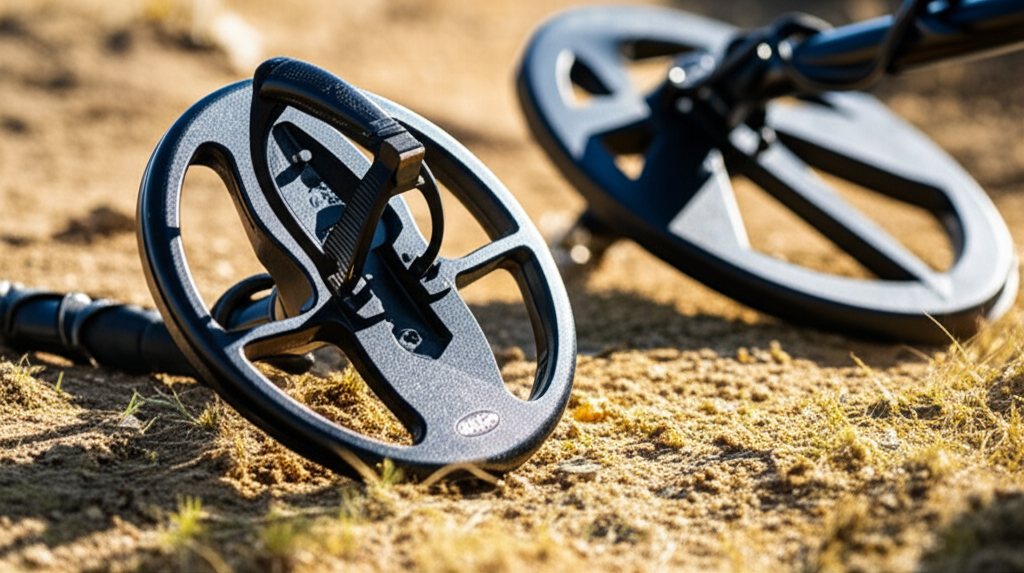
The GPX 4500 can utilize both Monoloop (Mono) and Double-D (DD) coils, each offering distinct advantages. Monoloop coils are generally known for their superior depth and sensitivity to small targets, especially in mild ground conditions. DD coils, on the other hand, are excellent at handling mineralized ground and offer better target separation, making them ideal for more challenging environments.
Each coil type has its strengths and weaknesses that directly impact your detecting experience. Knowing which type suits your typical hunting grounds will significantly improve your chances of success.
Monoloop Coils: Depth and Sensitivity
Monoloop coils operate by sending and receiving a single electromagnetic field. This design often results in deeper penetration into the ground and a sharper, more defined signal on targets. For gold prospectors or relic hunters working in areas with less ground mineralization, a mono coil can be a game-changer for finding those elusive deep targets.
If you’re chasing faint signals from deep within the earth, especially for gold, a monoloop coil deserves your serious consideration. They are the workhorses for many serious prospectors.
Double-D (DD) Coils: Ground Handling and Separation
DD coils consist of two overlapping D-shaped windings, creating a more complex electromagnetic field. This configuration makes them less susceptible to false signals caused by ground minerals and better at distinguishing between closely spaced targets. In highly mineralized soil or areas with lots of junk metal, a DD coil can provide a much cleaner and more stable experience.
When ground conditions are tough, or you expect a lot of shallow, unwanted metal trash, a DD coil can make your detecting session far more enjoyable and productive.
Factors to Consider When Choosing a GPX 4500 Coil
Selecting the right coil involves more than just picking a brand. You need to think about where you’ll be detecting, what you’re looking for, and the specific characteristics of the coil itself. These considerations will guide you toward the “best coil for GPX 4500” for your personal needs.
Let’s break down the key elements that will influence your decision, ensuring you invest in a coil that truly enhances your detecting capabilities.
Ground Mineralization
The mineral content of the soil is a critical factor. Highly mineralized ground (common in many goldfields and older sites) can create “hot” signals that mask faint target responses. Monoloop coils can struggle in very hot ground, while DD coils are generally more tolerant, providing a more stable threshold.
If you consistently detect in areas with high iron content or salt mineralization, a DD coil will likely offer a smoother operation. For less challenging soils, a mono coil might still be preferable for its depth advantage.
Target Size and Type
Are you primarily searching for tiny gold specks, larger gold nuggets, coins, or historical relics? Smaller coils are generally more sensitive to very small targets, while larger coils offer greater ground coverage and depth on larger objects. The GPX 4500’s ability to discriminate makes it versatile, but the coil plays a huge role in what it can pick up.
For serious gold prospectors hunting for small flakes and nuggets, a smaller, sensitive coil is often the go-to. If you’re after larger relics or coins over a wider area, a larger coil might be more efficient.
Terrain and Vegetation
The environment you’ll be detecting in significantly impacts coil choice. Dense bush or thick grass can make maneuvering a large coil difficult. Smaller coils are lighter and easier to swing through tangled vegetation, reducing the risk of snagging and fatigue. In open fields, larger coils can cover more ground faster.
Navigating thick scrub or uneven terrain? A lighter, more maneuverable coil will save your arms and make your detecting more enjoyable. For vast open spaces, a larger coil maximizes your coverage.
Coil Size and Weight
Coil size affects both performance and usability. Larger coils offer wider ground coverage and potentially deeper detection on larger targets, but they are heavier and can be cumbersome. Smaller coils are lighter, more agile in tight spaces, and more sensitive to small targets, but cover less ground per swing.
The weight of a coil is a significant factor, especially during long detecting sessions. Consider your physical stamina and the type of terrain you’ll be covering when weighing up size versus weight.
Top Coil Recommendations for the Minelab GPX 4500
Minelab offers excellent coils specifically designed for their GPX series, and there are also reputable third-party manufacturers producing high-quality alternatives. Based on extensive field testing and user feedback, these are the coils that consistently deliver exceptional performance with the GPX 4500.
Choosing from these proven performers will set you on the right path to enhanced detecting success. Let’s look at some of the best options available to you.
Minelab 11-inch Monoloop (300 x 200 mm)
This is often considered the standard, all-around coil for the GPX 4500. It strikes a great balance between depth, sensitivity, and maneuverability. It performs well in a variety of ground conditions, making it a versatile choice for many types of detecting, from coin shooting to general gold prospecting.
For those seeking a reliable, go-to coil that handles a wide range of scenarios effectively, the 11-inch mono is an outstanding option. It’s a workhorse that rarely disappoints.
Minelab 11-inch DD (280 x 140 mm)
If you frequently hunt in highly mineralized ground or areas with significant iron trash, the 11-inch DD coil is a superior choice. It offers excellent stability and target separation, allowing you to detect confidently even in challenging conditions. While it might not reach the absolute extreme depths of some mono coils in mild ground, its performance in tough soil is unmatched.
When ground mineralization is your biggest challenge, this DD coil provides the stability and discrimination needed for productive detecting. It’s a must-have for many users in such environments.
Minelab 14-inch Monoloop (350 mm)
For maximum depth on larger targets and wider ground coverage, the 14-inch monoloop coil is an excellent upgrade. It’s particularly effective in open areas with less vegetation and mild ground conditions. While heavier than the 11-inch coil, the increased coverage and depth can lead to finding more significant finds on those extended hunts.
If your primary goal is to sweep large, open areas and pull out the deepest, largest targets, this larger mono coil is a serious contender. Its performance in mild ground is truly impressive.
Minelab 15-inch x 10-inch DD (380 x 250 mm)
This large DD coil is designed for serious ground coverage and excellent performance in mineralized soil. It’s ideal for sweeping large, open areas where depth and stability are paramount. The larger size means it covers more ground with each swing, making it efficient for prospecting vast territories.
When you need to cover a lot of ground efficiently and maintain stability in mineralized conditions, this large DD coil is an invaluable tool. It’s built for serious exploration.
CoilTek Goldseeker Series (Various Sizes, Mono)
CoilTek is a highly respected third-party manufacturer known for producing robust and high-performance coils. Their Goldseeker series, often available in various sizes like 10-inch, 14-inch, and even smaller specialist coils, are designed with gold prospecting in mind. These mono coils are renowned for their sensitivity and depth, often outperforming stock coils in specific scenarios.
For those looking for specialized performance, particularly in gold prospecting, CoilTek offers an excellent range of durable and sensitive mono coils. They are a popular choice among seasoned prospectors for good reason.
CoilTek ALL TERRAIN Series (Various Sizes, DD)
The CoilTek ALL TERRAIN series offers durable DD coils that are built to handle tough conditions. Available in different sizes, these coils provide excellent ground balancing capabilities and stability, making them a great choice for mineralized soil and areas with electromagnetic interference. They offer a reliable alternative to Minelab’s own DD offerings.
If you’re seeking a robust DD coil that can withstand harsh environments and deliver consistent performance, the CoilTek ALL TERRAIN series is worth investigating. They are built for durability.
Testing and Choosing Your Best Coil for GPX 4500
The “best” coil is ultimately subjective and depends on your specific detecting environment and targets. The most effective way to find your ultimate coil is through a combination of research, understanding your typical hunting grounds, and, if possible, hands-on testing.
Don’t be afraid to experiment. What works for one detectorist might not be perfect for another, and that’s okay. Your personal experience in the field is the ultimate judge.
Field Testing: Your Personal Verdict
The best way to confirm which coil is right for you is to test them in your usual detecting locations. If you can borrow or rent different coils, try them out on known targets or in areas where you’ve had previous success. Pay attention to how stable the detector is, how sensitive it feels, and how easy it is to maneuver.
I always recommend testing any new coil on a familiar patch where I know there are targets. This gives me a direct comparison and helps me understand its unique performance characteristics. Field testing is invaluable.
Understanding Your Ground Conditions
Before purchasing, take stock of your local soil. Is it sandy and mild, or is it heavily laden with iron oxides and salts? If you’re primarily prospecting for gold in the Australian outback, your needs will differ greatly from someone hunting relics in the UK.
Accurately assessing your typical ground mineralization will steer you away from coils that will fight you and towards those that will perform optimally. This is a critical step in the selection process.
The Role of the GPX 4500’s Electronics
It’s important to remember that the GPX 4500’s advanced electronics, including its various timing options (like General, Specific, Diff, and Expert timings), play a huge role in how effectively it utilizes any coil. The right coil will complement these timings, allowing you to fine-tune performance for specific conditions.
Your detector’s internal settings and the coil you choose work in tandem. Understanding how to match them is key to unlocking the GPX 4500’s full potential. This synergy is what makes the difference.
Maintenance and Care for Your GPX 4500 Coils
Your coils are the front line of your detecting operation, and proper care ensures they perform reliably for years to come. Treating them well means fewer headaches in the field and a longer lifespan for your investment.
Think of your coils as sensitive instruments. A little attention to their upkeep will pay dividends in consistent performance and durability.
Cleaning Your Coils
After each detecting session, it’s crucial to clean your coil. Gently wipe away dirt, mud, and debris using a soft cloth or sponge and fresh water. Avoid using harsh chemicals or abrasive materials, as these can damage the coil housing or windings.
A simple rinse and wipe down after every outing will keep your coils in top condition. This prevents buildup that could potentially affect performance or cause minor damage over time.
Storage and Protection
When not in use, store your coils in a safe place where they won’t be exposed to extreme temperatures or heavy impact. Many detectorists use padded coil covers or store them in their original packaging or a dedicated bag. Protect the cable and connector from strain.
Proper storage protects your coils from accidental damage and the elements. This ensures they are ready for your next adventure without any issues.
Inspecting for Damage
Regularly inspect your coils for any signs of damage, such as cracks in the housing, fraying of the cable, or damage to the connector. Small cracks can allow moisture to seep in, potentially causing electrical problems. Address any minor damage promptly to prevent it from becoming a major issue.
Catching small problems early can save you from expensive repairs or the need for a new coil. A quick visual check is always a good idea.
Frequently Asked Questions (FAQ)
What is the best coil for gold prospecting with the GPX 4500?
For small gold nuggets and flakes, a smaller, sensitive monoloop coil like a 10-inch or 12-inch is often preferred. For larger nuggets or wider coverage in goldfields, a larger monoloop or a well-tuned DD coil can also be effective.
Can I use a DD coil for finding relics with the GPX 4500?
Absolutely. DD coils are excellent for relic hunting, especially in areas with high mineralization or lots of iron junk. Their stability and target separation can make finding desirable relics much easier.
How does coil size affect depth on the GPX 4500?
Generally, larger coils can achieve greater depth on larger targets, while smaller coils are more sensitive to very small targets, even if their maximum depth might be slightly less on larger items. The GPX 4500’s power helps overcome some of these limitations.
Should I buy an official Minelab coil or a third-party coil?
Both have their merits. Minelab coils are designed to perfectly integrate with their detectors. Third-party coils, like those from CoilTek, often offer specialized performance enhancements or robust build qualities that some users prefer.
How do I know if my GPX 4500 coil is performing optimally?
Listen to your threshold. A stable, smooth threshold indicates good ground balance and coil performance. Erratic signals or a constant chatter often suggest ground mineralization issues or a coil that isn’t suited for the conditions.
Is a smaller coil better for trashy areas?
Yes, smaller coils are generally better in trashy areas because they offer better target separation, helping you distinguish between desirable targets and junk metal. They are also easier to maneuver in cluttered environments.
Conclusion: Finding Your Ultimate Coil for the GPX 4500
Choosing the best coil for GPX 4500 is a critical step in maximizing your detecting success. Whether you prioritize depth, sensitivity to small targets, or stable performance in challenging ground, there’s a coil out there that will elevate your GPX 4500’s capabilities. For general use and a great balance, the 11-inch Monoloop is a solid choice. If mineralized ground is your constant companion, the 11-inch DD coil will offer superior stability.
Don’t underestimate the power of a well-matched coil. By considering your typical hunting conditions, target types, and personal preferences, you can select a coil that transforms your detecting experience. Happy hunting, and may your next swing with the perfect coil bring you an incredible find!
