


Published on: September 17, 2025 | Updated on: September 17, 2025
Unlock hidden treasures with the best metal detector kit, equipping you with essential tools for every adventure. This guide dives deep into what makes a kit truly valuable, from beginner-friendly options to advanced setups, ensuring you find more and dig smarter.
Metal detecting is more than just a hobby; it’s a thrilling journey into the past, a chance to unearth forgotten coins, lost jewelry, and historical relics. But stepping into this exciting world can feel overwhelming. With so many detector models, accessories, and “kits” on the market, how do you choose the right setup to start your treasure-hunting career? It’s easy to get lost in the jargon and feel like you need a fortune to get started. This guide is here to simplify things. I’ll walk you through what makes a metal detector kit truly essential, helping you select the perfect gear to maximize your finds and minimize frustration. Let’s get your adventure started!
What Exactly Is a Metal Detector Kit and Why Do You Need One?
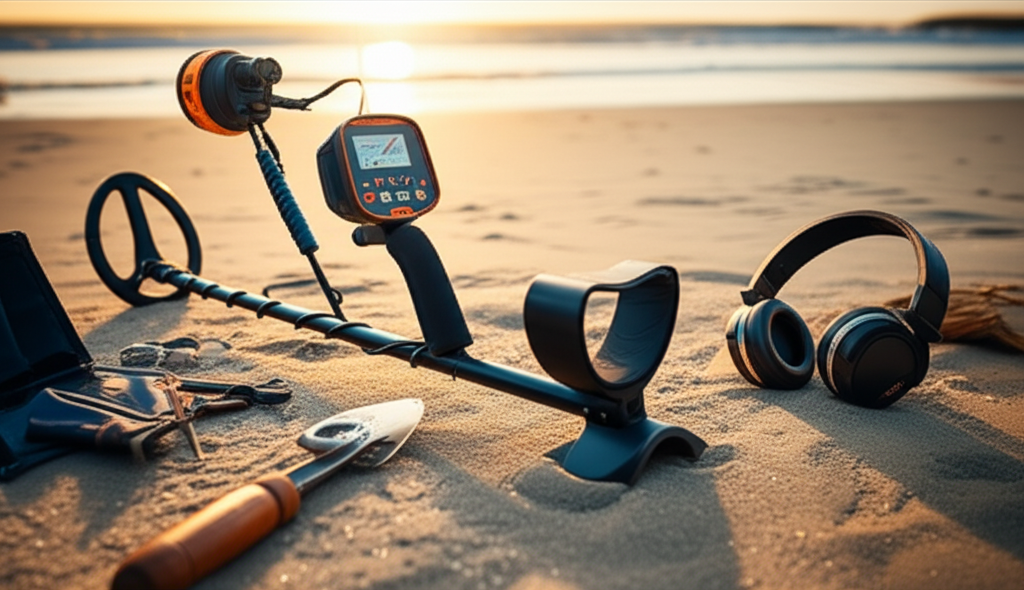
A metal detector kit bundles essential equipment for treasure hunting. It typically includes a metal detector, a pinpointer, digging tools, and sometimes headphones or a carry bag. Having a complete kit means you’re prepared for your first outing without needing to source each item separately, often saving you time and money.
This integrated approach ensures you have the fundamental tools ready to go. It’s designed to streamline the purchasing process and provide a balanced starting point for enthusiasts. Investing in a well-thought-out kit is the smartest way to begin your detecting journey.
Key Components of the Best Metal Detector Kit
When assembling or choosing the best metal detector kit, certain components are non-negotiable for success in the field. These core items work together to enhance your detecting experience, from initial signal detection to recovering your target.
The Metal Detector: Your Eyes Beneath the Surface

The heart of any kit is, of course, the metal detector itself. Different detectors excel in different environments and for different types of targets. Understanding the basics of VLF (Very Low Frequency) and PI (Pulse Induction) technology can help you choose.
VLF Detectors: These are the most common and versatile, ideal for coins, jewelry, and relics in most conditions. They offer good discrimination, allowing you to ignore trash targets.
PI Detectors: These are generally better for mineralized ground and saltwater beaches, as they are less affected by ground mineralization. They typically have less discrimination capability.
When selecting a detector for a kit, consider its frequency, waterproof coil capability, and ease of use. For beginners, a multi-purpose VLF detector with adjustable sensitivity and discrimination is usually the best bet.
The Pinpointer: Precision in the Plug
Once your detector signals a target, a pinpointer is crucial for locating it precisely within the dug plug of soil. Trying to find a small coin or ring with just your detector’s coil in a large excavation is incredibly time-consuming and frustrating. A good pinpointer drastically reduces search time and minimizes the size of your holes.
Pinpointers come in both probe-style and wand-style designs. Probe types are generally more sensitive and offer better target isolation. Look for models with audible and vibratory alerts, as well as adjustable sensitivity.
Digging Tools: For Swift and Clean Recovery
You can’t recover what you can’t dig! Essential digging tools are often overlooked but are vital for efficient and responsible treasure hunting. A sturdy digging trowel or shovel is necessary to excavate your target.
Trowel: A strong, serrated trowel is excellent for most soil conditions. The serrations help cut through roots and tough ground.
Shovel/Spade: For deeper targets or tougher terrain, a larger digging spade might be necessary. Look for one with a comfortable handle and a robust blade.
Always practice proper digging techniques to minimize your impact on the environment and leave no trace. This is part of being a responsible detectorist and ensures you can return to your favorite spots.
Headphones: Hear Every Whisper
Metal detectors can emit faint signals, especially for small or deep targets. Standard built-in speakers might not always pick up these subtle cues. Wired or wireless headphones are a game-changer, allowing you to hear every beep clearly, even in noisy environments like windy fields or busy parks.
They also offer a degree of privacy, so your finds don’t alert everyone around you. Many modern detectors have headphone jacks, making this an easy addition to any kit. Choosing headphones designed for metal detecting often means they are durable and water-resistant.
Carry Bag and Accessories: Protection and Convenience
A good carry bag protects your detector during transport and storage. Look for one with padded compartments. Other useful accessories might include a finds pouch for collecting your discoveries and a holster for your pinpointer.
Choosing the Best Metal Detector Kit for Beginners
For newcomers, the best metal detector kit is one that balances functionality, ease of use, and affordability. The goal is to get you out detecting quickly without being overwhelmed by complex settings.
Simplicity and Intuitive Controls
Beginner kits should feature detectors with straightforward controls and minimal menus. Too many options can be daunting. Look for detectors that offer preset modes like “Coin,” “Jewelry,” or “All Metal” to get you started.
The Garrett AT Pro, for example, is often recommended as a robust option that offers excellent performance but might be slightly more complex for absolute beginners. Kits built around detectors like the Garrett Ace series or the Minelab Vanquish series are usually more approachable. These detectors often come with pre-programmed modes that simplify the learning curve.
Essential Inclusions for a Starter Kit
A solid beginner kit should at least include:
A user-friendly metal detector with a waterproof coil.
A reliable pinpointer.
A sturdy digging trowel.
A basic finds pouch.
Some kits might also bundle headphones, which are highly recommended. The focus should be on getting the core functionality right.
Budget-Friendly Options
You don’t need to spend a fortune to start. Many excellent entry-level kits are available in the $300-$600 range. These kits provide all the necessary tools to begin your treasure hunting journey successfully.
Advanced Metal Detector Kits for the Serious Enthusiast
As your skills and passion grow, you might look for a more advanced metal detector kit. These kits cater to detectorists seeking deeper penetration, better target separation, and specialized capabilities.
Higher Frequencies and Multi-Frequency Technology
Advanced detectors often operate at higher frequencies (15 kHz and above) for better detection of small gold nuggets and thin jewelry. Multi-frequency detectors, like the Minelab Equinox series, are incredibly versatile, allowing you to scan targets across a range of frequencies simultaneously. This provides excellent performance in varied ground conditions and on different target types.
These machines offer more customization and fine-tuning options. They can distinguish between different metals with greater accuracy. This is crucial for experienced detectorists looking to maximize their finds in challenging environments.
Specialized Coils and Accessories
Advanced kits might include interchangeable coils of different sizes and frequencies. A larger coil offers greater depth and ground coverage, while a smaller coil provides better sensitivity to small targets and maneuverability in trashy areas. Waterproof coils are standard for serious enthusiasts, enabling beach and water hunting.
Additional accessories like a digging shovel, a robust finds pouch, and high-quality wireless headphones become more important. Some kits may even include gold prospecting accessories if that is the user’s primary focus.
Durability and Environmental Resistance
Serious detectorists often work in harsh conditions. Kits for advanced users should feature detectors and accessories built for durability and resistance to water, dust, and impact. This ensures your gear can withstand rigorous use in challenging terrains.
Top Brands and Models for Metal Detector Kits
Several reputable brands consistently offer high-quality metal detectors and accessories that form the basis of excellent kits. Exploring their offerings can guide your selection.
Garrett Metal Detectors
Garrett is a household name in metal detecting, known for its user-friendly and reliable detectors. Their Ace series (e.g., Ace 300i, Ace 400i) are fantastic entry-level options often found in starter kits. The Garrett AT Pro and AT Max are more advanced, waterproof options suitable for various terrains.
Garrett kits often include their popular pinpointers like the Pro-Pointer AT, which is waterproof and highly sensitive. They are a solid choice for both beginners and intermediate detectorists.
Minelab Metal Detectors
Minelab is a leader in advanced metal detecting technology, particularly with their multi-frequency machines. The Minelab Equinox series is revolutionary, offering incredible performance across different conditions at an accessible price point. Kits featuring the Equinox 600 or 800 are highly sought after by serious hobbyists.
For gold prospecting, Minelab’s GPZ and SDC series are top-tier, though typically not found in general “kits” but rather specialized prospecting packages. Their Vanquish series offers excellent multi-frequency performance for beginners.
Nokta Makro Metal Detectors
Nokta Makro has rapidly gained popularity for offering feature-rich detectors at competitive prices. Their Simplex+ is an incredibly popular waterproof entry-level detector, often bundled into comprehensive kits. The Legend is their advanced multi-frequency offering, rivaling the Equinox.
Nokta Makro kits often come with their own effective pinpointers and durable digging tools, making them a complete package for the detectorist on a budget. Their robust build quality is a significant advantage.
XP Metal Detectors
XP Detectors are known for their lightweight, wireless designs and advanced features. While they don’t always offer pre-packaged “kits” in the traditional sense, many detectorists build their own essential setups around their popular Deus II or ORX detectors. These are premium options for experienced users.
Essential Accessories to Complement Your Kit
Beyond the core components, several accessories can significantly enhance your metal detecting experience and recovery success. These items might not always be in a bundled kit but are worth considering.
The Mighty Pinpointer: A Deeper Dive
As mentioned, a pinpointer is indispensable. Look for features like:
Waterproof rating: Essential for beach or wet ground detecting.
Adjustable sensitivity: Allows you to fine-tune detection for different targets and ground conditions.
LED light: Helpful for searching in low-light conditions.
Pro-pulse or vibration alerts: Offers clear target indication.
Popular choices include the Garrett Pro-Pointer AT, Nokta Makro PulseDive, and the Minelab Pro-Find series. Investing in a quality pinpointer is one of the best decisions you can make.
Digging Tools: Beyond the Basic Trowel
While a trowel is a must, consider other digging aids:
Digger/Shovel: A dedicated metal detecting digging tool with a sharp, serrated edge is far more efficient than a garden trowel. Many have reinforced footrests.
Sieve/Sifter: For sifting through soil on beaches or in parks, a sieve helps you find small targets more easily and ensures you don’t leave soil behind.
* Root cutter: In heavily vegetated areas, a root cutter can be invaluable for making clean plugs.
Using the right digging tool makes the recovery process faster and cleaner. This respects the land and makes your detecting more enjoyable.
Finding Pouch and Storage
A dedicated finds pouch is essential for keeping your treasures organized and secure. Look for one with multiple compartments and a durable strap. For transporting your gear, a padded carry bag or a dedicated metal detector backpack is highly recommended.
Many detectorists also carry a small brush for cleaning dirt off finds and a small bag for trash. Responsible detecting means packing out all the trash you dig.
Understanding Metal Detector Settings: A Crucial Skill
Even the best metal detector kit requires you to understand its settings to perform optimally. Learning these basics will significantly improve your success rate.
Sensitivity
This setting controls how deeply the detector can sense targets and how responsive it is to small objects. Too high, and you risk false signals from ground mineralization or electrical interference. Too low, and you’ll miss deeper or smaller targets.
Finding the right sensitivity level is often done by slowly increasing it until you hear faint, consistent chattering or falsing, then backing it off slightly. This sweet spot maximizes depth while minimizing unwanted noise.
Discrimination
Discrimination allows you to ignore certain types of metal, typically iron and foil. Setting discrimination too high can cause you to miss valuable targets like gold rings that can register similarly to trash. It’s often better to use a low level of discrimination or even run in “All Metal” mode and learn to interpret the sounds.
Understanding target IDs (visual numbers on the display) can help you make informed decisions about whether to dig a target. Different detectors have different ID scales, so learning your specific machine is key.
Ground Balance
Ground balance is critical for detectors that are not automatic. It tunes the detector to ignore the naturally occurring minerals in the soil. This prevents the detector from giving false signals in mineralized ground.
Most modern VLF detectors have automatic ground balance, which simplifies this process immensely. However, some advanced detectors allow manual ground balancing for precise tuning.
Where to Use Your Metal Detector Kit: Prime Locations
Knowing where to hunt is as important as having the right gear. Different locations yield different types of treasures. Always ensure you have permission before detecting on private property.
Parks and Public Areas
These are often the most accessible places for beginners. People lose items like coins, jewelry, and keys in parks. Look for areas with high foot traffic, near benches, playgrounds, or sports fields.
Be aware of local regulations regarding metal detecting in public parks, as some may have restrictions. Always fill your plugs neatly and pack out any trash.
Beaches
Beaches are treasure troves for lost jewelry, coins, and even relics. Saltwater beaches can be challenging due to mineralization, often requiring waterproof detectors and specific settings. Freshwater beaches can be more forgiving.
Always check beach regulations, as some areas prohibit metal detecting. The wet sand and surf zones can be particularly productive.
Old Home Sites and Farmland
These locations can yield historical artifacts, old coins, and relics from past inhabitants. Detecting on private farmland or abandoned property requires explicit permission from the landowner. Research local history to identify potential old homesteads.
These sites can be more challenging due to deeper targets, iron trash, and potentially difficult ground conditions. Advanced detectors and digging tools are often beneficial here.
Metal Detecting Etiquette: Leave No Trace
Responsible metal detecting is crucial for the longevity of the hobby. Adhering to good etiquette ensures you are welcomed back and preserves historical sites.
Always Get Permission
Never detect on private property without explicit permission from the owner. Respect “No Trespassing” signs. For public lands, research and follow all local regulations and permit requirements.
Fill Your Plugs
When you dig a target, always replace the plug of soil neatly, ensuring the grass or vegetation is pressed back down. This minimizes the visual impact of your detecting. Avoid making large, messy holes.
Pack Out Trash
You will inevitably dig up modern trash. Always carry a trash pouch and pack out everything you dig, including pull tabs, bottle caps, and foil. This helps keep the areas clean and shows respect for the environment.
Be Mindful of Your Surroundings
Be aware of other people, wildlife, and sensitive areas. Avoid damaging historical structures or archaeological sites. Metal detecting is about discovery, not destruction.
FAQ: Your Metal Detector Kit Questions Answered
Here are answers to some common questions beginners have about metal detector kits.
What is the best beginner metal detector kit?
For beginners, a kit featuring a user-friendly detector like the Garrett Ace series or Minelab Vanquish series, along with a pinpointer and digging trowel, is ideal. These offer a good balance of performance and ease of use.
Do I really need a pinpointer?
Yes, a pinpointer is essential. It drastically speeds up target recovery and minimizes the size of your holes by helping you locate the target precisely within the dug soil plug.
Can I use any metal detector kit anywhere?
No, always check local regulations for public lands and get permission for private property. Some areas have restrictions on metal detecting.
What kind of treasures can I find with a basic kit?
With a basic kit, you can expect to find modern coins, lost jewelry (rings, necklaces), and sometimes older coins or small relics, especially in areas with historical activity.
How deep can a beginner metal detector kit detect?
Entry-level detectors can typically detect coins up to 6-10 inches deep, depending on the target size, ground conditions, and detector settings. More advanced kits offer greater depth.
Is it better to buy a kit or individual components?
For beginners, a kit is often more convenient and cost-effective as it bundles essential items. As you gain experience, you might prefer to select individual components to suit your specific needs.
Conclusion: Your Treasure Hunting Adventure Awaits
Choosing the best metal detector kit is your first step toward an exciting world of discovery. By understanding the essential components—the detector, pinpointer, digging tools, and headphones—you can make an informed decision. Whether you opt for a beginner-friendly package or a more advanced setup, the key is to have reliable gear that suits your intended hunting grounds and targets. Remember that responsible detecting, respecting the land, and continuously learning about your equipment are just as important as the kit itself. With the right metal detector kit in hand, you’re well-equipped to unearth the hidden treasures waiting just beneath the surface. Happy hunting!
