


Published on: September 17, 2025 | Updated on: September 17, 2025
Best Pinpoint Metal Detector: Essential Hidden Finds
Discover the best pinpoint metal detector to revolutionize your treasure hunting, ensuring you unearth every hidden find with precision and ease, turning frustrating digs into rewarding discoveries.
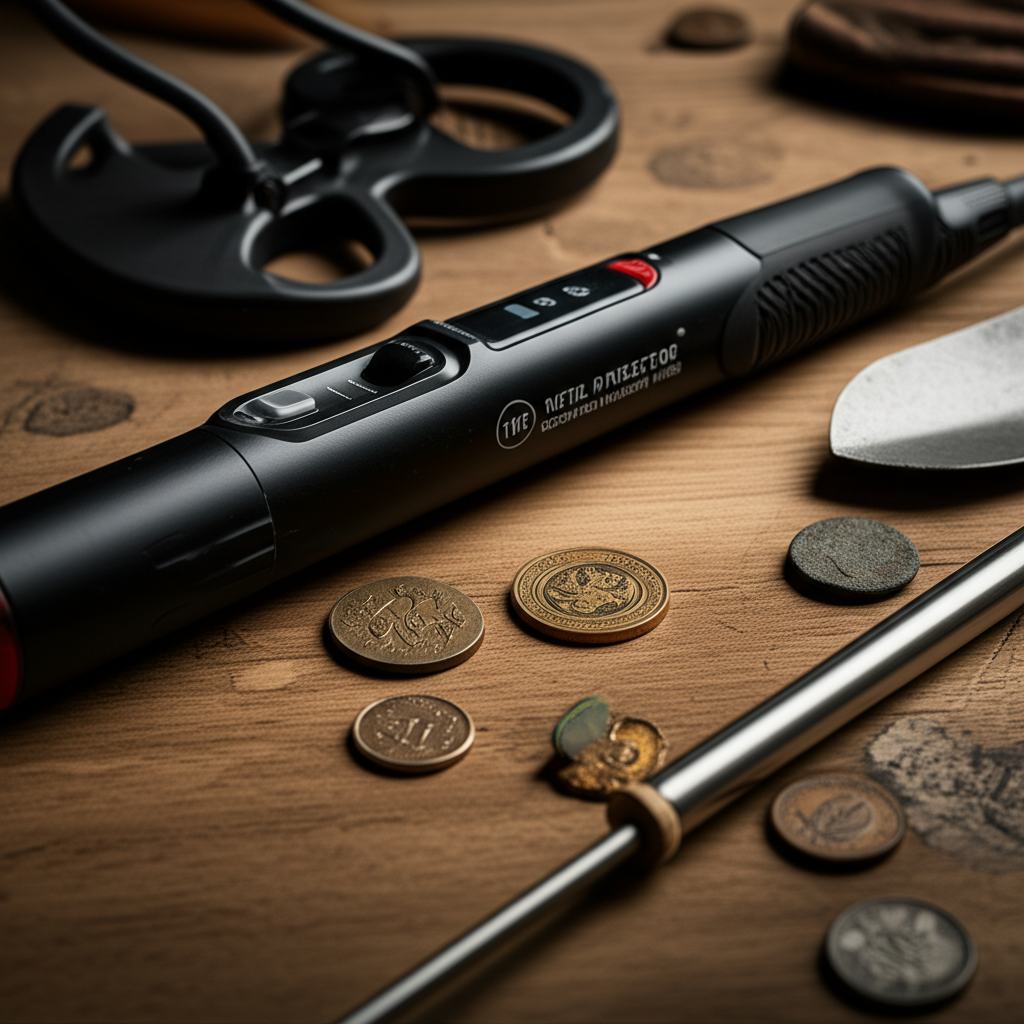
Finding treasure with a metal detector is thrilling, but the moment you locate a target, the real challenge begins: pinpointing its exact location without making a mess. This is where a good pinpointer becomes your best friend, transforming those agonizingly wide search areas into quick, precise digs. I’ve spent countless hours in the field, and I know firsthand how frustrating it is to dig a big plug only to find nothing. That’s why choosing the right pinpointer is crucial for any detectorist, from beginners to seasoned pros. In this guide, I’ll walk you through what makes a pinpoint metal detector truly shine, and I’ll share my top picks to help you find those essential hidden gems.
Why a Pinpointer is Non-Negotiable for Every Detectorist
A dedicated pinpointer is more than just a handy gadget; it’s an essential tool that dramatically speeds up your recovery process and minimizes disturbance to the environment. Imagine sweeping your main detector over an area, getting a solid signal, and then having to meticulously dig a large hole, hoping you’ll stumble upon your target. This is inefficient and can lead to a lot of wasted effort and unwanted damage to the ground. A pinpointer allows you to narrow down the target’s exact position within that plug or soil, often saving you from over-digging and making your recovery much cleaner.
Key Features That Define the Best Pinpoint Metal Detector
When I’m looking for the best pinpoint metal detector, several features immediately jump out. These aren’t just about making the device look good; they directly impact its performance in the field. Sensitivity is paramount, allowing you to detect even the smallest targets deep within the soil. Durability is another critical factor, as these tools are often used in harsh outdoor conditions. Ease of use, battery life, and the type of alert system (vibration, audio, or both) are also vital considerations that separate a good pinpointer from a great one.
Sensitivity: The Heart of Pinpointing Precision

The sensitivity of a pinpointer is its ability to detect small or deep targets. A highly sensitive pinpointer will alert you to even faint signals, meaning you’re less likely to miss that tiny coin or delicate relic. It’s not just about how close you are, but how well the device can “see” into the ground. I’ve found that pinpointers with adjustable sensitivity offer the most flexibility, allowing you to tune them for different ground conditions and target types.
Durability and Waterproofing: Built for the Field
Metal detecting often takes you through mud, water, and rough terrain. Therefore, the best pinpoint metal detector must be built to withstand these elements. Look for robust construction, often with reinforced casings. Many top-tier pinpointers are also fully waterproof, which is a massive advantage if you plan on searching in shallow water, streams, or even during rainy weather. This feature ensures your investment is protected and your detecting adventures aren’t limited by the conditions.
Audio and Vibration Alerts: What Works Best for You
How a pinpointer communicates a target’s location is crucial for efficient use. Most pinpointers offer either audio alerts, vibration, or both. Audio alerts are great for surface targets or when you can clearly hear the increasing tone. However, in noisy environments or when trying to be discreet, vibration is invaluable. Pinpointers that offer both, often with adjustable intensity, provide the most versatile experience, catering to different situations and personal preferences.
Battery Life and Power Source: Staying Powered Up
A powerful pinpointer is useless if its battery dies halfway through a hunt. Long battery life is essential, especially for extended detecting sessions. Most pinpointers use standard AA or 9V batteries, which are easily replaceable. Some newer models feature rechargeable batteries, which can be convenient but also mean you need to remember to charge them. I always carry a spare battery, just in case, but a pinpointer known for its exceptional battery longevity is always a plus.
Top Contenders: My Picks for the Best Pinpoint Metal Detector
After years of testing various models in diverse environments, I’ve narrowed down my recommendations to a few standout pinpointers. These are the devices that consistently deliver performance, reliability, and ease of use, making them invaluable additions to any detectorist’s kit. Each offers a slightly different set of features, catering to various needs and budgets, ensuring you can find the best pinpoint metal detector for your specific style of detecting.
Garrett Pro-Pointer AT (Waterproof): The All-Around Champion
The Garrett Pro-Pointer AT is a legendary pinpointer for a reason. It’s fully waterproof (up to 20 feet), incredibly sensitive, and features a bright orange color for easy visibility. I find its audio and vibration alerts to be very responsive, and the built-in LED light is a lifesaver for low-light conditions. Its rugged construction means it can take a beating, and I’ve never had an issue with its performance, even in challenging wet environments. This is often my go-to recommendation for its all-around excellence.
Pros: Fully waterproof, excellent sensitivity, durable construction, built-in LED light, loud audio and strong vibration.
Cons: Can be slightly more expensive than some competitors.
Minelab Pro-Find 35: Precision and Power
Minelab’s Pro-Find 35 is another top-tier pinpointer that offers impressive sensitivity and a robust feature set. It boasts adjustable sensitivity, which I find incredibly useful for fine-tuning detection in different soil types. The Pro-Find 35 also features a distinct multi-tone audio feedback system and a vibration option. Its bright yellow color makes it easy to spot if dropped, and it’s built to be durable for demanding field use. This pinpointer is a strong contender for anyone seeking advanced features.
Pros: Adjustable sensitivity, clear audio and vibration alerts, durable build, bright color for visibility.
Cons: May lack some of the advanced features found in higher-end models from other brands.
Teknetics Tek-Point: A Solid Performer for the Price
For detectorists on a tighter budget, the Teknetics Tek-Point offers remarkable performance without breaking the bank. It’s known for its good sensitivity and reliable audio/vibration alerts. While it might not be fully waterproof like some premium models, it’s built to be durable and handle typical outdoor use. The simple operation and decent battery life make it an excellent choice for beginners or those who want a dependable pinpointer without all the bells and whistles.
Pros: Good value for money, reliable performance, simple to use.
Cons: Not fully waterproof, sensitivity might be slightly less than top-tier models.
Fisher F-Pulse: Innovative Features for Accurate Pinpointing
The Fisher F-Pulse stands out with its unique features, including proportional audio and vibration, which increase in intensity as you get closer to the target. This makes pinpointing incredibly intuitive. It also offers adjustable sensitivity and a useful “silent” mode that disables audio for discreet searching. I appreciate its solid construction and good battery life, making it a reliable tool for any serious detectorist looking for the best pinpoint metal detector.
Pros: Proportional audio/vibration, adjustable sensitivity, silent mode, good build quality.
Cons: Can be a bit pricier than some basic models.
Beyond the Pinpointer: Essential Accessories for Successful Finds
While the best pinpoint metal detector is crucial, other gear can significantly enhance your detecting experience. Having the right tools at your disposal means you can recover your finds efficiently and with minimal impact on the environment. These accessories are the unsung heroes that complement your primary detector and pinpointer, turning a successful detection into a clean and satisfying recovery.
Digging Tools: Precision and Minimal Disturbance
The choice of digging tool is as important as the pinpointer itself. You want something that allows you to make a clean plug or carefully extract soil without causing unnecessary damage. I prefer a sturdy digging trowel with a serrated edge for cutting through roots and compacted soil. For more delicate situations or sandy environments, a small hand shovel or a sand scoop can be ideal. The goal is to extract the soil containing the target with minimal disturbance to the surrounding area.
Recovery Tools: The Final Step
Once you’ve located the target with your pinpointer and made your plug, you might need additional tools to retrieve it. Small probes or even a pair of tweezers can be helpful for delicately picking up small coins or fragile relics from the soil. Sometimes, the target might be just out of reach within the plug, and a small, sturdy probe can help nudge it out. These little tools make the final recovery phase much smoother and prevent damage to your precious finds.
Finds Pouch: Keeping Your Treasures Safe
A dedicated finds pouch is essential for storing your discoveries securely and preventing them from getting lost or damaged in your pockets. Look for a pouch that is durable, has multiple compartments, and is easy to clean. Some pouches have mesh sections to allow dirt to fall through, keeping your other gear cleaner. It’s always a good feeling to have a dedicated place for your hard-earned treasures.
Understanding Pinpointer Technology: How They Work
At their core, pinpointers are small, handheld metal detectors that operate on similar principles to their larger counterparts. They typically use Pulse Induction (PI) or Very Low Frequency (VLF) technology. VLF pinpointers are more common and generally offer better discrimination against iron, which is useful in iron-rich soils. PI pinpointers can offer greater depth and are less affected by mineralized ground. The way they generate and interpret electromagnetic fields is what allows them to signal the presence of metal.
VLF vs. Pulse Induction in Pinpointers
Most handheld pinpointers you’ll encounter are VLF devices. They transmit a signal and measure the disturbance caused by metallic objects. These are great for general-purpose detecting, especially for coin and relic hunting where distinguishing between different types of metals can be beneficial. Pulse Induction pinpointers send out pulses of magnetic energy and measure the response time of the target. They are often favored by gold prospectors or those detecting in highly mineralized soil because they are less susceptible to ground mineralization effects.
Proportional Alerts: A Game Changer
One of the most significant advancements in pinpointer technology is the introduction of proportional alerts. This means the closer you get to a target, the faster the audio tone or vibration becomes. This intuitive feedback system allows you to zero in on the target’s exact location with remarkable speed and accuracy. I find this feature indispensable; it dramatically reduces the guesswork and speeds up the recovery process, making it easier to pinpoint the best pinpoint metal detector for your needs.
Mastering the Art of Pinpointing: Field Tips and Techniques
Having the best pinpoint metal detector is only half the battle; knowing how to use it effectively is where the real magic happens. I’ve learned a few tricks over the years that can make a significant difference in your recovery success. It’s about developing a feel for the tool and understanding how to work with your main detector’s signal.
The “Plug and Probe” Method
This is a classic technique. Once your main detector indicates a target, carefully cut a neat plug of soil around the signal area. Lift the plug and set it aside. Then, use your pinpointer to scan the hole and the removed plug. The pinpointer’s signal will intensify as you get closer to the target, guiding you to its precise location within the soil. Once found, gently extract the target with your fingers or a small tool.
“In-the-Hole” Pinpointing
For targets that are very shallow or when you want to minimize disturbance, you can try “in-the-hole” pinpointing. After making a small excavation, insert your pinpointer directly into the disturbed soil. As you move it around, the signal will lead you to the target. This method is particularly useful in parks or sensitive areas where minimal ground disturbance is a priority.
Dealing with Iron and False Signals
Iron can be a detectorist’s best friend or worst enemy. While iron can mask other targets, some pinpointers have basic discrimination capabilities. If you’re getting a persistent signal that you suspect is iron, try moving the pinpointer slowly and systematically. If the signal remains strong and consistent, it’s likely iron. Some pinpointers also have a “tap” feature, where you can briefly tap the target to see if the signal changes, which can sometimes help differentiate between targets.
Choosing the Best Pinpoint Metal Detector for Your Terrain
The type of ground you typically detect on can influence which pinpointer is best for you. Sandy beaches, mineralized soil, or trash-filled parks each present different challenges. Understanding these nuances will help you select a pinpointer that performs optimally in your preferred hunting grounds. This makes your search for the best pinpoint metal detector a more informed decision.
Beach Detecting: Sand and Saltwater Challenges
Beach detecting requires a pinpointer that can handle wet sand and potentially saltwater. Waterproof models are essential here, as is a pinpointer with good sensitivity to small targets often found in the surf zone. Some pinpointers also perform better in highly conductive saltwater environments. I find that robust, fully submersible pinpointers are ideal for beachcombers.
Park and Lawn Detecting: Navigating Trash and Shallow Finds
Parks and lawns are often targets for casual treasure hunters due to accessibility. However, they can also be heavily littered with trash, especially iron. A pinpointer with good sensitivity and perhaps some basic discrimination can be beneficial. The ability to quickly pinpoint shallow targets is key, as is a tool that is durable enough to withstand occasional drops on hard surfaces.
Woodlands and Fields: Deeper Targets and Mineralization
When detecting in woodlands or fields, you might encounter deeper targets and more mineralized soil. Pinpointers with adjustable sensitivity or Pulse Induction technology can excel in these conditions. The ability to detect targets that are not directly on the surface is crucial, and a powerful pinpointer can make a significant difference in recovering those deeper gems.
Maintaining Your Pinpointer for Longevity
To ensure your best pinpoint metal detector serves you well for years to come, proper maintenance is key. Treat it with care, and it will reward you with reliable performance on every outing. Simple steps can prevent common issues and keep your pinpointer in top working condition.
Cleaning and Storage
After each use, especially if you’ve been in mud or water, clean your pinpointer thoroughly. Wipe it down with a damp cloth and ensure any ports or speaker grilles are clear of debris. For waterproof models, a quick rinse under freshwater is often recommended. Store your pinpointer in a safe place, away from extreme temperatures, when not in use.
Battery Care
If your pinpointer uses replaceable batteries, always use fresh, high-quality ones. If you’re storing the pinpointer for an extended period, it’s a good idea to remove the batteries to prevent corrosion. For rechargeable models, follow the manufacturer’s charging instructions to maintain battery health.
Frequently Asked Questions (FAQ)
What is the most sensitive pinpoint metal detector?
Sensitivity varies between models, but the Garrett Pro-Pointer AT and Minelab Pro-Find 35 are consistently praised for their excellent sensitivity, allowing detection of very small or deep targets.
Do I really need a pinpointer if I have a good metal detector?
Yes, a pinpointer is essential. It dramatically speeds up target recovery, reduces the size of your digging plugs, and minimizes disturbance to the ground, making your detecting experience much more efficient and enjoyable.
Can I use my main metal detector as a pinpointer?
While some larger detectors have a pinpoint mode, it’s not as precise or as convenient as a dedicated handheld pinpointer. A separate pinpointer is much smaller, more sensitive for close-up detection, and designed for rapid use within a dug plug.
Are waterproof pinpointers worth the extra cost?
If you plan on detecting near water, on the beach, or in wet conditions, a waterproof pinpointer is absolutely worth the investment. It provides peace of mind and opens up more detecting opportunities.
How do I know if my pinpointer is detecting iron?
Iron targets often produce a different tone or vibration response than non-ferrous metals. Some pinpointers have adjustable sensitivity that can help differentiate, and learning to recognize the signal can also help.
What is the typical price range for a good pinpoint metal detector?
Good quality pinpointers generally range from $50 to $150. High-end models with advanced features like full waterproofing and adjustable sensitivity might cost slightly more.
Conclusion: Unearthing Your Next Great Find with the Best Pinpoint Metal Detector
Choosing the right pinpoint metal detector is a critical step in becoming a more efficient and successful detectorist. It’s the tool that bridges the gap between detecting a signal and recovering your treasure, saving you time, effort, and frustration. From the incredibly versatile Garrett Pro-Pointer AT to the precise Minelab Pro-Find 35, there are excellent options available to suit every budget and detecting style. Remember to consider sensitivity, durability, waterproofing, and ease of use when making your decision. With the best pinpoint metal detector in hand, you’re well on your way to unearthing those essential hidden finds with confidence and precision. Happy hunting!
