


Published on: September 17, 2025 | Updated on: September 17, 2025
The best rated metal detectors offer a gateway to exciting finds, from forgotten coins to historical relics. This guide helps you navigate top-rated options, essential gear, and expert tips for successful treasure hunting.
Best Rated Metal Detectors: Your Guide to Unearthing Essential Finds
Navigating the world of metal detectors can feel overwhelming with so many models and features. It’s frustrating when you invest in a detector only to find it doesn’t meet your needs for beach hunting, park detecting, or exploring historical sites. I’ve spent countless hours in the field, testing gear and learning what truly makes a difference. This guide will walk you through the best rated metal detectors available today, alongside essential accessories and practical advice to ensure your detecting adventures are rewarding. Get ready to uncover some incredible finds!
Why Choosing the Right Metal Detector Matters
Selecting the best rated metal detector is crucial for a satisfying treasure hunting experience. A detector that’s too complex can deter beginners, while one that lacks sensitivity might miss valuable targets. The right machine balances ease of use with advanced features, allowing you to adapt to various environments and target types. It’s about maximizing your chances of finding those coveted coins, relics, and even gold nuggets.
Top-Tier Metal Detectors for Every Detectorist
After extensive testing and feedback from fellow enthusiasts, several models consistently stand out as the best rated metal detectors. These machines offer a blend of performance, durability, and user-friendliness that appeals to a wide range of detectorists. Whether you’re just starting out or looking to upgrade, these options are worth serious consideration.
Garrett AT Pro: The All-Terrain Champion
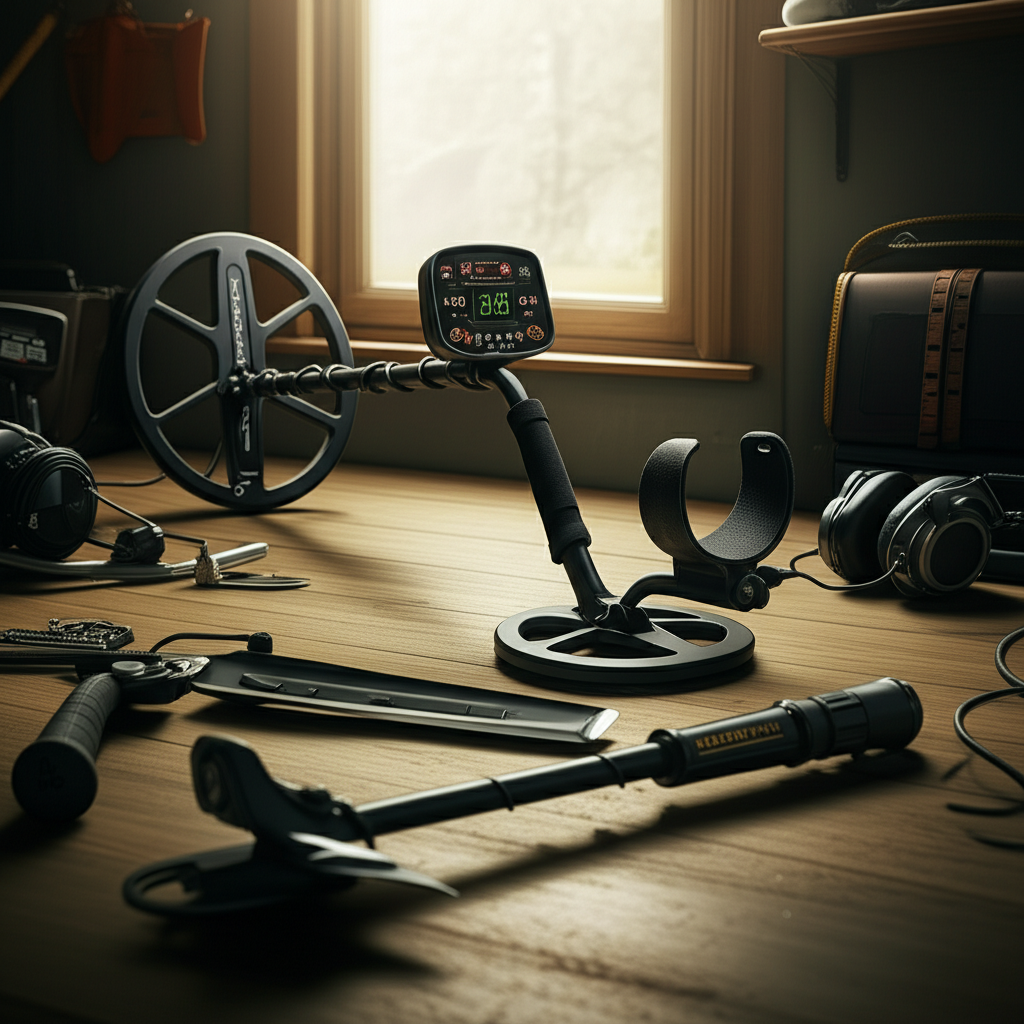
The Garrett AT Pro is a perennial favorite, renowned for its ruggedness and versatility. Its waterproof design means you can confidently hunt in rivers, lakes, and the ocean, as well as through rain and mud. I’ve personally found it to be incredibly reliable in challenging conditions, from mineralized soil to salty beaches.
Key Features:
Waterproof to 10 feet
Pro Mode Audio for enhanced target sounds
Fast Target Recovery
Ground Balance and Discrimination settings
Pros: Excellent all-around performance, durable build, suitable for various terrains.
Cons: Can be a bit heavy for extended use, audio tones might require some learning.
The AT Pro’s robust construction and adaptable settings make it a dependable choice for serious detectorists who demand performance across different environments. It’s a workhorse that delivers consistent results.
Minelab Equinox 800: The Multi-Frequency Marvel
The Minelab Equinox 800 is a game-changer, offering simultaneous multi-frequency technology. This allows it to detect a wide range of targets with exceptional sensitivity, from tiny gold flakes to deep-lying coins. I’ve been particularly impressed with its performance on the beach, where its ability to handle saltwater interference is remarkable.
Key Features:
Multi-Frequency Simultaneous technology
Five different search modes (All-Metal, Field, Park, Beach, Gold)
Wireless audio options
Backlit LCD screen
Pros: Unmatched versatility with multi-frequency, excellent depth and sensitivity, user-friendly interface.
Cons: Battery life could be better for very long hunts, can be a significant investment.
Its advanced technology and adaptability make the Equinox 800 one of the best rated metal detectors for anyone serious about finding more. It truly excels in diverse detecting scenarios.
Nokta Makro Legend: Innovation Meets Affordability
The Nokta Makro Legend has quickly earned a reputation for delivering high-end features at a more accessible price point. It boasts impressive depth, excellent target separation, and a comfortable design. I find its vibration feature particularly useful for underwater detecting or for those with hearing impairments.
Key Features:
Simultaneous Multi-Frequency (4kHz, 15kHz, 20kHz)
Waterproof up to 10 feet
Vibration function
Adjustable Iron Volume
Pros: Great value for the features offered, waterproof, good performance in various conditions.
Cons: The menu system can take a little getting used to, some users prefer a lighter build.
For detectorists seeking advanced capabilities without breaking the bank, the Nokta Makro Legend stands out as a top-rated option. It proves that you don’t need to spend a fortune to get exceptional detecting performance.
Essential Accessories to Enhance Your Finds
Beyond the detector itself, having the right accessories can dramatically improve your success rate and overall experience. These tools help you pinpoint targets, dig them safely, and carry your gear comfortably. I never leave home without these items.
Pinpointers: The Key to Precise Location
Once your detector signals a target, a pinpointer is indispensable for narrowing down the exact location in the plug of soil. This saves immense time and reduces the risk of damaging the item you’re trying to recover.
Garrett Pro-Pointer AT: Waterproof and rugged, this is a reliable companion for any detectorist. Its bright orange color makes it easy to find if dropped.
Minelab Pro-Find 35: Offers adjustable sensitivity and a unique Pro-Trak feature for easier target recovery. It also includes a burial alarm.
Nokta Pointer: A cost-effective option that still delivers good performance and durability.
Using a pinpointer is non-negotiable for efficient digging and recovering your finds intact. It transforms the digging process from guesswork to precision.
Digging Tools: The Right Tool for the Job
The type of digging tool you need depends heavily on your hunting environment. For parks and lawns, a small trowel might suffice, but for tougher soil or beach detecting, a sturdy digging shovel or sand scoop is essential.
Lesche Digging Tool: Widely considered the gold standard, these serrated shovels are incredibly strong and can cut through tough turf with ease.
Sand Scoops: Essential for beach detecting, these allow you to sift through sand efficiently to find targets. Look for ones with strong construction and comfortable handles.
Garden Trowels: Suitable for softer soil or when space is limited. Ensure it has a strong, comfortable grip.
Having the appropriate digging tool prevents frustration and ensures you can safely extract your finds without damaging them. It’s a critical part of the recovery process.
Coils: Expanding Your Detector’s Reach
While detectors come with a standard coil, upgrading can offer significant advantages. Larger coils cover more ground and offer greater depth, while smaller coils provide better target separation in trashy areas.
DD Coils: Generally offer better depth and excellent performance in mineralized ground and saltwater.
Concentric Coils: Known for superior target separation, making them ideal for areas with lots of iron trash.
Aftermarket Coils: Brands like Coiltek and NEL offer specialized coils that can significantly boost your detector’s performance for specific tasks like gold prospecting or relic hunting.
Experimenting with different coils can unlock new levels of performance from your best rated metal detector. It’s an investment that can pay off in more finds.
Understanding Metal Detector Technology
Metal detectors work by generating an electromagnetic field. When this field encounters a conductive metal object, it creates a secondary field that the detector’s coil can sense, signaling a potential find. Different technologies cater to different needs.
VLF vs. PI Detectors
Very Low Frequency (VLF) detectors are the most common type. They use two coils – one to transmit and one to receive – and are excellent at discriminating between different types of metals. They are ideal for coin and relic hunting in most conditions.
Pulse Induction (PI) detectors use a single coil that both transmits and receives pulses. They are less affected by mineralization and saltwater, making them superior for gold prospecting and deep-water detecting. However, they generally have less discrimination capability.
Understanding these fundamental technologies helps in choosing a detector suited for your primary hunting interests. Each type has its strengths for specific detecting scenarios.
Frequency and Its Impact
The frequency at which a metal detector operates significantly affects its performance. Low frequencies (around 5-10 kHz) are better for detecting larger, deeper targets like old coins and relics. High frequencies (15 kHz and above) are more sensitive to smaller, low-conductivity targets such as tiny gold nuggets and thin silver coins.
Multi-frequency detectors, like the Minelab Equinox series, offer the best of both worlds by operating on multiple frequencies simultaneously or allowing you to switch between them. This versatility makes them incredibly effective across a wide range of target types and ground conditions. Choosing the right frequency or a multi-frequency unit can make a big difference in what you find.
Choosing a Detector Based on Your Hunting Environment
The best rated metal detectors perform differently depending on where you hunt. Understanding your typical hunting grounds will guide you to the most suitable machine.
Parks and Lawns
These areas are great for finding lost jewelry, coins, and historically significant items. You’ll want a detector with good target separation to distinguish between desirable targets and modern trash (like pull tabs). A VLF detector with a high operating frequency or a multi-frequency detector is often ideal here.
Look for models with adjustable sensitivity and discrimination settings that allow you to filter out common iron debris. The Garrett AT Pro or Minelab Equinox 800 are excellent choices for these environments due to their versatility.
Beaches and Saltwater
Hunting near or in saltwater presents unique challenges due to the high conductivity of the sand and water. Detectors designed for this environment need excellent ground balancing capabilities and often operate on multiple frequencies or use Pulse Induction technology to overcome the interference.
The Minelab Equinox series is highly regarded for its beach performance, effectively handling saltwater mineralization. The Garrett AT Pro, with its waterproof design and ground balancing, is also a strong contender for wet sand and shallow water finds.
Woodlands and Fields
These locations can hold older coins, relics, and artifacts. The soil here can sometimes be highly mineralized, which can affect detector performance. A detector with good ground balancing and a range of frequency options is beneficial.
For deeper targets and mineralized soil, a PI detector might be considered for gold prospecting, but for general relic and coin hunting in fields, a versatile VLF like the Garrett AT Pro or the Nokta Makro Legend can perform exceptionally well.
Gold Prospecting
Finding gold requires specialized detectors, often Pulse Induction (PI) machines or high-frequency VLF detectors. PI detectors are less susceptible to the effects of mineralized soil, which is common in gold-bearing areas. High-frequency VLF detectors excel at picking up tiny gold nuggets.
While not always considered “best rated metal detectors” for general use, dedicated gold machines from brands like Minelab (GPZ series) or Garrett (AT Gold) are paramount for serious gold hunters. The Equinox 800 also has a dedicated gold mode that performs admirably for smaller finds.
Beginner-Friendly Metal Detectors
Starting out in metal detecting should be exciting, not intimidating. Several best rated metal detectors are designed with beginners in mind, offering intuitive controls and essential features without overwhelming complexity.
Garrett Ace 300i/400i: These detectors are very popular for beginners. They are lightweight, easy to use, and offer good performance for the price. They provide clear target identification and are excellent for coin and jewelry hunting in parks and dry fields.
Bounty Hunter TK4 Tracker IV: A very basic, yet effective detector that is incredibly simple to operate. It’s a great entry-level option for those who want to get started without a steep learning curve.
Minelab Vanquish Series: These detectors utilize Multi-IQ technology (Minelab’s multi-frequency tech) in an affordable package. They offer more advanced performance than typical beginner detectors but remain easy to use.
These models provide a solid foundation for learning the ropes of metal detecting. They allow you to gain experience and confidence before potentially investing in more advanced equipment.
Advanced Features to Look For
As you progress in your metal detecting journey, you might seek detectors with more sophisticated features to refine your search and improve your find rate.
Target ID (Numerical): This feature provides a numerical value representing the probable type of metal detected, helping you decide whether to dig. The higher the number, generally the more conductive the target (like silver or copper).
Adjustable Notch Discrimination: This allows you to ignore specific target IDs, such as iron or foil, while still detecting other valuable metals. It’s crucial for managing trashy sites.
Ground Balance: Essential for mineralized soil or saltwater, ground balancing cancels out the ground signal, allowing the detector to focus on targets. Automatic and manual options are available.
Multiple Frequencies/Multi-IQ: As discussed, this technology significantly enhances a detector’s ability to find a wider range of targets in various conditions.
These advanced features empower you to fine-tune your detector’s performance for specific conditions and target types. They are hallmarks of many of the best rated metal detectors.
Tips for Maximizing Your Finds
Beyond having the best rated metal detectors, technique and knowledge play a huge role. Here are some field-tested tips to help you unearth more treasures.
1. Master Your Detector’s Settings: Read the manual thoroughly and practice in your yard with known targets. Understand how each setting affects performance.
2. Learn Target Tones: Different tones correspond to different metal types and depths. Learning these nuances will help you make better digging decisions.
3. Sweep Properly: Overlap your sweeps by about half the coil’s width to ensure you don’t miss targets. Move the coil at a consistent, moderate speed.
4. Dig Carefully: Always dig a neat plug and check it thoroughly with your pinpointer. Try to recover the target without damaging it.
5. Research Local History: Understanding the history of an area can give you clues about what kinds of items might be buried there. Old home sites, battlefields, and popular gathering spots are often productive.
6. Join a Club or Forum: Connecting with other detectorists is invaluable for learning new techniques, getting advice, and finding new hunting locations.
Consistent practice and a willingness to learn are key to becoming a successful detectorist. These habits will amplify the capabilities of even the best rated metal detectors.
Maintaining Your Metal Detector
Proper maintenance ensures your metal detector remains in peak condition and lasts for years. After each outing, especially if you’ve been near water or in dusty conditions, follow these simple steps.
Clean the Coil: Wipe down the search coil with a damp cloth to remove dirt and debris. Check for any damage or cracks.
Wipe Down the Control Box and Shaft: Use a soft, damp cloth to clean the rest of the detector. Avoid harsh chemicals that could damage the finish or electronics.
Check Connections: Ensure all cables and connections are secure and free from corrosion.
* Store Properly: Keep your detector in a dry, temperate place, away from direct sunlight or extreme temperatures. Using a detector carry bag or case is highly recommended.
A little bit of care goes a long way in preserving your investment and ensuring your detector is ready for your next adventure. This simple routine protects your valuable tool.
Frequently Asked Questions
Frequently Asked Questions
What is the best metal detector for a beginner?
For beginners, the Garrett Ace 300i/400i or the Minelab Vanquish series are excellent choices. They offer a good balance of performance, ease of use, and affordability, allowing you to learn the basics without feeling overwhelmed.
How deep can the best rated metal detectors find targets?
The depth depends on the detector’s technology, coil size, target size, and ground mineralization. High-end detectors with larger coils can potentially detect targets several feet deep, while smaller targets in average soil might be found from 6-12 inches.
Is it legal to metal detect everywhere?
Legality varies greatly by location. It’s crucial to research local laws regarding metal detecting on public lands (parks, beaches) and private property (always get landowner permission). Historical sites and protected areas are often off-limits.
What’s the difference between VLF and PI detectors?
VLF (Very Low Frequency) detectors use two coils and are good at discriminating between metals, ideal for coin and relic hunting. PI (Pulse Induction) detectors use one coil, are less affected by mineralization, and are better for gold prospecting and saltwater detecting.
Do I need a pinpointer?
Absolutely. A pinpointer drastically reduces digging time and effort by helping you locate the target precisely within the soil plug. It’s an essential accessory for efficient recovery.
Can I use my metal detector in the rain?
Many modern detectors, like the Garrett AT Pro and Nokta Makro Legend, are waterproof and can be used in rain or even submerged. Always check the manufacturer’s specifications for your specific model regarding water resistance.
What are the best rated metal detectors for gold?
For serious gold prospecting, Pulse Induction (PI) detectors like the Minelab GPZ series or high-frequency VLF detectors such as the Minelab Equinox 800 (in gold mode) or Garrett AT Gold are highly recommended due to their sensitivity to small gold nuggets and performance in mineralized ground.
Conclusion: Your Journey to Essential Finds Begins Now
Choosing the right equipment is the first step towards a rewarding treasure hunting experience. The best rated metal detectors, from the versatile Garrett AT Pro to the technologically advanced Minelab Equinox 800 and the value-packed Nokta Makro Legend, offer incredible capabilities for enthusiasts of all levels. Remember to complement your detector with essential accessories like pinpointers and appropriate digging tools. By understanding detector technology, matching your gear to your hunting environment, and practicing sound techniques, you’ll significantly increase your chances of unearthing those essential finds. Happy hunting!
