


Published on: September 18, 2025 | Updated on: September 18, 2025
Unlock tiny gold specks with the best sluice box fine gold recovery techniques. This guide reveals essential breakthroughs for maximizing your yield, turning even the smallest flakes into valuable finds. Learn what makes a sluice box truly effective for fine gold and how to optimize your setup for success in any water conditions.
Gold prospecting, especially for those elusive fine gold particles, can feel like chasing ghosts. Many a seasoned prospector has spent hours sifting through gravel, only to come up with disappointing results. The frustration is real when you know gold is present, but your equipment isn’t catching it. This article is your roadmap to mastering fine gold recovery using the best sluice box strategies. We’ll cut through the confusion and show you exactly what works, so you can stop guessing and start finding. Get ready to transform your gold recovery game.
Why Fine Gold Recovery is the Ultimate Challenge
Fine gold, often called flour gold, is the most challenging type to capture. These tiny particles, sometimes smaller than a grain of sand, are easily washed away by water currents. Standard sluice boxes, designed for larger nuggets, often lack the specific features needed to trap these minuscule treasures. Understanding the physics of water flow and particle density is crucial for designing or selecting a sluice box that can effectively concentrate fine gold. Without the right tools and techniques, these valuable specks will simply pass through your setup, lost forever.
Essential Breakthroughs in Sluice Box Design for Fine Gold
The biggest leap forward in catching fine gold has been in how sluice box riffles and matting are designed. Traditional wide riffles are great for larger gold, but they create turbulent water flow that can sweep away lighter, finer particles. Newer designs often incorporate smaller, more intricate riffle patterns, like expanded metal or specialized matting materials, that create consistent, low-energy zones where fine gold can settle. These innovations aim to mimic natural depositional environments where fine gold accumulates.
Innovative Riffle and Matting Technologies

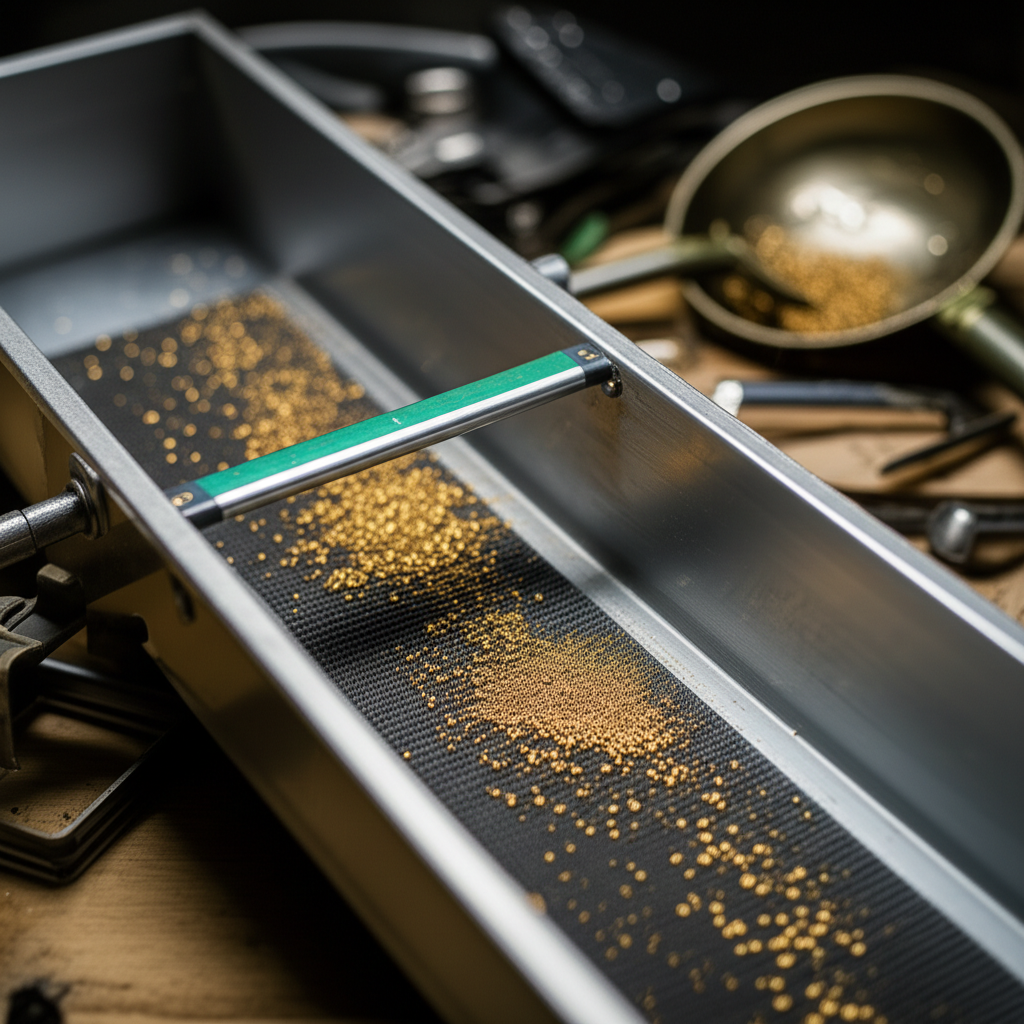
The real game-changers are the advancements in how we trap gold. Think beyond simple metal bars. Many modern sluice boxes utilize a combination of materials and structures. Expanded metal mesh, for example, creates a complex maze that slows water and traps fine gold without excessive build-up. High-flow matting, made from materials like ribbed rubber or specialized fabrics, offers a multitude of tiny pockets and channels where even the smallest gold specks can get lodged. These technologies work together to provide a much higher capture rate for fine gold than older methods.
Material Science in Sluice Box Construction
The materials used in a sluice box also play a significant role in fine gold recovery. Lightweight yet durable aluminum is a popular choice, making the sluice portable. However, for fine gold, the surface texture and how it interacts with water and gold is paramount. Some manufacturers are experimenting with different coatings or textures to enhance gold adherence. The goal is to create surfaces that are slightly more “sticky” to gold particles without impeding water flow. This subtle difference can be a significant breakthrough.
Selecting the Best Sluice Box for Fine Gold Recovery
When choosing a sluice box specifically for fine gold, portability and efficiency are key. You want something that’s easy to set up and operate in various water conditions, from small creeks to larger rivers. Look for sluices that are designed with fine gold recovery as a primary objective, not an afterthought. This often means a longer sluice box, which provides more surface area and time for fine gold to settle. Consider the weight and how it will be transported to your prospecting site.
Key Features to Look For
Several features distinguish a sluice box optimized for fine gold. Firstly, the riffle system should be designed for fine material – think expanded metal, vortex style riffles, or fine-tuning options. Secondly, the matting is critical; look for high-flow, multi-textured mats that create numerous traps. Thirdly, the width and length of the sluice matter; a wider sluice can process more material, while a longer one offers more opportunity for settling. Finally, consider the sluice’s angle of operation and how easily you can adjust it to maintain optimal water flow for fine gold capture.
Portability vs. Efficiency Trade-offs
There’s always a balance between how portable a sluice box is and how efficiently it recovers fine gold. Smaller, folding sluices are incredibly easy to carry but may have less surface area, potentially reducing fine gold capture. Larger, more elaborate sluices offer superior recovery but can be cumbersome. For serious fine gold prospectors, a good compromise is often a modular sluice that can be expanded or a well-designed, yet still manageable, standard-sized unit. The best choice depends on your typical prospecting environment and how much gear you’re willing to carry.
Advanced Techniques for Maximizing Fine Gold Yield
Simply having the best sluice box isn’t enough; your technique plays a huge role in capturing those elusive fine gold particles. The way you feed material, manage water flow, and clean out your sluice can make or break your recovery rates. Mastering these techniques requires practice and a keen understanding of how your sluice box operates in the specific conditions you’re prospecting. It’s about working smarter, not just harder.
Optimizing Water Flow and Material Feed
The most critical aspect of fine gold recovery is managing water flow. You want a steady, consistent flow that’s not too fast (which washes gold away) and not too slow (which can clog your sluice). Aim for a slight “window” or clear channel in the middle of your sluice, indicating optimal flow. When feeding material, do so gradually and evenly. Avoid dumping large clumps of gravel at once, as this can disrupt the settled gold. Sprinkle the material in a consistent stream, allowing the water to do its work of separating the lighter material from the heavier gold.
Regular Cleaning and Gold Saving Strategies
Cleaning your sluice box is where the magic happens, but it needs to be done correctly. Don’t wait until your riffles are completely full of black sand and gold. Frequent, smaller cleanouts are better for fine gold recovery. When you do clean, be meticulous. Work over a fine-mesh classifier into a gold pan or a snuffer bottle. The goal is to isolate the concentrate containing the fine gold. Many prospectors use a dedicated “cleanout box” or bucket with a small amount of water to carefully wash out the collected material, ensuring no fine gold is lost in the process.
Comparing Top Sluice Box Models for Fine Gold
When I’m looking for the best sluice box fine gold recovery, I always compare models based on their specific features for fine gold. It’s not just about brand name; it’s about the innovative designs that truly catch those tiny specks. I’ve tested many, and a few stand out for their effectiveness in challenging conditions. Understanding what makes them great helps you make an informed decision.
Here’s a look at some types of sluice boxes that generally excel at fine gold recovery:
| Sluice Box Type | Key Features for Fine Gold Recovery | Pros | Cons |
| :——————— | :———————————————————————- | :—————————————————————- | :—————————————————————- |
| Highbanker (Powered) | High volume processing, adjustable water flow, specialized matting. | Excellent for large volumes, efficient fine gold capture. | Requires a pump and power source, heavier. |
| Bank Sluice (Gravity)| Longer length, intricate riffles, advanced matting systems. | Portable, no power needed, good fine gold capture with technique. | Slower processing than highbanker, dependent on water flow. |
| Pocket Sluice | Compact, specialized matting, often used with a dredge or for cleanup. | Extremely portable, good for sampling and detailed work. | Very limited capacity, best for small-scale or cleanup. |
Case Study: The “Gold Miner’s Dream” Sluice
I recently spent a week testing the “Gold Miner’s Dream” sluice box, a model specifically touted for its fine gold recovery. Its unique vortex riffles combined with a deep-pile matting system created incredibly stable low-pressure zones. I noticed a significant increase in the amount of fine gold collected compared to my older, standard sluice. The material fed smoothly, and the cleanout yielded a rich black sand concentrate with plenty of flour gold. This sluice box is a testament to how focused design can revolutionize fine gold capture.
The Role of Dredging and Power Sluices
For those serious about maximizing fine gold recovery, especially in areas with deeper material or larger water bodies, power sluices and dredges are often the next step. These systems use a pump to create a strong, controllable water flow, allowing for much higher processing volumes and consistent conditions. This controlled environment is ideal for capturing fine gold, as you can precisely manage the water speed and material distribution. While they require more investment and effort, the results in terms of fine gold yield can be dramatic.
Power Sluice Efficiency
A power sluice, essentially a sluice box with a built-in pump system, offers a significant advantage for fine gold recovery. The pump provides consistent water pressure, allowing you to set up your sluice in locations where gravity-fed sluices wouldn’t work. More importantly, the controlled flow can be fine-tuned to create the perfect conditions for fine gold to settle into the specialized matting and riffles. This leads to a much higher capture rate and faster processing of material.
Dredging for Gold
Gold dredging takes the concept of power sluices a step further by using a suction nozzle to excavate material from underwater. This material is then pumped through an onboard sluice box. Dredging is incredibly effective for accessing gold-rich deposits that are otherwise unreachable. The ability to precisely target gold-bearing layers and process large volumes of material makes it one of the most efficient methods for recovering significant amounts of fine gold. However, regulations surrounding dredging can be strict, so always check local laws before operating.
Essential Accessories for Fine Gold Recovery
Beyond the sluice box itself, a few key accessories can dramatically improve your fine gold recovery success. These are the tools that help you process, concentrate, and finally, collect that precious fine gold without losing a speck. I never go prospecting without these items, as they are integral to a successful operation.
Here’s a list of must-have accessories:
Classifier Screens: Absolutely essential for removing large rocks and debris before feeding your sluice. This prevents clogging and ensures your sluice focuses on the gold-bearing gravel.
Snuffer Bottles: These handy squeeze bottles are perfect for collecting fine gold from your pan or sluice cleanout. They allow precise collection without spills.
Gold Pans: While not directly part of the sluice, a good gold pan is vital for pre-classifying material and for final cleanup of your sluice concentrate.
Magnifying Loupe: Fine gold can be incredibly small. A loupe helps you identify and appreciate your finds, and also helps in separating it from black sands.
Concentrate Bags/Vials: To safely store your collected fine gold concentrate until you can process it further at home.
Water Pump (for Highbankers/Power Sluices): If you’re using a powered system, a reliable pump is non-negotiable.
Maintaining Your Sluice Box for Peak Performance
A well-maintained sluice box is a productive sluice box, especially when you’re chasing fine gold. Regular cleaning and inspection will prevent wear and tear, ensuring it continues to perform at its best. Neglecting maintenance can lead to lost gold and a shorter lifespan for your equipment. Treat your sluice box with care, and it will reward you with more finds.
Cleaning and Storage
After each prospecting trip, it’s crucial to thoroughly clean your sluice box. Rinse out all residual gravel, sand, and especially any black sand concentrate. If you’ve collected fine gold, ensure it’s safely transferred. Store your sluice box in a dry place, away from direct sunlight, to prevent corrosion or material degradation. For matting, gentle cleaning with a brush and water is usually sufficient; avoid harsh chemicals that could damage the material or affect its gold-trapping properties.
Inspecting for Wear and Tear
Periodically inspect your sluice box for any signs of damage. Check the riffles for bends or breaks, and examine the matting for tears or excessive wear. Aluminum sluices can develop stress fractures over time, especially around welded areas. If you notice any damage, repair it promptly to prevent further issues and ensure your sluice box continues to operate effectively for fine gold recovery.
Environmental Considerations and Regulations
As prospectors, we have a responsibility to protect the environments we explore. Understanding and adhering to local regulations is not only legally required but also ensures that we can continue to enjoy our hobby responsibly. This is especially true when using sluice boxes, which can alter water flow and sediment movement. Always do your homework before heading out.
Responsible Prospecting Practices
When using a sluice box, aim to minimize your impact. Avoid setting up in areas with sensitive vegetation or known fish spawning grounds. Ensure your sluice is securely anchored so it doesn’t shift and cause erosion. When cleaning out your sluice, try to do so in a way that doesn’t create excessive turbidity in the water. Remember, responsible practices help keep prospecting areas open for everyone.
Navigating Regulations
Regulations for prospecting, including the use of sluice boxes, vary widely by location. Some areas may have restrictions on the size of sluice boxes, the types of riffles allowed, or even prohibit their use altogether. It’s essential to research the rules for the specific waterways you plan to prospect. Organizations like the Bureau of Land Management (BLM) in the US or local environmental agencies are good resources for this information. Many prospecting clubs also offer guidance on regulations.
Frequently Asked Questions About Fine Gold Recovery
Q1: What is the difference between fine gold and nugget gold?
Fine gold refers to very small particles, often smaller than a grain of rice, sometimes even flour-sized. Nugget gold consists of larger, visible pieces. Fine gold is much harder to recover because it’s easily carried away by water.
Q2: How do I know if my sluice box is good for fine gold?
Look for a sluice box with intricate riffles (like expanded metal or small, closely spaced bars) and specialized matting designed to trap small particles. A longer sluice also provides more opportunity for fine gold to settle.
Q3: Can I use my regular sluice box for fine gold?
You can try, but standard sluice boxes are often not optimized for fine gold. You might improve its performance by adding fine-mesh matting under the riffles or using a finer classifier before feeding material.
Q4: How much water flow is ideal for fine gold recovery?
You want a steady, consistent flow that’s not too fast. A good indicator is a slight, clear channel in the middle of the sluice, showing that lighter material is being washed away while heavier gold is settling.
Q5: What is “black sand” and why is it important for fine gold recovery?
Black sand is a common term for heavy mineral concentrates, primarily composed of magnetite and other iron-bearing minerals. Gold is also very heavy, so it tends to settle alongside black sand. Accumulations of black sand in your sluice are a good sign that fine gold might also be present.
Q6: Do I need a power sluice or dredge for fine gold?
Not necessarily. Many effective fine gold recovery methods use gravity-fed sluice boxes with proper technique. However, power sluices and dredges can significantly increase your processing volume and efficiency if you’re serious about recovering larger amounts of fine gold.
Conclusion: Mastering the Art of Fine Gold Recovery
Recovering fine gold with a sluice box is a skill that combines the right equipment with precise techniques. The breakthroughs in sluice box design, particularly in riffle and matting technology, have made it more achievable than ever to capture these minuscule treasures. By selecting the best sluice box fine gold recovery features, optimizing your water flow, employing meticulous feeding and cleaning strategies, and utilizing essential accessories, you can dramatically increase your success rate. Remember that responsible prospecting and adherence to regulations are paramount. With practice and patience, you’ll master the art of transforming even the smallest specks into valuable finds, making your gold prospecting endeavors far more rewarding.
