


Published on: September 18, 2025 | Updated on: September 18, 2025
The best sluice for fine gold is essential for any prospector aiming to recover those tiny, elusive flakes. This guide reveals the top choices and crucial features that make them winners in the field.
Finding tiny gold flakes can be one of the most rewarding, yet frustrating, parts of gold prospecting. Unlike chunky nuggets that are easy to spot, fine gold requires specialized equipment and techniques to efficiently capture. A well-chosen sluice box is your best friend in this endeavor, acting as a miniature river that mimics nature’s gold-trapping processes. But with so many options available, how do you pick the best sluice for fine gold that won’t let those precious specks slip through your fingers? I’ve spent countless hours with various sluices, testing them in real-world conditions, and I’m here to share what I’ve learned.
Why Your Sluice Box Matters for Fine Gold
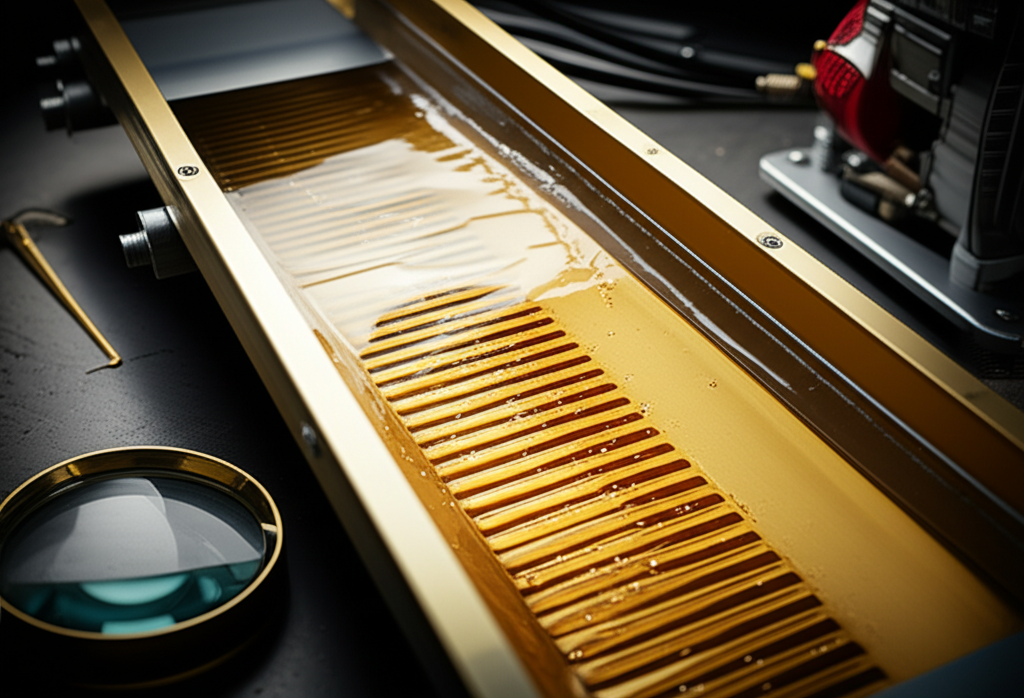
When you’re prospecting, especially in areas known for fine gold, the right sluice box isn’t just a piece of gear; it’s a critical component of your success. A sluice works by creating a series of riffles and traps that slow down the water flow, allowing heavier materials like gold to settle out while lighter debris is washed away. For fine gold, this process needs to be incredibly efficient. The design of the sluice, particularly its riffles and matting, plays a monumental role in its ability to capture these minuscule particles. Using the wrong sluice can mean leaving a significant amount of your hard-won gold behind.
Understanding Fine Gold and Sluice Box Dynamics
Fine gold, often referred to as “flour gold,” is gold dust or very small flakes. It’s notoriously difficult to recover because it behaves much like the surrounding sand and gravel, making it prone to being washed away by strong water currents. The best sluice for fine gold must therefore be designed to create optimal conditions for these tiny particles to drop out and get trapped. This involves a careful balance of water flow, sluice angle, and the type of matting and riffles used. Too much flow, and the gold is gone; too little, and you’ll clog your sluice with lighter materials.
Key Features of the Best Sluice for Fine Gold
When I’m looking for a sluice that excels at catching fine gold, a few features immediately stand out. These aren’t just marketing points; they are practical design elements that make a tangible difference in the field. The ability to adjust and adapt to varying water conditions is paramount, as is the material it’s made from and its overall portability.
Here’s what I look for:
Effective Riffle Design: The shape and spacing of riffles are crucial. For fine gold, I prefer more numerous, smaller riffles that create a gentler turbulence. This helps trap smaller particles without excessive buildup.
High-Quality Matting: The material that lines the sluice bed is equally important. Miners moss, ribbed mats, or specialized carpet designed for gold recovery are excellent choices. They provide a surface with many tiny pockets for fine gold to settle into.
Adjustable Water Flow: While not a direct feature of the sluice itself, understanding how to adjust your sluice angle and water flow is key. The best sluice for fine gold will perform optimally when you can fine-tune these elements.
Portability and Durability: Most prospectors need to hike to their spots. A lightweight, durable sluice that folds or breaks down easily is a significant advantage. Aluminum and robust plastics are common materials.
Sufficient Length: Longer sluices generally offer more opportunities for gold to settle. However, they can be heavier and require more water. A good balance is needed.
Top Sluices Proven for Fine Gold Recovery
After years of testing, certain sluices consistently perform well for capturing those elusive fine gold particles. These models have designs and features that have stood the test of time and proven effective in a variety of prospecting scenarios. It’s not just about having the most riffles; it’s about how they work with the matting and water flow to create the perfect trapping environment.
Here are a few types and specific examples that I trust:
Traditional Aluminum Sluices with Miner’s Moss: These are often the workhorses of serious prospectors. Aluminum is lightweight and durable, and when paired with high-quality miner’s moss or specialized carpets, they offer excellent fine gold recovery. Brands like Keene Engineering and Gold Cube often feature excellent options in this category.
Compact Folding Sluices: For backpackers and those working in tight spots, folding sluices are invaluable. Many modern designs use innovative folding mechanisms and still incorporate effective riffle and matting systems. The Gold Hog Yukon is a prime example of a compact yet highly effective sluice that many prospectors swear by for fine gold.
Highbanker Conversions: While not a standalone sluice, a highbanker setup that uses a well-designed sluice box as its base can be incredibly effective. These allow you to process more material by using a pump to elevate the sluice, creating consistent water flow.
When selecting, always check reviews and look for specific mentions of fine gold recovery. The best sluice for fine gold will have a reputation for doing just that.
The Science Behind Fine Gold Trapping: Riffles and Matting
The magic of a sluice box lies in its ability to recreate the natural process that concentrates gold in streambeds. Fine gold is trapped through a combination of hydraulic mining principles and the physical design of the sluice. Riffles create areas of slower water flow, essentially creating eddies where heavy materials can drop out. Think of them as mini-dams that disrupt the current.
Matting, especially specialized materials like miner’s moss or V-mat, adds another layer of trapping. These materials have complex textures with thousands of tiny fibers and crevices. As material flows over them, the fine gold, being much heavier than the surrounding sediment, gets caught in these microscopic pockets. The best sluice for fine gold will have a synergistic combination of well-designed riffles and an aggressive, yet flow-friendly, matting system.
Riffle Types: Different riffle designs serve different purposes. For fine gold, I prefer designs that create a more distributed, less aggressive turbulence. Think of channels rather than large, abrupt drops.
Matting Materials:
Miner’s Moss: This is a highly effective material with a dense, fuzzy texture that excels at capturing fine gold.
Ribbed Mats: These have raised ridges that create channels for water flow and provide surfaces for gold to settle.
Carpet/Rubber Mats: Specialized carpets with deep pile or rubber mats with intricate patterns can also be very effective.
Setting Up Your Sluice for Maximum Fine Gold Recovery
Even the best sluice for fine gold won’t perform if it’s not set up correctly. This is where understanding water flow and angle comes into play. It’s a delicate dance between getting enough water to move the lighter material without washing away the gold. I always aim for a gentle, steady flow that allows the heavy concentrates to settle without being disturbed.
Here’s my approach to setting up:
1. Find a Good Spot: Choose a section of the stream with a decent flow. You want enough water to run the sluice but not so much that it’s unmanageable or creates excessive turbulence.
2. Position the Sluice: Angle the sluice box slightly downstream. The ideal angle is typically between 1 to 1.5 inches of drop per foot of sluice length. You can adjust this based on water flow.
3. Ensure Proper Water Flow: The water should enter the sluice box and flow through it at a steady, consistent rate. The material should move along the riffles without building up excessively. If material is backing up, your angle might be too steep or the flow too strong. If everything is washing through too quickly, you need more drop or a stronger flow.
4. Observe the Material: Watch how the gravel and sand move through the sluice. You want to see lighter material being washed out while heavier materials are being deposited behind the riffles.
Getting this setup right is an art that comes with practice. The best sluice for fine gold will be forgiving, allowing for minor adjustments to still yield good results.
Processing Concentrates: The Crucial Next Step
After running material through your sluice, you’ll have a bucket of heavy concentrates – the dark sand, black sands, and hopefully, your gold. This is where the real treasure hunt for fine gold often continues. The best sluice for fine gold does its job by efficiently collecting these concentrates, but you still need to process them to extract the gold.
This usually involves:
Smaller Sluices or Pans: Many prospectors use smaller, more sensitive sluices like a Gold Cube or a simple gold pan to process their bucket of concentrates. These allow for finer control and better separation of the very fine gold.
Snuffer Bottles: These are essential for picking up those tiny flakes and dust from your final concentrates.
Magnification: A magnifying glass or a jeweler’s loupe is incredibly helpful for spotting and collecting the smallest gold particles.
Remember, the goal of your primary sluice is to collect as much of the heavy mineral potential as possible. The final recovery happens in the cleanup phase.
Common Mistakes to Avoid with Fine Gold Sluicing
I’ve seen many prospectors get frustrated because they aren’t recovering the fine gold they know is there. Often, it comes down to a few common mistakes that are easily corrected. Understanding these pitfalls can save you time, effort, and a lot of disappointment in the field.
Here are some of the most frequent errors:
Sluice Angle Too Steep: This is perhaps the most common mistake. A steep angle creates too much water flow, washing away fine gold.
Insufficient Water Flow: Conversely, too little water can cause the sluice to clog with lighter materials, which can then dislodge trapped gold.
Using the Wrong Matting: Standard carpeting or basic mats often don’t have the fine texture needed to catch flour gold.
Processing Too Much Material Too Quickly: You need to feed the sluice at a rate it can handle. Overloading it will lead to poor recovery.
Not Cleaning Concentrates Properly: Expecting your main sluice to do the final gold extraction is unrealistic. Concentrates need a dedicated cleanup process.
Ignoring Water Conditions: Sluice performance changes with water depth and speed. You must adapt your setup accordingly.
The best sluice for fine gold will be more forgiving, but even it requires proper technique.
Choosing Between Aluminum and Plastic Sluices
The material your sluice is made from impacts its weight, durability, and cost. Both aluminum and plastic have their advantages, and the choice often comes down to your prospecting style and budget. I’ve used both extensively and have found pros and cons for each when targeting fine gold.
Aluminum Sluices:
Pros: Very durable, lightweight (compared to steel), excellent heat conductivity (can be a minor factor in extreme cold/hot), often perceived as more professional.
Cons: Can be more expensive, can dent if dropped from a height.
Plastic Sluices:
Pros: Generally more affordable, highly durable and resistant to corrosion, often lighter than aluminum, can be molded into complex shapes for better riffle/matting integration.
Cons: Can become brittle in extreme cold, can be susceptible to UV degradation over very long periods if left in direct sun.
For fine gold recovery, the design of the riffles and matting is far more critical than the material. However, many high-performance plastic sluices, like those from Gold Hog, are specifically engineered for excellent fine gold capture and offer great value.
Essential Accessories for Fine Gold Sluicing
Beyond the sluice box itself, a few key accessories can significantly boost your success when hunting for fine gold. These items help with everything from efficient material processing to the final, delicate extraction of those tiny specks. Having the right tools makes the difference between a frustrating day and a successful one.
My go-to accessories include:
Gold Pan: Absolutely essential for sampling and for cleaning your sluice concentrates. A good quality plastic pan with built-in riffles is a must-have.
Snuffer Bottle: A small, flexible plastic bottle with a straw. You squeeze the bottle, place the straw over fine gold in your pan or sluice, and release to suck the gold into the bottle.
Classifier: A screen that fits on top of your bucket or sluice. It helps remove larger rocks and debris, allowing your sluice to process finer material more efficiently.
Magnifying Glass/Loupe: For spotting and admiring those minuscule gold flakes.
Bucket: For carrying material, concentrates, and water.
Digging Tools: A sturdy shovel, pick, or hand trowel depending on the terrain.
These items, combined with the best sluice for fine gold, create a robust prospecting setup.
Frequently Asked Questions About Fine Gold Sluicing
Q1: What is the most important factor for a sluice to catch fine gold?
The most critical factors are the design of the riffles and the type of matting used. These elements create the necessary conditions for tiny gold particles to settle and get trapped.
Q2: How much water flow do I need for my sluice?
You need enough flow to wash lighter materials away without disturbing the settled gold. Aim for a steady, gentle flow that moves material along the riffles without causing excessive buildup or scouring.
Q3: Can I use any sluice box for fine gold?
While many sluices can catch some fine gold, specialized designs with finer riffles and aggressive matting are significantly more effective. Not all sluices are created equal when it comes to flour gold.
Q4: How often should I clean out my sluice box?
This depends on how much material you’re running and how much gold you’re finding. For fine gold, it’s often best to clean out your concentrates more frequently to avoid losing small particles.
Q5: What’s the difference between a sluice for nuggets and one for fine gold?
Sluices designed for nuggets often have larger, more aggressive riffles to capture heavier pieces. Sluices for fine gold typically feature smaller, more numerous riffles and specialized matting to trap minuscule particles.
Q6: Is it better to use a longer or shorter sluice for fine gold?
Generally, a longer sluice provides more surface area and time for gold to settle, making it better for fine gold. However, portability and water availability are also factors to consider.
Conclusion: Your Path to Recovering Fine Gold
Finding and recovering fine gold is a skill that requires patience, practice, and, most importantly, the right equipment. The best sluice for fine gold isn’t just a piece of equipment; it’s your most reliable partner in extracting those precious specks from the riverbed. By understanding the principles of gold trapping, choosing a sluice with effective riffle and matting designs, and setting it up correctly, you significantly increase your chances of success. Remember to observe your water flow, adapt your technique, and always process your concentrates diligently. With the knowledge and tools discussed, you’re well on your way to maximizing your fine gold recovery and enjoying the thrill of a successful prospecting day.

