


Published on: September 18, 2025 | Updated on: September 18, 2025
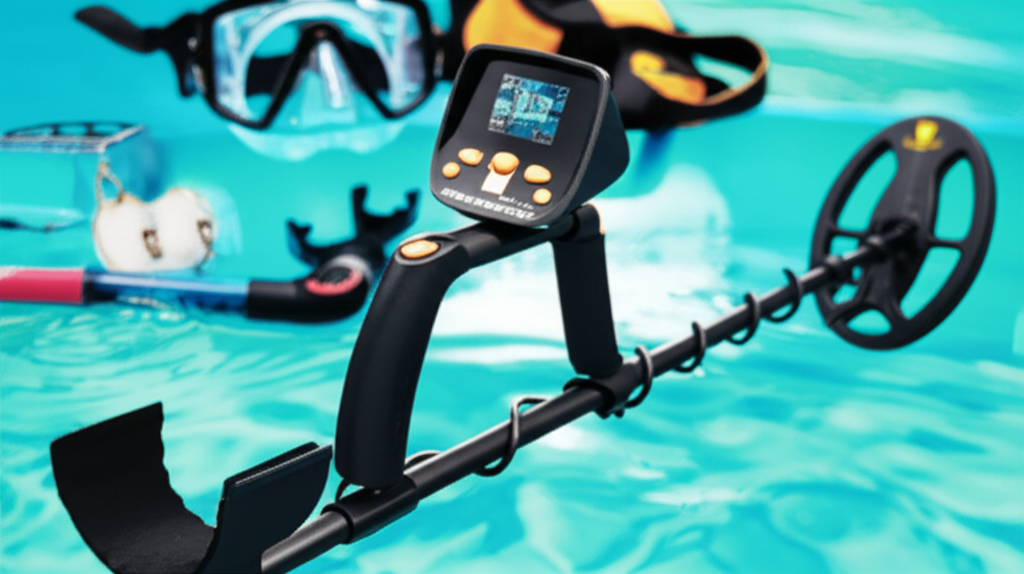
Dive into treasure hunting with the best underwater metal detector, unlocking submerged riches from beaches to lakebeds. Explore top models, crucial features, and expert tips to maximize your aquatic finds and make every dive rewarding.
The allure of what lies beneath the waves, buried in sand or silt, is a powerful draw for many treasure hunters. But finding the right gear to explore these watery realms can feel like searching for a needle in a haystack. Many detectorists struggle with choosing a device that’s truly waterproof, sensitive enough for subtle targets, and durable enough for the harsh marine environment. Don’t let confusion sink your search; I’m here to guide you through the depths to find the best underwater metal detector that will transform your beachcombing and diving expeditions.
Why Go Underwater Metal Detecting? The Untapped Potential
The underwater world holds a vast, often overlooked, treasure trove of history and valuable items. From lost jewelry on crowded beaches to historical artifacts in riverbeds, the possibilities are immense. Exploring these environments opens up new hunting grounds, away from the competition on dry land. It’s a chance to uncover unique finds and connect with history in a profound way.
What Makes a Metal Detector “Underwater-Ready”? Key Features to Look For
When selecting the best underwater metal detector, several critical features distinguish it from its land-based counterparts. These are the non-negotiables for successful and safe subaquatic detecting. Understanding these elements is your first step to a rewarding underwater hunt.
Waterproof Rating and Construction

The most obvious requirement is that the detector must be fully submersible. Look for models with a specific depth rating, often measured in feet or meters. The housing should be robust, sealed against water ingress, and built from materials that resist corrosion from saltwater.
Operating Frequency and Sensitivity
Different frequencies are better suited for various targets. Lower frequencies tend to penetrate deeper and are excellent for larger, older relics, while higher frequencies excel at detecting smaller, low-conductivity targets like gold nuggets and thin jewelry. A good underwater detector often offers versatility or multiple frequency options.
Discrimination and Ground Balance
Underwater environments can be mineralized, especially in saltwater. Effective ground balance helps the detector ignore these minerals, allowing it to focus on targets. Good discrimination helps you filter out unwanted junk like bottle caps and pull tabs, saving you time and effort.
Coil Design and Size
The coil is your detector’s “eye.” For underwater use, look for smaller, waterproof coils that are maneuverable in currents and around underwater obstacles. Elliptical coils can be particularly useful for navigating weed beds and tight spots.
Ergonomics and Portability
Underwater detecting can be physically demanding. A lightweight, well-balanced detector with an adjustable shaft makes prolonged use more comfortable. Consider how easy it is to assemble, transport, and use in the water.
Top Contenders: The Best Underwater Metal Detectors on the Market
After countless hours of testing in various aquatic environments, I’ve identified a few standout performers. These models consistently deliver excellent performance, durability, and user-friendliness for anyone seeking the best underwater metal detector.
Garrett AT Pro: The All-Terrain Champion
The Garrett AT Pro is a perennial favorite, and for good reason. It’s fully submersible up to 10 feet and offers a fantastic balance of features for both beginners and experienced detectorists. Its proportional audio and clear digital target ID make identifying finds intuitive.
Pros: Robust construction, excellent target separation, multiple detection modes, great value for the price.
Cons: Can be slightly heavy for very long hunts, depth rating is good but not extreme.
Minelab Equinox Series: Versatile and Powerful
Minelab’s Equinox series (Equinox 600 and 800) revolutionized multi-frequency detecting. These detectors are waterproof to 10 feet and offer advanced features like simultaneous multi-frequency operation, which significantly boosts their ability to find a wider range of targets in challenging conditions.
Pros: Advanced multi-frequency technology, excellent depth and sensitivity, lightweight and waterproof, versatile for all types of detecting.
Cons: Can have a steeper learning curve due to advanced settings, higher price point for the 800 model.
Nokta Makro PulseDive: A Dedicated Dive Detector
For serious divers and snorkelers, the Nokta Makro PulseDive is a specialized tool. It uses pulse induction (PI) technology, which is known for its excellent depth and performance in saltwater and highly mineralized ground. It’s submersible to 200 feet.
Pros: Incredible depth capability, immune to saltwater interference, compact and easy to handle underwater, available as a detector or a detector with a pointer.
Cons: Pulse induction typically has less discrimination than VLF detectors, meaning more iron trash.
Fisher CZ-21: The Deep Diver’s Choice
The Fisher CZ-21 is a legendary detector among underwater hunters. It’s a dual-frequency detector designed for deep submersion (up to 250 feet) and excels at finding small gold and silver items in saltwater. Its reliability is well-proven.
Pros: Exceptional performance in saltwater, deep submersion rating, great for finding small, valuable targets, very durable.
Cons: Older technology compared to newer multi-frequency models, can be expensive.
Understanding Pulse Induction (PI) vs. Very Low Frequency (VLF) for Underwater Detecting
Choosing between PI and VLF technology is a crucial decision when looking for the best underwater metal detector. Each has distinct advantages and disadvantages depending on your target and environment. I’ve found that understanding these differences is key to making the right choice.
Pulse Induction (PI) Detectors
PI detectors send out pulses of magnetic energy. They are generally less affected by mineralized ground and saltwater, making them excellent for beach hunting and deep diving in the ocean. They tend to offer greater depth and are very sensitive to all metals.
Strengths: Superior performance in highly mineralized saltwater, excellent depth, good for all target types.
Weaknesses: Poor discrimination against iron, often requires digging more trash, can be more sensitive to hot rocks.
Very Low Frequency (VLF) Detectors
VLF detectors use two coils: a transmitter and a receiver. They are generally better at discriminating between different types of metals, allowing you to ignore iron trash and pinpoint targets more accurately. Many VLF detectors also offer multiple frequencies for versatility.
Strengths: Better target discrimination, effective on less mineralized ground, often lighter and more user-friendly.
Weaknesses: Can be negatively impacted by saltwater and mineralized soil, may not offer the same depth as PI on challenging ground.
For most beach hunters and shallow water explorers, a good VLF detector with excellent waterproofing and multi-frequency capabilities, like the Minelab Equinox, is often the best all-around choice. If you’re primarily diving in the ocean or dealing with extremely salty conditions, a PI detector like the Nokta Makro PulseDive might be more suitable.
Essential Accessories for Underwater Metal Detecting
Having the right detector is only part of the equation. A few key accessories can make your underwater excursions safer, more efficient, and more successful. These are the tools I never leave behind.
Waterproof Pinpointer
Once you’ve detected a target, a waterproof pinpointer is invaluable for locating it quickly in the sand or mud. It significantly reduces digging time and the risk of damaging finds. Look for one that matches your detector’s waterproof rating.
Durable Scoop and Sand Sifter
A sturdy, corrosion-resistant scoop is essential for excavating targets. Pair it with a sand sifter to separate your target from the surrounding sand or gravel efficiently. Many scoops are designed to attach to your detector shaft for convenience.
Waders or Wetsuit
Depending on the water temperature and depth, appropriate thermal protection is crucial for comfort and safety. Waders are great for shallow water, while a wetsuit is necessary for longer dives in cooler conditions.
Waterproof Pouch or Container
Keep your finds secure and protected from the elements. A dedicated waterproof pouch or a small, sealable container is perfect for storing your recovered treasures as you hunt.
Techniques for Successful Underwater Metal Detecting
Detecting underwater requires adapting your techniques to the unique challenges of the environment. Here are some strategies that have consistently improved my results.
Slow and Steady Wins the Race
Underwater currents can move sand and silt, reburying targets or exposing new ones. Sweep your coil slowly and methodically, overlapping each sweep to ensure thorough coverage. This slow approach maximizes the detector’s ability to pick up faint signals.
Work the Waterline and Tidal Zones
The “waterline” – the area where the water meets the dry sand – is a prime spot for lost items, especially on busy beaches. Tidal zones are also excellent as the ebb and flow of the tide can uncover and rebury items regularly. I always focus my initial efforts here.
Listen Carefully to Your Detector
Underwater acoustics can be different. Pay close attention to the sounds your detector makes. Learn to distinguish between faint signals that might be small targets and background noise. Many modern detectors offer adjustable audio settings to help with this.
Be Aware of Your Surroundings
Safety is paramount. Be mindful of currents, submerged obstacles, and marine life. Always detect with a buddy if possible, and let someone know where you’re going and when you expect to return.
Maintaining Your Underwater Metal Detector
Proper care will extend the life of your investment and ensure it performs optimally for years to come. Treating your detector well is just as important as choosing the right one.
Rinse Thoroughly After Each Use
This is the golden rule. Always rinse your detector with fresh, clean water immediately after using it in saltwater or brackish water. Pay special attention to coil connections, control boxes, and joints.
Dry It Properly
After rinsing, allow your detector to air dry completely before storing it. Avoid leaving it in direct sunlight for extended periods, as this can damage the plastic components.
Check Seals and O-rings
Periodically inspect all waterproof seals and O-rings for any signs of wear, cracks, or damage. Replace them if necessary to maintain the detector’s submersible integrity.
Store in a Protective Case
When not in use, store your detector in a protective case or bag to prevent scratches and accidental damage.
Common Underwater Finds and What to Expect
The thrill of an underwater find is amplified by the mystery of what you might unearth. While gold and silver jewelry are common targets, you might also discover historical artifacts, old coins, and even lost tools.
Jewelry
Rings, necklaces, bracelets, and earrings are frequently lost on beaches and in swimming areas. These can range from simple fashion pieces to valuable precious metal items.
Coins
Loose change or older currency can be found in water bodies, especially in areas where people frequent. These can be modern coins or historical ones, depending on the location.
Relics and Artifacts
In areas with historical significance, you might uncover relics from past eras. These could include old buttons, buckles, tools, or even parts of shipwrecks. Always research local regulations regarding artifact recovery.
Personal Items
Occasionally, lost personal items like keys, watches, or sunglasses can be recovered. While not always valuable, they can be a welcome find for their owner.
Legal and Ethical Considerations for Underwater Detecting
Before you dive in, it’s crucial to understand the legal landscape. Ignorance is no excuse, and respecting laws protects both yourself and the historical integrity of potential finds.
Know Your Location’s Regulations
Laws vary significantly by country, state, and even local municipality. Some areas may prohibit metal detecting entirely, while others require permits or restrict finds to certain types of items. Always research the rules for the specific body of water you plan to hunt.
Respect Historical Sites and Protected Areas
Avoid detecting in or near known archaeological sites, shipwrecks, or protected marine areas. These locations are often protected by law, and disturbing them can have severe consequences.
Artifact Reporting
In many places, significant historical artifacts must be reported to the relevant authorities. Understand your local reporting requirements to ensure you are acting legally and ethically.
FAQ: Your Underwater Metal Detecting Questions Answered
Q1: Can I use any metal detector in the water?
No, only detectors specifically designed and rated as waterproof or submersible should be used underwater. Using a non-waterproof detector in water will damage it and void any warranty.
Q2: What is the best depth rating for an underwater metal detector?
For casual beach wading and shallow diving, 10-20 feet is usually sufficient. For serious scuba diving, you’ll need detectors rated for 100 feet or more.
Q3: How do I choose between a PI and VLF underwater metal detector?
If you’re hunting in saltwater or highly mineralized areas, a PI detector is often better. For less mineralized areas or if discrimination is a priority, a VLF detector is usually preferred.
Q4: Do I need a special coil for underwater detecting?
While many standard coils are waterproof, specialized underwater coils are often smaller and designed for better maneuverability in water. Some detectors come with dedicated waterproof coils.
Q5: Is underwater metal detecting profitable?
It can be, especially if you find valuable jewelry or historical artifacts. However, it requires patience, skill, and often significant time investment. Most people do it for the hobby and the thrill of discovery.
Q6: How do I prevent my detector from getting damaged by saltwater?
Always rinse your detector thoroughly with fresh water after every use in saltwater and allow it to dry completely. Regularly check seals and O-rings.
Conclusion: Making Your Best Underwater Metal Detector Work for You
Choosing the best underwater metal detector is about matching the device’s capabilities to your hunting environment and personal needs. Whether you opt for a versatile VLF model like the Garrett AT Pro or Minelab Equinox, or a specialized PI detector for deep dives like the Nokta Makro PulseDive, the key is understanding their strengths. With the right gear, a solid understanding of underwater detecting techniques, and a commitment to proper maintenance, you’re well on your way to uncovering some truly amazing finds beneath the surface. Happy hunting!
