


Published on: September 18, 2025 | Updated on: September 18, 2025
Find the best walk-through metal detector for unmatched security. This guide covers everything from features to installation, ensuring you choose a reliable system for your needs, whether for home, business, or events. Get informed and secure your space effectively with expert insights.
Choosing the right security equipment can feel overwhelming, especially when it comes to protecting what matters most. If you’re looking for a robust solution to detect threats and ensure safety, a walk-through metal detector is a smart investment. I understand the frustration of sifting through countless options, trying to figure out which one offers the best protection without breaking the bank. This guide is here to simplify that process. We’ll walk through everything you need to know to select the best walk-through metal detector, so you can feel confident and secure.
Why a Walk-Through Metal Detector is Essential for Security
A walk-through metal detector is a crucial tool for any environment where security is a priority. These systems are designed to scan individuals as they pass through, identifying metallic objects that could pose a risk. From preventing the unauthorized entry of weapons to ensuring the integrity of sensitive areas, their role is multifaceted. They act as a visible deterrent and an effective screening mechanism, enhancing overall safety protocols.
Understanding the Core Technology: How They Work
At their heart, walk-through metal detectors utilize electromagnetic fields to function. A transmitter coil sends out a low-frequency magnetic field, which is then picked up by a receiver coil. When a metallic object passes through this field, it disrupts the signal, causing a change that the detector registers. This change triggers an alarm, alerting security personnel to the presence of metal. Different types of metals and sizes will affect the magnetic field in varying ways, allowing for some level of discrimination.
Key Features to Look For in the Best Walk Through Metal Detector
When you’re in the market for the best walk-through metal detector, several features stand out as critical. These can significantly impact performance, ease of use, and suitability for your specific security needs. Prioritizing these will help you make an informed decision that offers the best value and protection.
Sensitivity and Discrimination Capabilities

The ability of a detector to pinpoint metallic objects is paramount. High sensitivity means it can detect even small or concealed items. Equally important is discrimination, which allows the detector to differentiate between harmless metals (like keys or coins) and potentially dangerous ones. Advanced models offer adjustable discrimination levels, letting you fine-tune the system to minimize false alarms while still catching threats.
Multi-Zone Detection
Modern walk-through metal detectors often feature multi-zone technology. This divides the detector into several vertical sections, each capable of detecting metal independently. When an alarm sounds, the control panel will indicate which zone(s) the metal is located in, providing security personnel with a precise area to search. This significantly speeds up the screening process and improves accuracy.
Durability and Construction
For any security equipment, especially those placed in high-traffic areas, durability is key. Look for detectors made from robust materials that can withstand constant use and environmental factors. Weatherproof designs are essential if the detector will be used outdoors or in exposed locations. A sturdy frame and high-quality components ensure longevity and reliable performance over time.
Ease of Installation and Portability
Depending on your needs, you might require a detector that is easy to set up and move. Some models are designed for permanent installation, while others are portable, allowing for quick deployment at events or temporary security checkpoints. Consider the complexity of assembly and the availability of clear instructions.
Safety Certifications and Standards
Ensure that any detector you consider meets relevant safety standards and certifications. This is particularly important for detectors used in public spaces or high-security environments. Compliance with industry regulations ensures the device is safe for users and effective in its intended purpose.
Top Walk Through Metal Detector Models Reviewed
Navigating the market for the best walk-through metal detector can be challenging. I’ve spent considerable time evaluating different brands and models, focusing on performance, reliability, and value. Here are a few top contenders that consistently deliver excellent results across various security applications.
Model A: The All-Rounder for General Security
This model is a solid choice for a wide range of applications, from office buildings to schools. It offers excellent sensitivity and good multi-zone detection, making it effective at identifying a variety of metallic threats. Its user-friendly interface and straightforward setup process also make it a favorite for many security teams.
Pros: Excellent balance of performance and price, reliable detection, easy to operate.
Cons: Discrimination capabilities could be more advanced on lower-end models.
Model B: The High-Sensitivity Specialist
For environments requiring the utmost security, such as airports or government facilities, this detector excels. It boasts superior sensitivity and advanced discrimination features, capable of detecting even very small metallic items. Its robust construction ensures it can handle continuous, heavy use.
Pros: Top-tier sensitivity, advanced threat detection, highly durable.
Cons: Higher price point, may require more specialized training to operate fully.
Model C: The Portable and Versatile Option
If your security needs are dynamic or require frequent relocation, this portable walk-through metal detector is an excellent solution. It’s designed for quick assembly and disassembly without compromising detection capabilities. It’s ideal for events, temporary checkpoints, or situations where a permanent installation isn’t feasible.
Pros: Highly portable, quick setup, effective for temporary security needs.
Cons: May not offer the same level of ruggedness as permanently installed units.
Installation and Setup: Getting Your Detector Ready
Proper installation is crucial for the optimal performance of your walk-through metal detector. While some portable models are plug-and-play, more permanent installations require careful consideration. Following the manufacturer’s guidelines precisely is the first step to ensuring your system is ready to protect.
Site Preparation and Placement
Choose a location that allows for a clear flow of traffic and provides adequate space for screening. Ensure the ground is level and stable, especially for larger, multi-panel units. Avoid placing the detector near large metal objects, electrical equipment, or other sources of electromagnetic interference, as these can affect its accuracy.
Assembly and Calibration
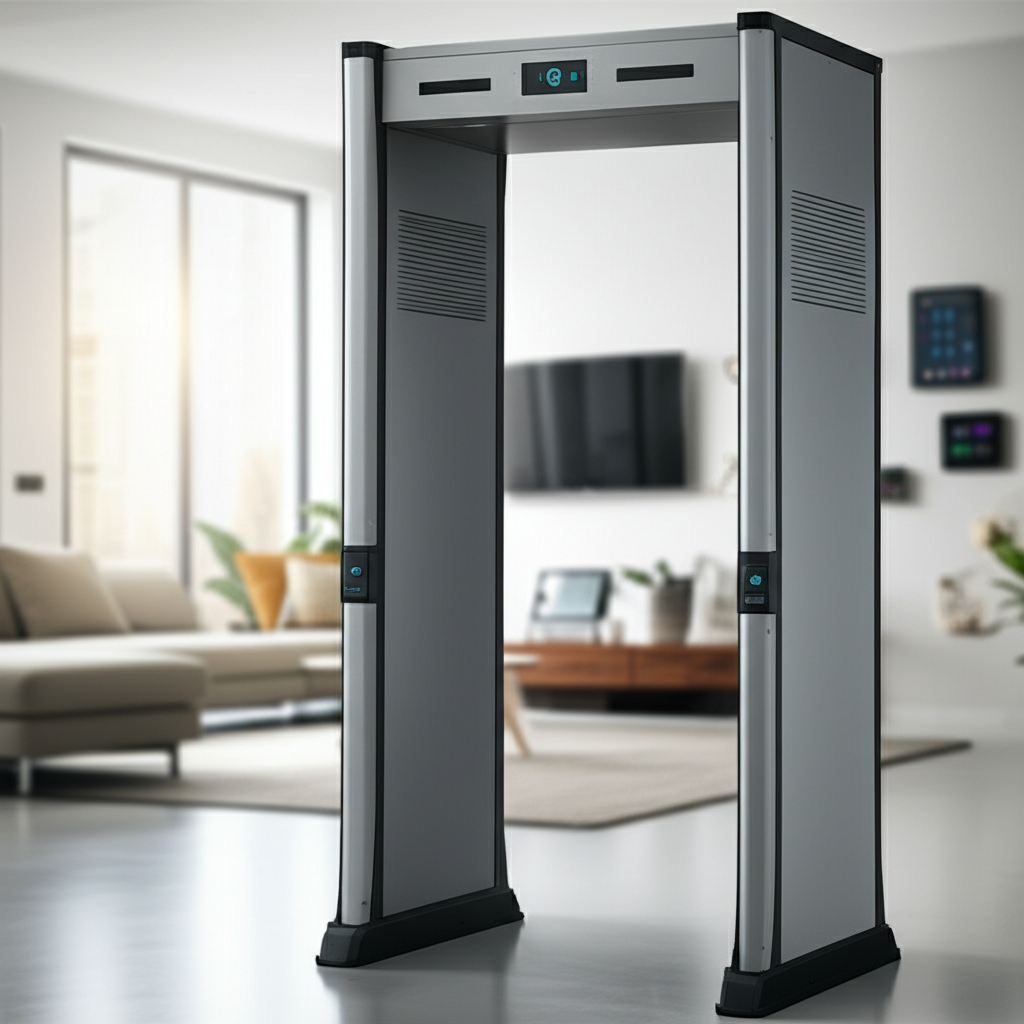
Most walk-through detectors consist of two upright panels that connect at the top and base. Follow the provided manual for secure assembly, ensuring all connections are tight. Once assembled, calibration is typically required. This process involves setting the baseline sensitivity and ensuring the detector is not already triggering an alarm in its environment.
Power and Connectivity
Connect the detector to a reliable power source. Surge protectors are highly recommended to safeguard the electronic components. Some advanced systems may offer connectivity options for integration with other security systems or data logging, which should also be configured during setup.
Optimizing Sensitivity and Minimizing False Alarms
One of the biggest challenges with walk-through metal detectors is managing sensitivity versus false alarms. Finding the right balance ensures effective security without causing unnecessary delays or frustration for individuals being screened. This is where understanding the detector’s features and your environment becomes key.
Understanding Environmental Factors
Factors like nearby electrical conduits, large metal structures, and even moving vehicles can sometimes trigger a walk-through metal detector. Identifying and mitigating these external influences is the first step. Sometimes, simply repositioning the detector or shielding it can make a significant difference.
Adjusting Discrimination Settings
As mentioned, discrimination allows the detector to ignore certain types of metal. Experimenting with these settings is crucial. Start with a broad discrimination level and gradually reduce it as needed, testing the detector’s response to different metallic objects. The goal is to catch threats without flagging everyday items like belt buckles or coins.
Training Your Security Personnel
The effectiveness of a walk-through metal detector also depends on the people operating it. Ensure your security staff are well-trained on how to use the specific model, interpret alarms, and conduct secondary screenings if necessary. Proper training can significantly reduce false positives and improve the overall efficiency of your security checkpoint.
Maintaining Your Walk Through Metal Detector for Peak Performance
Like any sophisticated piece of equipment, a walk-through metal detector requires regular maintenance to ensure it continues to operate reliably. Adhering to a maintenance schedule will prevent unexpected failures and prolong the lifespan of your security investment.
Regular Cleaning
Keep the detector’s surfaces clean from dust, dirt, and debris. Use a soft, dry cloth for routine cleaning. For more stubborn grime, a slightly damp cloth with a mild cleaning solution can be used, but ensure no moisture enters the electronic components.
System Checks and Testing
Periodically, run diagnostic tests if your model offers them. Test the detector’s response to known metallic objects of various sizes and types to confirm its sensitivity and alarm functions are working correctly. This is a good practice before any major event or at regular intervals.
Software and Firmware Updates
Some modern detectors come with software or firmware that can be updated. Check the manufacturer’s website for any available updates, which can sometimes improve performance or add new features. Follow the manufacturer’s instructions carefully for any update process.
Walk Through Metal Detectors vs. Handheld Metal Detectors
While both are metal detection tools, walk-through and handheld metal detectors serve different primary purposes. Understanding their distinct roles helps in deploying the right technology for the job.
| Feature | Walk Through Metal Detector | Handheld Metal Detector |
| :————— | :——————————————————— | :———————————————————- |
| Primary Use | Screening individuals passing through a checkpoint. | Close-range inspection of individuals or objects. |
| Speed | Faster for high-volume screening. | Slower, used for targeted checks. |
| Detection | Detects metal anywhere on the body. | Pinpoints the exact location of metal. |
| Portability | Generally less portable, often requires installation. | Highly portable, easy to carry and use anywhere. |
| Cost | Higher initial investment. | Lower initial investment. |
| Application | Entrances, security checkpoints, event security. | Pat-downs, searching bags, detecting hidden items. |
A walk-through metal detector is excellent for initial screening at entrances, providing a broad sweep. A handheld detector is then used by security personnel for a more detailed inspection of individuals flagged by the walk-through unit. Together, they form a comprehensive security solution.
Choosing the Best Walk Through Metal Detector for Specific Needs
The “best” walk-through metal detector is ultimately the one that best fits your unique security requirements. Consider the environment, the volume of people you expect, and your budget.
For Event Security
Events, whether concerts, conferences, or sporting matches, often require rapid screening of large crowds. A portable, easy-to-deploy walk-through metal detector with good multi-zone capabilities is ideal. Prioritize speed and reliability to keep lines moving efficiently while maintaining security.
For Corporate Offices and Buildings
Securing a corporate environment involves balancing security with accessibility. A discreetly designed walk-through detector at the main entrance can deter threats without appearing overly intrusive. Look for models with adjustable sensitivity and good discrimination to minimize disruptions for employees and visitors.
For Schools and Educational Institutions
Safety is paramount in schools. A reliable walk-through metal detector can help prevent weapons from entering school grounds. Models with clear alarm indicators and straightforward operation are beneficial for school security staff. Durability is also important in these active environments.
For Retail and Loss Prevention
In retail settings, walk-through metal detectors can serve a dual purpose: deterring shoplifting of high-value metallic items and enhancing general security. Models that can be integrated with existing security systems or provide data logging might be particularly useful for tracking patterns.
Advanced Features and Future Trends
The technology behind walk-through metal detectors is constantly evolving. Manufacturers are integrating AI and advanced sensors to improve detection rates and reduce false alarms.
AI-Powered Threat Detection
Artificial intelligence is beginning to play a role in analyzing detector signals. AI algorithms can learn to distinguish between different types of metallic objects with greater accuracy, potentially identifying threats that traditional detectors might miss or misinterpret.
Integration with Biometrics and AI Cameras
The future likely holds seamless integration of walk-through metal detectors with other security technologies. Imagine a system that not only detects metal but also uses AI cameras to identify individuals and biometrics to verify their identity, creating a multi-layered security approach.
Enhanced User Interfaces and Data Analytics
Modern detectors are moving towards more intuitive touch-screen interfaces and robust data analytics platforms. This allows security managers to monitor detector performance, analyze screening data, and make informed decisions about security protocols.
Frequently Asked Questions About Walk Through Metal Detectors
Here are answers to some common questions I get asked about choosing and using walk-through metal detectors.
What is the average price of a walk-through metal detector?
Prices can vary significantly, from a few hundred dollars for basic portable models to several thousand for advanced, permanent installations. The best walk-through metal detector for you will depend on your budget and specific security needs.
How do I choose the right sensitivity level?
Start with the manufacturer’s recommended settings and test with common metallic items you expect to encounter (e.g., keys, coins). Adjust sensitivity upwards until it reliably detects threats but avoids flagging everyday items. This process often involves trial and error and understanding your specific environment.
Can walk-through metal detectors detect non-metallic weapons?
No, standard walk-through metal detectors are designed specifically to detect ferrous and non-ferrous metals. They will not detect weapons made of plastic, ceramic, or other non-metallic materials. For those, you would need different types of screening technology.
How much space do I need for a walk-through metal detector?
A typical walk-through metal detector requires a passage width of about 2.5 to 3 feet and a depth of about 5 to 7 feet, plus space for the control panel and security personnel. Always check the specific dimensions for the model you are considering.
Are walk-through metal detectors safe for people with pacemakers?
Most modern walk-through metal detectors operate at very low electromagnetic frequencies and are generally considered safe for individuals with pacemakers. However, it’s always advisable for individuals with medical implants to consult their doctor and inform security personnel before passing through.
What maintenance is typically required?
Regular cleaning, periodic testing of sensitivity and alarms, and checking connections are standard maintenance tasks. Some models may also benefit from software updates. Following the manufacturer’s manual is key.
Conclusion: Securing Your Space with Confidence
Selecting the best walk-through metal detector is a significant step towards enhancing security for any location. By understanding the technology, key features, installation requirements, and maintenance protocols, you can make an informed decision that provides peace of mind. Whether for a large venue, a business, or a sensitive facility, the right walk-through metal detector acts as a critical layer of defense. I encourage you to weigh your specific needs against the options available, focusing on reliability, sensitivity, and ease of use. Invest wisely, and secure your environment effectively.
