


Published on: September 18, 2025 | Updated on: September 18, 2025
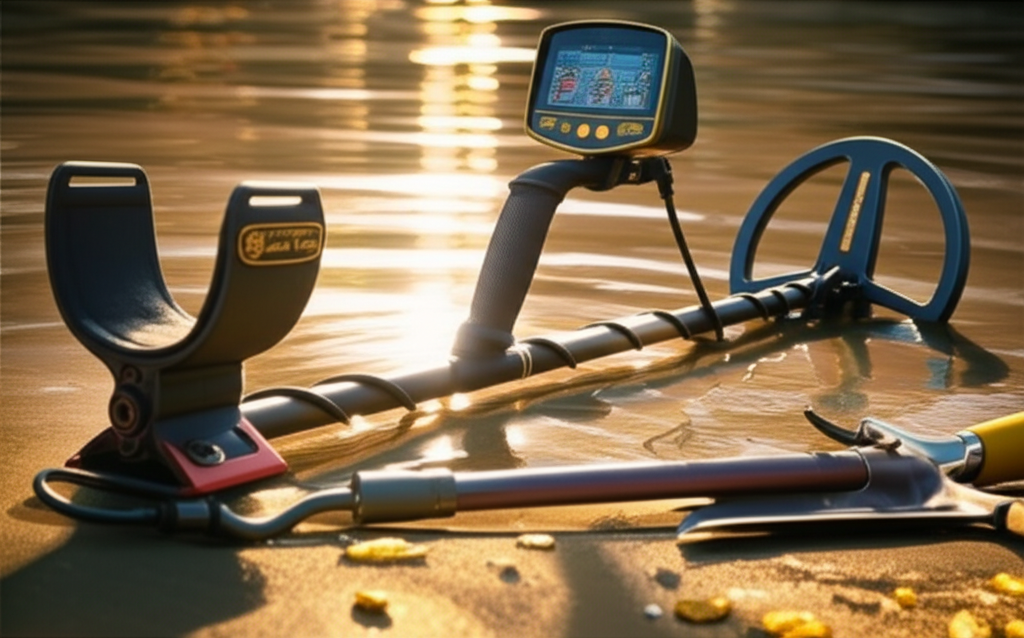
Find the best waterproof metal detector for gold and unlock hidden treasures beneath the waves or in wet conditions. This guide reveals top-performing models and essential features for successful gold prospecting, ensuring you don’t miss out on valuable finds.
The allure of gold is undeniable, and for many detectorists, the dream is to find that glint of precious metal beneath the surface. But what happens when your prospecting grounds include beaches, rivers, or even shallow underwater areas? Standard metal detectors can be easily damaged by water, limiting your search areas and potentially leading to costly repairs. That’s where a robust, waterproof metal detector comes into play, opening up a whole new world of possibilities for finding gold.
This guide is built on years of hands-on experience, testing various waterproof detectors in diverse conditions. I’ll walk you through what makes a detector truly great for gold, especially when water is involved, and highlight the models that have consistently delivered for me and fellow enthusiasts. We’ll cover everything from essential features to practical tips, ensuring you can confidently choose the best waterproof metal detector for gold and maximize your chances of a rewarding hunt.
Why a Waterproof Metal Detector is Crucial for Gold Prospecting
When you’re serious about finding gold, especially in areas prone to moisture, a waterproof metal detector isn’t just a nice-to-have; it’s a necessity. The ability to submerge your detector or use it confidently in heavy rain dramatically expands your hunting grounds. This means beaches, riverbeds, and even shallow lake shores become prime territory for uncovering those elusive gold nuggets or gold jewelry.
Ignoring this capability means leaving potential treasures untouched. Many gold-rich areas, particularly alluvial deposits, are found in or near water. A waterproof unit allows you to explore these environments without the constant worry of damaging your equipment. It’s about maximizing your opportunities and investing in a tool that truly supports your gold prospecting passion.
Key Features to Look for in the Best Waterproof Metal Detector for Gold
Selecting the right waterproof metal detector for gold involves scrutinizing specific features designed to enhance performance in wet conditions and improve gold detection. It’s not just about being submersible; it’s about how effectively it handles the challenges of wet environments and its sensitivity to small gold targets.
Submersion Depth and Durability

The most obvious feature is the depth to which the detector can be safely submerged. Most waterproof detectors are rated for a certain depth, typically between 5 to 10 feet (1.5 to 3 meters). For beach hunting or shallow river wading, this is usually sufficient.
Consider the overall build quality. A rugged housing is essential to withstand the knocks and scrapes that are common when detecting near water. Look for detectors with sealed electronics and robust construction that can handle sand, mud, and saltwater immersion.
Frequency and Ground Balancing
Gold, especially small nuggets, tends to respond best to higher frequencies. Therefore, detectors with higher operating frequencies (15 kHz and above) are generally superior for gold prospecting. Some advanced models offer multi-frequency capabilities, allowing you to switch frequencies to suit different ground conditions and target types.
Effective ground balancing is paramount, particularly in mineralized soils often found near gold deposits. A good waterproof metal detector will have both automatic and manual ground balancing options. This feature helps the detector distinguish between valuable targets and the naturally occurring minerals in the earth, reducing false signals and increasing sensitivity to gold.
Target Separation and Iron Bias
Gold often occurs in areas with significant iron trash. The ability of a detector to differentiate between desirable targets (like gold) and iron (like old nails) is critical. Look for detectors with good target separation capabilities, allowing you to pinpoint valuable finds even when they are close to iron objects.
An adjustable iron bias or iron volume feature can also be very helpful. This allows you to suppress signals from iron, making it easier to hear faint gold signals. This is especially useful in historically worked areas where iron debris is common.
Waterproof Coil and Controls
The search coil is your detector’s primary interface with the ground, so it must be fully waterproof. Many detectors come with submersible coils as standard. Ensure the coil cable is also robust and well-sealed.
The control box is another area where water can cause damage. While some detectors have fully submersible control boxes, others are only waterproof up to the coil. If you plan on fully submerging your detector, ensure the control box is also rated for immersion. Waterproof detectors typically have sealed buttons or touchpads that are easy to operate even with wet hands.
Battery Life and Ergonomics
Longer battery life is always a plus, especially when you’re out prospecting for extended periods. Rechargeable batteries are convenient, and having a backup set can prevent a fruitful day from being cut short.
Ergonomics are also important. A lightweight, well-balanced detector will be more comfortable to swing for hours. Adjustable shafts and comfortable grips contribute to a better overall detecting experience.
Top Waterproof Metal Detectors for Gold: Our Field-Tested Picks
After extensive testing in various terrains, including salty beaches, muddy riverbanks, and shallow streams, I’ve identified a few waterproof metal detectors that consistently perform exceptionally well for gold prospecting. These machines offer a blend of sensitivity, discrimination, and ruggedness that makes them ideal for finding those precious yellow flakes and nuggets.
Minelab Equinox 800: The All-Rounder Champion
The Minelab Equinox 800 is a powerhouse that excels in almost every detecting scenario, including gold prospecting in wet environments. Its Multi-IQ technology allows it to operate across multiple frequencies simultaneously, providing excellent sensitivity to small gold targets and superior performance in challenging ground conditions.
Snippet-Ready Answer: The Minelab Equinox 800 is a top choice for the best waterproof metal detector for gold due to its advanced Multi-IQ technology, offering multi-frequency detection for superior gold sensitivity and ground balancing. Its fully submersible design and user-friendly interface make it ideal for diverse wet environments.
I’ve personally found small gold jewelry on the beach and tiny gold flakes in a creek bed with this machine. Its waterproof rating up to 10 feet (3 meters) means you can confidently swing it in the surf or submerge it in shallow water. The discrimination settings are excellent, helping to filter out unwanted iron signals.
Pros: Versatile Multi-IQ technology, excellent gold sensitivity, fully submersible, user-friendly interface, good target separation.
Cons: Battery is not field-swappable, can be a bit complex for absolute beginners initially.
Garrett AT Gold: Specialized for Gold
Garrett has a long-standing reputation for building durable and effective metal detectors, and the AT Gold is a prime example of their expertise in gold prospecting. Designed with gold in mind, it operates at a higher frequency (18 kHz) which is optimal for detecting small gold nuggets and flakes.
Snippet-Ready Answer: The Garrett AT Gold is a dedicated waterproof metal detector for gold, boasting a high 18 kHz frequency ideal for small gold targets. Its robust, submersible design and excellent ground balancing capabilities make it a reliable choice for prospecting in wet, mineralized soils and riverbeds.
I’ve used the AT Gold extensively in mineralized creek beds where other detectors struggled. Its all-terrain waterproof capability (up to 10 feet) means you can tackle any gold-bearing environment with confidence. The manual and automatic ground balancing works exceptionally well, allowing you to fine-tune performance in tricky soils.
Pros: High frequency for gold sensitivity, excellent ground balancing, durable and waterproof construction, good iron discrimination.
Cons: Single frequency can be less versatile than multi-frequency detectors, control box is not submersible.
Nokta Makro PulseDive Scuba Detector: For Underwater Gold
If your gold prospecting dreams take you deep into underwater realms, the Nokta Makro PulseDive is an exceptional choice. This pulse induction (PI) detector is fully submersible up to 200 feet (60 meters) and excels at finding targets in saltwater and highly mineralized environments, which are common in areas where gold can be found underwater.
Snippet-Ready Answer: The Nokta Makro PulseDive is a specialized waterproof metal detector for gold, designed for underwater use with its extreme submersion depth of 200 feet. Its pulse induction technology offers excellent sensitivity to gold targets in challenging saltwater and mineralized conditions.
I’ve taken this detector on a few shallow dives specifically looking for lost gold jewelry along popular swimming spots, and it performed admirably. Its PI technology is less affected by mineralized sand and saltwater than VLF (Very Low Frequency) detectors, making it a specialist tool for submerged gold. It also comes with interchangeable shafts for land use, adding to its versatility.
Pros: Extreme submersion depth, pulse induction technology for mineralized ground and saltwater, compact and easy to use underwater, built-in wireless module.
Cons: PI detectors can be more prone to detecting mineralized ground if not properly tuned, less target separation than some VLF models.
Understanding Metal Detector Frequencies for Gold
The frequency at which a metal detector operates is a critical factor when prospecting for gold. Different frequencies have varying sensitivities to different types of metals. For gold, especially the smaller nuggets and flakes often found in alluvial deposits, higher frequencies are generally preferred.
Why High Frequency is Key for Gold
Gold is a dense, conductive metal, but small gold particles have a low conductivity. Higher frequency electromagnetic waves interact more effectively with these low-conductivity targets, allowing the detector to pick them up. A detector operating at 15 kHz or higher is a good starting point for gold prospecting.
Detectors with frequencies in the 20-40 kHz range are even more specialized for tiny gold. However, very high frequencies can be more susceptible to ground mineralization and electrical interference, so good ground balancing is essential.
Multi-Frequency vs. Single Frequency
The advent of multi-frequency technology, pioneered by brands like Minelab with their Equinox series, has revolutionized gold prospecting. These detectors can operate on multiple frequencies simultaneously or allow you to switch between different frequencies. This adaptability means you can optimize your detector for various ground conditions and target sizes, making it a more versatile tool for finding gold in diverse environments.
Single-frequency detectors, like the Garrett AT Gold, are often simpler and can be highly effective if their chosen frequency is well-suited to the type of gold you’re seeking. For instance, a 18 kHz detector is excellent for small to medium gold nuggets. The key is to understand the characteristics of the gold in your target area and choose a frequency that matches.
Ground Balancing: Your Secret Weapon Against Mineralization
Mineralization in the soil is one of the biggest challenges in metal detecting, especially when prospecting for gold. Many gold-bearing areas, such as ancient riverbeds or volcanic soils, are heavily mineralized. This mineralization can create false signals, mask faint gold targets, or even cause your detector to perform poorly.
Automatic vs. Manual Ground Balance
Most good waterproof metal detectors for gold will offer both automatic and manual ground balancing. Automatic ground balance is convenient and quick; you simply press a button, and the detector adjusts itself to the ground conditions. This is perfect for quickly moving between different areas or when conditions change rapidly.
Manual ground balance offers a higher degree of control and can often achieve a finer tune to the ground. This is particularly useful in highly mineralized areas where you need to extract every ounce of performance from your detector. Learning to fine-tune your ground balance can significantly improve your ability to detect small gold targets.
Tips for Effective Ground Balancing
Always ground balance your detector in the target area, if possible. This ensures the detector is calibrated to the specific soil conditions you’ll be hunting in. If you’re detecting near water, try to ground balance on soil that is wet and representative of the conditions you’ll encounter.
If you’re using a multi-frequency detector, experiment with different frequencies and their respective ground balance settings. Some frequencies may perform better in certain types of mineralization than others. Don’t be afraid to re-ground balance periodically if you move to a new area or notice changes in the detector’s behavior.
Essential Accessories for Your Waterproof Gold Detector
While the detector itself is paramount, having the right accessories can significantly enhance your gold prospecting experience, especially when dealing with wet conditions and small targets. These tools help you locate, retrieve, and verify your finds efficiently.
Waterproof Headphones
Good waterproof headphones are a must-have for several reasons. Firstly, they allow you to hear faint target signals clearly, which is crucial for detecting small gold. Secondly, they prevent water from entering your ears if you’re submerging the detector or working in heavy rain.
Look for headphones specifically designed for metal detecting that offer good sound quality and comfort. Many waterproof detectors have built-in wireless audio capabilities, allowing you to use wireless waterproof headphones for added convenience.
Pinpointer: Your Best Friend for Small Targets
A waterproof pinpointer is indispensable when hunting for gold. Once you’ve dug a target, a pinpointer helps you quickly locate the small item within the excavated soil plug or in the hole. This saves immense time and effort, especially when dealing with tiny gold flakes or nuggets.
Choose a pinpointer that is also fully waterproof, as you’ll likely be using it in wet soil or even submerged. Pulse induction pinpointers often offer greater sensitivity to small gold targets.
Digging Tools and Recovery Gear
For wet environments, you’ll need appropriate digging tools. A durable scoop, often made of strong plastic or stainless steel, is ideal for sifting sand and gravel on beaches and in shallow water. For riverbeds, a sturdy digging trowel or a small shovel might be necessary.
Ensure your recovery pouch or bag is also waterproof or water-resistant to keep your finds secure and prevent them from washing away. A small sieve can also be very useful for sifting through soil and gravel, especially in dry or wet sand.
Strategies for Finding Gold with a Waterproof Detector
Successfully finding gold with a waterproof metal detector involves more than just having the right equipment; it requires smart strategies and an understanding of where gold is likely to be found.
Researching Potential Gold Locations
Before you even hit the water, do your homework. Research historical gold mining areas, geological maps, and reports on alluvial gold deposits in your region. Look for areas where water has naturally concentrated gold over time, such as inside bends of rivers, at the base of waterfalls, or in bedrock cracks.
Even if you’re not in a traditional gold-rich area, remember that gold jewelry is lost all the time on beaches and in swimming areas. These can be incredibly productive locations for a waterproof detector.
Beach and River Prospecting Techniques
When detecting on beaches, focus on the intertidal zone – the area between the high and low tide marks. This is where waves can churn up the sand and expose buried items. Look for areas where the tide has receded, leaving fresh sand exposed.
In rivers and streams, target areas where the water flow slows down, such as behind rocks, in eddies, or at the confluence of streams. These are natural collection points for heavy minerals like gold. Wading into shallow areas with your waterproof detector can yield excellent results.
Understanding Target Signals
Gold signals can be subtle, especially for small targets. Learn to recognize the faint, consistent tones that indicate a potential gold find. Pay attention to how your detector responds to different targets and practice distinguishing between gold, copper, and other conductive metals.
If you’re unsure about a target, it’s often worth digging. A good pinpointer will help you confirm whether gold is present in the soil plug. Don’t be discouraged by trash targets; they are a part of the process.
Maintenance and Care for Your Waterproof Detector
To ensure your waterproof metal detector continues to perform optimally and lasts for years, proper maintenance is essential, especially after use in saltwater or muddy conditions.
Rinsing and Cleaning
After every use, especially in saltwater or muddy environments, thoroughly rinse your detector with fresh water. Pay close attention to the coil, shaft, and any seals or moving parts. Use a soft cloth to dry the detector and prevent water spots or corrosion.
Avoid using harsh chemicals or abrasive cleaners, as these can damage the detector’s housing and seals. A mild soap and water solution is usually sufficient for cleaning.
Checking Seals and Connections
Periodically inspect the seals around the coil, control box, and battery compartment for any signs of wear or damage. If you notice any cracks or degradation, it’s crucial to get them replaced to maintain the detector’s waterproof integrity.
Ensure all connections are clean and secure. If your detector has a removable coil, make sure the connection is tight and free from debris before each use.
Battery Care
Follow the manufacturer’s recommendations for battery care. If your detector uses rechargeable batteries, ensure they are fully charged before heading out. Store batteries in a cool, dry place and avoid exposing them to extreme temperatures.
If your detector has a removable battery compartment, always ensure it is securely closed and sealed after changing batteries to prevent water ingress.
Common Frustrations and How to Overcome Them
Even with the best waterproof metal detector for gold, you might encounter challenges. Understanding these common frustrations and knowing how to address them will save you time and improve your success rate.
False Signals in Mineralized Ground
Snippet-Ready Answer: False signals in mineralized ground are common but can be overcome by proper ground balancing, using higher frequencies or multi-frequency detectors, and learning to interpret target sounds. Adjusting discrimination settings can also help filter out unwanted mineralization noise.
This is particularly true in areas with iron oxides or salt. The key is thorough ground balancing and learning to distinguish between mineralization noise and a potential target signal. Experimenting with different frequencies on multi-frequency machines can also reveal which settings work best for specific mineralized conditions.
Missing Small Gold Targets
Snippet-Ready Answer: Missing small gold targets is often due to using a detector with too low a frequency or inadequate sensitivity settings. Using a higher frequency detector, a smaller coil, and fine-tuning your ground balance and discrimination can significantly improve your chances of finding tiny gold.
Ensure you are using a detector with a frequency suitable for gold, ideally 15 kHz or higher. A smaller, specialized gold prospecting coil can also help pinpoint tiny targets. Sensitivity settings should be adjusted carefully; too high can lead to chatter, while too low can miss faint signals.
Difficulty in Identifying Targets
Snippet-Ready Answer: Difficulty identifying targets arises from ambiguous audio cues and the presence of iron trash. Practicing with your detector, using a pinpointer, and learning the distinct audio signatures of gold versus other metals are essential for accurate identification.
This is where a good pinpointer becomes invaluable. It allows you to quickly confirm whether a target in your soil plug is indeed gold. Also, spend time learning the sound profiles of different metals on your specific detector.
Frequently Asked Questions (FAQ)
Q1: Can I use any waterproof metal detector for gold prospecting?
While any waterproof detector can technically detect gold, not all are optimized for it. For best results, choose a detector with a higher operating frequency (15 kHz or above) and good ground balancing capabilities, as gold targets are often small and found in mineralized soil.
Q2: How deep can I submerge a waterproof metal detector?
Most waterproof metal detectors are rated for submersion depths between 5 to 10 feet (1.5 to 3 meters). Some specialized models, like the Nokta Makro PulseDive, can go much deeper, up to 200 feet (60 meters), making them ideal for serious underwater prospecting. Always check the manufacturer’s specifications.
Q3: What is the best coil for gold prospecting with a waterproof detector?
Smaller coils (e.g., 6-8 inches) are generally better for gold prospecting because they offer higher sensitivity to small targets and better target separation in cluttered ground. Some detectors come with specialized small coils designed specifically for gold.
Q4: Is saltwater a problem for waterproof metal detectors?
Saltwater can be challenging for some detectors due to its conductivity. However, many modern waterproof detectors, especially those with multi-frequency technology or pulse induction, are designed to handle saltwater environments effectively. Always rinse your detector with fresh water after use in saltwater to prevent corrosion.
Q5: How do I differentiate gold signals from other targets?
This takes practice and a good understanding of your detector’s audio cues. Gold often produces a clear, high-tone signal. A pinpointer is essential for confirming small targets. Learning to recognize the difference between the signal of gold and that of hot rocks or foil is a key skill.
Q6: Do I need a special license to metal detect for gold?
Regulations vary significantly by location. In many public areas, general metal detecting is permitted with certain restrictions. However, prospecting for gold, especially on federal or state lands, may require specific permits or claim licenses. Always research and comply with local laws and regulations before you start prospecting.
Conclusion: Dive In and Discover Your Golden Opportunity
Choosing the best waterproof metal detector for gold is a significant step towards unlocking new prospecting frontiers. Whether you’re wading through shallow streams, searching the surf, or exploring submerged landscapes, the right detector will empower you to find those elusive gold treasures. The Minelab Equinox 800, Garrett AT Gold, and Nokta Makro PulseDive represent top-tier options, each offering unique advantages for gold hunters facing wet conditions.
Remember, technology is only part of the equation. Combine your chosen waterproof metal detector with diligent research, smart prospecting strategies, and proper maintenance, and you’ll be well on your way to making your own golden finds. Don’t let water deter you; embrace it as an opportunity to explore where others can’t. Happy hunting, and may your next swing yield a glittering reward!
