


Published on: September 18, 2025 | Updated on: September 18, 2025
The best way to clean coins found metal detecting involves gentle, patient methods that preserve their historical value and detail. Avoid harsh abrasives or chemicals; focus on removing surface dirt and corrosion safely to reveal your finds without damage.
Metal detecting is an incredibly rewarding hobby, bringing you face-to-face with history. But what happens when you unearth a promising coin, only to find it caked in dirt or corroded? Knowing the best way to clean coins found metal detecting is crucial to avoid damaging these historical treasures. Many detectorists, especially beginners, rush into aggressive cleaning, thinking it will reveal more detail, but often, they end up destroying the coin’s patina and value. I’ve learned this through experience, and today, I want to share my field-tested methods to help you clean your finds safely and effectively. We’ll cover everything from initial assessment to the best cleaning techniques for different coin types, ensuring your unearthed history looks its best.
Why Proper Coin Cleaning Matters for Detectorists
Properly cleaning coins unearthed through metal detecting is paramount for preserving their historical integrity and potential value. Aggressive cleaning can strip away the coin’s natural patina, which is often a key indicator of its age and origin. This patina can also protect the coin from further degradation. Understanding the best way to clean coins found metal detecting means treating each find with the respect it deserves, allowing future generations to appreciate these tangible links to the past.
Assessing Your Coin Find: The First Crucial Step
Before you even think about cleaning, take a moment to assess your coin. What material does it appear to be made of? Is it heavily corroded, or does it seem relatively intact? The best way to clean coins found metal detecting starts with this careful observation. This initial assessment will guide your entire cleaning process, helping you choose the safest and most effective methods.
Identifying Coin Composition

Knowing the metal your coin is made of is the most critical factor in determining the best cleaning approach. Different metals react differently to cleaning agents and physical abrasion. For example, copper coins require a much gentler touch than silver or gold coins.
Evaluating the Condition
Examine the coin for signs of significant damage, such as pitting, flaking, or deep corrosion. A coin in very poor condition may not benefit from cleaning and could even be further damaged by the process. Sometimes, leaving a coin as it is found is the best option for its preservation.
The Golden Rule: Gentle is Always Better
When it comes to the best way to clean coins found metal detecting, the overarching principle is gentleness. The goal is to remove surface debris and harmful contaminants, not to make the coin look brand new. Over-cleaning can irreversibly damage a coin, stripping away its historical character and reducing its value. Always start with the mildest cleaning method and only escalate if absolutely necessary.
Why Aggressive Cleaning is Harmful
Aggressive cleaning methods, such as using harsh chemicals, abrasive pads, or even wire brushes, can scratch the coin’s surface, erode its details, and destroy its natural patina. This patina is often a sign of age and authenticity. It’s far better to have a slightly dirty coin with its history intact than a shiny, damaged coin.
The Importance of Patina Preservation
The patina on a coin is a surface layer that forms over time due to environmental exposure. It’s a natural protective coating and a significant part of the coin’s historical narrative. The best way to clean coins found metal detecting involves preserving this patina as much as possible.
Essential Tools for Safe Coin Cleaning
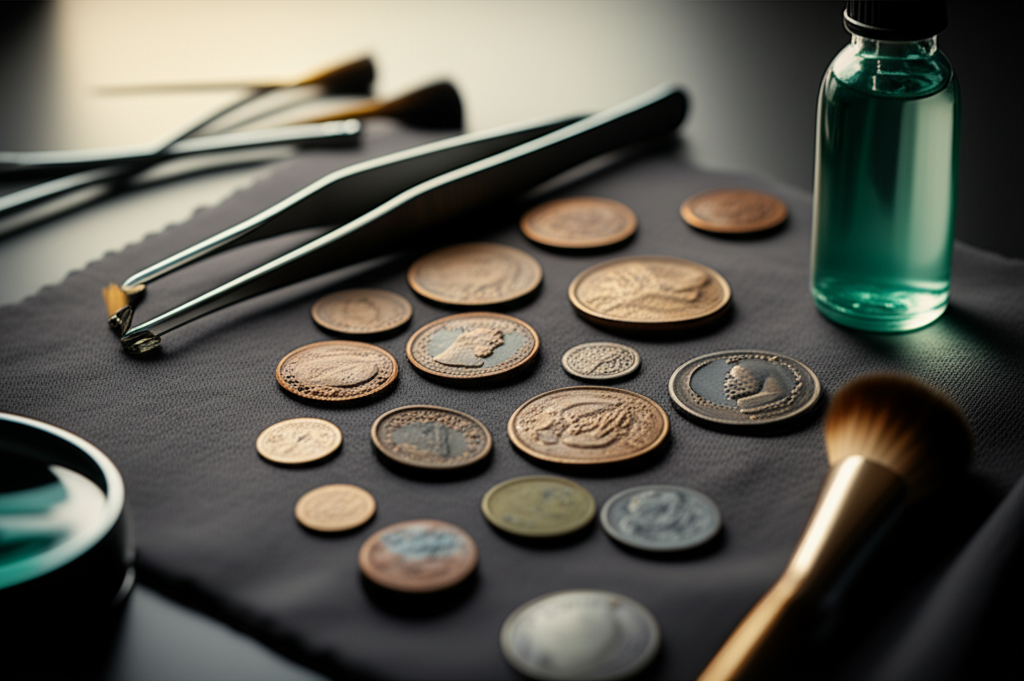
Having the right tools makes all the difference when cleaning your metal detecting finds. These are not expensive items, but they are essential for ensuring you follow the best way to clean coins found metal detecting. Having these on hand will allow you to address most common finds effectively and safely.
Water and Mild Soap
Often, the simplest solution is the most effective. Distilled water and a pH-neutral soap can work wonders on many coins. This is the first step for almost any coin I find.
Soft Brushes and Toothpicks
For gently dislodging dirt, soft brushes (like artist’s brushes or old toothbrushes with soft bristles) and wooden or plastic toothpicks are invaluable. These allow you to work meticulously without scratching the coin’s surface.
Magnifying Glass or Loupe
A magnifying glass or jeweler’s loupe is essential for closely examining the coin’s details and condition. This helps you decide on the best cleaning approach and monitor your progress.
Distilled Water Bath
A simple bath in distilled water can help loosen dirt and corrosion over time. This is a passive cleaning method that requires patience but is very safe.
Coin Cleaning Solutions (Use with Extreme Caution)
For more stubborn corrosion, specialized coin cleaning solutions exist. However, these should be used with extreme caution and only after thorough research on the specific type of coin you are cleaning. Always test on a less valuable coin first.
Step-by-Step Guide: The Best Way to Clean Coins Found Metal Detecting
Following a structured approach is key to safely cleaning your coin finds. This method prioritizes preservation and detail retention. Remember, patience is your greatest asset in this process.
Step 1: Initial Rinse and Soak
Once you’ve unearthed a coin, resist the urge to scrub it immediately. Gently rinse it under lukewarm running water to remove loose soil. Then, place the coin in a small container filled with distilled water. Let it soak for a few hours, or even overnight, to soften the dirt.
Step 2: Gentle Dirt Removal
After soaking, use a soft brush or a wooden toothpick to gently tease away the softened dirt. Work from the edges towards the center of the coin. For very stubborn dirt, you might need to repeat the soaking process.
Step 3: Dealing with Verdigris and Corrosion
Verdigris (a green powdery substance) on copper or bronze coins and other forms of corrosion require more attention. For mild cases, a soak in distilled water might suffice. For more aggressive corrosion, a specialized solution might be considered, but proceed with extreme caution.
Step 4: Rinsing and Drying
After cleaning, rinse the coin thoroughly under distilled water to remove any residual cleaning agents or loosened debris. Pat the coin dry with a soft, lint-free cloth. Never rub the coin vigorously.
Step 5: Storage and Preservation
Proper storage is crucial after cleaning. Store cleaned coins in a dry, stable environment. Acid-free coin holders or albums are ideal for protecting your finds from further damage and preserving their condition.
Cleaning Different Types of Coins: A Specialized Approach
The best way to clean coins found metal detecting varies significantly based on the coin’s metal composition. Treating a modern clad coin differently from an ancient bronze artifact is essential. Here’s a breakdown for common materials:
Cleaning Copper and Bronze Coins
Copper and bronze coins are prone to developing green verdigris, which can be corrosive. Start with a distilled water soak. If verdigris persists, a soak in a 5% solution of EDTA (ethylenediaminetetraacetic acid) can be effective, but requires careful monitoring and rinsing. Many experienced detectorists recommend a mild olive oil soak for a few days to help loosen corrosion on these older coppers.
Cleaning Silver Coins
Silver coins tarnish but are generally more robust than copper. A distilled water soak is usually sufficient for removing dirt. For tarnished silver, a dip in a silver-specific cleaning solution can restore shine, but it will remove the natural patina, which some collectors find undesirable. Electrolysis can be used for severe corrosion on silver, but this is an advanced technique best avoided by beginners.
Cleaning Gold Coins
Gold is a noble metal and doesn’t corrode like other metals. Usually, a simple rinse and gentle brushing are all that’s needed. Avoid any harsh chemicals or abrasives, as they can still damage the surface of even gold coins.
Cleaning Modern Clad Coins
Modern coins made of copper-nickel or manganese brass are generally less valuable historically. These can often be cleaned more aggressively, but even then, it’s wise to be cautious. A mild soap and water solution with a soft brush is usually adequate.
What NOT to Do: Common Cleaning Mistakes to Avoid
Many well-intentioned detectorists make critical errors when cleaning their coin finds. Knowing what to avoid is just as important as knowing what to do. The best way to clean coins found metal detecting means understanding these pitfalls.
Avoid Abrasive Materials
Never use steel wool, abrasive pads, scouring powders, or even stiff brushes on your coins. These will scratch the surface and destroy fine details, significantly devaluing the coin.
Steer Clear of Harsh Chemicals
Acids (like vinegar or lemon juice), household cleaners, and strong solvents can eat away at the coin’s metal. While some specialized solutions are used by professionals, they require expert knowledge.
Don’t Polish to a Shine
Unless you are dealing with a very common, low-value modern coin, polishing it to a mirror shine is generally detrimental. The patina tells a story; don’t erase it.
Refrain from Using Power Tools
Never use drills, Dremel tools, or other power equipment for cleaning coins. The speed and pressure are far too great and will inevitably cause damage.
Advanced Techniques for Challenging Finds
Sometimes, coins present significant challenges due to heavy encrustation or deep corrosion. While it’s always best to err on the side of caution, advanced techniques exist for these situations. These methods require research and careful application.
Electrolysis for Heavy Corrosion
Electrolysis can be effective for removing heavy corrosion, especially from iron or copper-alloy artifacts. It uses an electrical current to lift corrosion products. However, it can also remove desirable surface details if not precisely controlled and is best left to experienced individuals.
Olive Oil Soaking for Copper
A long soak in olive oil (several weeks to months) can help loosen hardened encrustations and corrosion on ancient copper and bronze coins. After the soak, gentle brushing and rinsing can often reveal details previously hidden.
EDTA Soaks for Specific Metals
EDTA (ethylenediaminetetraacetic acid) is a chelating agent that can help dissolve certain types of corrosion, particularly on copper and bronze. It’s available in powder form and can be mixed with distilled water. Careful monitoring is essential, and thorough rinsing is required afterward.
When to Seek Professional Conservation
For rare, valuable, or historically significant coins, the best approach might be to seek professional coin conservation. Conservators have the expertise and specialized equipment to clean and stabilize artifacts without causing damage. If you find something truly exceptional, consider consulting a professional before attempting any cleaning yourself.
Identifying Potentially Valuable Finds
If you suspect your coin is particularly old, rare, or historically significant, it’s wise to pause your cleaning efforts. Research the coin’s markings and compare it to known examples. If it appears valuable, professional advice is the safest route.
The Role of a Professional Conservator
A professional conservator can assess the coin’s condition, identify its composition and historical context, and recommend the most appropriate conservation methods. They can stabilize the artifact, remove harmful corrosion, and prepare it for long-term preservation.
Frequently Asked Questions About Cleaning Metal Detecting Finds
Here are answers to some common questions I get asked about cleaning coins found metal detecting.
Q1: Can I use toothpaste to clean my coins?
A1: It’s strongly advised against using toothpaste. Toothpaste contains mild abrasives that can scratch the coin’s surface and remove its natural patina, damaging fine details.
Q2: How long should I soak a coin in distilled water?
A2: The soaking time can vary greatly depending on the coin’s condition and the type of dirt. For lightly soiled coins, a few hours might be enough. For heavily encrusted coins, soaking for several days or even weeks, with regular water changes, may be necessary.
Q3: Is it okay to clean a coin with baking soda?
A3: Baking soda is mildly abrasive and can cause micro-scratches on a coin’s surface. While it might seem effective for removing dirt, it’s generally not recommended for preserving the coin’s integrity and patina.
Q4: My coin is heavily corroded. What’s the best way to clean it?
A4: For heavily corroded coins, especially those made of copper or iron, patience is key. Start with gentle methods like soaking in distilled water. If that doesn’t work, research advanced techniques like EDTA soaks or electrolysis, but be aware these carry risks and may require professional guidance for valuable finds.
Q5: Should I clean coins I find in the UK differently from those found in the US?
A5: The fundamental principles of gentle cleaning apply regardless of geographic location. However, the types of coins you find will differ, and their metal compositions will dictate the best cleaning approach. Always research the specific coinage of the region you are detecting in.
Q6: What is patina and why is it important?
A6: Patina is the natural surface layer that forms on a metal over time due to oxidation and environmental exposure. It’s a sign of age and can protect the coin from further corrosion. Preserving patina is crucial for maintaining a coin’s historical authenticity and value.
Q7: Can I use a wire brush to clean my finds?
A7: Absolutely not. A wire brush is far too abrasive and will severely scratch and damage any coin it comes into contact with. Always opt for soft brushes or non-metallic tools for cleaning.
Conclusion: Preserving Your Metal Detecting Treasures
The best way to clean coins found metal detecting is through a patient, gentle, and informed approach. Remember that your goal is preservation, not restoration to a factory-new condition. By understanding coin composition, using appropriate tools, and avoiding common mistakes, you can safely reveal the history held within your finds. Each coin tells a story, and by cleaning them responsibly, you ensure that story can be appreciated for years to come. Happy detecting, and may your finds be plentiful and well-preserved!
