


Published on: September 18, 2025 | Updated on: September 18, 2025
The best way to clean Hot Wheels cars involves gentle methods to preserve paint and details, focusing on removing dirt, grime, and rust without causing damage. This guide offers essential techniques for collectors of all levels.
Hot Wheels cars are more than just toys; for many, they’re cherished collectibles, miniature pieces of automotive history. Over time, even the most carefully stored models can gather dust, grime, or worse, develop minor imperfections like oxidation or surface rust. Dealing with these issues can be daunting for collectors, as the fear of damaging delicate paintwork or intricate details often paralyzes action. Rest assured, with the right approach, you can restore your favorite die-cast cars to their former glory. This essential guide will walk you through the best way to clean Hot Wheels cars, ensuring their longevity and preserving their value.
Why Cleaning Your Hot Wheels Matters
Keeping your Hot Wheels collection clean isn’t just about aesthetics; it plays a crucial role in preserving their condition and, consequently, their value. Dust and grime can accumulate over time, dulling the vibrant paint and obscuring fine details that make each model unique. More importantly, unchecked environmental factors can lead to corrosion, especially on metal parts, which can be difficult and sometimes impossible to reverse. A proactive cleaning strategy ensures your cars remain in pristine condition for years to come.
Understanding Your Hot Wheels: Material and Condition
Before you grab any cleaning supplies, it’s vital to understand what you’re working with. Most Hot Wheels cars are made from die-cast metal, typically a zinc alloy, with plastic components for windows, interiors, and sometimes wheels. The paint finish is usually a durable enamel, but it can still be susceptible to scratches and abrasion. The condition of the car – whether it’s mint in package, lightly used, or shows signs of significant wear – will dictate the gentlest and most effective cleaning methods.
Mint in Package (MIP) vs. Loose Cars
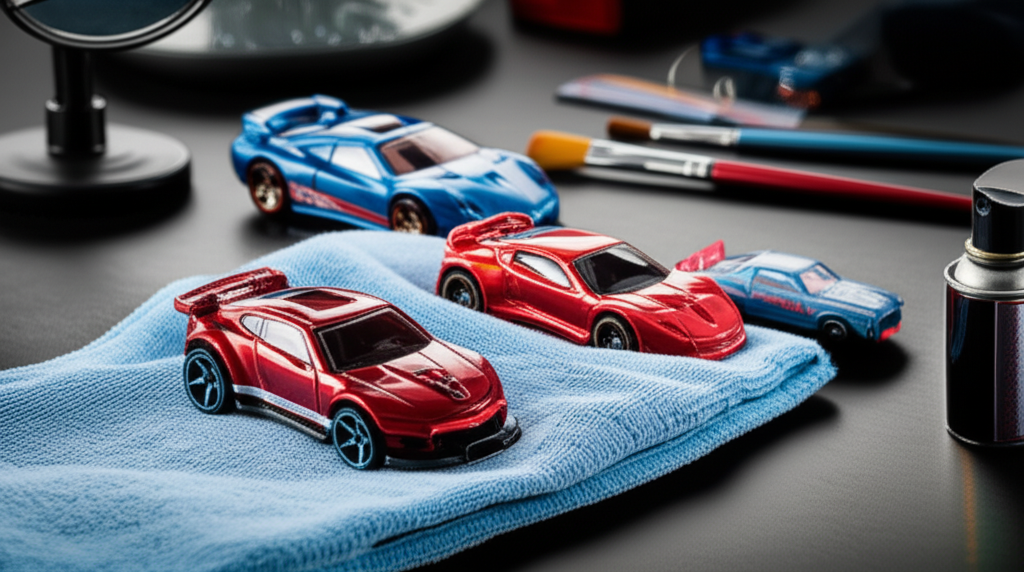
Cars kept in their original packaging (MIP) require a different approach than loose cars. For MIP, the primary concern is cleaning the exterior of the blister or box without damaging the card or plastic. Loose cars, on the other hand, can be handled more directly, allowing for more thorough cleaning of the car itself. However, this also means they are more exposed to potential damage during the cleaning process.
Assessing the Grime and Damage
Take a close look at your Hot Wheels. Is it just a layer of dust, or is there sticky residue, fingerprints, or noticeable oxidation? Are there any areas with minor rust spots, particularly on the axles or base? Identifying the type and severity of the dirt or damage will guide you toward the most appropriate cleaning agents and techniques.
Essential Tools for Cleaning Hot Wheels
Gathering the right tools is the first step towards a successful cleaning operation. You don’t need specialized, expensive equipment; most items can be found around the house or at a local hardware store. Having these on hand will make the process smoother and more effective.
The Cleaning Toolkit
Here’s a list of items that will serve you well:
Soft Brushes: Various sizes, from makeup brushes to small detailing brushes, are perfect for dusting crevices.
Microfiber Cloths: Essential for gentle wiping and drying without scratching.
Cotton Swabs (Q-tips): Ideal for detailed cleaning around small parts and edges.
Mild Soap: Dish soap or a gentle car wash soap.
Distilled Water: Tap water can contain minerals that leave spots.
Rubbing Alcohol (Isopropyl Alcohol): For stubborn grime and adhesive residue, use sparingly.
Metal Polish (Optional): For minor rust spots or tarnished metal parts.
Toothpicks or Wooden Skewers: For carefully dislodging stubborn debris.
Compressed Air (Optional): For blowing dust out of hard-to-reach areas.
Why These Tools?
Each tool serves a specific purpose in the cleaning process. Soft brushes get into nooks and crannies, microfiber cloths absorb dirt without abrading paint, and cotton swabs offer precision. Using the right tools ensures that you’re cleaning effectively without inadvertently causing damage.
Step-by-Step Guide: The Best Way to Clean Hot Wheels Cars
Following a systematic approach is key to achieving the best results. This method focuses on gentleness and gradual escalation of cleaning power, ensuring your Hot Wheels remain in top condition.
Step 1: Dry Dusting and Debris Removal
Begin with the least invasive method: dry dusting. This is crucial for removing loose particles that could otherwise create a muddy mess when combined with water.
Use a soft brush or a can of compressed air to gently dislodge dust from the entire car. Pay close attention to wheel wells, grilles, and the underside.
For stubborn dust or debris lodged in tight spots, a toothpick or wooden skewer can be used very carefully. Avoid applying excessive pressure.
This initial dry clean removes the surface layer of dirt, making subsequent wet cleaning more effective and less abrasive.
Step 2: Gentle Wet Cleaning for Surface Grime
Once the loose dust is removed, it’s time for a mild wet wash. This step targets surface grime and fingerprints.
Mix a small amount of mild dish soap or car wash soap with distilled water in a clean container.
Dampen a microfiber cloth with the soapy water. Wring it out thoroughly so it’s not dripping wet.
Gently wipe down the body of the Hot Wheels car. Avoid scrubbing.
For more detailed areas, use a cotton swab dipped in the soapy water.
The goal here is to lift surface dirt without saturating the car or forcing water into any openings.
Step 3: Rinsing and Drying
Proper rinsing is essential to remove all soap residue, which can attract more dust if left behind.
Use a separate microfiber cloth dampened with clean distilled water to wipe down the car. Again, ensure the cloth is well wrung out.
Alternatively, you can briefly rinse the car under a gentle stream of cool, distilled water, being careful to avoid getting water into the interior or wheel mechanisms if possible.
Immediately after rinsing, gently pat the car dry with a clean, dry microfiber cloth. Allow it to air dry completely in a well-ventilated area.
Thorough drying prevents water spots and potential rust formation on metal components.
Step 4: Tackling Stubborn Residue and Adhesives
Sometimes, you’ll encounter sticky residue from price tags or old adhesive. This requires a slightly stronger approach.
Dampen a cotton swab with a small amount of isopropyl alcohol.
Gently rub the affected area. Test on an inconspicuous spot first to ensure it doesn’t affect the paint.
Work in small, circular motions, applying minimal pressure.
Alcohol is effective at breaking down adhesives, but it can also strip paint if used too aggressively or left to soak.
Step 5: Addressing Minor Rust Spots
Minor rust on axles or the baseplate can often be treated. This is where patience is key.
For very light surface rust, try gently rubbing the affected area with a cotton swab dipped in a mild metal polish designed for chrome or delicate metals.
Alternatively, a pencil eraser can sometimes be effective for removing very fine rust specks.
If rust is more significant, a fine-grit polishing compound or even very fine steel wool (0000 grade) might be considered, but this carries a higher risk of scratching. Use extremely sparingly and with great caution.
Always test any polishing or abrasive method on a small, hidden area first.
Step 6: Cleaning Wheels and Tires
Wheels and tires can accumulate a lot of road grime.
Use a damp cotton swab with mild soap to clean the tires and rims.
For intricate wheel designs, a fine detailing brush can help dislodge dirt.
Dry thoroughly with a cotton swab or a corner of a microfiber cloth.
Clean wheels can significantly improve the overall appearance of a Hot Wheels car.
Special Considerations for Different Types of Hot Wheels
Not all Hot Wheels are created equal, and some require extra care. Understanding these nuances can prevent accidental damage.
Vintage Hot Wheels
Older models, especially those from the 1960s and 70s, may have more delicate paint or more prone-to-rust metal. Treat these with extreme gentleness. Avoid any harsh chemicals or vigorous scrubbing. Often, a simple dry dusting and a very light wipe with a damp cloth is all that’s needed.
Limited Editions and Rare Collectibles
For valuable or rare pieces, the decision to clean is often weighed against the risk of devaluing the item. If a car is mint and in its original packaging, it’s usually best left untouched. For loose rare cars, only perform the most basic cleaning steps, and always proceed with caution. Consult with experienced collectors if you are unsure.
Custom Hot Wheels
If you have custom-painted or modified Hot Wheels, cleaning becomes even more critical. The custom paint job might be less durable than factory finishes. Always check with the customizer for recommended cleaning methods, or default to the gentlest techniques available.
What to AVOID When Cleaning Hot Wheels
Knowing what not to do is just as important as knowing what to do. These common mistakes can lead to irreversible damage.
Harsh Chemicals and Solvents
Never use strong solvents like acetone, paint thinner, or harsh household cleaners. These can dissolve paint, melt plastic, and permanently damage the car. Even strong degreasers should be avoided.
Abrasive Materials
Avoid abrasive sponges, steel wool (unless absolutely necessary and with extreme caution on specific parts), or abrasive cleaning powders. These will scratch the paint and leave your collectibles looking dull and damaged.
Excessive Water and Submersion
Do not submerge Hot Wheels cars in water, especially if they have any openings for windows or interiors. Water can seep in, causing rust on internal metal parts or damaging any paper or sticker elements.
Aggressive Scrubbing
Scrubbing too hard can remove paint, create swirl marks, or even bend delicate parts like mirrors or spoilers. Always use a light touch.
Maintaining Your Cleaned Hot Wheels
Once you’ve got your Hot Wheels looking their best, proper storage is key to keeping them that way. Regular, light maintenance will prevent the need for intensive cleaning in the future.
Display and Storage Solutions
Display Cases: Use specialized display cases designed for die-cast cars. These protect from dust and UV light.
Shelving: Store cars on shelves away from direct sunlight, heat sources, and high humidity.
Individual Protection: For valuable cars, consider individual acrylic cases or protective sleeves.
Regular Light Cleaning
Periodically dust your collection with a soft brush or microfiber duster. This prevents heavy buildup and makes deep cleaning less necessary.
Frequently Asked Questions (FAQ)
Q1: What is the gentlest way to clean a dusty Hot Wheels car?
The gentlest way is to use a soft brush, like a makeup brush, or a can of compressed air to blow away the dust. If there’s still residue, a slightly damp microfiber cloth wrung out very well can be used for a light wipe.
Q2: Can I use Windex or other glass cleaners on Hot Wheels?
It’s best to avoid Windex and similar glass cleaners. While they might seem mild, some contain ammonia or alcohol that can potentially dull or damage the paint finish over time. Stick to mild soap and water or isopropyl alcohol for specific tasks.
Q3: How do I remove sticker residue from a Hot Wheels car?
For sticker residue, try a small amount of isopropyl alcohol on a cotton swab. Gently rub the residue, and it should start to lift. Always test on an inconspicuous area first, as alcohol can sometimes affect paint.
Q4: My Hot Wheels car has rust on the axles. What can I do?
For light rust on axles, you can try a very small amount of metal polish applied with a cotton swab. Gently rub the rusty area. For more significant rust, it might be difficult to remove without risking damage to the surrounding paint or metal.
Q5: Is it safe to wash Hot Wheels in the dishwasher?
Absolutely not. The high heat, harsh detergents, and strong water jets in a dishwasher can severely damage the paint, warp plastic parts, and potentially cause corrosion. Hand washing with mild soap and water is the only recommended method.
Q6: How do I clean the wheels if they are very dirty?
You can use a damp cotton swab with a little mild soap to clean the wheels and tires. For intricate spokes or hubcaps, a fine detailing brush can help dislodge dirt. Ensure they are dried thoroughly afterward.
Conclusion: Preserving Your Miniature Treasures
The best way to clean Hot Wheels cars is through a methodical, gentle approach that prioritizes the preservation of their original condition. By understanding the materials, using the right tools, and employing careful techniques, you can effectively remove dust, grime, and minor imperfections without causing harm. Always start with the least invasive methods and only escalate if necessary, always testing on hidden areas first. Proper cleaning and subsequent storage are crucial for maintaining the integrity and value of your collection. Treat your Hot Wheels with care, and they will remain a source of joy and nostalgia for years to come.
