


Published on: September 18, 2025 | Updated on: September 18, 2025
Selling autographs requires understanding authenticity, market value, and the right platforms. This guide provides essential, field-tested tips to help you get the best price for your signed collectibles, turning your passion into profit. We’ll cover everything from initial appraisal to final sale.
Selling signed memorabilia can feel like a treasure hunt, but the goal isn’t always a physical find; it’s about unlocking the value of what you already possess. Many enthusiasts find themselves with signed items, from vintage baseballs to celebrity photos, and wonder how to best convert these pieces of history into cash. It’s a common question, and the journey can seem daunting. But don’t worry, I’ve navigated this path myself, and I’m here to share proven strategies that will help you sell your autographs with confidence and achieve the best possible results. Get ready to learn the essential steps that make all the difference.
Why Selling Autographs Needs a Smart Approach
Successfully selling autographs isn’t just about listing an item online; it’s about understanding the nuances of the collectibles market and what buyers are truly looking for. Many people underestimate the importance of authenticity, provenance, and presentation when it comes to signed items. Without this knowledge, you risk undervaluing your treasures or, worse, encountering issues with potential buyers. This guide is designed to equip you with the essential insights to navigate the autograph selling landscape effectively.
1. Authenticity is King: The Cornerstone of Selling Autographs
When it comes to selling autographs, authenticity is non-negotiable. Without solid proof that a signature is genuine, its value plummets, and you risk damaging your reputation as a seller. Buyers, especially serious collectors, are highly attuned to spotting forgeries.
Verifying Your Autographs
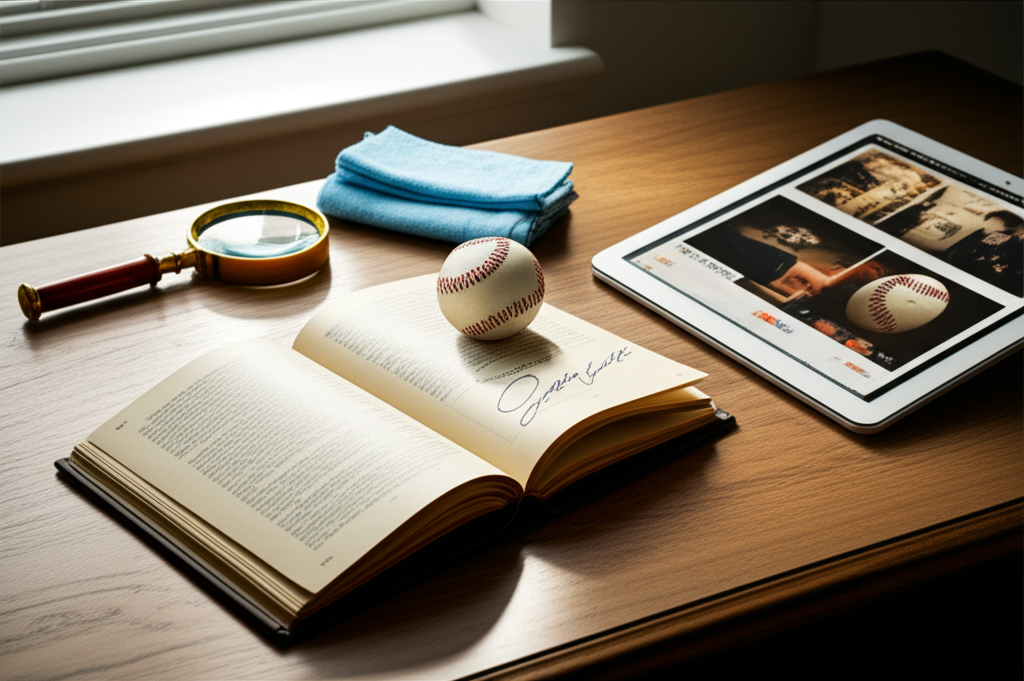
Before you even think about listing an item, you need to be absolutely sure about its authenticity. This often involves more than just a gut feeling. Consider where and how you acquired the autograph. Was it from a reputable dealer, a personal encounter, or an auction house known for its authenticity standards?
Third-Party Authentication Services
For higher-value items, investing in third-party authentication is often the best way to sell autographs. Services like JSA (James Spence Authentication), PSA/DNA (Professional Sports Authenticator), or Beckett Authentication Services have experts who can examine signatures and provide a letter of authenticity or a certificate. This significantly boosts buyer confidence and, consequently, the item’s market value. While there’s a cost involved, it’s usually a worthwhile investment for valuable pieces.
Understanding Provenance
Provenance, the history of ownership, is another critical factor. If you have documentation, such as photos of the celebrity signing the item, letters of correspondence, or receipts from reputable dealers, include them. This “chain of custody” adds immense credibility and reinforces the autograph’s legitimacy.
2. Researching Market Value: Know What Your Autograph is Worth
Understanding the market value of your autograph is crucial for setting a realistic price and attracting genuine buyers. An item priced too high won’t sell, while one priced too low means you’re leaving money on the table. This requires diligent research and a good understanding of what collectors are willing to pay.
Where to Find Comparable Sales Data
The best way to gauge value is to look at recent sales of similar items. Check online marketplaces like eBay (specifically completed listings), dedicated sports memorabilia auction sites, and dealer websites. Look for autographs from the same person, on similar items (e.g., a baseball, a photo, a magazine), and in comparable condition. Pay attention to whether the comparable items were authenticated by a reputable service.
Factors Influencing Value
Several factors impact an autograph’s value beyond just the celebrity’s fame. These include:
The Signer: Popularity and demand for the individual’s autograph.
The Item: What the autograph is on (e.g., a rare vintage baseball card vs. a common postcard).
The Quality of the Signature: Is it bold, clear, and well-placed, or faint and smudged?
Condition: The overall condition of the item itself.
Authenticity: As discussed, verified authenticity significantly increases value.
Rarity: How often does this particular autograph appear on the market?
Utilizing Online Appraisal Tools and Forums
While not a substitute for professional appraisal, some online tools and collector forums can offer insights. Be cautious, as opinions can vary widely. However, engaging with experienced collectors on forums can provide valuable perspectives on pricing.
3. Preparing Your Autograph for Sale: Presentation Matters
Once you’ve confirmed authenticity and researched value, the next step is to prepare your autograph for sale. Presentation plays a significant role in how buyers perceive an item’s value and desirability. A well-presented item attracts more attention and often commands a higher price.
Cleaning and Preservation
Gently clean the item if necessary, but be extremely careful not to damage the signature or the item itself. For paper items, avoid moisture and direct sunlight, which can cause fading and damage. If the item is framed, ensure the framing is archival quality to protect it from acid damage.
Professional Framing and Display
For significant autographs, consider professional framing using UV-protective glass and acid-free mats. A well-crafted display not only protects the item but also enhances its visual appeal. This can be a significant selling point, especially for high-value pieces.
High-Quality Photography
This is arguably one of the most critical aspects of online selling. Take clear, well-lit photographs from multiple angles. Ensure the signature is sharply in focus. Include photos of any accompanying documentation, authentication certificates, or provenance. A buyer should be able to see exactly what they are purchasing.
4. Choosing the Right Selling Platform: Where to List Your Autograph
Selecting the right platform is essential for reaching the most interested buyers and achieving the best way to sell autographs. Different platforms cater to different types of collectors and have varying fee structures.
Online Marketplaces (eBay, Etsy)
eBay: Still a powerhouse for collectibles, eBay offers a vast audience. Its auction format can sometimes drive prices higher for in-demand items, while “Buy It Now” offers fixed pricing. Be aware of seller fees.
Etsy: While often associated with handmade goods, Etsy also has a thriving vintage and collectible section. It can be a good option for unique or aesthetically pleasing signed items.
Specialized Collectibles Sites and Forums
Many websites cater specifically to sports memorabilia, entertainment autographs, or historical documents. These sites often have a more targeted audience of serious collectors. Some operate as auction houses, while others allow direct sales.
Auction Houses
For extremely valuable or rare autographs, consignment with a reputable auction house (like Heritage Auctions, SCP Auctions, or Robert Edward Auctions) can be the most effective route. They have established client bases and marketing expertise to reach high-net-worth collectors. However, they also take a significant commission.
Social Media Groups
Facebook groups dedicated to autograph collecting or specific genres (e.g., vintage baseball autographs) can be excellent places to connect directly with buyers. However, exercise caution and establish trust, as these often lack the buyer/seller protection of larger platforms.
5. Crafting a Compelling Listing: Hooking the Buyer
Your listing is your sales pitch. A well-written, informative, and engaging listing can significantly increase your chances of a successful sale. It’s not just about describing the item; it’s about telling its story and highlighting its value.
Title Optimization
Use keywords that collectors would search for. Include the signer’s name, the item type, and any key descriptors (e.g., “Marilyn Monroe Signed Photograph,” “Babe Ruth Autographed Baseball”).
Detailed Description
Provide all the necessary details:
Signer: Full name.
Item: Type of item (e.g., photo, ball, document, card).
Condition: Be honest about any flaws.
Authenticity: Clearly state how it was authenticated (e.g., “Authenticated by JSA,” “Comes with PSA/DNA certificate”).
Provenance: Mention any supporting documentation.
Dimensions/Size: Important for display items.
Highlight Key Selling Points
Why is this autograph special? Is it a rare signature on a desirable item? Was it signed during a significant event? Emphasize these unique aspects to capture buyer interest.
6. Pricing Strategy: Finding the Sweet Spot
Setting the right price is a delicate balance. You want to maximize your return, but the item also needs to be attractive enough to sell within a reasonable timeframe.
Choosing Between Auction and Fixed Price
Auction: Can generate excitement and potentially higher prices if demand is strong. Best for items with broad appeal or uncertain market value.
Fixed Price (Buy It Now): Provides a clear expectation of value. Good for items with well-established market prices. You can also use the “Make Offer” feature to negotiate.
Competitive Pricing
Ensure your price is competitive based on your market research. If you’re higher than comparable sold items, be prepared to justify the difference (e.g., superior condition, better authentication, unique provenance).
Sale Pricing and Promotions
Consider occasional sales or promotions if an item isn’t moving as quickly as you’d hoped. This can attract new buyers or encourage hesitant ones.
7. Secure Payment and Shipping: The Final Steps
Once you have a buyer, the transaction needs to be handled smoothly and securely. Proper payment and shipping procedures protect both you and the buyer.
Secure Payment Methods
Use payment platforms that offer seller protection, such as PayPal Goods and Services or integrated payment systems on larger marketplaces. Avoid unsecured methods like personal checks or wire transfers for initial transactions with unknown buyers.
Packaging Your Autograph Safely
This is crucial, especially for delicate items.
Paper Items: Place in a protective sleeve (acid-free) and ship flat in a rigid mailer with cardboard stiffeners.
Balls/Equipment: Wrap securely in bubble wrap and ship in a sturdy box.
* Framed Items: Ensure they are well-padded and protected from impact. Consider insuring valuable shipments.
Shipping Options and Insurance
Offer various shipping options to cater to different buyer needs and budgets. Always use a trackable shipping method. For items valued over a certain threshold (e.g., $100-$500, depending on your comfort level), purchasing shipping insurance is highly recommended. This protects you in case of loss or damage during transit.
8. Building a Seller Reputation: Long-Term Success
Whether you plan to sell one autograph or build a business around it, establishing a positive seller reputation is key to long-term success. Good feedback encourages future buyers.
Excellent Customer Service
Respond promptly and politely to inquiries. Be transparent and honest in your descriptions and dealings. Handle any issues or returns professionally and courteously.
Positive Feedback
Encourage buyers to leave feedback after a successful transaction. Positive reviews build trust and make future sales easier. Address any negative feedback constructively, showing potential buyers you are committed to customer satisfaction.
Consistency and Reliability
Consistently offer quality items, accurate descriptions, and reliable shipping. This builds a loyal customer base and positions you as a trustworthy seller in the autograph market.
9. Dealing with Potential Pitfalls: Common Challenges
Even with the best preparation, selling autographs can present challenges. Knowing how to handle them can save you time, money, and frustration.
Dealing with Forgeries and Scammers
Be vigilant. If a deal seems too good to be true, it probably is. Research buyers if possible, and never ship an item before payment is confirmed and cleared. Report suspicious activity to the platform you are using.
Handling Returns and Disputes
Have a clear return policy. If a buyer wants to return an item, follow your policy and the platform’s rules. If a dispute arises, remain calm and provide all necessary documentation to the platform’s resolution center.
Underpricing or Overpricing
Mistakes happen. If you realize you’ve significantly underpriced an item before it sells, you might be able to cancel the listing and relist it (check platform policies). If it’s overpricing, be prepared to wait longer or consider adjusting your price.
Frequently Asked Questions (FAQ)
Q1: How do I know if an autograph is real if I can’t get it authenticated?
While third-party authentication is best, look for comparison examples online, examine the signature’s flow and characteristics against known genuine examples, and consider the item’s provenance. However, selling unauthenticated items carries significant risk and lower value.
Q2: What’s the difference between a signed item and an authenticated signed item?
A signed item simply means it has a signature on it. An authenticated signed item has been examined by a reputable third-party service (like JSA or PSA/DNA) that has verified its authenticity and often provides a certificate or tamper-evident sticker.
Q3: Should I sell my autograph through an auction house or directly online?
For very high-value or rare items, auction houses offer expertise and access to serious collectors. For more common or moderately valuable items, selling directly on platforms like eBay can yield better profits after fees.
Q4: How much does it cost to get an autograph authenticated?
Authentication costs vary depending on the service and the signer’s perceived value. Prices can range from $20 to $100 or more per item. It’s an investment that often pays off in increased sale price.
Q5: Can I sell autographs I got myself at a convention?
Yes, autographs obtained personally are often highly desirable. Providing photographic proof of you receiving the autograph significantly enhances its authenticity and value, making it easier to sell.
Q6: What is “in-person” signing vs. “pre-printed” autograph?
An “in-person” autograph is genuinely signed by the person. A “pre-printed” autograph is a facsimile or a printed copy of a signature, which has very little collectible value compared to a genuine one. Always ensure you are selling a genuine, hand-signed item.
Conclusion
Mastering the best way to sell autographs involves a blend of knowledge, careful preparation, and strategic marketing. By prioritizing authenticity, conducting thorough market research, presenting your items professionally, and choosing the right selling platforms, you can significantly increase your chances of a successful sale. Remember that building a reputation for honesty and reliability is paramount, especially if you plan on selling more items in the future. Treat each autograph as a unique piece of history, handle it with care, and approach the selling process with diligence. This methodical approach will not only help you get the best price but also ensure a positive experience for both you and the buyer, turning your valuable signed collectibles into successful transactions.
