


Published on: September 20, 2025 | Updated on: September 20, 2025
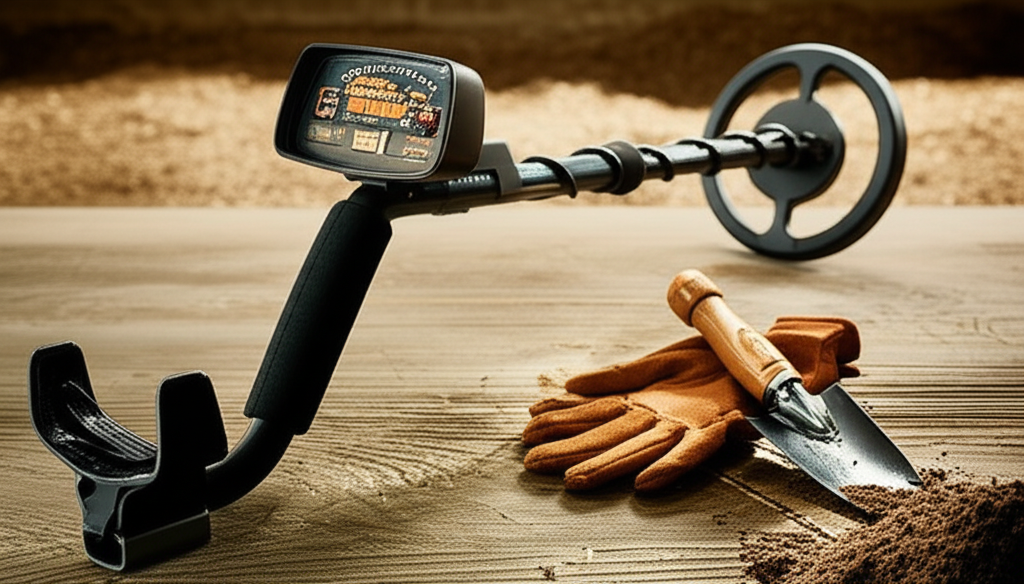
The Bounty Hunter Junior Metal Detector is an excellent entry-level device for young treasure hunters, offering user-friendly operation and the thrill of discovery with every swing. It’s designed to make metal detecting accessible and fun for kids, fostering a lifelong passion for exploration and history.
Metal detecting can be an incredibly rewarding hobby, opening up worlds of history hidden right beneath our feet. Yet, for beginners, especially younger ones, the sheer variety of equipment can be overwhelming. You might be wondering if there’s a metal detector that’s both effective and simple enough for a child to use, one that can spark genuine excitement without frustration. I understand that feeling completely; I’ve seen countless families struggle to find the right starting point.
This guide will focus on a fantastic option: the Bounty Hunter Junior Metal Detector. We’ll explore why it’s a standout choice for aspiring young detectorists, what makes it so easy to use, and how it can lead to truly essential discoveries. Prepare to learn how this detector can turn a simple backyard into a treasure trove of learning and adventure.
Why the Bounty Hunter Junior Metal Detector is a Top Choice for Young Explorers
When introducing children to the exciting world of metal detecting, the right tool is paramount. The Bounty Hunter Junior Metal Detector stands out because it’s specifically designed with younger users in mind. It balances simplicity with effective detection capabilities, making the learning curve gentle and the rewards immediate.
This detector isn’t just a toy; it’s a real piece of equipment scaled down for smaller hands and less experienced users. Its intuitive controls and lightweight design ensure that children can focus on the thrill of the hunt rather than wrestling with complicated settings. This focus on user experience makes it an ideal starting point for fostering a lasting interest in the hobby.
Unpacking the Bounty Hunter Junior Metal Detector: Features and Functionality
The Bounty Hunter Junior Metal Detector might be designed for kids, but it packs a surprising punch in terms of features. Its simplicity is its greatest strength, but that doesn’t mean it lacks essential functions for a successful hunt. Understanding these features will help you appreciate why it’s such a popular choice.
At its core, the Bounty Hunter Junior Metal Detector utilizes a VLF (Very Low Frequency) detection technology. This is common in many hobbyist detectors and is effective for finding common targets like coins, jewelry, and relics. It also features adjustable sensitivity, allowing you to fine-tune the detector based on the ground conditions and the types of targets you’re seeking.
Key Features at a Glance

Adjustable Sensitivity: Helps minimize false signals from ground mineralization or small trash.
Target Identification Tones: Different sounds indicate different types of metal, teaching discrimination.
Depth Indicator: Gives a visual cue as to how deep a target might be buried.
Lightweight and Ergonomic Design: Perfect for young arms, making extended searching sessions comfortable.
Durable Construction: Built to withstand the rigors of outdoor exploration.
The inclusion of a depth indicator and target identification tones is particularly beneficial for young learners. These features provide immediate feedback, helping them understand what they’re detecting and how deep it lies. This practical learning experience is invaluable for developing their detecting skills.
Ease of Use: Getting Started with Your Bounty Hunter Junior Metal Detector
One of the most significant advantages of the Bounty Hunter Junior Metal Detector is how incredibly easy it is to set up and operate. This is crucial for keeping young detectorists engaged and preventing frustration. From the moment you unbox it, you’ll find it straightforward to get out and start searching.
Assembly typically involves just a few simple steps, often requiring no tools. The shaft is usually adjustable to accommodate different heights, ensuring a comfortable fit for most children. Once assembled, the control panel is intuitive, with clearly marked buttons or dials for essential functions like power and sensitivity.
Setting Up Your Detector: A Simple Process
1. Assemble the Shaft: Connect the sections of the shaft, usually by pushing them together or using a simple locking mechanism.
2. Attach the Coil: Secure the search coil to the lower end of the shaft.
3. Adjust the Length: Extend or retract the shaft to match the user’s height.
4. Install Batteries: Insert the required batteries (typically AA or 9V) into the control box.
5. Power On: Turn the detector on and begin a slow sweep of the search coil.
The learning curve for the Bounty Hunter Junior Metal Detector is remarkably gentle. Most children can grasp the basic operation within minutes, allowing them to experience the thrill of detection quickly. This immediate gratification is key to building enthusiasm for the hobby.
What Can You Find with the Bounty Hunter Junior Metal Detector?
While the Bounty Hunter Junior Metal Detector is an entry-level device, it’s surprisingly capable of locating a variety of targets. It’s perfect for backyard hunts, park explorations, and even beach combing. Understanding what you’re likely to find can set realistic expectations and enhance the excitement of each outing.
This detector is excellent for finding common metal objects that are relatively close to the surface. This includes modern coins, older coins, small pieces of jewelry, and various metal relics from everyday life. It’s a fantastic tool for discovering the hidden history in your own neighborhood.
Common Finds for Young Detectorists
Coins: From pennies and nickels to dimes and quarters, modern currency is a frequent and exciting find.
Jewelry: Lost rings, bracelets, and pendants can be within its detection range.
Relics: Small metal items from past activities, like old pull tabs, buttons, or small tools.
Nails and Scrap Metal: While not always exciting, these finds help users learn to discriminate between different types of metal.
It’s important to remember that the depth and type of metal detected will depend on factors like coil size, ground mineralization, and the size and orientation of the target. However, for a junior detector, the Bounty Hunter Junior Metal Detector offers a satisfying range of discoveries.
Beyond the Backyard: Expanding Your Search with the Bounty Hunter Junior
The Bounty Hunter Junior Metal Detector isn’t confined to just your garden. Its robust design and user-friendly operation make it suitable for a variety of environments, opening up a world of exploration. Encourage young detectorists to take their hobby beyond familiar territory to uncover more diverse finds.
Parks, schoolyards, and local beaches can all yield interesting targets. These locations often have a history of human activity, increasing the chances of finding lost items or historical trinkets. Remember to always check local regulations regarding metal detecting in public spaces.
Exploring Different Terrestrial Environments
Parks: Often rich with dropped coins, jewelry, and historical artifacts.
Schoolyards: A prime location for finding modern coins and small personal items.
Beaches (dry sand): Can reveal lost jewelry, coins, and even older relics washed ashore.
Woodlands and Trails: May uncover older relics or dropped items from hikers.
Each new location presents a unique set of challenges and potential rewards. The Bounty Hunter Junior Metal Detector is a versatile companion for these adventures, providing a gateway to understanding different ground conditions and target types.
Understanding Metal Detector Tones: The Language of Your Bounty Hunter Junior
One of the most engaging aspects of metal detecting is learning to interpret the different sounds your detector makes. The Bounty Hunter Junior Metal Detector employs simple, distinct tones to help users differentiate between types of metal. This feature is a crucial part of the learning process, teaching basic discrimination skills.
Most detectors, including this junior model, use a multi-tone system. This means you’ll hear different pitches or patterns of sounds for different metal categories. Learning these sounds is like learning a secret language that tells you what might be buried beneath the coil.
Common Tone Indicators
Low Tone: Often indicates iron or ferrous metals, which are typically less desirable finds like nails.
Mid Tone: Usually signals targets like pull tabs, foil, or smaller gold jewelry.
High Tone: Frequently represents non-ferrous metals like copper, silver, and brass coins.
By paying close attention to these audio cues, a young detectorist can begin to make educated guesses about their targets before even digging. This skill is fundamental to efficient and rewarding metal detecting.
Tips for Maximizing Your Success with the Bounty Hunter Junior Metal Detector
Even with a user-friendly detector like the Bounty Hunter Junior, a few practical tips can significantly enhance your treasure-hunting success. These strategies are simple to implement and can make a big difference in the quality and quantity of your finds. Think of them as expert advice from someone who’s been there.
The most important tip is patience and persistence. Metal detecting is often a numbers game, and not every swing will result in a find. However, consistent effort in productive areas will almost always yield results.
Essential Tips for Young Detectorists
1. Slow and Steady Sweeps: Move the coil slowly and deliberately, overlapping each sweep by about half the coil’s width. This ensures you don’t miss any targets.
2. Maintain Consistent Coil Height: Try to keep the search coil parallel to the ground and at a consistent height (usually 1-2 inches). This optimizes detection depth and sensitivity.
3. Listen Carefully: Pay close attention to the tones. Practice identifying the different sounds for different types of metal.
4. Learn to Discriminate: Use the tones to decide whether to dig. While the Bounty Hunter Junior has basic discrimination, learn which tones generally mean trash and which mean treasure.
5. Digging Etiquette: If you get a good signal, dig a neat plug of soil. Place the plug aside and carefully examine the removed soil for your target. Replace the turf neatly afterward.
6. Research Local Laws: Always be aware of and follow local rules and regulations regarding metal detecting on public or private property.
Applying these simple techniques will help young detectorists become more proficient and enjoy a more fruitful metal detecting experience. The Bounty Hunter Junior Metal Detector is a fantastic starting point, and these tips will help maximize its potential.
The Importance of a Pinpointer with Your Bounty Hunter Junior
While the Bounty Hunter Junior Metal Detector is excellent for covering ground and identifying potential targets, a pinpointer is an invaluable accessory for pinpointing those targets precisely. Think of it as a magnifying glass for your buried treasure. It’s a small but mighty tool that significantly reduces digging time and frustration.
A pinpointer is a small, handheld metal detector. Once you’ve identified a target area with your main detector, you use the pinpointer to narrow down the exact location of the object within the soil plug. This saves you from digging a massive hole or sifting through dirt unnecessarily.
Why a Pinpointer is Essential
Saves Time: Quickly locates targets within the soil, reducing the need for extensive digging.
Reduces Ground Disturbance: Allows for smaller, neater holes, which is important for responsible detecting.
Increases Finds: Helps retrieve small or shallow targets that might otherwise be missed.
Improves User Experience: Makes the process of recovering a target more satisfying and less laborious.
Many junior metal detectors don’t come with a pinpointer, but it’s a highly recommended addition. Brands like Garrett, Minelab, and even Bounty Hunter offer affordable pinpointer options that are easy for kids to use. Investing in one will transform the recovery process from tedious to triumphant.
Maintenance and Care for Your Bounty Hunter Junior Metal Detector
To ensure your Bounty Hunter Junior Metal Detector provides years of exciting discoveries, proper care and maintenance are essential. Like any piece of equipment, treating it well will prolong its life and keep it functioning optimally. This is especially important if it’s being used by children who might not always be as gentle.
After each detecting session, it’s a good practice to clean the detector. This involves wiping down the coil, shaft, and control box to remove dirt, sand, and moisture. Pay particular attention to the coil, as dirt buildup can affect its performance.
Simple Maintenance Steps
1. Clean the Coil: Use a damp cloth to wipe the search coil clean. Avoid submerging the coil in water unless it is specifically designed to be waterproof.
2. Wipe Down the Shaft and Control Box: Remove any dirt or debris with a soft cloth. A slightly damp cloth can be used for tougher grime, but ensure no moisture gets into the control box.
3. Check Battery Compartment: Ensure the battery contacts are clean and free of corrosion. Replace batteries promptly when performance drops.
4. Store Properly: Store the detector in a dry, safe place, away from extreme temperatures. A protective cover or the original box is ideal.
5. Inspect for Damage: Periodically check the coil cable and other components for any signs of wear or damage.
Regular, simple maintenance will keep your Bounty Hunter Junior Metal Detector in top condition, ready for the next adventure. This attention to detail ensures that the thrill of discovery remains the focus, not equipment malfunctions.
Bounty Hunter Junior Metal Detector: A Gateway to Further Exploration
The Bounty Hunter Junior Metal Detector serves as an exceptional introduction to the world of metal detecting. It instills a sense of adventure, encourages outdoor activity, and offers a tangible connection to history and the thrill of finding hidden objects. For many young enthusiasts, this detector is the first step on a lifelong journey of exploration.
As users become more proficient, they might naturally progress to more advanced detectors. However, the foundational skills learned with the Bounty Hunter Junior – understanding tones, sweep techniques, and target recovery – are transferable to any metal detector. It truly is a gateway device.
The experience gained with this detector can lead to a deeper appreciation for local history, archaeology, and the importance of responsible detecting practices. It’s more than just a hobby; it’s an educational tool that sparks curiosity and a desire to learn. The Bounty Hunter Junior Metal Detector is a brilliant starting point for any budding treasure hunter.
Frequently Asked Questions about the Bounty Hunter Junior Metal Detector
Is the Bounty Hunter Junior Metal Detector waterproof?
The search coil on the Bounty Hunter Junior Metal Detector is typically water-resistant, meaning it can handle dew or light rain. However, the control box is usually not waterproof and should be protected from moisture. Always check the specific model’s specifications.
What is the typical depth range for the Bounty Hunter Junior Metal Detector?
The Bounty Hunter Junior Metal Detector is designed for detecting targets at relatively shallow depths, generally up to 6-8 inches for coins. Deeper targets or larger objects might be detected at greater depths depending on ground conditions.
Does the Bounty Hunter Junior Metal Detector have discrimination features?
Yes, the Bounty Hunter Junior Metal Detector includes basic discrimination. It uses different audio tones to help users distinguish between ferrous (iron) and non-ferrous (like coins) targets, allowing them to ignore some trash.
What kind of batteries does the Bounty Hunter Junior Metal Detector use?
Most Bounty Hunter Junior Metal Detector models typically use one or two 9-volt batteries. It’s always best to confirm the exact battery requirement for your specific model in the user manual.
Is the Bounty Hunter Junior Metal Detector good for finding gold?
While the Bounty Hunter Junior Metal Detector can detect small gold jewelry, it is not specifically designed for prospecting for small gold nuggets. For serious gold prospecting, detectors with specialized features for small gold detection would be more appropriate.
Can a child use the Bounty Hunter Junior Metal Detector independently?
Yes, the Bounty Hunter Junior Metal Detector is designed for independent use by children, thanks to its lightweight design and simple controls. However, adult supervision is always recommended, especially for younger children, to ensure safety and proper technique.
Conclusion: Essential Discoveries Await with the Bounty Hunter Junior Metal Detector
The Bounty Hunter Junior Metal Detector is more than just a piece of equipment; it’s an invitation to adventure, a tool for learning, and a catalyst for discovery. For families looking to introduce children to the exciting world of metal detecting, it offers an unparalleled blend of ease of use, effective performance, and pure fun. It’s a well-researched and proven choice for young treasure hunters.
I’ve seen firsthand how this detector can spark a child’s imagination, turning ordinary backyards and parks into exciting landscapes ripe for exploration. The simple controls, clear audio cues, and lightweight design mean that kids can focus on the thrill of the hunt and the joy of unearthing forgotten items. The Bounty Hunter Junior Metal Detector makes the hobby accessible and rewarding from the very first swing.
Whether it’s finding a lost coin, a piece of costume jewelry, or a small historical relic, each discovery with the Bounty Hunter Junior Metal Detector is an essential learning experience. It fosters patience, encourages outdoor activity, and builds a connection to the past. This detector truly is an essential discovery for any aspiring young detectorist, setting the stage for a hobby that can last a lifetime.
