


Published on: September 20, 2025 | Updated on: September 20, 2025
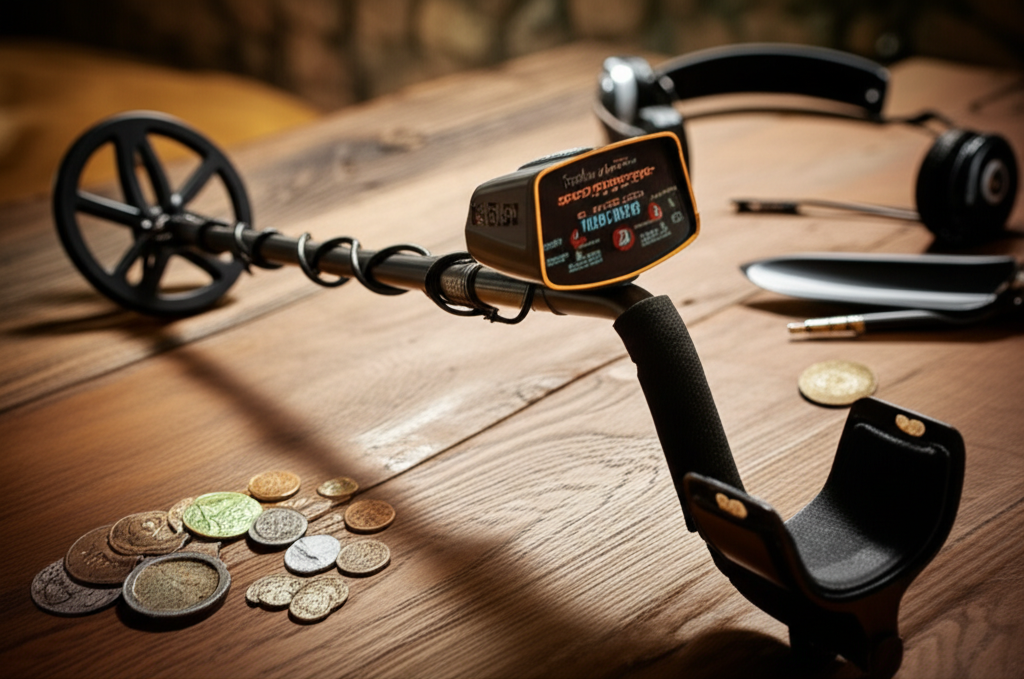
The Bounty Hunter Lone Star metal detector is a fantastic entry-level option for new treasure hunters, offering simplicity and effective performance for finding coins, relics, and jewelry in parks and yards. This guide explores its essential finds and how to maximize your success with this user-friendly detector.
So, you’ve got your hands on a Bounty Hunter Lone Star metal detector, or you’re thinking about getting one. It’s a popular choice, especially for folks just starting out in the thrilling world of treasure hunting. Many beginners wonder what kind of treasures they can realistically expect to find with this particular machine. It’s a valid question because knowing what to look for can make all the difference between a frustrating day and a rewarding one.
This guide is here to demystify the Bounty Hunter Lone Star, focusing on the kinds of finds it excels at uncovering. I’ll walk you through what makes it a great starter detector, what you can expect to dig up, and some simple tips to help you get the most out of your Lone Star. We’ll cover everything from common finds to those exciting, unexpected discoveries that keep us coming back for more.
Why Choose the Bounty Hunter Lone Star?
The Bounty Hunter Lone Star is a standout choice for beginners due to its straightforward operation and accessible price point, making the hobby of metal detecting less intimidating. It’s designed to get you out in the field quickly without overwhelming you with complex settings. This focus on simplicity doesn’t mean sacrificing capability; it’s engineered to detect a good range of targets common in everyday environments.
This detector is built with ease of use as a top priority, featuring intuitive controls and clear target identification. It’s the kind of tool that lets you concentrate on the hunt itself rather than struggling with complicated menus. For anyone looking to dip their toes into metal detecting without a huge investment, the Lone Star offers a compelling blend of functionality and user-friendliness.
Simplicity for the New Detectorist

The beauty of the Bounty Hunter Lone Star metal detector lies in its incredibly simple interface. You won’t find a dizzying array of buttons or confusing digital displays. Instead, it offers essential controls that are easy to understand and adjust, even if you’ve never swung a metal detector before. This allows new users to focus on learning the sounds and signals, rather than wrestling with complex technology.
This straightforward design is crucial for building confidence and enjoyment in the early stages of metal detecting. When you can easily operate your equipment, you’re more likely to spend time practicing and honing your skills, which directly leads to more successful hunts. The Lone Star truly embodies a “turn on and go” philosophy.
Affordability and Value
One of the most significant advantages of the Bounty Hunter Lone Star is its attractive price point. It provides excellent value for money, offering reliable performance for its cost. This makes the hobby accessible to a wider range of people who might be hesitant to invest heavily in more expensive equipment right away. You get a capable detector without breaking the bank.
This affordability means you can start exploring parks, beaches, and your own backyard without a substantial financial commitment. It’s a smart way to test your interest in metal detecting and see if it’s a hobby you want to pursue further. The Lone Star proves that you don’t need to spend a fortune to start finding interesting items.
Essential Finds with the Lone Star: Coins
Coins are arguably the most common and sought-after finds for many metal detectorists, and the Bounty Hunter Lone Star is well-equipped to locate them. From modern pocket change to older, more valuable currency, this detector can distinguish the tell-tale signals of metallic money. Its sensitivity allows it to pick up targets buried at typical depths in parks, sidewalks, and recreational areas.
You’ll likely find a variety of coins, depending on the history of the area you’re searching. The Lone Star’s ability to discriminate against trash targets helps you focus on these metallic treasures. Learning the distinct tones for different coin types can significantly improve your recovery rate.
Modern Pocket Change
Expect to unearth a steady stream of modern coins like quarters, dimes, nickels, and pennies. These are commonly dropped by people in everyday life, making parks, playgrounds, and pathways prime locations. The Lone Star’s sensitivity is more than adequate to detect these targets buried a few inches deep.
Finding modern change is a great way to practice your digging and recovery skills. It also provides a tangible reward for your efforts, even if the monetary value is small. Each coin found is a success and a learning opportunity.
Older and Pre-Decimal Coins
With a bit more searching and in areas with historical significance, the Bounty Hunter Lone Star can also uncover older coins. This might include coins from earlier eras, perhaps even those no longer in circulation. While it might not be as specialized for deep historical finds as high-end detectors, it can certainly surprise you with older currency.
Discovering a coin that’s decades or even a century old is a truly special moment for any detectorist. It connects you to the past and offers a glimpse into the lives of people who once walked the same ground. The Lone Star is capable of revealing these fascinating pieces of history.
Uncovering Relics with Your Lone Star
Relic hunting involves searching for artifacts from the past, which can range from small personal items to larger historical objects. The Bounty Hunter Lone Star metal detector can be surprisingly effective at finding various relics, especially those made of iron, brass, or copper, which are common in older items. Areas with a history of human activity, such as old homesteads, battlefields (where permitted), or historic town sites, are excellent places to look.
The Lone Star’s discrimination feature is particularly helpful when hunting for relics, as it allows you to filter out common iron trash like nails and fence wire, focusing on more significant finds. While it might not detect every tiny iron artifact, it’s adept at finding many brass, copper, and silver relics.
Personal Ornaments and Jewelry
While not its primary focus, the Lone Star can indeed locate lost jewelry and personal ornaments. Rings, bracelets, and pendants, especially those made of gold or silver, often register as distinct signals. You might find modern lost items in parks or older, more valuable pieces in areas where people lived or gathered historically.
The joy of finding lost jewelry is immense, whether it’s a simple modern ring or an antique piece. The Lone Star’s sensitivity to different metals makes these exciting discoveries possible. Remember to always check local regulations regarding found items, especially those of significant value.
Household and Utensil Fragments
Old homestead sites or areas where people lived long ago can yield fragments of household items. This might include pieces of old cutlery, buttons, buckles, or even fragments of cookware. These finds, while often small and requiring careful excavation, paint a picture of daily life in the past.
These small relics are fascinating because they offer tangible connections to the people who used them. The Bounty Hunter Lone Star can pick up the metallic signatures of these items, allowing you to piece together fragments of history. Careful digging is key to recovering these often delicate artifacts.
Prospecting for Small Gold Nuggets
While the Bounty Hunter Lone Star is not specifically designed as a high-end gold prospecting detector, it can, under the right conditions, detect larger gold nuggets. This is more likely to occur in areas known for historical gold finds or in specific types of soil where gold might be present. Its sensitivity to small, conductive targets means it can potentially pick up gold, especially if it’s a decent size and not too deep.
For serious gold prospecting, specialized equipment is usually recommended. However, for the casual explorer interested in the possibility of finding small gold pieces, the Lone Star can be a starting point. It’s important to manage expectations, as finding gold with a general-purpose detector can be challenging.
Understanding Gold Signals
Gold has a unique metallic signature, and understanding how your Bounty Hunter Lone Star metal detector responds to it is key. Gold is a good conductor, so it will produce a signal, but its conductivity and size will determine the tone and strength. Larger nuggets will be easier to detect than tiny specks.
Learning to differentiate between a faint gold signal and interference from other metallic debris is a skill that develops with practice. Familiarizing yourself with how different metals sound on your Lone Star will help you identify potential gold finds.
Where to Look for Gold
Areas with a history of gold rushes or known alluvial gold deposits are the best places to try your luck with the Lone Star for gold. This might include old streambeds, creek banks, or areas where gold has been reported historically. Researching local geological information and historical mining records can point you in the right direction.
Remember that gold prospecting often requires a different approach than coin or relic hunting, focusing on specific soil types and geological formations. Even with a capable detector like the Lone Star, finding gold is often about being in the right place at the right time.
Common Trash Targets to Discriminate Against
No metal detectorist enjoys digging up junk, and the Bounty Hunter Lone Star metal detector, like all detectors, will signal on various metallic trash items. Understanding what these common targets are will help you use the discrimination settings effectively. This saves you time and effort, allowing you to focus on the valuable finds.
The primary goal of discrimination is to filter out unwanted metals, such as iron, while still detecting desirable targets like coins and jewelry. Learning the sounds associated with different targets is a vital skill for any detectorist.
Iron and Foil
Iron is the most common metallic target you’ll encounter. This includes nails, screws, staples, and even larger pieces of scrap iron. The Lone Star, with its discrimination capabilities, can help you ignore many of these signals.
Aluminum foil is another frequent find, especially in parks and picnic areas. While it can sometimes mimic the signal of a small gold ring or a thin coin, learning the nuances of the tones will help you identify it.
Pull Tabs and Bottle Caps
Pull tabs from soda cans and metal bottle caps are ubiquitous in many search locations. These can often produce signals that might tempt a beginner into digging. The Lone Star’s discrimination can be adjusted to help you distinguish these from more valuable targets.
Learning to recognize the specific tones these items produce is part of the learning curve. With practice, you’ll develop an ear for the difference between a promising coin signal and a common pull tab.
Maximizing Your Finds with the Bounty Hunter Lone Star
To truly make the most of your Bounty Hunter Lone Star metal detector, it’s essential to employ a few key strategies. Simply swinging the detector over the ground isn’t always enough; understanding your equipment and your search environment is crucial. These tips will help you improve your success rate and enjoy your treasure hunting adventures even more.
Consistent practice and a methodical approach are your best allies. The more time you spend with your Lone Star, the better you’ll become at interpreting its signals and identifying potential targets. Don’t be afraid to experiment with settings to see how they affect performance.
Understanding Target ID Numbers
The Bounty Hunter Lone Star uses a Target ID system, which assigns numerical values to different types of metal. These numbers help you identify what might be buried beneath the coil. For example, zinc pennies and dimes often fall within a certain range, while pull tabs might fall into another.
Learning the typical Target ID ranges for coins, jewelry, and common trash in your area is invaluable. This knowledge allows you to make more informed decisions about whether to dig a target. Referencing your detector’s manual for specific ID charts is highly recommended.
Ground Balancing for Optimal Performance
Ground balancing is the process of tuning your metal detector to ignore the signals from minerals in the soil. Different soils have varying mineral content, which can cause false signals or mask real targets. The Lone Star has a manual ground balance feature that allows you to adjust it for the specific ground conditions you are hunting in.
Proper ground balancing is critical for achieving the best depth and accuracy from your detector. If you notice erratic signals or a lack of depth, re-ground balancing your Lone Star can often resolve the issue. It’s a step that shouldn’t be overlooked, especially when moving to a new hunting location.
Coil Control and Sweep Technique
How you move your metal detector’s coil is just as important as the detector itself. A slow, steady, and overlapping sweep ensures you cover the ground thoroughly and don’t miss any targets. Keep the coil parallel to the ground and at a consistent height, typically about an inch or two above the surface.
Avoid swinging the coil too fast, as this can cause the detector to miss smaller or deeper targets. Overlapping each sweep by about half the coil’s width ensures complete coverage. Mastering this technique is fundamental to successful metal detecting with any detector, including the Bounty Hunter Lone Star.
Essential Accessories for Your Lone Star
While the Bounty Hunter Lone Star metal detector is a capable unit on its own, a few key accessories can significantly enhance your detecting experience and increase your chances of success. These tools aren’t just conveniences; they can be crucial for efficient and effective treasure hunting. Investing in a few well-chosen items can make a big difference.
These accessories are designed to complement the Lone Star’s capabilities and address the practical needs of a detectorist in the field. They help with everything from pinpointing targets to safely recovering them.
Pinpointer: The Target Locator
A good pinpointer is arguably the most essential accessory for any metal detectorist. Once you’ve identified a target with your main detector, a pinpointer helps you precisely locate its exact position in the dug plug of soil. This dramatically reduces the time spent sifting through dirt and minimizes the size of the hole you need to dig.
Using a pinpointer makes recovery much faster and more precise, especially for small targets. It’s a game-changer for efficiency and is highly recommended for anyone serious about finding their targets.
Digging Tools: Trowels and Shovels
Appropriate digging tools are vital for recovering your finds without damaging them or the environment. For general use, a sturdy digging trowel is indispensable. For areas with denser soil or potentially deeper targets, a small, sharp shovel designed for metal detecting can be very useful.
Always choose tools that allow for clean plugs to be removed, minimizing disturbance to the ground. Respecting the land you hunt on is paramount, and proper digging tools help you do just that. Check out our guide on the best metal detector digging tools for more recommendations.
Headphones: Hearing Every Signal
Metal detecting headphones are crucial for hearing faint signals and distinguishing between different target tones, especially in noisy environments. They also help preserve battery life on some detectors and protect your hearing from constant beeping. The Lone Star doesn’t have a headphone jack, but this highlights the importance of good audio feedback in general.
Even without a headphone jack on the Lone Star, understanding the value of clear audio is key. If you were to upgrade to a detector with a headphone jack, this would be a must-have accessory. For the Lone Star, focusing on clear external audio is your best bet.
Maintaining Your Bounty Hunter Lone Star
Proper care and maintenance will ensure your Bounty Hunter Lone Star metal detector continues to perform reliably for years to come. Like any tool, it requires attention to keep it in good working order. A little effort in cleaning and storage can prevent potential problems and prolong its lifespan.
Treating your detector well means it will be ready to go whenever you are. Simple steps can make a big difference in its longevity and consistent performance in the field.
Cleaning After Each Hunt
After every outing, it’s important to clean your Lone Star. Use a soft, damp cloth to wipe down the coil, control box, and shaft. Pay special attention to removing dirt and debris from the coil, as this can affect its performance.
Avoid using harsh chemicals or abrasive cleaners, as they can damage the detector’s plastic components. A gentle wipe-down is usually all that’s needed to keep it in top condition.
Storage and Battery Care
When not in use, store your Bounty Hunter Lone Star metal detector in a dry, cool place, away from direct sunlight and extreme temperatures. Removing the batteries if you plan to store the detector for an extended period is a good practice to prevent corrosion.
Always use fresh, high-quality batteries to ensure consistent performance. Checking battery contacts periodically for any signs of corrosion can also help maintain reliable operation.
Troubleshooting Common Issues
Even with a user-friendly detector like the Bounty Hunter Lone Star, you might encounter occasional issues. Knowing how to troubleshoot common problems can save you frustration and get you back to hunting quickly. Most issues are simple to resolve with a little understanding.
Don’t let minor glitches deter you; they are often easily fixed. Understanding these common hiccups will make you a more confident detectorist.
Erratic Signals or False Readings
If your Lone Star is giving erratic signals or frequent false readings, it could be due to several factors. High mineral content in the soil, interference from power lines, or even improper ground balancing can cause these issues. Try re-ground balancing the detector in a new location.
Also, ensure you are not sweeping the coil too quickly or too close to metallic objects like fences or underground pipes. Sometimes, simply moving away from the source of interference can resolve the problem.
No Signal or Weak Signals
A lack of signal or consistently weak signals might indicate a battery issue or a problem with the coil. Check that the batteries are new and correctly inserted. If the problem persists, there might be a fault with the coil or its connection.
Ensure the coil cable is securely attached to the control box. If you suspect a coil issue, you might need to consult the manufacturer or a repair specialist.
Frequently Asked Questions about the Bounty Hunter Lone Star Metal Detector
What is the Bounty Hunter Lone Star metal detector best for?
The Bounty Hunter Lone Star metal detector is best suited for beginners looking for an easy-to-use, affordable detector for finding coins, jewelry, and relics in parks, yards, and general areas.
Can the Lone Star find gold?
While not its primary function, the Bounty Hunter Lone Star can detect larger gold nuggets under the right conditions. However, it’s not specialized for serious gold prospecting.
How deep can the Bounty Hunter Lone Star detect?
The detection depth varies depending on the target size, soil conditions, and settings, but typically it can detect coins a few inches to about 6-8 inches deep.
Does the Lone Star have a headphone jack?
No, the Bounty Hunter Lone Star metal detector does not come with a headphone jack. You will rely on its built-in speaker for audio feedback.
Is the Bounty Hunter Lone Star waterproof?
The search coil of the Bounty Hunter Lone Star is waterproof, allowing you to detect in shallow water or wet grass. However, the control box is not waterproof and should be protected from moisture.
What kind of batteries does the Lone Star use?
The Bounty Hunter Lone Star typically uses a 9-volt battery. Always use a fresh, good-quality battery for optimal performance.
* How do I discriminate trash with the Lone Star?
You can adjust the discrimination knob on the Bounty Hunter Lone Star to filter out certain types of metal, like iron. Experiment with settings to learn what works best for your hunting environment.
Conclusion: Your Journey Starts with the Lone Star
The Bounty Hunter Lone Star metal detector is an excellent starting point for anyone eager to explore the rewarding hobby of treasure hunting. It offers a user-friendly experience, making it easy to learn the ropes and start unearthing common finds like coins, relics, and even lost jewelry. With its straightforward operation and value for money, the Lone Star empowers beginners to confidently search parks, yards, and historical sites.
By understanding its capabilities, employing effective search techniques, and utilizing helpful accessories, you can maximize your success with the Bounty Hunter Lone Star metal detector. Embrace the learning process, enjoy the thrill of discovery, and let this reliable detector be your guide on countless exciting adventures. Happy hunting!
