


Published on: September 20, 2025 | Updated on: September 20, 2025
Bounty Hunter Lone Star metal detector reviews reveal this proven, essential tool for hobbyists and beginners seeking reliable treasure hunting performance without breaking the bank. We explore its features, strengths, and ideal use cases to help you decide if it’s your next detecting companion.
Finding the right metal detector can feel like searching for buried treasure itself – lots of options, and it’s hard to know which one will yield the best results. Many detectorists start with a budget-friendly option, and that’s where the Bounty Hunter Lone Star often comes into play. This detector aims to provide a solid entry point into the hobby, but does it truly deliver on its promise? We’re going to dive deep into what makes the Lone Star tick, looking at its capabilities, who it’s best for, and how it stacks up against other detectors in its class. Get ready to uncover the facts and see if this is the essential piece of gear you need for your next hunt.
Bounty Hunter Lone Star Metal Detector Reviews: An Essential Tool for Aspiring Detectorists
The Bounty Hunter Lone Star is often considered an essential piece of equipment for those just starting out in metal detecting. It’s designed to be user-friendly, making the learning curve less steep for beginners. This review will break down its core features and performance to help you understand its place in the market.
Unpacking the Bounty Hunter Lone Star: Key Features and Design

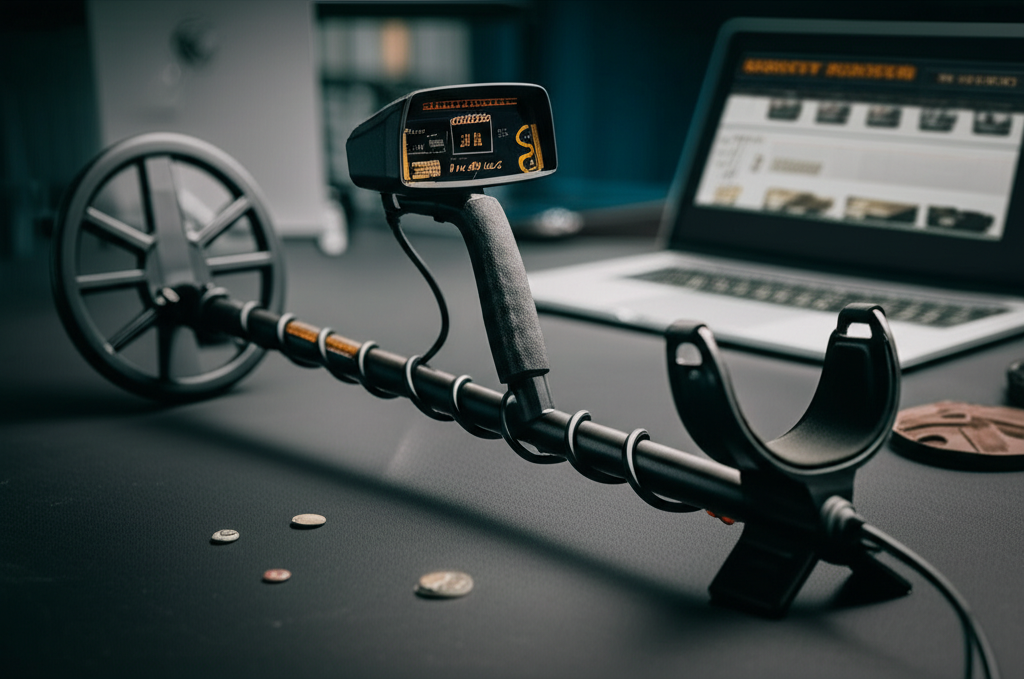
When you first pick up the Bounty Hunter Lone Star, you’ll notice its lightweight construction, which is a big plus for long days out in the field. It’s built with simplicity in mind, featuring a straightforward control panel that doesn’t overwhelm new users. The detector typically comes with an 8-inch submersible search coil, which is versatile enough for various terrains, including shallow water.
Adjustable Shaft: The shaft is extendable, allowing users of different heights to find a comfortable operating position. This ergonomic design reduces fatigue during extended detecting sessions.
Submersible Search Coil: The included coil is waterproof, meaning you can confidently sweep it through wet grass or even shallow streams without worry. This opens up more hunting possibilities.
Target Identification: The Lone Star offers visual and audible target identification, helping you distinguish between different types of metal targets. This feature is crucial for deciding whether to dig.
Discrimination Control: A key feature for any detector, the discrimination control allows you to ignore unwanted trash items like iron nails, helping you focus on potentially valuable finds.
These features combine to create a detector that is both functional and accessible, a hallmark of its essential status for beginners.
Ease of Use: A Beginner’s Best Friend
One of the most frequently praised aspects of the Bounty Hunter Lone Star is its sheer simplicity. Setting it up is a breeze, and getting it operational takes mere minutes. The controls are intuitively laid out, meaning you won’t spend hours poring over a manual before you can even start hunting.
The straightforward interface means you can quickly learn to adjust sensitivity and discrimination settings. This allows you to focus on the thrill of the hunt rather than wrestling with complex technology. For anyone new to the hobby, this ease of use makes the Lone Star an incredibly approachable starting point.
Performance in the Field: What Can You Expect?
In terms of performance, the Bounty Hunter Lone Star metal detector reviews often highlight its decent depth penetration for its price point. It’s capable of detecting common targets like coins and jewelry buried a few inches below the surface. Its sensitivity to smaller items is also respectable, which is important for finding those elusive gold rings or small relics.
While it might not rival high-end detectors in terms of extreme depth or advanced target separation in highly mineralized ground, it performs admirably for general-purpose detecting. It’s particularly well-suited for parks, fields, and beaches where targets are not excessively deep or clustered. Its ability to find everyday targets makes it an essential tool for enjoyable outings.
Discrimination and Notch Filter Capabilities
The discrimination feature on the Lone Star is crucial for filtering out common junk metal, like pull tabs and iron nails. This allows you to concentrate on more desirable targets, saving you time and effort digging up trash. You can adjust the level of discrimination to suit the area you are searching.
While it doesn’t have an advanced notch filter like some higher-end models, its standard discrimination is effective for most beginner scenarios. Understanding how to use this feature properly is key to maximizing your finds and avoiding frustration. Learning to identify common trash signatures will greatly enhance your success.
What Kind of Targets Can You Find?
With the Bounty Hunter Lone Star, you can realistically expect to find a variety of common targets. This includes US currency coins (pennies, nickels, dimes, quarters), various types of jewelry (rings, bracelets, earrings), and potentially small relics like buttons or buckles. Its sensitivity to silver and gold is a significant draw for many new detectorists.
For more serious gold prospecting or deep relic hunting, you might eventually need a more specialized detector. However, for general treasure hunting in parks, yards, and beaches, the Lone Star is an essential tool for uncovering everyday finds. It’s a fantastic detector for discovering the history buried right under your feet.
Comparing the Lone Star to Other Entry-Level Detectors
When considering entry-level metal detectors, the Bounty Hunter Lone Star often stands out due to its blend of affordability and functionality. Many other detectors in this price range might offer fewer features or a more complicated interface. For example, some competitors might lack a submersible coil or have less intuitive target identification systems.
The Lone Star competes favorably with models from brands like Garrett and Minelab in the introductory segment. Its proven track record and widespread availability make it a reliable choice. This makes it an essential tool for many who are looking for a dependable detector without a steep learning curve.
Pros and Cons of the Bounty Hunter Lone Star
Every metal detector has its strengths and weaknesses, and the Bounty Hunter Lone Star is no exception. Understanding these can help you determine if it’s the right fit for your detecting goals.
Pros:
Affordable Price: One of the most budget-friendly options available, making it accessible to a wide range of enthusiasts.
User-Friendly Interface: Simple controls and intuitive operation are perfect for beginners.
Lightweight Design: Easy to carry and handle for extended periods, reducing user fatigue.
Submersible Coil: Allows for detecting in wet conditions and shallow water.
Good Sensitivity for Coins and Jewelry: Capable of detecting common targets effectively.
Cons:
Limited Depth on Deeper Targets: May not reach targets buried as deeply as more advanced detectors.
Basic Target Separation: Can struggle to differentiate between closely spaced targets in trashy areas.
No Advanced Features: Lacks some of the sophisticated features found on higher-end models, like ground balancing or detailed notch discrimination.
Build Quality: While functional, the build materials might feel less robust compared to premium detectors.
Despite its limitations, the Lone Star’s advantages make it an essential tool for many starting their metal detecting journey.
Essential Accessories to Complement Your Lone Star
To truly maximize your metal detecting experience with the Bounty Hunter Lone Star, a few essential accessories can make a significant difference. These tools enhance your efficiency and the success rate of your hunts. Investing in these can turn a good day of detecting into a great one.
Pinpointer: A handheld pinpointer is arguably the most crucial accessory. Once you’ve located a target with your main detector, a pinpointer helps you pinpoint its exact location within the plug of dirt. This dramatically reduces digging time and the risk of damaging finds. I’ve found many targets missed by just sweeping the main coil because they were slightly off-center.
Digging Tools: A sturdy trowel or a specialized digging tool is a must. Look for one with a serrated edge for cutting through roots and tough soil. A good digging tool makes recovering your targets much easier and cleaner.
Headphones: While not strictly essential, headphones are highly recommended. They allow you to hear faint target signals clearly without background noise, and they also help keep your hobby discreet. Many detectors have a headphone jack for easy connection.
* Pouch or Bag: You’ll need a place to store your finds, trash, and tools. A dedicated digging pouch that attaches to your belt is very convenient. It keeps your hands free and your finds organized.
These accessories, along with the Lone Star itself, form an essential kit for any aspiring treasure hunter.
Where to Hunt with Your Bounty Hunter Lone Star
The Bounty Hunter Lone Star is an incredibly versatile detector, making it suitable for a wide array of hunting locations. Its ease of use and general-purpose capabilities mean you can take it almost anywhere you suspect old coins or relics might be found. Knowing where to look is half the battle in successful treasure hunting.
Parks and Playgrounds: These are classic spots for finding lost coins, jewelry, and pull tabs. The constant activity of people means targets are frequently dropped. The Lone Star’s sensitivity to common metals makes it ideal for these areas.
Beaches: Whether wet or dry sand, the Lone Star can handle it, especially with its submersible coil. You can find lost jewelry, coins, and other trinkets dropped by beachgoers. Be sure to check local regulations regarding metal detecting on beaches.
Yards and Gardens: Old homesites are goldmines for relics and old coins. If you have permission, sweeping the yards of older properties can yield fascinating historical finds. The Lone Star’s discrimination helps filter out modern trash.
Schoolyards: Similar to parks, schoolyards are great places for finding coins and small trinkets dropped by students. Always ensure you have permission before detecting on school property.
Woodlands and Trails: While deeper targets might be elusive, you can still find old dropped items or relics from past human activity in wooded areas. The Lone Star’s lightweight design makes it comfortable for hiking.
Always remember to obtain permission before detecting on private property and be aware of local laws and regulations regarding metal detecting. Responsible detecting ensures access to these locations for years to come.
Understanding Metal Detector Ground Mineralization
Ground mineralization is a crucial concept for any metal detectorist, and it affects how your Bounty Hunter Lone Star performs. The earth itself contains minerals that can interfere with a detector’s signal, sometimes causing false signals or masking real targets. Understanding this can help you interpret your detector’s responses more accurately.
Different types of ground minerals, such as iron oxides or salt, can affect detector performance. Highly mineralized ground can make it harder for detectors to distinguish between ground noise and actual metal targets. This is where the sensitivity and discrimination settings become very important.
The Bounty Hunter Lone Star, like many entry-level detectors, has a fixed ground balance. This means it’s pre-set to handle average ground conditions. In areas with extreme mineralization, you might experience more false signals. Learning to recognize these signals and adjusting your discrimination can help mitigate the issue.
For very challenging ground, higher-end detectors with adjustable ground balancing offer better performance. However, for most typical park and beach hunting scenarios, the Lone Star’s capabilities are usually sufficient. It’s an essential point to consider when choosing your hunting locations.
Maintaining Your Bounty Hunter Lone Star for Longevity
Proper care and maintenance are key to ensuring your Bounty Hunter Lone Star metal detector continues to perform reliably for years to come. Like any tool, treating it well will extend its lifespan and prevent frustrating issues in the field. Simple steps can make a big difference in its operational longevity.
After each detecting session, it’s important to clean the detector. Wipe down the control box, shaft, and coil with a damp cloth to remove dirt, sand, and moisture. Pay special attention to the coil, ensuring no debris is left on its surface, as this can affect performance.
Store your detector in a dry, protected place, away from extreme temperatures. If you’re storing it for an extended period, consider removing the batteries to prevent corrosion. Periodically check the connections and ensure all parts are securely fastened. This level of care makes the Lone Star an essential, long-lasting companion.
Bounty Hunter Lone Star Metal Detector Reviews: Final Verdict
After exploring its features, performance, and usability, it’s clear why the Bounty Hunter Lone Star metal detector reviews consistently point to it as an essential choice for beginners. It offers a straightforward and effective entry into the world of metal detecting without an overwhelming price tag or complicated controls.
This detector is proven to find common targets like coins and jewelry, making it incredibly rewarding for new hobbyists. While it may not possess the advanced capabilities of high-end machines, its simplicity, affordability, and reliable performance make it an indispensable tool for anyone starting their treasure hunting journey. For those seeking an essential, proven metal detector to begin their adventures, the Bounty Hunter Lone Star is an excellent recommendation.
Frequently Asked Questions About the Bounty Hunter Lone Star
What is the maximum depth the Bounty Hunter Lone Star can detect?
The exact depth varies depending on target size, soil conditions, and mineralization, but typically, the Bounty Hunter Lone Star can detect coins up to about 6-8 inches deep. Smaller items or those buried deeper might be harder to detect.
Can I use the Bounty Hunter Lone Star in saltwater or wet sand?
Yes, the search coil on the Bounty Hunter Lone Star is submersible, meaning you can use it in shallow water and wet sand. However, the control box is not waterproof, so avoid submerging it.
Is the Bounty Hunter Lone Star good for finding gold?
While the Lone Star can detect gold jewelry, it’s not specifically designed for prospecting for small gold nuggets. Its sensitivity is more geared towards coins and larger gold items. For serious gold prospecting, a specialized detector is usually recommended.
How do I adjust the discrimination on the Bounty Hunter Lone Star?
The discrimination control on the Lone Star typically features a dial or buttons that allow you to set the level of unwanted targets (like iron) that the detector will ignore. You can experiment with settings to find what works best in your hunting area.
Do I need special batteries for the Bounty Hunter Lone Star?
The Bounty Hunter Lone Star usually runs on standard alkaline batteries, often a 9-volt battery. Always check your specific model’s manual for the exact battery type and recommended replacements.
Can I upgrade the coil on the Bounty Hunter Lone Star?
While it’s possible to find compatible aftermarket coils for some Bounty Hunter models, it’s not always straightforward and can affect warranty. The included 8-inch coil is generally sufficient for its intended use.
What is the warranty on the Bounty Hunter Lone Star?
Bounty Hunter typically offers a limited warranty on their detectors, often for one or two years. It’s best to check the product documentation or the manufacturer’s website for the most accurate warranty information for your specific model.
