


Published on: September 20, 2025 | Updated on: September 20, 2025
Bounty Hunter metal detectors offer accessible and effective treasure hunting for enthusiasts, marking a significant breakthrough in making metal detecting enjoyable and rewarding for all levels of experience.
Metal detecting can feel like a deep dive into the unknown, especially when you’re just starting. You’ve probably seen those exciting videos of people unearthing incredible finds, and you’re eager to join in. But then you look at the sheer variety of metal detectors out there, and it can be overwhelming. Where do you even begin? Many beginners feel lost, unsure if they’re making the right choice or if they’ll ever find anything substantial. I’ve been there myself, wrestling with complex manuals and wondering if my investment would pay off. This guide is designed to cut through the confusion, focusing on a brand that’s known for its user-friendly approach and impressive results: Bounty Hunter metal detectors. We’ll explore why these detectors are a breakthrough for many, and how they can help you start your own treasure hunting adventures with confidence.
Why Bounty Hunter Metal Detectors Are a Breakthrough for Hobbyists
Bounty Hunter metal detectors represent a breakthrough by democratizing the hobby, offering advanced features at a price point that makes serious detecting accessible to more people. They strike an excellent balance between performance and ease of use, which is crucial for newcomers. This allows a wider range of individuals to experience the thrill of discovery without a steep learning curve or prohibitive cost.
These detectors are engineered with the everyday user in mind. They avoid overly complicated settings that can deter beginners, yet they pack enough power and discrimination capabilities to find a wide variety of targets. This thoughtful design means you can get out in the field and start finding things sooner, rather than spending weeks mastering a complex machine.
Understanding the Core Technology Behind Bounty Hunter Detectors
At their heart, Bounty Hunter metal detectors utilize well-established Very Low Frequency (VLF) technology, a standard in the industry for good reason. This technology allows them to effectively differentiate between various metal types, helping you avoid digging up excessive junk. The simplicity of their operation belies the sophisticated processing happening under the hood.
This VLF system, combined with adjustable discrimination and sensitivity controls, provides a robust foundation for treasure hunting. It’s this blend of proven technology and user-friendly interfaces that makes Bounty Hunter a standout choice for those entering the field. The ability to fine-tune settings ensures you’re not just sweeping the ground randomly but actively seeking specific types of targets.
The Evolution of Bounty Hunter’s Design and Features
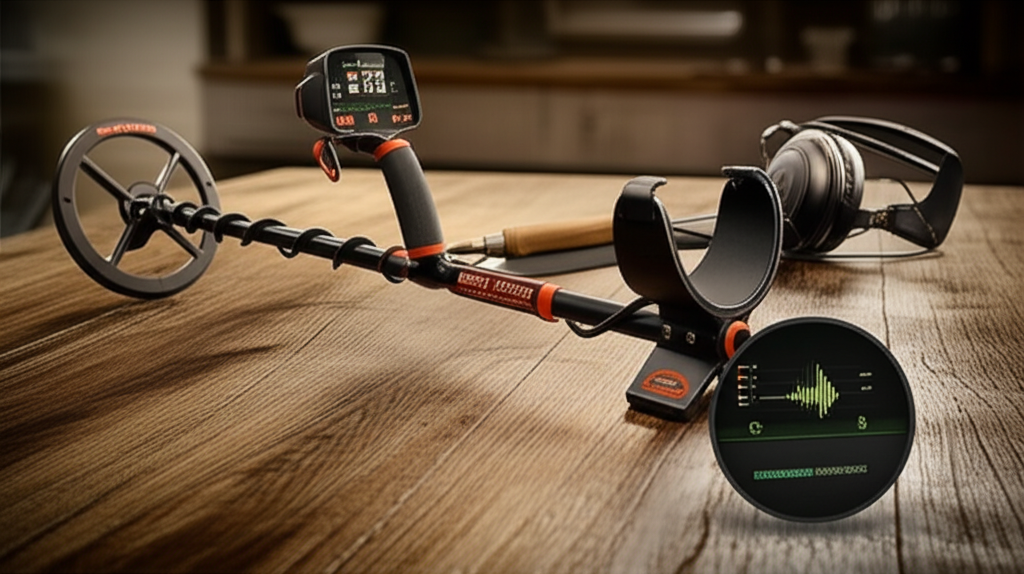
Bounty Hunter hasn’t stood still; they’ve continuously refined their models to incorporate user feedback and technological advancements. Early models were praised for their simplicity, but newer versions boast improved depth, better target identification, and enhanced ergonomics. This evolution ensures that even their entry-level detectors offer a competitive performance.
You’ll find features like multi-tone audio feedback, which provides audible clues about target type, and adjustable notch discrimination, allowing you to ignore common trash items like iron nails. These are significant upgrades that directly translate to more rewarding hunts and less frustration digging. It’s this commitment to ongoing improvement that solidifies their breakthrough status.
Key Bounty Hunter Metal Detector Models and Their Strengths
Bounty Hunter offers a range of detectors, each tailored to different needs and budgets, making them a versatile choice. Whether you’re after coins in a park or relics in a field, there’s likely a Bounty Hunter that fits your quest. Understanding their flagship models can help you pinpoint the perfect companion for your adventures.
Let’s look at a couple of popular examples that highlight their breakthrough approach to accessible detecting. These models exemplify how Bounty Hunter balances features, performance, and price.
The Bounty Hunter Tracker IV: A Beginner’s Best Friend
The Tracker IV is a classic example of Bounty Hunter’s commitment to simplicity and effectiveness, making it a breakthrough for absolute beginners. It features a straightforward control panel with just a few essential knobs for sensitivity, discrimination, and mode selection. This makes it incredibly easy to learn and operate right out of the box.
Despite its simplicity, the Tracker IV is surprisingly capable. It offers a good depth for its price range and can detect coins, jewelry, and relics. Its robust construction means it can handle the rigors of outdoor use, which is essential for any detectorist.
The Bounty Hunter Land Ranger Pro: Stepping Up Your Game
For those looking for a bit more sophistication without venturing into complex territory, the Land Ranger Pro is a significant step up. This model introduces more advanced features like a digital target ID system, which provides a numerical value for target identification, and a ground balance adjustment. These features offer greater precision in identifying targets.
The Land Ranger Pro’s improved sensitivity and discrimination allow for more nuanced hunting in areas with a lot of metallic trash. It’s a breakthrough for hobbyists who have outgrown basic detectors but aren’t ready for professional-grade machines. This detector bridges the gap effectively, offering enhanced capabilities for serious enthusiasts.
Essential Accessories to Complement Your Bounty Hunter Detector
No metal detecting adventure is complete without the right accessories, and Bounty Hunter offers some excellent options to enhance your experience. These aren’t just add-ons; they are crucial tools that can dramatically increase your success rate and overall enjoyment. Investing in a few key items can make a world of difference in the field.
Think of these accessories as extensions of your detector’s capabilities, helping you pinpoint, dig, and recover your finds efficiently. They are part of what makes the Bounty Hunter system a complete breakthrough for hobbyists.
The Importance of a Good Pinpointer
A pinpointer is arguably the most critical accessory for any detectorist, and Bounty Hunter offers reliable options. This small, handheld device helps you locate the exact spot of a target within the soil plug you’ve dug, saving immense time and effort. Without one, you’ll be sifting through dirt for ages.
Using a pinpointer dramatically reduces the size of your digging area and minimizes the chance of damaging your find. It’s a small tool that delivers a huge return on investment in terms of efficiency and recovery success. I never leave home without mine.
Digging Tools: The Foundation of Recovery
Once your detector signals a target, you need the right tools to retrieve it. Bounty Hunter and other reputable brands offer a range of digging tools, from robust trowels to specialized digging shovels. The right tool depends on the type of ground you’ll be hunting in.
For park detecting or softer soils, a sturdy trowel might suffice. However, for tougher, clay-heavy ground, a serrated digging shovel designed for cutting through roots and compacted earth is essential. Having appropriate digging tools ensures you can recover your finds cleanly and efficiently. Check out this guide on essential metal detecting tools.
Headphones: Hearing Every Whisper of a Target
Good quality headphones are another game-changer, especially when hunting in noisy environments or when trying to discern faint signals. They block out ambient noise, allowing you to hear the subtle nuances of your detector’s audio feedback. Bounty Hunter detectors are designed to work with standard headphone jacks.
This improved audio clarity is crucial for identifying targets accurately and avoiding unnecessary digging of trash. It’s a simple upgrade that significantly boosts your detecting performance and helps you make the most of your Bounty Hunter’s capabilities.
Tips for Maximizing Your Finds with a Bounty Hunter Metal Detector
Getting the most out of your Bounty Hunter metal detector involves more than just swinging it over the ground. It requires understanding your machine, the terrain, and a bit of detectorist wisdom. Applying these tips can transform a casual outing into a successful treasure hunt.
These techniques, honed over years of field experience, will help you unlock the full potential of your Bounty Hunter. They are designed to boost your efficiency and increase the likelihood of uncovering those exciting finds.
Understanding Your Detector’s Settings
Take the time to learn what each setting on your Bounty Hunter detector does. Experiment with sensitivity – too high can cause false signals, too low and you might miss deep targets. Adjust discrimination carefully; while it helps ignore trash, setting it too high can filter out valuable targets like small gold rings.
Read your manual thoroughly, and then go out and test your settings in a controlled environment, like your backyard, with known targets buried. This hands-on practice is invaluable for understanding how your specific Bounty Hunter model responds to different metals and ground conditions.
Effective Swinging Techniques
The way you swing your coil is critical for covering ground thoroughly and avoiding missed targets. Maintain a consistent speed, overlapping each sweep by about half the coil’s diameter. Keep the coil as parallel to the ground as possible throughout the swing.
Avoid lifting the coil at the ends of your swing, as this creates blind spots where targets can be missed. A smooth, consistent motion ensures you’re giving every inch of ground an equal chance of revealing its secrets. This methodical approach is key to successful detecting.
Ground Balancing for Optimal Performance
Many Bounty Hunter models, particularly the Land Ranger Pro, feature ground balancing. This process helps the detector ignore the naturally occurring minerals in the soil that can cause false signals. Proper ground balancing is essential for maximizing depth and accuracy, especially in mineralized soil.
There are typically two types: automatic and manual. Automatic is usually a quick push of a button, while manual requires a bit more finesse. Learning to ground balance effectively will significantly improve your detector’s performance in challenging environments.
Where to Hunt: Maximizing Your Chances of Success
The location you choose to detect is just as important as the detector you use. Different locations hold different types of treasures, and understanding historical patterns can lead you to promising spots. Research and permission are your best allies in finding good hunting grounds.
Always remember to seek permission before detecting on private property. Respecting land ownership is crucial for maintaining good relationships and ensuring continued access to potential sites.
Historical Hotspots: Parks, Schools, and Old Home Sites
Areas where people have gathered historically are prime hunting grounds. Old parks, fairgrounds, abandoned home sites, and schoolyards can yield a wealth of lost coins, jewelry, and relics. These locations have seen generations of activity, increasing the odds of dropped items.
When researching old home sites, look for historical maps or property records. Even the edges of former driveways or pathways can be surprisingly productive. These areas are often overlooked but can be incredibly rewarding for detectorists.
Public Lands and Beaches: Treasure Trove Opportunities
Public lands, such as beaches, riverbanks, and recreational areas, are often excellent for finding lost items. Beaches, in particular, are dynamic environments where items can be washed ashore or buried by shifting sands, revealing themselves over time. The saltwater environment can also preserve metal items remarkably well.
Always check local regulations regarding metal detecting on public lands. Some areas may have restrictions or require permits. Being aware of these rules ensures you can hunt legally and responsibly. Many beaches are fantastic for finding modern jewelry and coins.
Common Targets and What to Expect
As you begin using your Bounty Hunter metal detector, it’s helpful to have an idea of what you might find. Expect a variety of targets, from modern pocket change to historical artifacts. Your detector’s discrimination settings will play a significant role in what you dig.
Understanding common targets helps manage expectations and appreciate even the smaller finds. Every signal is a potential story waiting to be uncovered.
Coins: The Detectorist’s Bread and Butter
Coins are the most common targets for many detectorists, especially in parks and older residential areas. You’ll likely find modern currency, but with patience and persistent hunting, you might unearth older, more valuable coins. Different coins have different conductivity, which your detector’s target ID will help you interpret.
Learning the conductivity ranges for various coins can improve your ability to identify potential finds before you even dig. This knowledge is a significant advantage for any detectorist.
Jewelry: Rings, Bracelets, and More
Lost jewelry is another exciting find that Bounty Hunter detectors are well-equipped to locate. Rings, especially those made of gold, can be detected by most VLF machines. The challenge often lies in distinguishing them from other metallic trash.
The careful use of discrimination and understanding your detector’s audio tones will be key to recovering lost jewelry. Some of the most sentimental finds are often pieces of jewelry.
Relics and Artifacts: A Window to the Past
For many, the ultimate thrill is unearthing relics – items from bygone eras that tell a story. This could include old buttons, buckles, tools, or even pieces of pottery. These finds require more patience and often hunting in older, less-trafficked locations.
Relic hunting often involves deeper targets and a greater variety of metal compositions, making advanced discrimination and careful coil control essential. These are the finds that truly connect you to history.
Maintaining Your Bounty Hunter Detector for Longevity
Proper care and maintenance are essential to ensure your Bounty Hunter metal detector performs reliably for years to come. Treating your equipment well will prevent costly repairs and ensure it’s ready for your next adventure. A little effort goes a long way.
Regular cleaning and proper storage will protect your investment and keep your detector in top working condition. Think of it as preserving your most valuable treasure-hunting tool.
Cleaning Your Detector After Each Hunt
After every outing, it’s important to clean your detector, especially the coil. Wipe down the coil with a damp cloth to remove dirt and debris. For more stubborn grime, a mild soap and water solution can be used, but avoid harsh chemicals that could damage the plastic.
Also, wipe down the control box and shaft. Keeping your detector clean not only looks good but also prevents dirt from interfering with sensitive components or scratching surfaces.
Proper Storage and Battery Care
When you’re not using your detector, store it in a cool, dry place, ideally in its original box or a protective carrying case. Avoid leaving it in extreme temperatures, such as a hot car trunk, as this can damage the electronics. Ensure batteries are removed if storing for extended periods to prevent corrosion.
Following these storage guidelines will help preserve the integrity of your Bounty Hunter detector and ensure it’s always ready to go when you are. Proper battery management is key to consistent performance.
Frequently Asked Questions About Bounty Hunter Metal Detectors
Q1: Are Bounty Hunter metal detectors good for beginners?
A1: Yes, Bounty Hunter metal detectors are excellent for beginners. They are known for their user-friendly design, intuitive controls, and affordable price points, making them a fantastic entry into the hobby without a steep learning curve.
Q2: What is the best Bounty Hunter metal detector for finding coins?
A2: Models like the Bounty Hunter Land Ranger Pro offer good target ID and sensitivity, making them very effective for coin hunting. The Tracker IV is also capable for beginners focusing on coins.
Q3: Can Bounty Hunter detectors find gold?
A3: While primarily designed for coins and relics, some Bounty Hunter models can detect small gold jewelry. For serious gold prospecting, you might consider models with higher frequencies or specialized gold detectors, but for casual finds, they can work.
Q4: How deep can a Bounty Hunter metal detector detect?
A4: Depth varies by model and target size, but most Bounty Hunter detectors can detect coins up to 6-8 inches deep, and larger objects even deeper. Factors like soil mineralization and coil size also influence depth.
Q5: Do I need to buy a pinpointer with my Bounty Hunter detector?
A5: While not strictly mandatory, a pinpointer is highly recommended. It dramatically speeds up the process of locating targets in your dug plugs, saving you time and effort.
Q6: Where can I legally metal detect with a Bounty Hunter detector?
A6: You can legally detect on private property with the owner’s permission, and on many public lands like beaches or parks, provided you check and adhere to local ordinances and regulations, which can vary widely.
Conclusion: Your Treasure Hunting Journey Starts Here
Bounty Hunter metal detectors truly represent an essential breakthrough for anyone looking to explore the exciting world of treasure hunting. They demystify the hobby with their accessible technology, intuitive operation, and budget-friendly price tags, proving that you don’t need to be an expert or spend a fortune to start finding treasures. From the classic simplicity of the Tracker IV to the more advanced features of the Land Ranger Pro, Bounty Hunter offers a pathway for discovery that is both rewarding and enjoyable.
By understanding your detector, using the right accessories like pinpointers and digging tools, and employing effective hunting techniques, you can maximize your finds and make every outing a potential success story. The journey of a detectorist is one of patience, persistence, and the sheer joy of uncovering the hidden past. Your Bounty Hunter metal detector is more than just a piece of equipment; it’s your key to unlocking adventures and making your own discoveries. Happy hunting!
