


Published on: September 22, 2025 | Updated on: September 22, 2025
Yes, you can often rent a metal detector, especially from specialized rental shops, outdoor gear stores, or sometimes even directly from detector manufacturers or local clubs. Renting is a smart way to try before you buy, tackle a specific project, or enjoy a temporary hobby without a significant upfront investment.
Metal detecting can be an incredibly rewarding hobby, opening up a world of history and hidden treasures right beneath your feet. But before you invest hundreds, or even thousands, of dollars into a top-of-the-line detector, a natural question arises: can I rent a metal detector? It’s a common concern for newcomers, and thankfully, the answer is usually a resounding yes. This guide will walk you through the ins and outs of renting a metal detector, helping you find the right gear for your treasure-hunting adventures and ensure your first foray into the hobby is a successful one. We’ll cover where to look, what to consider, and what essential finds you might be hoping to uncover.
Where to Find Metal Detector Rentals
Locating a place to rent a metal detector is more accessible than you might think, with several avenues to explore. These options cater to different needs, from a weekend beach hunt to a specific historical site exploration.
Local Rental Shops and Outdoor Gear Stores

Many general rental shops or stores specializing in outdoor and recreational equipment offer metal detectors as part of their inventory. These businesses often cater to vacationers or individuals looking for temporary solutions. You’ll find they typically carry popular, user-friendly models suitable for general detecting.
Online Rental Platforms
The digital age has brought convenience to rental services. Several online platforms connect individuals with rental items, including specialized equipment like metal detectors. These services can sometimes offer a wider selection and competitive pricing, with options for delivery.
Metal Detector Dealerships and Manufacturers
Some authorized dealers or even the manufacturers themselves might offer rental programs. This is an excellent way to test a specific high-end model you’re considering purchasing. They often provide models that are newer and have advanced features.
Local Detectorist Clubs and Forums
Don’t underestimate the power of community. Local metal detecting clubs are often filled with experienced individuals who may be willing to rent out their equipment. Online forums and social media groups dedicated to metal detecting are also great places to inquire.
Understanding Rental Costs and Duration
The financial aspect of renting a metal detector is a key consideration for many. Understanding the typical pricing structures and rental periods will help you budget effectively for your detecting excursions.
Daily, Weekly, and Monthly Rates
Most rental services offer flexible rental periods. You can expect to pay a daily rate, which is usually the most expensive per day, or opt for weekly or monthly packages that offer significant savings. These options allow you to tailor the rental duration to your specific needs, whether it’s a single-day outing or a longer exploration.
Deposit and Insurance
Be prepared for a security deposit, which is standard practice for most rental agreements. This deposit is refundable upon the safe return of the equipment. Some rental services may also offer or require insurance for the detector, protecting against accidental damage.
What’s Typically Included
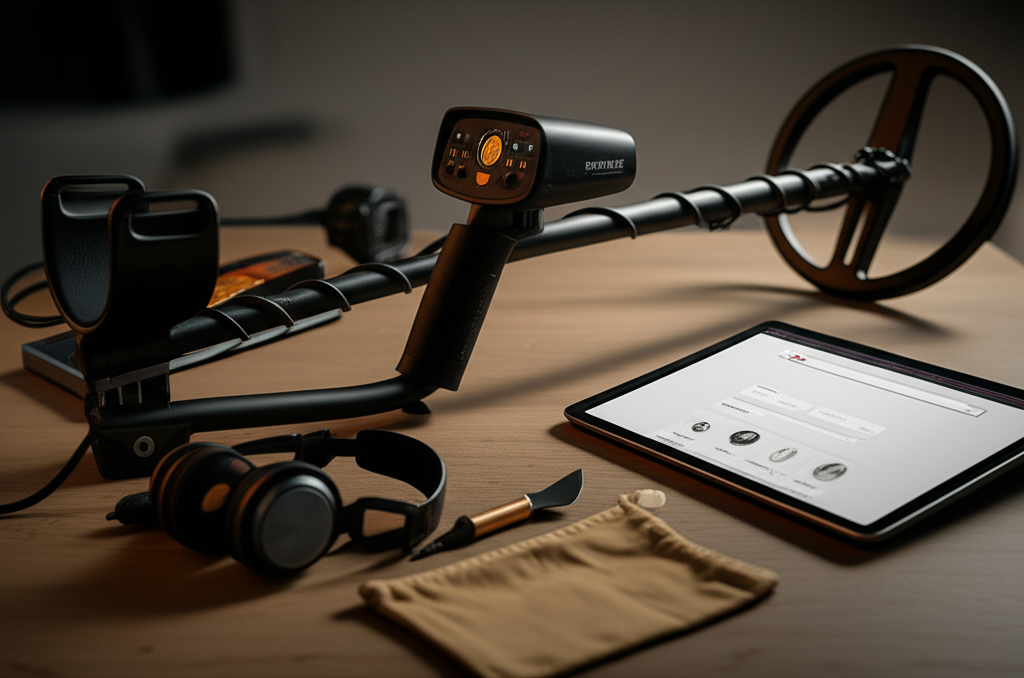
When you rent a metal detector, you generally get the main unit, which includes the control box and shaft, along with a search coil. Accessories like headphones, a pinpointer, or digging tools might be included, or they may be available as add-ons for an additional fee. Always clarify what comes with the rental package.
What to Look for in a Rental Detector
Not all metal detectors are created equal, and choosing the right one for your intended use is crucial for a satisfying experience. Here’s what I consider when picking out a rental unit.
Ease of Use for Beginners
If you’re new to the hobby, opt for a detector known for its user-friendliness. Models with straightforward controls, clear target identification (like numerical IDs), and pre-set modes for different environments (like “coin” or “jewelry”) are ideal. A complex machine can be overwhelming for a first-time user.
Suitability for Your Target Environment
Are you planning to hunt on a sandy beach, a grassy park, or a wooded field? Different detectors perform better in specific environments. For instance, beach detectors often have excellent saltwater capabilities, while others are optimized for mineralized ground.
Depth and Sensitivity
A good rental detector should have decent depth penetration and sensitivity to small targets. While you might not get the absolute top-of-the-line features, it should be capable of finding common targets like coins and relics at reasonable depths. Look for detectors with adjustable discrimination to filter out unwanted junk.
Essential Finds: What You Might Uncover
The allure of metal detecting lies in the possibility of unearthing forgotten relics and valuable items. While every hunt is different, understanding what’s commonly found can set realistic expectations and guide your search.
Coins
Coins are the bread and butter for many detectorists. From modern pocket change in parks to old silver dollars and wheat pennies in historical areas, coins are abundant and often provide exciting finds. Their metallic composition makes them relatively easy for detectors to pick up.
Jewelry
Lost rings, bracelets, and earrings are another common and exciting discovery. These items can range from simple fashion pieces to valuable gold and silver treasures. Beaches and parks are particularly good spots for jewelry hunting.
Relics and Historical Artifacts
This is where metal detecting truly connects you with the past. You might find old buttons, buckles, tools, bullets, or even fragments of pottery. These relics offer a tangible link to history and can be incredibly rewarding to identify and research.
Gold Nuggets and Prospecting
For those interested in gold prospecting, specialized detectors are available. While renting a dedicated gold detector might be harder, some general detectors with gold prospecting modes can still yield small nuggets in gold-bearing areas. This requires specific knowledge of geology and prospecting locations.
Essential Gear to Accompany Your Rental Detector
A metal detector is your primary tool, but having the right accessories can dramatically improve your efficiency and success rate. These items are often available for rent or purchase alongside the detector itself.
Pinpointer
A pinpointer is a small, handheld detector that helps you pinpoint the exact location of a target within the plug of soil you’ve dug. It saves immense time and effort by preventing you from digging larger holes or damaging the target. I consider a pinpointer absolutely essential for any serious detecting session.
Digging Tools
You’ll need appropriate digging tools to retrieve your targets. This typically includes a trowel or a specialized digging shovel designed for metal detecting. For beach hunting, a sand scoop is indispensable. Choose tools that are durable and suitable for the type of ground you’ll be working in.
Headphones
Metal detectors often come with built-in speakers, but headphones offer several advantages. They allow you to hear faint signals more clearly, especially in noisy environments, and they help conserve the detector’s battery life. Many rental packages include headphones.
Carry Bag and Pouch
A sturdy carry bag will protect your rental detector during transport and storage. A hip-mounted pouch or apron is also very useful for keeping your finds, digging tools, and trash separate and organized while you’re in the field.
Tips for a Successful Rental Experience
Maximizing your chances of a fruitful hunt starts with smart preparation and a mindful approach to using rented equipment. Here are some field-tested tips to ensure your rental experience is a positive one.
Read the Manual
Even if you’re familiar with metal detectors, take a few minutes to read the manual for the specific model you’ve rented. This will familiarize you with its unique features, settings, and any specific operational quirks. Understanding your equipment is the first step to success.
Practice in a Known Area
Before heading out to a potentially rich but unknown location, spend some time practicing with the detector in your backyard or a local park where you know there’s likely to be some modern trash. This helps you get a feel for the machine’s sounds and target responses. It’s like a warm-up for your detecting senses.
Join Local Online Communities
Engage with local metal detecting groups online. These communities are invaluable resources for learning about productive local spots, understanding local regulations, and getting advice on the best techniques for your area. Members often share their experiences and tips freely.
Respect Property and Regulations
Always obtain permission before detecting on private property. Familiarize yourself with local ordinances and laws regarding metal detecting in parks, beaches, and historical sites. Responsible detecting ensures the hobby remains accessible for everyone.
Renting vs. Buying: When Each Makes Sense
Deciding whether to rent or buy a metal detector depends on your intentions and commitment to the hobby. Each option has its own set of advantages.
When Renting is Ideal
Renting is perfect for trying out the hobby before committing to a purchase, for a one-time event like a beach vacation, or for a specific project where you need a detector for a short period. It allows you to experience the thrill of detecting without the upfront investment. If you’re unsure if metal detecting is for you, renting is the smart first step.
When Buying Makes More Sense
If you find yourself hooked after a rental or two, and you’re planning regular detecting trips, buying a detector becomes a more cost-effective option. Purchasing allows you to familiarize yourself deeply with one machine, invest in upgrades like different coils, and always have your gear ready to go. It also means you can experiment with more advanced models.
Common Pitfalls to Avoid with Rental Detectors
To ensure your rental experience is smooth and productive, it’s wise to be aware of potential issues that can arise. Avoiding these common pitfalls will save you time, money, and frustration.
Not Understanding the Return Policy
Always be clear about the rental return policy, including the required condition of the equipment and the deadline for returns. Unexpected fees or charges can often be avoided by simply understanding the terms. Clarify any potential penalties for late returns or damage.
Overlooking Included Accessories
Sometimes, essential accessories like headphones or a pinpointer are included but not immediately obvious. Double-check your rental package to ensure you’re getting everything you need. Missing these can significantly hinder your detecting effectiveness.
Neglecting Maintenance and Care
Even though it’s a rental, treat the equipment with respect. Keep it clean, avoid unnecessary exposure to harsh elements, and ensure it’s properly stored. This not only helps you avoid potential damage fees but also contributes to a positive experience for the next renter.
Frequently Asked Questions About Renting Metal Detectors
Can I rent a metal detector for a specific type of hunting, like gold prospecting?
While basic models are widely available for rent, specialized detectors like those for gold prospecting might be harder to find. Your best bet would be to check with dedicated prospecting or high-end detector dealers, or inquire within specialized online forums.
What kind of deposit should I expect when renting a metal detector?
Deposits can vary significantly, typically ranging from $50 to a few hundred dollars, depending on the value of the detector. This is usually refunded upon the undamaged return of the equipment. Always confirm the deposit amount and conditions beforehand.
Are metal detector rentals covered by insurance?
Some rental companies offer optional insurance for a small daily fee, which covers accidental damage. If not, your homeowner’s or renter’s insurance policy might offer some coverage, but it’s essential to check the specifics of your policy.
How do I know if the rental detector is in good working condition?
Before leaving the rental location, power on the detector and test its basic functions. Listen for any unusual noises and ensure the display is clear. If possible, test it briefly in the immediate vicinity to confirm it’s operational.
Can I rent a metal detector for international travel?
Renting for international travel can be complex due to shipping, customs, and varying regulations. It’s often more practical to purchase a detector for long trips or to research rental options in your specific destination country.
What happens if I damage the rental metal detector?
If you accidentally damage the rental detector, inform the rental company immediately. Depending on the rental agreement and any insurance taken, you may be responsible for repair costs or the full replacement value of the equipment.
Conclusion
Renting a metal detector is an excellent gateway into the rewarding world of treasure hunting, relic recovery, and outdoor exploration. It allows you to experience the thrill of discovery without the initial financial commitment, making it ideal for beginners or those seeking a temporary hobby. By understanding where to find rentals, what to look for in a machine, and the essential accessories that accompany it, you can significantly increase your chances of a successful and enjoyable hunt. Always remember to read the manual, respect the equipment, and adhere to local regulations. So, to answer the question, can I rent a metal detector? Yes, you absolutely can, and it’s a fantastic way to embark on your first detecting adventures and uncover those essential finds.
