


Published on: September 22, 2025 | Updated on: September 22, 2025
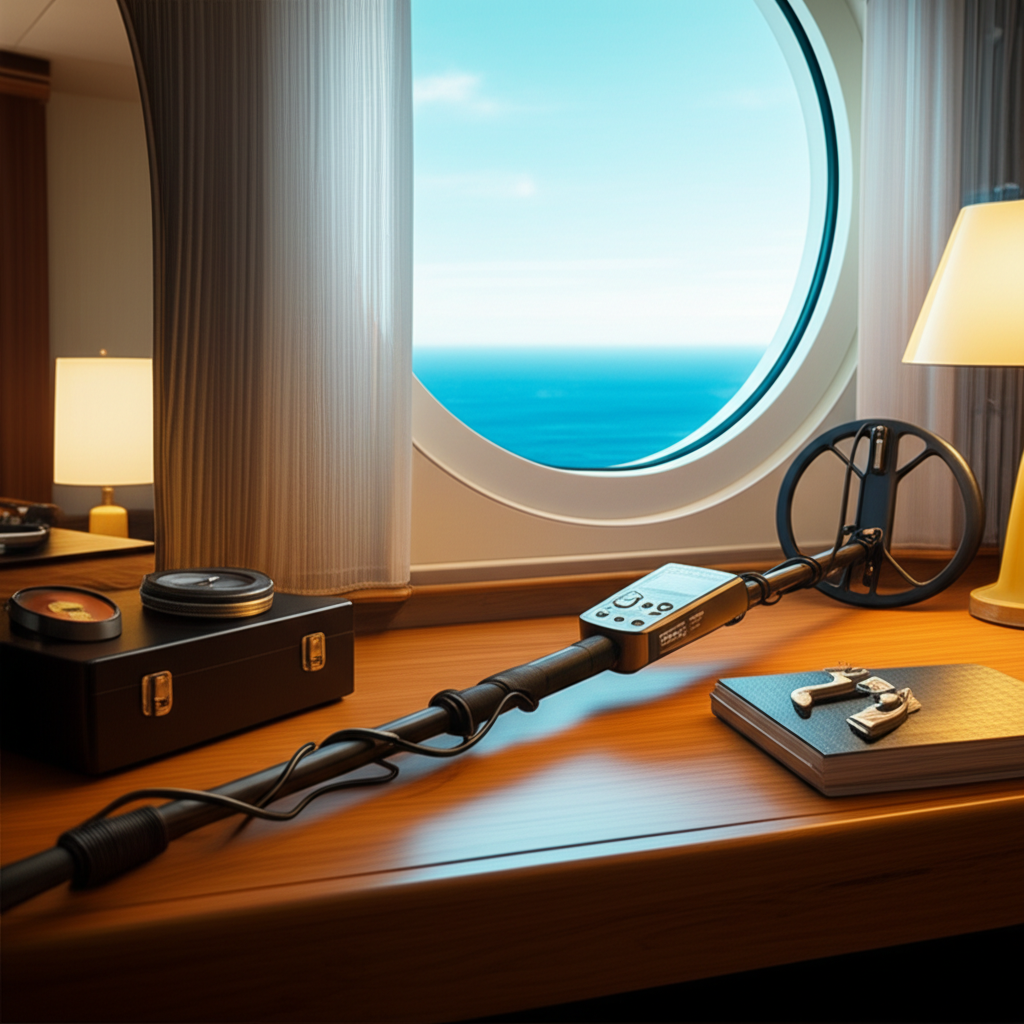
Yes, you can absolutely take a metal detector on a cruise, but you must follow specific cruise line policies and be aware of destination restrictions to avoid issues and maximize your treasure-hunting potential on shore excursions.
Can I Take a Metal Detector on a Cruise: Essential Hidden Treasures
The allure of finding forgotten coins, lost jewelry, or even historical relics is a powerful one, and many detectorists dream of extending their hobby to new shores. If you’re planning a cruise, you might be wondering if your trusty metal detector can join the adventure. It’s a common question, and the answer isn’t a simple yes or no. Navigating cruise line regulations and port-specific laws can feel like deciphering an ancient map, but with the right guidance, you can prepare for a rewarding treasure-hunting experience. This guide will walk you through everything you need to know.
Understanding Cruise Line Policies on Metal Detectors
Most major cruise lines have specific rules regarding what passengers can bring aboard. While they don’t usually ban metal detectors outright, there are often guidelines about their size, storage, and how they can be used. It’s crucial to check your specific cruise line’s terms and conditions well in advance of your departure. This proactive step can save you a lot of hassle, like having your equipment confiscated or being denied boarding.
Cruise lines often classify metal detectors as sporting equipment or general luggage. The key is to understand their size and weight limits for checked baggage and carry-ons. Some detectors are quite large and might need to be checked, while smaller, collapsible models might be allowed as carry-on items. Always double-check the dimensions and weight of your detector against the cruise line’s specifications.
Carry-On vs. Checked Baggage: What’s Best?

Deciding whether to carry on or check your metal detector depends on its size and your comfort level. For smaller, more portable detectors, a carry-on might be ideal to keep it safe and accessible. However, many detectors, especially those with larger coils or longer shafts, will need to be checked. Ensure your detector is well-protected with a padded bag or original packaging to prevent damage during transit.
When checking your metal detector, consider using a sturdy, hard-shell case if possible. This provides the best protection against bumps and drops that can occur in the baggage handling system. Label your case clearly with your name and contact information, just as you would with any other valuable piece of luggage.
Prohibited Items and Potential Conflicts
While metal detectors themselves aren’t typically on the prohibited items list, certain accessories might be. For example, large digging tools or sharp implements that could be construed as weapons might be disallowed. Always review the cruise line’s full list of prohibited items to avoid any misunderstandings. It’s better to leave potentially problematic gear at home than to have it confiscated.
The primary concern for cruise lines is passenger safety and security. They want to ensure that no items brought on board can be used to harm others or damage property. Understanding this perspective helps in presenting your metal detector in a way that aligns with their policies.
Destination-Specific Regulations: Where You Can and Can’t Detect
This is arguably the most critical part of planning your cruise-based metal detecting adventure. Laws regarding metal detecting vary wildly from country to country, and even within regions of a single country. What’s perfectly legal on a beach in one port might be strictly prohibited in another. Ignoring these local laws can lead to hefty fines, confiscation of your equipment, or even legal trouble.
Before you disembark in any port of call, thoroughly research the specific regulations for that location. This research should cover beaches, parks, historical sites, and any other areas you might consider searching. Your cruise line might offer general information, but it’s always best to conduct your own in-depth research.
Beaches: The Detectorist’s Paradise (Usually)
Beaches are often the most popular spots for cruise ship metal detectorists. Many beaches, especially public ones, permit metal detecting. However, even here, rules can apply. Some beaches might require a permit, while others may prohibit detecting in certain zones, such as near sensitive dune ecosystems or designated swimming areas.
Always look for signage on the beach that might indicate restrictions. If you’re unsure, ask a local lifeguard or beach official. Many detectorists find that focusing on the wet sand areas where the tide has recently receded can yield great finds with less risk of disturbing sensitive environments.
Historical Sites and Protected Areas: Tread Carefully
Areas with historical significance, such as ancient ruins, battlefields, or archaeological sites, are almost always off-limits for metal detecting. These locations are protected by law to preserve their integrity for future study and enjoyment. Disturbing these sites can cause irreparable damage and carry severe penalties.
Even areas that don’t appear to be official historical sites might be protected. National parks, nature reserves, and protected marine areas often have strict rules against removing anything from the environment, including metal objects. Always err on the side of caution when exploring these sensitive locations.
Private Property and Restricted Zones
Metal detecting on private property is generally prohibited unless you have explicit permission from the landowner. This applies to resorts, private beaches, and any land not designated as public. Always respect private property rights to avoid trespassing charges.
Some ports might have designated areas where detecting is simply not allowed, regardless of historical significance. These could include areas around military installations, government buildings, or sensitive infrastructure. A quick check of local government websites or tourism boards can often provide this information.
Essential Gear for Cruise Ship Detecting
Beyond your metal detector, a few key accessories will significantly enhance your detecting experience on a cruise. Packing smart means bringing the right tools without overpacking. Think about portability, ease of use, and what you’ll realistically need for beach and shallow water detecting.
Consider the types of targets you’re hoping to find. If you’re primarily interested in coins and jewelry on beaches, a general-purpose detector with a good discrimination setting will be perfect. If you’re venturing into shallower water, a waterproof detector or coil is a must.
Pinpointers: Your Best Friend on the Sand
A pinpointer is an indispensable tool for any detectorist, especially when dealing with the often-loose sand of beaches. Once you’ve detected a target with your main detector, a pinpointer helps you quickly and accurately locate the object within the soil. This saves considerable time and effort, preventing you from digging large holes unnecessarily.
Many pinpointers are small, handheld devices that vibrate and emit a tone that intensifies as you get closer to the target. Look for waterproof models if you plan on detecting in the surf or shallow water. This is a small item that makes a huge difference in efficiency.
Digging Tools: Keep it Light and Legal
When it comes to digging tools, choose wisely. Many cruise lines and destinations have restrictions on sharp or oversized digging implements. Opt for lightweight, durable beach shovels, sand scoops, or trowels. Stainless steel is often a good choice for durability and resistance to corrosion, especially in saltwater environments.
A good sand scoop with holes is essential for sifting through sand quickly. This allows you to separate the target from the sand with minimal effort. Make sure your digging tools are also packed according to the cruise line’s regulations, whether as carry-on or checked baggage.
Other Useful Accessories
Waterproof Pouch: To protect your phone, keys, and wallet while detecting near the water.
Small Backpack or Tote Bag: For carrying your gear, finds, and water.
Gloves: To protect your hands while digging in potentially sharp sand or debris.
Cleaning Supplies: A small brush and cloth to clean your detector and finds after a session.
* Rechargeable Batteries and Charger: Ensure you have power for your detector and pinpointer throughout your trip.
Choosing the Right Metal Detector for Cruise Travel
Not all metal detectors are created equal, and some are better suited for cruise travel than others. Portability, weight, and ease of assembly are key factors to consider. You don’t want a detector that’s cumbersome to pack or difficult to set up on arrival.
Many modern detectors are designed with user-friendliness and portability in mind. Look for models that are lightweight, collapsible, and perhaps even waterproof. This will make your detecting experience much more enjoyable and less of a logistical challenge.
Portability and Collapsibility
A detector that can break down into smaller pieces or collapse into a compact size is ideal for travel. This makes it easier to fit into luggage, whether you’re carrying it on or checking it. Some detectors even come with quick-release mechanisms for easy assembly and disassembly.
Consider the overall weight of the detector. Carrying it around for extended periods on shore excursions can be tiring. Lighter models are generally more comfortable for travel and prolonged use.
Waterproof Features
If your cruise itinerary includes destinations with beaches or opportunities for shallow water detecting, a waterproof detector or at least a waterproof coil is a significant advantage. Detecting in the surf or wading into the water can yield some of the best finds, but only if your equipment can handle it.
Even if the main control box isn’t waterproof, many detectors have waterproof coils. This allows you to submerge the coil while keeping the electronics dry. Always check the specific waterproof rating of your detector and its components.
Ease of Use and Discrimination
For beginners or those looking for a hassle-free experience, detectors with user-friendly interfaces and good discrimination capabilities are recommended. Good discrimination allows you to filter out common trash items like pull tabs and bottle caps, so you can focus on potentially valuable targets like coins and jewelry.
Many entry-level and mid-range detectors offer excellent performance for beach and general detecting. You don’t necessarily need the most expensive, high-end model to have a successful treasure-hunting trip.
Packing Your Metal Detector Safely for the Cruise
Proper packing is essential to ensure your metal detector arrives at your destination in good condition. This involves protecting it from damage and complying with any airline or cruise line baggage regulations. Investing in a good protective case can prevent costly repairs or the need to buy new equipment.
Think of your detector as any other valuable piece of equipment you might travel with, like a camera or laptop. It needs careful consideration when packing.
Protective Cases: The First Line of Defense
A padded detector bag or a hard-shell case is highly recommended. These cases are designed to absorb shocks and protect your detector from impacts. Many detector manufacturers offer specific cases for their models, but universal cases are also available.
If you don’t have a dedicated case, you can improvise by wrapping your detector in bubble wrap or soft blankets and placing it in a sturdy suitcase. Ensure all parts are secured and cannot move around freely.
Securing Loose Parts
If your detector disassembles into multiple pieces, ensure each piece is secured. The coil, in particular, is vulnerable to damage. It’s often best to remove the coil and pack it separately within the protective case, cushioning it well.
The control box and shaft sections should also be padded and secured to prevent them from knocking against each other or the sides of the case.
TSA and Cruise Line Regulations
When traveling by air to meet your cruise, remember that the Transportation Security Administration (TSA) has specific rules for sporting goods. While metal detectors are generally allowed, they might be subject to inspection. It’s often advisable to pack them in a way that allows for easy visual inspection by TSA agents.
For cruise lines, as mentioned earlier, check their specific baggage policies regarding size, weight, and whether the item must be checked or can be carried on.
Metal Detecting Etiquette and Best Practices on Shore
Once you’re on shore and ready to detect, practicing good etiquette is paramount. This ensures you have a positive experience, respect local laws and customs, and are welcomed back by port authorities and locals. It also helps maintain good relations for future detectorists.
Remember that you are a guest in these locations. Your behavior reflects not only on you but also on the entire metal detecting community.
Leave No Trace: Fill Your Holes
This is the golden rule of metal detecting. Always fill in any holes you dig completely, leaving the area as you found it, or even better. This prevents tripping hazards and maintains the natural appearance of beaches and parks.
Use your sand scoop or shovel to carefully replace the soil and smooth it over. A well-filled hole is often indistinguishable from the surrounding ground.
Respect Wildlife and Environment
Avoid disturbing natural habitats, nesting areas, or sensitive plant life. Many beaches have protected dune systems or areas where wildlife congregates. Be mindful of your surroundings and tread lightly.
If you encounter any protected species or delicate ecosystems, steer clear of detecting in those areas. Preservation should always be a top priority.
Be Mindful of Other Beachgoers
Metal detecting can sometimes draw attention. Be courteous to other people enjoying the beach. Avoid detecting too close to sunbathers or swimmers, and don’t let your equipment obstruct pathways or public access.
A friendly wave or a brief explanation of what you’re doing can often diffuse any potential concerns and foster goodwill.
What to Do with Your Finds
The thrill of finding something unexpected is a major part of metal detecting. When you’re on a cruise, you might find anything from modern coins to historical artifacts. Knowing what to do with your discoveries is important, both legally and ethically.
Be aware that some items you find might have historical or cultural significance, and local laws may dictate what you can keep.
Reporting Significant Finds
If you unearth something that appears to be of significant historical or archaeological value, it’s often best to report it to local authorities or the relevant heritage agency. Many countries have laws protecting such artifacts, and removing them could be illegal.
While finding a rare coin or an old piece of jewelry is exciting, understanding the legal implications of your finds is crucial. When in doubt, contact local heritage officials.
Keeping What You Find (Legally)
For common finds like modern coins, lost jewelry, or everyday trinkets, you can generally keep them, provided you are legally permitted to detect in that area and there are no specific laws against removing such items. Always research the laws of your destination.
Be sure to clean and preserve your finds properly. Saltwater can be corrosive, so rinsing items in fresh water and drying them thoroughly is important.
Can I Take a Metal Detector on a Cruise: Key Considerations Summary
Planning to take your metal detector on a cruise is an exciting prospect for any treasure hunter. The primary hurdle is understanding and adhering to cruise line policies, which often permit detectors if packed correctly. Crucially, destination-specific laws regarding metal detecting vary immensely and must be researched thoroughly for each port of call to avoid legal issues. Essential gear includes a pinpointer and appropriate digging tools.
Frequently Asked Questions
Q1: Are metal detectors allowed on cruise ships?
A: Generally, yes. Cruise lines usually allow metal detectors as sporting equipment or luggage, but you must check their specific policies regarding size, weight, and packing requirements before you travel.
Q2: Do I need a permit to metal detect on beaches in cruise ports?
A: This depends entirely on the specific port and country. Some beaches require permits, while others prohibit detecting altogether. Always research local laws for each destination.
Q3: What are the best types of metal detectors for cruise travel?
A: Look for lightweight, collapsible, and potentially waterproof detectors or coils. Ease of assembly and portability are key for shore excursions.
Q4: Can I bring my digging tools on a cruise?
A: You can, but be mindful of cruise line restrictions on sharp or oversized tools. Lightweight sand scoops and trowels are usually acceptable.
Q5: What should I do if I find something valuable or historical?
A: If you suspect a find is historically significant, it’s best to leave it in place and contact local authorities or heritage agencies. For everyday finds, research local laws to ensure you can legally keep them.
Q6: Are there any restrictions on where I can detect once I’m off the ship?
A: Absolutely. You cannot detect on private property without permission, and many historical sites, protected areas, and national parks have strict prohibitions. Always adhere to local signage and regulations.
Conclusion: Embark on Your Cruise with Confidence
So, can I take a metal detector on a cruise? The answer is a resounding yes, with careful planning and adherence to rules. By understanding your cruise line’s policies, thoroughly researching destination-specific laws, packing your gear smartly, and practicing responsible metal detecting etiquette, you can transform your cruise vacation into an unforgettable treasure-hunting adventure. From the sandy shores of tropical islands to the historic coastlines of ancient lands, a world of hidden treasures awaits. Happy hunting!
