


Published on: September 22, 2025 | Updated on: September 22, 2025
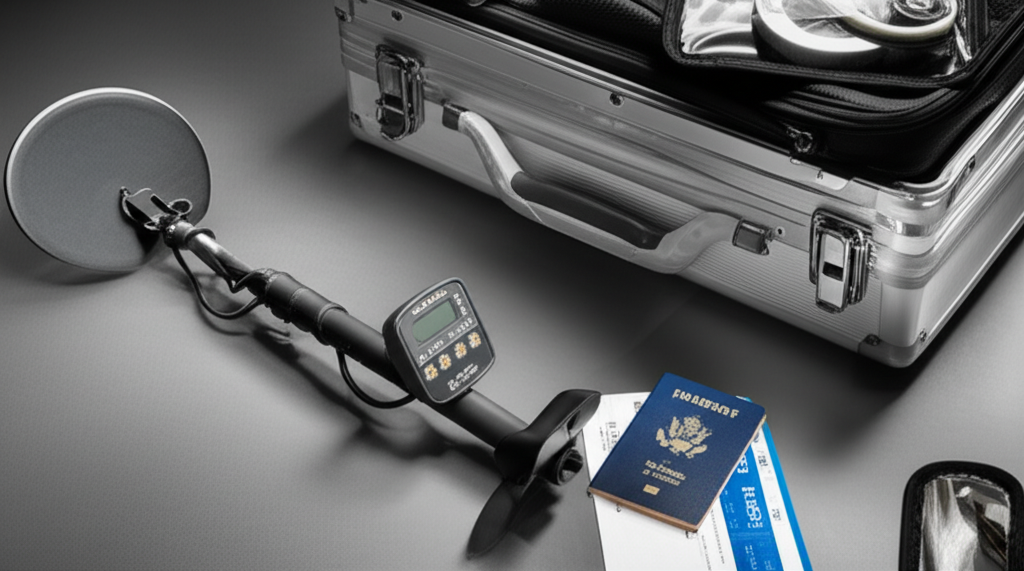
Yes, you can generally take a metal detector on a plane, but there are specific airline regulations and TSA guidelines you must follow to avoid issues. This guide will break down everything you need to know to fly with your detector smoothly.
Navigating air travel with your beloved metal detector can feel like a treasure hunt in itself, fraught with uncertainty and potential roadblocks. Many detectorists wonder, “Can I take a metal detector on a plane?” The good news is, with the right preparation, bringing your detecting gear along is entirely possible. This guide will demystify the process, ensuring your next adventure takes flight without a hitch. We’ll cover airline policies, TSA screening, packing tips, and what to do with your detector once you land.
Can I Take A Metal Detector On A Plane? Understanding the Basics
The short answer is a resounding yes, but with important caveats. Airlines and the Transportation Security Administration (TSA) generally permit metal detectors, viewing them as sporting equipment or oversized carry-on items. Understanding these policies beforehand is crucial to avoid any last-minute stress at the airport.
Navigating Airline Policies: Carry-On vs. Checked Baggage

When considering how to transport your metal detector, you have two primary options: carrying it on or checking it as baggage. Each has its own set of advantages and disadvantages that are worth weighing carefully.
Carry-On Considerations
Taking your metal detector as a carry-on offers the most security for your equipment. You’ll keep an eye on it throughout the journey, significantly reducing the risk of loss or damage. Most detector shafts disassemble or can be detached, allowing them to fit into larger carry-on bags or as a separate oversized item.
However, carry-on space can be limited, and some airlines have strict dimensions for carry-on luggage. You’ll need to check your specific airline’s policy regarding oversized carry-on items and any potential fees associated with them. Be prepared for the detector to be screened separately.
Checked Baggage Guidelines
Checking your metal detector as baggage is often the more straightforward option for larger or more complex setups. This frees up valuable space in your carry-on and avoids potential issues with airline carry-on size restrictions. However, checked baggage undergoes more handling, increasing the risk of damage or loss.
If you opt to check your detector, invest in a sturdy, padded travel case. This will provide essential protection against the rigors of baggage handling. Always remove any batteries, especially lithium-ion batteries, and follow airline regulations for transporting them separately, usually in your carry-on.
TSA Screening Procedures for Metal Detectors
The TSA’s primary concern is safety and security. Metal detectors, by their nature, contain metal and electronic components, which means they will be subject to thorough screening. Being prepared for this process can make it go much smoother.
When you arrive at the security checkpoint, inform the TSA officer that you have a metal detector. They will likely ask you to remove it from its bag for a closer inspection. This might involve visual checks, pat-downs, or even using their own handheld detectors to scan your equipment.
What to Expect at Security
Expect your metal detector to be x-rayed separately. If your detector has a removable coil or control box, it might be beneficial to pack these components in a way that they are easily accessible. This can expedite the screening process and reduce the chances of your detector being taken for a more intensive secondary screening.
The TSA officers are trained to handle various types of equipment. While they may not be familiar with the intricacies of every metal detector model, they understand their function. Patience and clear communication are key to a hassle-free experience.
Packing Your Metal Detector for Air Travel
Proper packing is paramount to ensuring your metal detector arrives safely at your destination. This involves not only protecting the device itself but also adhering to airline and TSA regulations regarding batteries and other components.
Disassembling Your Detector: A Crucial Step
Most modern metal detectors are designed with travel in mind, featuring collapsible or detachable shafts. Disassembling your detector makes it significantly easier to pack into a travel case or even a standard suitcase. Consult your detector’s manual for specific instructions on how to safely take it apart.
Removing the coil and separating it from the shaft and control box is usually the first step. Ensure all connections are secure but not overly tightened when reassembling. This modular design is a lifesaver for travelers.
Choosing the Right Travel Case
A dedicated metal detector travel case is an excellent investment for any detectorist who flies. These cases are designed to fit specific models or types of detectors, offering padded protection and often secure compartments for accessories. Look for cases that are durable, lightweight, and preferably have TSA-approved locks if you plan to check your bag.
If a specialized case isn’t an option, a robust hard-shell suitcase lined with foam padding can also work. The goal is to prevent the detector from shifting or being impacted during transit. Always ensure there’s no excessive rattling.
Battery Regulations: A Critical Detail
This is perhaps the most critical aspect of packing. Lithium-ion batteries, commonly found in many advanced metal detectors, are classified as hazardous materials and are subject to strict regulations. Most airlines require that these batteries be transported in your carry-on baggage, not in checked luggage.
Always remove batteries from your detector before packing. Check your airline’s specific policy on the size and quantity of lithium batteries allowed in carry-on luggage. Some may require batteries to be in protective cases or have their terminals taped.
Can I Take Metal Detecting Accessories On A Plane?
Beyond the detector itself, you’ll likely want to bring essential accessories. Understanding how to pack these items will save you trouble at security.
Pinpointers and Small Tools
Your trusty pinpointer is an indispensable tool for any detecting trip. Small enough to fit in a pocket or a small compartment of your gear bag, pinpointers are generally allowed through security without issue. They are considered hand-held electronic devices.
Other small digging tools, like trowels or small spades, might raise some eyebrows. While not explicitly prohibited, they could be seen as potential weapons. It’s often best to check these in your checked baggage or ensure they are very small and clearly designed for gardening or hobby use.
Headphones and Other Electronics
Metal detector headphones, like most personal electronic devices, can typically be brought on board as carry-on items. They will go through the x-ray machine with your other belongings. Ensure they are packed securely to avoid damage.
Other electronic accessories, such as portable chargers or battery packs, must adhere to the same lithium-ion battery regulations as your detector’s power source. Always keep these in your carry-on.
What About Dug-Up Finds?
A common question among detectorists is whether they can bring their treasures home. The answer depends on the nature of your finds and local regulations at your destination.
Bringing Home Coins and Jewelry
Generally, small items like coins, jewelry, and common relics can be brought back on a plane. However, it’s wise to be aware of any import/export restrictions for the country or region you are visiting. Some historical artifacts may require special permits or may be prohibited from leaving their country of origin.
If you find something particularly valuable or historically significant, it’s always best to research local laws and customs regulations beforehand. This can prevent unexpected confiscations or legal trouble.
Dealing with Larger or Unusual Finds
If you happen to unearth something substantial or unusual, such as large pieces of machinery or significant archaeological items, you may face additional scrutiny. For these types of finds, it’s advisable to contact the relevant authorities at your destination or consult with your airline about specific shipping or customs procedures. Documenting your finds with photos and notes can also be helpful.
Can I Take A Metal Detector On A Plane To Go Gold Prospecting?
Absolutely! Metal detectors are essential tools for gold prospectors, and taking them on a plane is a common practice. The same rules for general metal detectors apply, with a strong emphasis on battery safety and proper packing.
Specific Considerations for Prospecting Gear
If your prospecting gear includes items like sluice boxes or large pans, these may need to be checked as oversized baggage. Ensure they are packed securely to prevent damage. Again, always check airline policies for dimensions and weight limits.
The thrill of finding gold is often the goal of these trips, so make sure your detector and accessories are packed in a way that maximizes your chances of a successful and stress-free adventure.
Can I Take A Metal Detector On A Plane For Relic Hunting?
Relic hunting often involves more sensitive equipment and the potential for significant finds. The ability to take your metal detector on a plane is crucial for accessing historical sites around the world.
Pre-Travel Research for Relic Hunters
Before you travel for relic hunting, it’s imperative to research the laws and regulations of your destination regarding metal detecting and artifact recovery. Some countries have very strict laws to protect historical heritage, and unauthorized detecting can lead to severe penalties. Understanding these nuances is as important as knowing how to pack your detector.
Always ensure your detector and any associated tools are packed according to airline and TSA guidelines. This allows you to focus on the hunt, not on airport security.
Frequently Asked Questions (FAQ)
Here are answers to some common questions detectorists have about flying with their gear.
Can I take a metal detector apart to fit in my luggage?
Yes, most metal detectors can be disassembled into smaller parts, making them easier to pack. Always refer to your detector’s manual for specific disassembly instructions.
What is the TSA’s stance on metal detectors?
The TSA allows metal detectors as either carry-on or checked baggage. They will be subject to screening, and you should be prepared for a thorough inspection.
Do I need to declare my metal detector?
It’s good practice to inform the TSA agent that you have a metal detector before you go through security screening. This can help expedite the process.
Can I take a metal detector coil on a plane?
Yes, metal detector coils can be taken on a plane. They should be packed securely, either within your detector’s travel case or in your carry-on or checked luggage.
Are there size restrictions for taking a metal detector on a plane?
While not a prohibited item, oversized carry-on items may be subject to airline restrictions and potential fees. Checked baggage has weight and size limits, so consult your airline.
What if my metal detector is very large or heavy?
Larger or heavier detectors are best transported as checked baggage. Ensure you use a robust travel case for maximum protection.
Can I take my metal detector on a plane if it has a lithium battery?
Yes, but the lithium battery must typically be removed from the detector and carried in your carry-on baggage, following airline regulations for battery size and quantity.
Conclusion: Fly With Confidence
So, can I take a metal detector on a plane? The answer is a confident yes, provided you do your homework and pack smartly. By understanding airline policies, TSA procedures, and battery regulations, you can ensure your metal detector travels safely alongside you. Proper disassembly, a good travel case, and careful attention to battery transport are your keys to a smooth journey. Now, pack your gear, book your flight, and get ready for your next detecting adventure!
