


Published on: September 22, 2025 | Updated on: October 21, 2026
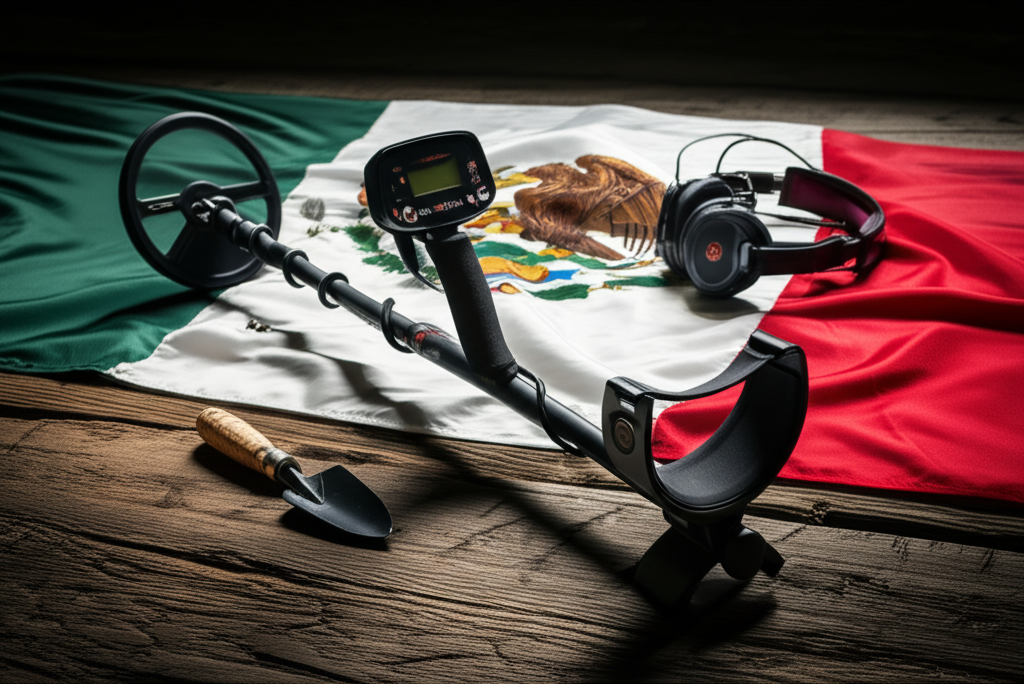
Yes, you can take a metal detector to Mexico, but you must follow specific rules to avoid confiscation or fines. Understanding the regulations regarding permits, declared items, and what you can legally keep is crucial for a smooth trip.
Metal detecting in Mexico is a dream for many treasure hunters, but the question of whether you can bring your trusty detector south of the border often causes confusion. I’ve heard this question countless times, and the good news is, it’s generally a yes, but with important caveats. Navigating international regulations for hobbies can be tricky, and you don’t want your adventure to be cut short by a misunderstanding. This guide will break down exactly what you need to know to pack your metal detector for Mexico and enjoy your detecting adventures legally and without hassle. We’ll cover everything from official declarations to local customs.
Bringing Your Metal Detector to Mexico: The Official Stance
The core question, “Can I take a metal detector to Mexico?”, is answered affirmatively, provided you approach it with the right preparation. Mexican customs and authorities generally permit the importation of personal effects, and a metal detector falls under this category. However, it’s not as simple as just packing it in your suitcase. Being proactive and informed about the necessary procedures will save you a lot of potential headaches at the border.
This means understanding the specific requirements for declaring such equipment. It’s always best to err on the side of caution and ensure you have all your ducks in a row before you even leave home. This proactive approach ensures your focus remains on the thrill of the hunt, not on bureaucratic hurdles.
Declaration is Key: What to Tell Customs
When you arrive in Mexico, honesty and transparency are your best allies. You absolutely must declare your metal detector to Mexican customs officials. This isn’t optional; it’s a critical step to avoid issues.
By declaring your equipment, you are showing respect for their laws and preventing any suspicion that you might be bringing in items for illicit purposes. This simple act can smooth your entry significantly.
Permits and Permissions: The Archaeological Caveat
This is where things get particularly sensitive, and it’s a crucial part of the “Can I take a metal detector to Mexico?” equation. Mexico has strict laws protecting its rich archaeological heritage. Using a metal detector on or near archaeological sites without explicit government permission is strictly prohibited and carries severe penalties.
These laws are in place to safeguard invaluable historical artifacts and sites from looting and damage. It’s vital to understand that this prohibition applies even if you are simply detecting on public land that might be considered an archaeological zone. Ignorance is not a valid defense here.
What Constitutes an Archaeological Site?
Understanding what constitutes an archaeological site is paramount. This can include not only well-known ruins but also areas that might have historical significance, even if they aren’t officially designated. If you’re unsure about a location, it’s best to assume it could be sensitive.
Many areas in Mexico, especially those with a long history of human habitation, can contain undiscovered artifacts. Responsible detectorists respect these areas and avoid them unless they have obtained the necessary permits, which are rarely granted to hobbyists.
Personal Use vs. Commercial Activity
When declaring your metal detector, it’s important to frame its use as personal and recreational. Mexican authorities are particularly wary of equipment that could be used for commercial exploitation, especially concerning historical artifacts.
Clearly stating that your intention is for hobbyist treasure hunting, coin shooting, or relic hunting on non-archaeological private property (with permission) is the correct approach. This distinction is vital for a smooth declaration process.
What You CAN and CANNOT Detect
Generally, you can use your metal detector on private property where you have explicit permission from the owner. Beaches, with some local exceptions and common sense rules, are also often permissible areas for hobbyists.
However, detecting on federal lands, ejido lands (communal land), or any site that could be considered historically or archaeologically sensitive is a strict no-go without proper authorization. This includes many popular tourist areas that might have hidden historical relevance.
Seizure and Penalties: What Happens if You Break the Rules
The consequences of ignoring the rules about metal detecting in Mexico can be severe. Your metal detector can be confiscated, and you could face substantial fines. In more serious cases, especially involving archaeological artifacts, legal charges can be filed, leading to imprisonment.
These penalties are designed to deter illegal excavation and protect Mexico’s cultural heritage. It’s a serious matter, and the risks far outweigh any potential reward from unauthorized detecting.
Practical Tips for Traveling with Your Detector
To ensure a smooth journey when asking “Can I take a metal detector to Mexico?”, consider these practical tips:
Pack it Carefully: Disassemble your detector if possible. Pack it in its original carrying case or a sturdy, padded bag. This protects it during transit and makes it easier to handle.
Carry Documentation: Bring your purchase receipt or any documentation showing ownership. While not always required, it can be helpful if questions arise.
Be Honest at Customs: As mentioned, declare it clearly and state its purpose as a personal hobby item.
Research Local Laws: While federal laws are important, some states or municipalities might have their own specific ordinances. A quick online search or asking at your accommodation can provide local insights.
Respect Private Property: Always obtain written permission before detecting on private land. This avoids misunderstandings and potential legal issues with landowners.
Know What to Leave Behind: Leave any tools that could be construed as excavation equipment for archaeological purposes. Focus on standard detecting tools.
Following these steps will significantly increase your chances of a hassle-free experience.
What About Bringing Detector Finds Back Home?
This is another crucial aspect of taking a metal detector to Mexico. While you can legally detect in permitted areas, bringing artifacts back home is a separate issue governed by different laws. It is illegal to export archaeological artifacts from Mexico.
This applies to items of historical or archaeological significance, even if found on private land. Coins, jewelry, and other items found are generally considered personal property, but items with historical value belong to Mexico.
Understanding Export Laws
When you find something interesting, it’s vital to determine its nature. Modern coins and jewelry are typically fine to take home. However, anything that appears to be an ancient artifact, pre-Hispanic item, or historically significant relic should be left in Mexico.
If you are unsure, it is always best to consult with local authorities or leave the item in place. Attempting to smuggle artifacts out of the country can lead to severe legal consequences in both Mexico and your home country.
Frequently Asked Questions about Metal Detecting in Mexico
Q1: Can I use my metal detector on Mexican beaches?

A1: Generally, yes, but you should always check local regulations. Some beaches may have specific rules or restrictions, especially those near sensitive ecological or historical areas. It’s wise to ask locally or observe what other detectorists are doing.
Q2: Do I need a special permit to metal detect in Mexico?
A2: For general hobby detecting (coins, jewelry) on non-archaeological land and beaches, a specific permit is usually not required. However, any detecting on or near archaeological sites requires explicit government permits, which are extremely difficult to obtain for hobbyists.
Q3: What if my metal detector is confiscated?
A3: If your detector is confiscated, remain calm and polite. Ask for a detailed explanation and a receipt for the confiscated item. This documentation is crucial for any potential appeals or to understand the legal process moving forward.
Q4: Can I bring my pinpointer and digging tools?
A4: Standard pinpointers and small digging tools (like a hand trowel) are generally acceptable as personal gear. However, avoid bringing large or specialized excavation tools that could be misconstrued as equipment for commercial or archaeological digging.
Q5: What if I find something that looks like an artifact?
A5: If you suspect you’ve found an artifact of archaeological significance, do not remove it. Report your find to the local authorities or the nearest INAH (National Institute of Anthropology and History) office. Leaving it in place is the law.
Q6: Are there specific areas in Mexico known for good detecting finds?
A6: Coastal areas and older towns can be promising for modern coins and jewelry. However, due to strict regulations, focusing on areas with clear permission, like private vacation rentals or beaches, is the safest and most legal approach.
Final Verdict on Taking Your Metal Detector to Mexico
So, to answer the primary question, “Can I take a metal detector to Mexico?”, the definitive answer is a resounding yes, with proper preparation and respect for the law. Your metal detector is a personal item that can be brought into the country, but you must declare it upon arrival. The most critical aspect is understanding and strictly adhering to Mexico’s robust laws protecting its archaeological heritage.
Avoid all archaeological sites and federal lands unless you possess rare, official permits. Focus your detecting efforts on private property with explicit permission or on beaches where it’s generally tolerated. By being informed, transparent with customs, and respectful of local regulations, you can ensure your metal detecting adventure in Mexico is both successful and legally sound. Happy hunting!
