


Published on: September 27, 2025 | Updated on: September 27, 2025
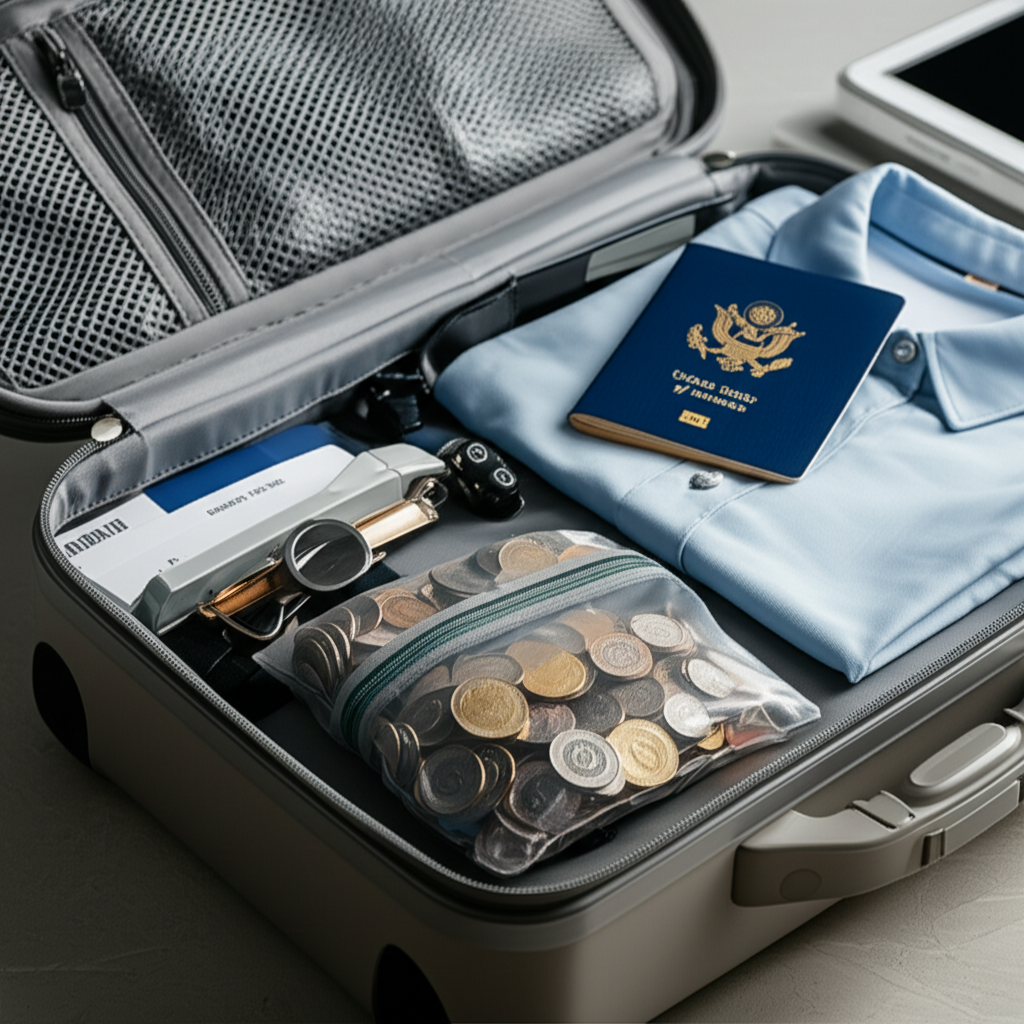
Yes, you can carry coins on a plane, but there are important rules and tips to follow for both checked and carry-on luggage. Understanding these guidelines ensures a smooth travel experience without any unexpected issues with your valuable finds.
Planning a trip after a successful metal detecting outing? You’ve probably unearthed some fascinating coins, maybe even some rare ones, and the thought of getting them home safely might be on your mind. It’s a common question among detectorists and travelers alike: can you carry coins on a plane? The short answer is yes, but like many things in our hobby, there are details to consider. I’ve traveled extensively with my detecting gear and finds, and I’ve learned a few things along the way that can save you a headache. This guide will walk you through exactly what you need to know to pack your coins, whether they’re pocket change or historical treasures, for your next flight.
Can You Carry Coins On A Plane: The Official Stance
Yes, you can carry coins on a plane. Airlines and security agencies generally permit coins in both carry-on and checked baggage. They are not considered prohibited items. However, the quantity and value of the coins can sometimes trigger additional scrutiny, especially if they appear to be of significant historical or monetary worth.
Carry-On vs. Checked Baggage: Where to Pack Your Coins

When deciding where to pack your coins, consider their value and your peace of mind. For everyday pocket change or small collections, either option is usually fine. However, for rare or valuable coins, keeping them with you in your carry-on luggage is strongly recommended to prevent loss or damage.
Carry-On Luggage: The Safest Bet for Valuables
Keeping your most prized coin finds in your carry-on bag offers the best protection against theft or mishandling. You have direct control over your bag at all times, from check-in to boarding and throughout the flight. This is especially crucial if you’ve found a particularly rare or valuable coin that you don’t want to risk losing.
Checked Baggage: For Bulk or Less Valuable Coins
If you have a large quantity of common coins or pocket change that isn’t of significant collector value, checked baggage can be an option. However, be aware that checked luggage is handled by many people and can be subjected to rougher treatment. It’s generally not the preferred method for valuable finds.
Understanding Airport Security and Coins
Airport security aims to ensure passenger safety and prevent prohibited items from boarding. While coins themselves aren’t a security risk, large quantities or unusual presentations might warrant a closer look. It’s always best to be prepared and understand their perspective.
TSA Guidelines and Coin Policies
The Transportation Security Administration (TSA) does not have specific restrictions on carrying coins. They are considered personal belongings. However, if your coins are part of a larger collection or appear to be valuable artifacts, security personnel may ask questions to ensure they are not items of cultural heritage or protected artifacts being illegally exported.
What About Metal Detectors at Security?
The metal detectors used at airport security are designed to detect weapons and other dangerous metallic objects. Your coins, whether in your pockets or a bag, will likely trigger the detector. This is normal, and you’ll usually be asked to remove them and place them in a separate bin for screening.
Packing Your Coins for Safe Travel
Proper packing is key to ensuring your coins arrive at your destination in the same condition they left. This is particularly important for older, fragile, or valuable coins you might have unearthed.
Protecting Individual Coins
For valuable or older coins, individual protection is essential. Use coin flips, capsules, or sleeves made of inert materials to prevent scratching and damage. Avoid direct contact with plasticizers that can harm the coin’s surface over time.
Organizing Your Coin Collection
If you’re traveling with a collection, organize it logically. Coin albums, trays, or padded cases can keep coins secure and prevent them from shifting during transit. This makes it easier to present them to security if needed and keeps your finds neat.
Special Considerations for Valuable or Rare Coins
When your finds include coins of significant historical or monetary value, you need to take extra precautions. These aren’t just pocket change; they are potential artifacts.
Documentation and Provenance
If you have documentation for your valuable coins (e.g., purchase receipts, appraisals, historical notes), keep it with you. This can help prove ownership and legitimacy if questions arise. This is especially important for coins that might be considered national treasures or historical artifacts.
Valuable Coins and Potential Legalities
In some countries, there are strict regulations about exporting historical artifacts, which can include very old or rare coins. It’s your responsibility to be aware of and comply with the laws of both the country you are departing from and the country you are arriving in. Researching this beforehand is crucial. For instance, the U.S. Department of State’s cultural heritage programs offer insights into international agreements.
Packing Coins in Checked Luggage: Tips and Warnings
While not ideal for valuable items, you might choose to pack less significant coins in checked luggage. If you do, follow these guidelines to minimize risks.
Secure Packaging is Key
Ensure coins are well-protected within their packaging. Use cushioning materials like bubble wrap or foam to prevent them from moving around and damaging each other or the luggage. A sturdy, padded case is your best bet.
Avoid Obvious Labeling
Don’t label your luggage in a way that screams “valuable coins inside.” This can attract unwanted attention. Keep your packing discreet and professional.
Can You Carry Coin Rolls On A Plane?
Yes, you can generally carry coin rolls on a plane. They are treated like any other form of currency or personal item. However, if the rolls contain an unusually large amount of money or appear to be something other than standard currency, they might be subject to inspection.
Loose Change vs. Rolled Coins
Whether coins are loose or rolled doesn’t typically change the TSA’s policy on carrying them. The primary concern is always safety and the nature of the items. Rolled coins are often easier to manage and present to security if asked.
What About Foreign Currency Coins?
Traveling internationally? You can certainly bring foreign currency coins with you. They are considered personal effects. Just like domestic coins, they will pass through airport security scanners without issue.
Exchanging Foreign Coins
If you have foreign coins from a previous trip, you can bring them on your next flight. You might be able to exchange them at the airport upon arrival or departure, or keep them for a future visit. They are not restricted items.
Tips for Detectorists Traveling with Finds
As a detectorist, you often travel with more than just pocket change. Your finds can range from old coins to historical relics. Here are some field-tested tips for smooth travel.
Travel with Your Metal Detector
Most airlines allow metal detectors, but they often need to be disassembled and packed in a specific way. Check your airline’s policy on sporting equipment and oversized items. Many detectorists opt for specialized detector bags or cases.
Carry Pinpointers and Digging Tools Separately
Small pinpointers are usually fine in carry-on or checked luggage. However, digging tools, especially larger ones, may be subject to restrictions as they can be perceived as weapons. It’s often best to check these in your checked baggage and ensure they comply with airline regulations. I always pack my favorite digging trowel in my checked bag to avoid any issues at security.
When traveling internationally, customs declarations are important. Be honest about any valuable or historical items you are carrying, including significant coin finds.
Declare Valuable Items
If you are carrying coins that are antique, rare, or have significant collector value, it may be wise to declare them. This avoids any potential misunderstandings or accusations of smuggling. Ignorance of the law is not a defense.
Cultural Heritage Laws
Different countries have different laws regarding the export of cultural artifacts. Very old coins can sometimes fall under these laws. Understanding and respecting these regulations is crucial to avoid legal trouble. Consulting the embassy of the destination country can provide clarity on specific rules.
FAQ: Your Coin Travel Questions Answered
Can I bring a bag full of coins on a plane?
Yes, you can bring a bag full of coins. They are not restricted items. However, an extremely large quantity might attract attention, and it’s wise to keep them in your carry-on if they are valuable.
Will my coins set off the metal detector at the airport?
Yes, your coins will likely set off the metal detector. This is normal. You’ll be asked to remove them and place them in a tray for further screening.
Can I carry old coins found with a metal detector on a plane?
Generally, yes. However, if the coins are very old, rare, or considered historical artifacts, be aware of potential export restrictions in the country of origin. It’s best to research this beforehand.
Is it safe to put valuable coins in checked luggage?
It is not recommended. For valuable coins, always opt for carry-on luggage where you can keep them under your direct supervision to prevent loss or damage.
What if I have a large collection of coins?
For a large collection, consider using a secure, padded case and keeping it in your carry-on if possible. If the collection is extremely large or valuable, you might want to look into specialized shipping services instead of carrying it on a plane.
Can I bring coin collecting supplies like albums on a plane?
Yes, coin collecting supplies like albums, trays, and protective sleeves are allowed on planes as they are considered personal items.
Conclusion: Travel with Confidence
So, to wrap things up, the answer to “Can you carry coins on a plane?” is a resounding yes. Whether it’s the loose change in your pocket, rolls of modern currency, or even fascinating historical coins you’ve unearthed with your metal detector, you can bring them aboard. The key lies in understanding the nuances: keep valuable or rare finds in your carry-on, pack them securely, and be mindful of international regulations regarding historical artifacts. By following these proven tips, you can ensure your coins, and your peace of mind, travel safely with you to your destination. Happy detecting, and happy travels!
