


Published on: September 28, 2025 | Updated on: September 28, 2025
Yes, you can metal detect in National Forests, but with specific rules and regulations you must follow to avoid legal issues and protect historical sites. Understanding these guidelines is crucial for a rewarding and responsible detecting experience.
Planning your next metal detecting adventure often leads to questions about where you can legally swing your coil. National Forests, with their vast landscapes and rich histories, seem like prime territory for uncovering lost treasures. However, navigating the rules can be confusing, leaving many detectorists unsure if their passion is permitted. This guide will cut through the red tape and show you exactly how to metal detect in National Forests responsibly, maximizing your chances of finding those essential hidden finds.
Can You Metal Detect In National Forests? The Official Stance
The question “can you metal detect in national forest” is a common one, and the answer is generally yes, but with important caveats. The U.S. Forest Service (USFS) permits recreational metal detecting on most National Forest lands. This means you can explore many of these beautiful public spaces with your detector. However, this permission is not unconditional and comes with specific restrictions designed to protect archaeological and historical resources.
These rules are in place to preserve the integrity of sites that may hold significant historical or cultural value. Ignoring them can lead to penalties and damage to these irreplaceable resources. We’ll delve into the specifics of what you need to know to stay compliant and have a successful outing.
Understanding the Legal Framework for Metal Detecting in National Forests

The primary piece of legislation governing activities on federal lands, including metal detecting, is the Archaeological Resources Protection Act (ARAPA) of 1979. ARAPA makes it illegal to excavate, remove, damage, or collect any archaeological resources from federal lands without a permit. This is the cornerstone of why restrictions exist.
For recreational detectorists, this means you cannot target or disturb known archaeological sites. Your detecting activities must be for personal enjoyment, not for commercial gain or the removal of significant historical artifacts. Always err on the side of caution when in doubt about the nature of an object you find.
Key Regulations and Restrictions to Be Aware Of
While recreational metal detecting is generally allowed, several key regulations apply. You cannot dig or disturb the ground in areas that are designated as archaeological sites, historic sites, or any location known to contain cultural artifacts. This often includes areas around old homesteads, historical structures, or known Native American sites.
Furthermore, you are typically prohibited from removing any artifacts of historical or archaeological significance. If you unearth something that appears to be old or historically important, the best practice is to leave it in place and report it to the Forest Service. Your goal is to enjoy the hobby, not to become an unintentional artifact looter.
Distinguishing Between Recreational and Commercial Detecting
The USFS strictly differentiates between recreational and commercial metal detecting. Recreational detecting is for hobbyists who are looking for fun, exercise, and perhaps a few old coins or modern dropped jewelry. Commercial detecting, on the other hand, involves searching for valuable items with the intent to sell them or profit from the finds.
If your activity is deemed commercial, you will require special permits and face much stricter regulations, which are typically not available for hobbyists. Stick to the recreational aspect, and you’ll find that most National Forests welcome your presence.
Where Can You Legally Metal Detect in National Forests?
The good news is that vast areas of National Forests are open for recreational metal detecting. This includes many general forest areas, picnic sites, old campsites (provided they are not archaeologically sensitive), and areas where people have historically gathered or recreated.
Think of places where people might have lost everyday items over time – old trails, beaches along forest rivers, or areas where logging camps or temporary settlements once existed. These are often good places to start your search for everyday finds like coins and jewelry.
Identifying Potentially Productive Areas
To find productive areas, research the history of the specific National Forest you plan to visit. Look for information on old settlements, logging camps, mining areas, and historical roads or trails. Old maps can be incredibly helpful in pinpointing locations where people might have lived, worked, or traveled.
Local historical societies or Forest Service ranger stations can be excellent resources for this information. They may have maps or records indicating historical activity in certain areas. Always ensure that any area you consider is not a protected historical or archaeological site.
Understanding “Disturbed” vs. “Undisturbed” Ground
A key concept in metal detecting regulations is the difference between disturbed and undisturbed ground. Undisturbed ground is land that has not been significantly altered by human activity and may contain valuable historical or archaeological resources. Metal detecting and digging in undisturbed ground is generally prohibited without a permit.
Disturbed ground, on the other hand, is land that has already been altered, such as areas around modern campgrounds, picnic areas, or old, non-archaeological homestead sites where the ground has been dug or built upon previously. These areas are often more permissible for recreational detecting because the risk of damaging significant historical resources is lower.
Areas to Absolutely Avoid
There are specific types of locations within National Forests that are strictly off-limits for metal detecting. These include any designated archaeological sites, historical monuments, battlefields, cemeteries, and areas within a certain distance of known historical structures or ruins. You must also avoid any areas that are clearly marked as protected or restricted.
If you are unsure about an area, it is always best to consult with a local Forest Service ranger. They can provide definitive guidance on where detecting is permitted and where it is not. Respecting these boundaries is paramount to responsible detecting.
Essential Gear for National Forest Detecting
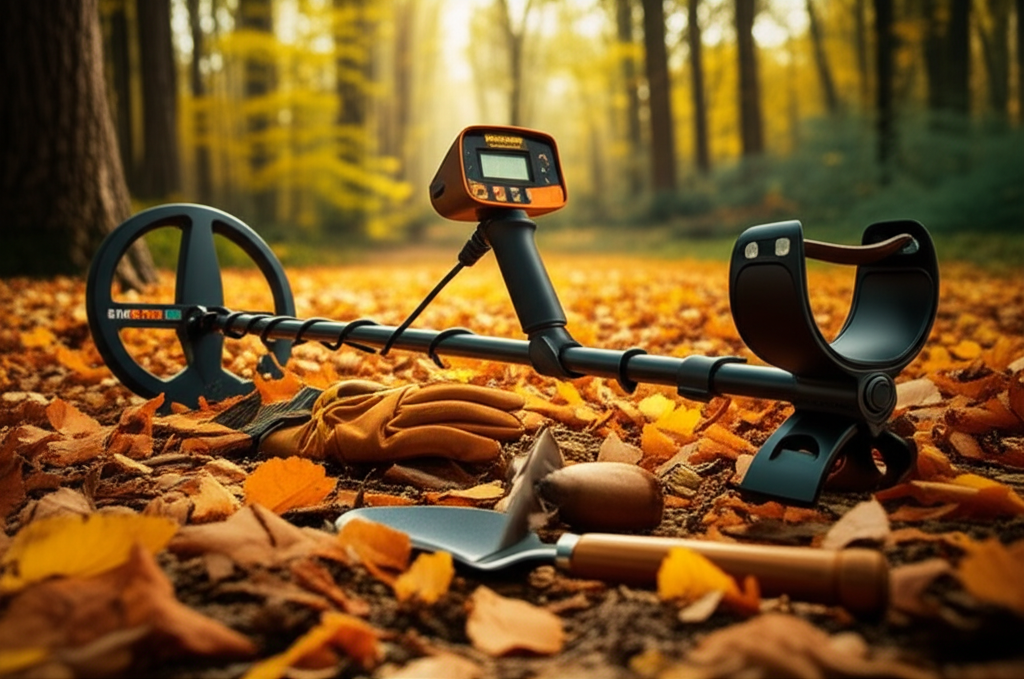
Once you’ve confirmed that you can detect in a particular National Forest area, having the right gear is crucial for success and efficiency. Your metal detector is the main tool, but several accessories can significantly enhance your experience and your finds.
From reliable detectors to digging tools and recovery aids, equipping yourself properly will make your outings more enjoyable and productive. Here’s a breakdown of the essential equipment.
Choosing the Right Metal Detector
For general-purpose detecting in varied terrain common in National Forests, a versatile all-around metal detector is ideal. Look for models with good depth capabilities, discrimination features to filter out trash, and the ability to handle mineralized ground, which can be common in natural environments.
Many reputable brands offer excellent detectors suitable for forest environments. Consider detectors from Minelab, Garrett, Nokta Makro, and Fisher. Features like waterproof coils are a huge plus for detecting near streams or after rain.
Must-Have Accessories: Coils, Pinpointers, and Digging Tools
Coils: While your detector comes with a standard coil, consider purchasing an additional coil for specific situations. A smaller coil can be great for navigating dense underbrush and pinpointing targets in trashy areas, while a larger coil can offer better depth and ground coverage in open spaces.
Pinpointers: A pinpointer is an indispensable tool for locating targets once you’ve dug a plug. It’s a small, handheld device that gives a much more precise indication of where the target is within the dug soil or plug, saving you time and effort.
Digging Tools: You’ll need robust digging tools. A sturdy digging trowel or shovel designed for metal detecting is essential for cleanly excavating targets. Look for ones with serrated edges for cutting through roots and soil.
Recovery Aids and Other Useful Items
When you’re out in the woods, think about recovery aids. A digging pouch or backpack is necessary to carry your tools, finds, and any trash you collect. A small brush can be useful for cleaning off dirt from finds in the field.
Don’t forget essentials like water, snacks, a first-aid kit, insect repellent, and sun protection. Comfortable, durable footwear and clothing are also vital for exploring forest terrain.
Techniques for Successful Detecting in National Forests
National Forests present unique challenges and opportunities for metal detectorists. The terrain can be uneven, the ground mineralization might be high, and the targets could be older and deeper than in a park.
Employing the right techniques will help you overcome these challenges and maximize your chances of uncovering those hidden gems. Patience and a methodical approach are key.
Systematic Search Patterns
When detecting in an open area, use a systematic search pattern like a grid or a spiral. This ensures you cover the ground thoroughly without missing sections. Overlap your sweeps slightly to avoid leaving gaps between your coil passes.
In denser areas, you might need to adapt your pattern. Following old trails or the edges of clearings can be very effective. Always swing your coil low and parallel to the ground for the best signal detection.
Handling Mineralized Ground
Many natural environments, including National Forests, can have high ground mineralization, which can cause false signals or mask targets. Most modern detectors have ground balancing features to help counteract this. Learn how to properly ground balance your detector for the specific area you are in.
Some detectors have multiple modes or frequencies that can perform better in mineralized soil. Experiment with your settings to find what works best. Sometimes, a different coil can also help mitigate mineralization issues.
Interpreting Signals and Pinpointing Targets
Learning to interpret the signals your detector gives is a skill that develops with practice. Different targets produce different tones and numbers on the display. Pay attention to the consistency of a signal – a solid, repeatable signal is usually a good indicator of a target.
Once you have a good signal, use your pinpointer to quickly and accurately locate the target within the dug soil or plug. This saves time and reduces the amount of digging required, which is especially important in forests where you want to minimize your impact.
What Can You Find in National Forests? Essential Hidden Finds
The allure of detecting in National Forests lies in the potential for uncovering a wide array of historical and personal items that have been lost or discarded over time. These finds can range from everyday objects to historically significant artifacts.
While you won’t be digging up pirate chests every outing, the satisfaction of finding something unique and historical is immense. Here are some examples of essential hidden finds you might encounter.
Historical Artifacts and Relics
Old coins are a classic find, and National Forests can yield them from various eras, depending on the history of the area. You might find old currency, tokens, or even early coinage. Look out for areas around old homesteads, former settlements, or popular gathering spots.
Relics from past inhabitants are also common. This could include buttons, buckles, tools, utensils, ammunition casings, or fragments of pottery. These items offer a tangible connection to the people who once lived or traveled through these lands.
Lost Jewelry and Personal Items
People lose jewelry and personal items everywhere, and National Forests are no exception. You might find lost rings, earrings, pendants, or bracelets, especially in areas where people hike, picnic, or camp.
These modern finds can be exciting and sometimes quite valuable. Always remember to check local regulations regarding the ownership of found items, especially if they appear valuable.
Evidence of Past Human Activity
Beyond specific artifacts, your detector can reveal evidence of past human activity. This might include old nails or hardware from demolished structures, remnants of old tools, or even fragments of glass bottles. These items, while not always valuable, paint a picture of past life.
Sometimes, you can find evidence of old trails or pathways through faint signals that indicate buried debris or scattered metal objects. These can be fascinating discoveries in themselves, offering clues about historical land use.
The Importance of Leave No Trace Principles
When metal detecting in National Forests, adhering to Leave No Trace principles is not just good practice; it’s essential for ensuring continued access and preserving the natural environment. These principles guide responsible outdoor recreation.
By following these guidelines, you help maintain the beauty and integrity of the forests for future generations and for other recreational users.
Proper Digging and Target Recovery Techniques
The most critical aspect of Leave No Trace for detectorists is proper digging. Always dig neat, clean plugs. Cut a three-sided plug, lift it carefully, and place it aside. Recover your target, then replace the plug precisely, tamping it down to blend in.
Never leave dug holes unattended or unfilled. The goal is to leave the area looking as if you were never there. This minimizes visual impact and prevents tripping hazards.
Dealing with Trash and Fill
You will undoubtedly dig up modern trash – pull tabs, bottle caps, foil, and rusty nails. It is your responsibility as a detectorist to pack out all trash you dig, and ideally, any trash you find on the surface. Do not re-bury trash.
Carrying a trash bag or pouch is a must. By cleaning up the forest, you not only help the environment but also improve the experience for everyone and potentially uncover more targets in cleaner soil.
Respecting the Environment and Wildlife
Be mindful of the natural environment around you. Avoid disturbing vegetation unnecessarily, and be aware of wildlife. Stay on established trails where possible, and do not trespass on private property or restricted areas.
Your presence in the forest should have minimal impact. This respect for nature is fundamental to being a responsible detectorist.
Frequently Asked Questions (FAQ) about Metal Detecting in National Forests
Can I keep what I find in a National Forest?
Generally, you can keep modern coins, jewelry, and other personal items you find, provided they are not of significant historical or archaeological value. However, if you find something that looks like a historical artifact, it’s best to leave it and report it to the Forest Service. Rules can vary by forest, so it’s wise to check specific local regulations.
Do I need a permit to metal detect in a National Forest?
For recreational metal detecting, a permit is typically not required on most National Forest lands, as long as you are not targeting or disturbing archaeological sites. However, if you plan to detect in areas with known historical significance or conduct extensive searches, it’s always best to contact the local Forest Service office to confirm requirements.
What is considered an “archaeological resource” that I cannot collect?
Archaeological resources are generally defined as any material remains of past human life or activity that are of archaeological interest. This includes artifacts, structures, and features that are at least 100 years old and have a bearing on understanding past human history. If you are unsure, treat it as a protected artifact.
Are there specific hours for metal detecting in National Forests?
National Forests have general rules about hours of operation and access. While metal detecting itself may not have specific time restrictions, you must adhere to the park’s overall operating hours and access rules. Some areas may have seasonal closures or restricted access times.
What if I find something valuable or historically significant?
If you find an item that appears to be of significant historical or archaeological value, the ethical and legal course of action is to leave it in situ and report it to the nearest Forest Service ranger station or office. Do not attempt to remove it yourself. Your responsible reporting helps preserve history.
Can I metal detect on old homestead sites in National Forests?
This is a nuanced area. If the homestead site is officially designated as a historical or archaeological site, then no. If it’s an old, non-designated homestead where the ground has been disturbed by past habitation and building, it might be permissible for recreational detecting. However, always check with the local Forest Service office, as rules can be site-specific.
Conclusion: Responsible Detecting for Rewarding Finds
So, can you metal detect in National Forests? The answer is a resounding yes, but with a crucial understanding of the rules and responsibilities involved. By respecting regulations, employing proper techniques, and adhering to Leave No Trace principles, you can enjoy this rewarding hobby while helping to preserve these incredible natural and historical landscapes.
Equip yourself with the right gear, do your research on the specific forest you plan to visit, and always prioritize the protection of historical and archaeological resources. Your diligence will not only keep you out of trouble but will also enhance your detecting experience, leading to more satisfying and meaningful finds. Happy hunting!
