


Published on: September 28, 2025 | Updated on: September 28, 2025
Yes, you can metal detect on BLM land, but understanding specific regulations is crucial to avoid legal trouble. This guide breaks down the essential laws, permits, and best practices for treasure hunting on Bureau of Land Management properties.
Metal detecting on Bureau of Land Management (BLM) land is a popular pastime for many hobbyists, but it’s also a subject riddled with confusion and potential pitfalls. Many detectorists wonder, “Can you metal detect on BLM land?” without fully grasping the rules that govern these vast public spaces. Navigating these regulations can feel like searching for buried treasure itself – challenging and requiring careful research. This article will cut through the complexity, offering clear, actionable advice so you can enjoy your detecting adventures legally and responsibly. We’ll cover everything from what you can keep to where you can’t dig, ensuring your next outing is both exciting and compliant.
Understanding the Basics: Is Metal Detecting Allowed on BLM Land?
Generally, metal detecting is permitted on BLM lands for recreational purposes. However, specific restrictions apply to archaeological sites, historical areas, and certain types of finds, making a thorough understanding of the rules paramount.
The good news for enthusiasts is that the Bureau of Land Management (BLM) does allow recreational metal detecting on most of its public lands. This means those expansive desert washes, rolling hills, and remote wilderness areas managed by the BLM are often open for your detecting pursuits. It’s a fantastic opportunity to explore, connect with history, and perhaps unearth some fascinating finds. However, this permission comes with important caveats that every detectorist must know.
The Legal Framework: Key BLM Regulations for Detectorists
Federal laws and specific BLM policies dictate what you can and cannot do when metal detecting on BLM land, focusing on the preservation of historical and cultural resources.
The primary legal framework governing metal detecting on BLM land stems from federal legislation and the BLM’s own management policies. These rules are designed to protect valuable historical and archaeological sites from unauthorized disturbance and the removal of artifacts that belong to the public trust. Understanding these regulations is not just about avoiding fines; it’s about being a responsible steward of our shared historical heritage.
What You Can Legally Keep: Personal Property vs. Artifacts
Recreational detectorists can generally keep items of personal property, like modern coins and jewelry, but significant historical artifacts and Native American items must be left in place or reported.
This is a critical distinction for any detectorist. If you’re finding modern coins dropped by campers, lost jewelry, or other items considered personal property, you can typically keep them. These items don’t hold significant historical or archaeological value. The line, however, becomes very clear when you encounter items that are part of the historical record.
Metal detecting is strictly forbidden in designated archaeological sites, historic sites, Native American traditional use areas, and locations with known cultural resources to prevent damage and looting.
Just because a piece of land is managed by the BLM doesn’t mean every square inch is open for detecting. Certain areas are off-limits due to their extreme sensitivity and importance. These include known archaeological sites, places where historical events occurred, and areas considered sacred or culturally significant by Native American tribes.
Archaeological Sites: A No-Dig Zone
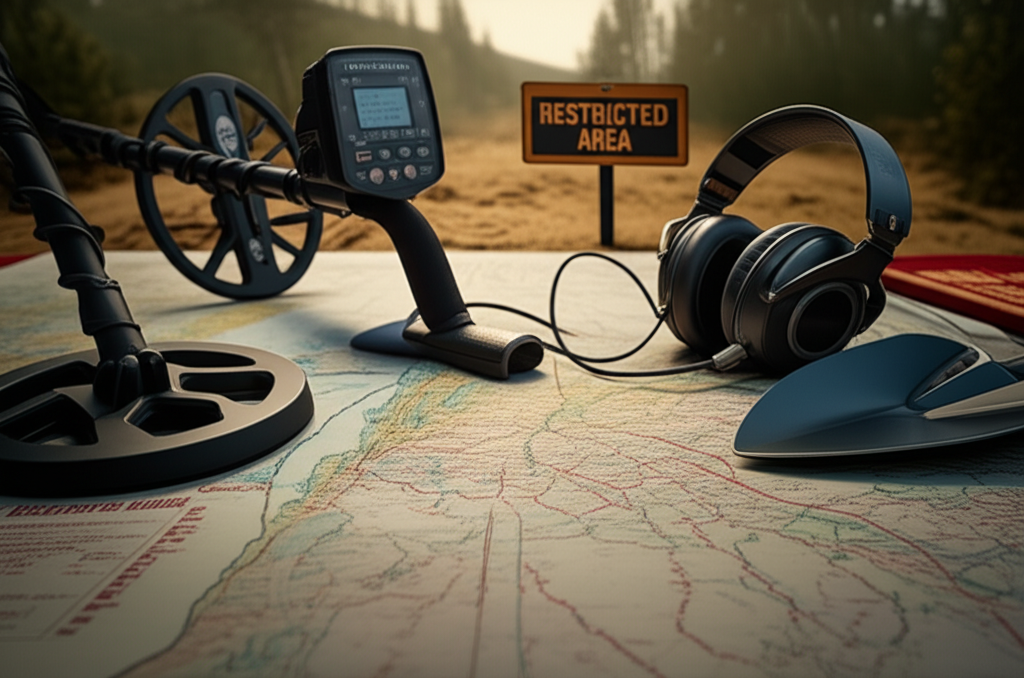
Archaeological sites are protected under laws like the Archaeological Resources Protection Act (ARPA) and are strictly off-limits for metal detecting and artifact collection.
These sites are irreplaceable windows into the past. They might contain ancient tools, pottery shards, or evidence of past human activity that archaeologists study to understand history. Disturbing these areas, even with the best intentions, can destroy valuable scientific information forever.
Historic Sites and Monuments
Areas designated as historic sites, monuments, or containing significant historical structures or features are also protected, prohibiting metal detecting to preserve their integrity.
Think of old ghost towns, former military outposts, or pioneer homesteads. These places tell stories of human endeavor and settlement. Detecting within them risks damaging fragile remnants and removing context that helps us understand their significance.
Native American Traditional Use Areas
Areas identified as traditional use sites for Native American tribes are also protected, respecting cultural heritage and preventing the disturbance of sacred or significant locations.
Many parts of the BLM landscape hold deep cultural and spiritual meaning for Native American communities. These areas might have been used for hunting, gathering, ceremonies, or as burial grounds. Respecting these designations is a matter of cultural sensitivity and legal obligation.
The “Pocket Finder” Rule and Modern Items
The BLM’s “Pocket Finder” rule generally allows for the collection of modern items (post-1897) that have minimal historical or archaeological value, but this can vary and should be confirmed.
This informal rule, often interpreted from BLM policies, suggests that items manufactured after 1897, and considered common personal property, are generally permissible to collect. This includes things like modern coins, buttons, and common jewelry. However, the key is “minimal historical or archaeological value.” If an item, even if modern, has a unique inscription or historical context, it might fall under different rules. Always err on the side of caution.
What About Gold Prospecting?
Gold prospecting using metal detectors on BLM land is generally permitted, but specific regulations regarding methods, claims, and the removal of placer gold apply.
Gold fever has driven many to explore public lands, and metal detectors are often part of the arsenal. On BLM land, you can typically use your detector to search for placer gold. However, this isn’t a free-for-all. There are rules about how you can extract gold, especially if you encounter areas with potential archaeological significance.
Understanding Mining Claims
If you’re prospecting on land with an active mining claim, you must have permission from the claim holder, as the claim grants them certain rights to the minerals on that land.
This is a crucial point for any gold prospector. If you find an area where someone has legally staked a mining claim, that land is not open for general prospecting without their consent. The claim holder has exclusive rights to the locatable minerals within their claim boundaries. Always check for claim markers and research claim status through the BLM.
Placer Mining Regulations
Placer mining, including the use of metal detectors for gold, is subject to regulations to prevent environmental damage and protect other resources.
While metal detecting for gold is often allowed, the actual extraction methods are regulated. You can’t just dig up entire creek beds or use heavy equipment indiscriminately. The BLM has guidelines to ensure that prospecting activities don’t cause undue environmental harm.
Reporting Significant Finds: Your Legal Obligation
Federal law requires reporting the discovery of significant archaeological or historical artifacts, human remains, or items of cultural patrimony to the BLM.
This is perhaps the most critical “hidden law.” If you unearth something that appears to be an artifact of historical significance, or something that looks like it could be Native American, your legal obligation is to leave it in situ and report it to the nearest BLM office. This includes items like pottery shards, arrowheads, old tools, or anything that looks like it predates modern times and has historical context.
Human Remains and Cultural Items
The discovery of human remains or items of cultural patrimony (objects with significant historical or cultural importance to Native American tribes) requires immediate reporting to the BLM and law enforcement.
Discovering human remains is a solemn and legally mandated event. You must cease all activity, secure the area if possible without disturbing anything further, and immediately contact the BLM and local law enforcement. The Native American Graves Protection and Repatriation Act (NAGPRA) provides strong protections for these discoveries.
Essential Gear and Best Practices
Equipping yourself with the right tools and adhering to best practices ensures a successful and compliant metal detecting experience on BLM land.
Beyond understanding the laws, being a responsible detectorist involves having the right gear and employing ethical practices in the field. This not only maximizes your chances of finding interesting items but also minimizes your impact on the environment and respects the land.
What to Carry in Your Detector Bag
Metal Detector: Your primary tool, chosen based on your detecting goals.
Pinpointer: Essential for accurately locating targets in your plug or soil.
Digging Tools: A sturdy trowel or shovel, often a dug-out tool for plugs.
Finds Pouch: To store your modern finds and any reported items.
Water and Snacks: Essential for long days outdoors.
First-Aid Kit: For minor injuries.
Gloves: To protect your hands.
Trash Bag: For packing out any litter you find.
Field Guide/Notes: To record locations and finds.
Ethical Detecting Habits
Fill Your Plugs: Always replace the soil and turf you dig up neatly.
Pack Out Trash: Leave the area cleaner than you found it.
Respect Private Property: Never detect on private land without explicit permission.
Avoid Sensitive Areas: Steer clear of known archaeological sites and historical features.
Research Before You Go: Understand the specific regulations for the BLM district you plan to visit.
Obtaining Permits: When Are They Necessary?
While recreational detecting often doesn’t require a permit, certain activities or the collection of specific types of items might necessitate one, especially for research or commercial purposes.
For most hobbyists simply looking for lost modern items or common historical trinkets, a permit is usually not required for recreational metal detecting on BLM land. However, the waters can get murky. If your detecting crosses into more intensive research, archaeological survey, or if you plan to collect items that might be considered significant under ARPA, a permit could be mandatory. It’s always wise to check with the local BLM office.
Research vs. Recreation
The BLM distinguishes between recreational detecting and archaeological research. Archaeological research, which often involves more systematic surveys and potential collection for study, requires specific permits issued by the BLM.
If you are conducting an organized survey, looking for specific historical periods, or intending to collect items for academic study, you are operating under a different set of rules than a casual hobbyist. These activities fall under the purview of archaeological permits, which are granted to qualified individuals and institutions.
Resources for Further Information
The Bureau of Land Management (BLM) website and local BLM offices are your best resources for the most up-to-date and specific regulations regarding metal detecting.
Navigating the rules can be complex, and regulations can sometimes vary slightly between different BLM districts or states. Therefore, the most authoritative source of information will always be the BLM itself. Don’t hesitate to reach out to the local BLM field office for clarification on specific areas or activities.
Official BLM Guidance
BLM Website: The official website (blm.gov) offers a wealth of information on land management policies, including those related to recreational activities and resource protection.
Local Field Offices: Contacting the specific BLM office responsible for the land you intend to visit is highly recommended. They can provide guidance tailored to that area.
Archaeological Resources Protection Act (ARPA): Familiarize yourself with this key federal law that protects archaeological resources on federal lands. You can find summaries and the full text of ARPA online.
Frequently Asked Questions (FAQ)
Can I metal detect on BLM land near historical buildings or ruins?
Generally, no. Areas with historical buildings, ruins, or known archaeological significance are protected and off-limits for metal detecting to prevent disturbance and loss of historical context.
What if I accidentally dig up an arrowhead? Should I keep it?
No, you should not keep it. If you find an arrowhead or any other artifact that appears to be historical or Native American, leave it in place and report the find to the nearest BLM office.
Are there specific types of metal detectors I cannot use on BLM land?
There are generally no restrictions on the type of recreational metal detector you can use. The focus is on where you detect and what* you do with your finds, not the technology itself.
Can I metal detect on BLM land that is also a designated wilderness area?
Metal detecting is typically prohibited in designated Wilderness Areas, as these are managed for primitive recreation and preservation of natural conditions. Always check specific wilderness area regulations.
What is the difference between recreational detecting and professional archaeology on BLM land?
Recreational detecting is for hobbyists looking for personal finds. Professional archaeology involves systematic surveys, excavation, and artifact recovery for scientific study, requiring specific permits.
What are the penalties for violating BLM metal detecting laws?
Violations can result in significant fines, confiscation of equipment, and even criminal charges, particularly under laws like ARPA.
Conclusion: Detecting Responsibly on Public Lands
Metal detecting on BLM land is a rewarding pursuit when conducted with knowledge and respect for the law and the historical integrity of the sites. Always prioritize responsible practices and seek clarification from the BLM to ensure your adventures are both enjoyable and legal.
So, can you metal detect on BLM land? The answer is a resounding yes, but with crucial understanding and adherence to specific guidelines. By familiarizing yourself with what you can keep, where you can detect, and your obligation to report significant finds, you can engage in this exciting hobby with confidence. Remember, responsible detecting means being a good steward of our public lands and their rich historical tapestry. Happy hunting, and always detect with respect!
