


Published on: October 7, 2025 | Updated on: October 7, 2025
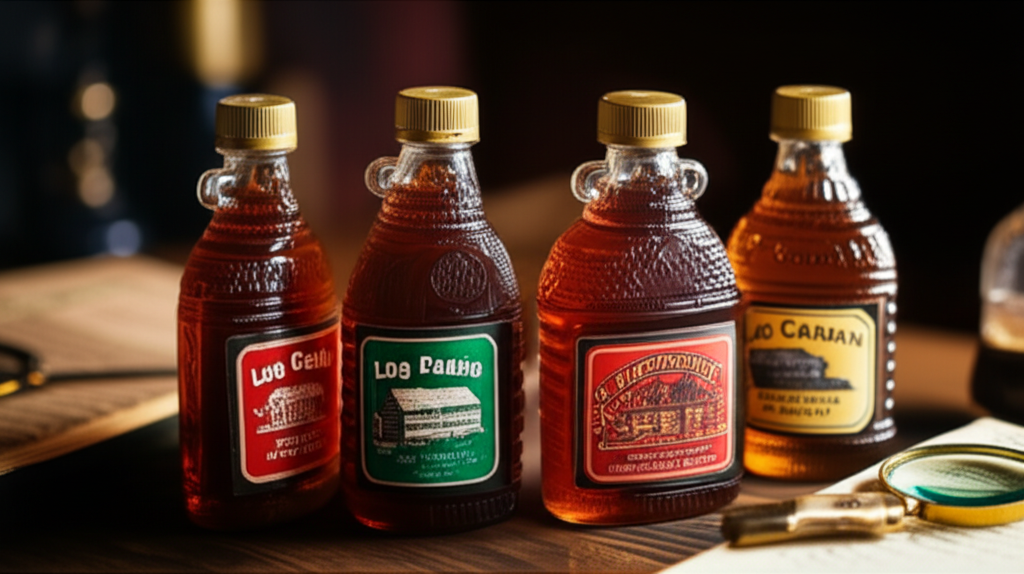
Dating log cabin syrup bottles is a fascinating aspect of collecting, allowing you to pinpoint their age and origin. This guide provides essential techniques for identifying these irresistible finds, turning historical guesswork into informed appraisal.
Finding old bottles while metal detecting or even just digging in the backyard is a thrill. Among the most sought-after are those charming log cabin syrup bottles, each holding a piece of history. But how do you know just how old that little cabin is? It can be frustrating to have a great find and no idea of its story. Don’t worry, this guide will walk you through the process, turning those antique bottles into clearly dated treasures. We’ll explore the subtle clues that reveal their age and value.
Why Dating Log Cabin Syrup Bottles Matters to Collectors
Dating log cabin syrup bottles unlocks their historical context and potential value. Understanding their age helps collectors appreciate their journey and distinguish rare finds from common ones.
Knowing the age of your log cabin syrup bottle is more than just a fun fact; it’s key to understanding its significance. It tells you which era it came from, what manufacturing techniques were common then, and where it might have been used. This information directly impacts its collectibility and, often, its market value. Without a clear date, a bottle remains a pretty object; with one, it becomes a historical artifact.
The Allure of the Log Cabin Form

The distinctive log cabin shape isn’t just for looks; it has a rich history tied to American nostalgia and branding. These bottles were designed to evoke a sense of rustic Americana, often associated with wholesome products and simpler times. This visual appeal makes them instantly recognizable and highly desirable for collectors. Their unique form sets them apart from standard bottle shapes, adding to their charm.
Identifying Key Features for Dating
Examining specific bottle characteristics like glass color, mold seams, and markings provides crucial clues for dating log cabin syrup bottles accurately.
When you hold a log cabin syrup bottle, several features can act as time capsules. The very way it was made, the materials used, and any inscriptions are like fingerprints left by its creators. By carefully observing these details, you can start to piece together its manufacturing timeline. These are the fundamental elements that seasoned collectors scrutinize.
Glass Color and Variations
The color of the glass can be a significant indicator of age. Early bottles were often made with less refined ingredients, leading to variations in color like aqua, amber, or even a greenish hue due to impurities. Clearer, more uniform glass generally points to later production methods. Changes in glass manufacturing processes over time directly influenced the color and clarity we see today.
Mold Seams: A Window into Manufacturing
The presence and location of mold seams tell a story about the bottle’s creation. Bottles made using older “Blown-in-Mold” (BIM) techniques will have distinct seams, often running up the sides and around the lip. “Paste Mold” bottles might have more irregular seams. Later, “Machine-Made” bottles, like those from the Owens Automatic Bottle Machine, often have very fine or almost invisible seams, especially on the base.
Lip and Closure Types
The type of lip and how the bottle was originally sealed are also strong dating indicators. Early bottles might have applied lips or simple cork finishes. Screw tops became common later, and then specialized closures like metal caps or wire bail seals emerged. Each closure type was prevalent during specific periods, offering a reliable dating reference.
Decoding Embossed Markings and Logos
Embossed markings on log cabin syrup bottles, including manufacturer names, patent dates, and logos, are vital for pinpointing their production era and origin.
Look closely at the glass itself; you’ll often find raised lettering or symbols. These aren’t just decorative; they are direct messages from the past. Manufacturers often included their name, location, or even patent information. These markings are some of the most definitive clues you can find for dating your bottle.
Manufacturer’s Marks and Locations
Many syrup bottle manufacturers, including those producing log cabin shapes, embossed their company name and sometimes their city or state on the bottle. Researching these names can often lead you to specific factories and their operational dates. Companies sometimes moved or changed names, providing a timeline for when a particular bottle was produced.
Patent Dates and Numbers
A patent date embossed on a bottle is a fantastic clue, but it needs careful interpretation. A patent date indicates when a design or manufacturing process was patented, not necessarily when the bottle was made. However, bottles were typically produced for a period after the patent was granted. Looking for a range of dates or specific patent numbers can narrow down the production window considerably.
Trade Names and Logos
Specific trade names or logos associated with the syrup brand can also be helpful. If the log cabin bottle contained a well-known syrup brand, researching that brand’s history and its packaging changes over time can provide a dating framework. Brands often updated their logos or bottle designs to reflect changing trends or advertising campaigns.
Examining the Base of the Bottle
The bottle’s base often holds subtle yet critical dating information, including pontil marks, mold numbers, and maker’s marks.
The bottom of the bottle is frequently overlooked but is a treasure trove of information. It’s where the bottle sat during its creation and often bears the most direct manufacturing marks. These marks are essential for distinguishing between hand-blown and machine-made bottles. Pay close attention to the base when you’re trying to date your find.
Pontil Marks: The Sign of Hand-Blown Glass
A pontil mark, also known as a scar, is a rough or circular mark on the base of a bottle where it was broken off from the pontil rod used by glassblowers. These marks are almost exclusively found on hand-blown bottles, which were common before the advent of automated bottle-making machinery. The presence of a pontil mark strongly suggests an older bottle, typically pre-1910s.
Base Markings and Numbers
Many bottles have embossed numbers or symbols on their base. These can include mold numbers, which identify the specific mold used, and sometimes maker’s marks. Glass manufacturers often used unique marks to identify their work. Researching these base marks can sometimes lead directly to the glass company and the period they were in operation.
The “Push-Up” or “Indented Base”
Some machine-made bottles, particularly from the early 20th century, have an indented base, sometimes called a “push-up.” This was a characteristic of certain early automated bottle-making processes. The shape and depth of this indentation can sometimes help differentiate between various early machine-made bottle types.
Color Variations and Their Significance
Understanding the specific color nuances of log cabin syrup bottles, from pale aqua to deep amber, helps in dating them by correlating colors with historical glassmaking practices.
The subtle shades of color in old glass are not accidental; they are direct results of the materials and processes used during production. Different impurities in the sand or batch mixture, as well as firing conditions, would create distinct colors. These color variations are valuable clues for experienced collectors.
Aqua and Pale Green Glass
Aqua or pale green glass was very common in early American bottles. This color often resulted from iron impurities in the sand used for the glass mixture. Bottles exhibiting a strong aqua hue are frequently from the late 19th and early 20th centuries. The intensity of the aqua can sometimes even point to specific regions or factories.
Amber and Brown Tones
Amber and brown colors typically indicate the presence of sulfur in the glass mixture or prolonged exposure to sunlight, which can cause some glass to develop a brownish patina over time. Amber glass was often used for products that needed protection from light, although it was also a common color for many types of bottles. Bottles with a natural amber color are usually older than those with a darker, more uniform brown.
Cobalt Blue and Other Rare Colors
While less common for syrup bottles, finding a log cabin bottle in cobalt blue or other vibrant colors is a significant find. These colors often required more expensive or specific colorants and might indicate a special run, a novelty item, or a bottle from a different region or era where those colors were more popular. Their rarity often increases their value.
Researching Historical Syrup Brands and Companies
Investigating the history of syrup brands and the companies that produced log cabin syrup bottles provides a direct pathway to dating your finds through historical records and advertising.
The syrup that once filled your log cabin bottle has its own history. If you can identify the brand, you can delve into its past. Many brands have long histories, and their packaging and bottle designs evolved over time. This brand history is a powerful tool for dating.
Old Catalogs and Advertisements
Searching through old mail-order catalogs, newspapers, and magazines can reveal advertisements for the syrup. These ads often show the bottles as they were marketed, sometimes with dates or seasonal promotions. This can give you a precise window into when that particular bottle design was in use. You can often find digitized versions of these historical documents online.
Historical Company Records and Directories
For more in-depth research, historical company records, business directories, and trade publications can be invaluable. These resources might list the founding dates of companies, their manufacturing locations, and any changes in their product lines or bottle designs. Local historical societies or specialized library collections can be excellent resources for this type of information.
Online Bottle Collecting Forums and Databases
The online bottle collecting community is vast and incredibly knowledgeable. Websites dedicated to bottle collecting often have forums where you can post pictures of your log cabin syrup bottle and ask for help with identification and dating. There are also extensive databases of bottle marks and manufacturer information that can be searched.
Factors Affecting Value: Rarity, Condition, and Provenance
The value of a dated log cabin syrup bottle is determined by its rarity, pristine condition, and any known history or provenance it possesses.
Once you’ve dated your log cabin syrup bottle, you’ll likely wonder about its worth. Several factors come into play, moving beyond just its age. Rarity, how well it has survived the years, and any stories attached to it all contribute to its desirability and price.
Rarity of the Mold or Brand
Some log cabin syrup bottle molds were produced in much larger quantities than others, or for shorter periods. Certain syrup brands may have been regional or short-lived. Bottles from rare molds or associated with scarce brands will naturally command higher prices. The sheer number of examples found can indicate rarity.
Condition of the Bottle
The condition of the bottle is paramount. Chips, cracks, significant scratches, or cloudiness can drastically reduce its value. Bottles that are intact, with clear glass and minimal imperfections, are always more desirable. Look for bottles that have been well-preserved, perhaps from a careful digging or storage.
Provenance and Historical Significance
If your bottle has a known history—perhaps it belonged to a specific historical figure, was found in a significant archaeological context, or is exceptionally well-documented—this provenance can significantly increase its value. A compelling story attached to a bottle makes it more than just an antique; it becomes a piece of tangible history.
Tools and Techniques for the Aspiring Bottle Collector
Equipping yourself with the right tools and employing careful techniques will enhance your success in finding and dating log cabin syrup bottles.
To effectively search for and identify these historical gems, a few key tools and approaches can make a big difference. Whether you’re metal detecting or carefully excavating, having the right gear and knowledge is crucial. These are the essentials for any serious bottle hunter.
Metal Detectors and Ground Penetrating Radar (GPR)
While metal detectors are excellent for locating buried metal objects, they can also detect the iron content in some older glass or signal the presence of a buried bottle. For more advanced enthusiasts, Ground Penetrating Radar (GPR) can sometimes detect anomalies in the soil that might indicate buried artifacts like bottles, though this is a more specialized and expensive tool. For most bottle hunting, a good quality metal detector will be your primary tool.
Digging Tools and Excavation Methods
Careful excavation is critical to avoid damaging your finds. Essential tools include a sturdy trowel, a soil scoop, and a pinpointer for precise location within the dug plug. Always dig with patience, excavating around the signal rather than directly on top of it. This approach minimizes the risk of breaking a fragile bottle.
Cleaning and Preservation Techniques
Once a bottle is unearthed, proper cleaning is essential for both examination and preservation. Start with gentle methods like soaking in warm water. Avoid harsh abrasives or chemicals that can damage the glass. For stubborn residue, specialized bottle cleaning solutions are available. Proper preservation ensures your find remains in good condition for years to come.
Common Pitfalls to Avoid When Dating Bottles
Steering clear of common mistakes, such as misinterpreting patent dates or overestimating rarity, is vital for accurate dating and appraisal of log cabin syrup bottles.
Even experienced collectors can sometimes be led astray. Understanding common errors can save you time, disappointment, and potential overspending. These are the traps to watch out for when you’re on the hunt for dated syrup bottles.
Misinterpreting Patent Dates
As mentioned, patent dates are not production dates. A bottle might be patented in 1905 but not produced until 1920. Always consider the patent date as the earliest possible time the design or process existed, not the exact manufacturing year. Look for other corroborating evidence.
Overestimating Rarity Based on Finding Location
Just because you found a bottle in an old dump site doesn’t automatically make it rare. Many common bottles were discarded in such locations. Rarity is determined by the number produced and how many still exist, not solely by where it was found.
Relying Solely on Color
While color is a good indicator, it’s not definitive. Glass formulas changed, and colors could vary even within the same factory at different times. Always use color as one piece of the puzzle, alongside mold seams, markings, and other features.
Frequently Asked Questions About Dating Log Cabin Syrup Bottles
Q1: How can I tell if a log cabin syrup bottle is truly old?
Look for signs of hand-blown glass, such as pontil marks on the base or irregular shapes. Older bottles also tend to have thicker glass and might show imperfections or color variations due to less refined manufacturing processes.
Q2: What are the most common colors for vintage log cabin syrup bottles?
Aqua, pale green, and amber are the most frequently encountered colors. These colors often resulted from impurities in the glass mixture during the late 19th and early 20th centuries.
Q3: Can I find out who made my specific log cabin syrup bottle?
Yes, check for embossed manufacturer names, logos, or city/state information on the bottle, especially on the base or sides. Researching these marks can often identify the glass company.
Q4: Are patent dates on bottles reliable for dating them?
Patent dates indicate when a design or process was protected, not necessarily when the bottle was manufactured. Bottles were typically produced for years after a patent was granted, so a patent date provides a starting point, not an exact year.
Q5: How should I clean an old log cabin syrup bottle I found?
Start with gentle cleaning methods. Soak the bottle in warm water, and for stubborn residue, use a mild soap or specialized bottle cleaning solutions. Avoid abrasive materials or harsh chemicals that can damage the glass surface.
Q6: Are all log cabin syrup bottles valuable?
Not all of them are highly valuable. Value depends on rarity, condition, and the specific brand or mold. Common bottles in poor condition may have little monetary worth, but they can still be historically interesting.
Q7: Where can I find more information about identifying and dating antique bottles?
Online bottle collecting forums, specialized websites, antique bottle identification books, and local historical societies are excellent resources for further research and expert advice.
Conclusion: Unlocking the Stories Within Your Log Cabin Syrup Bottles
Dating log cabin syrup bottles transforms them from mere curiosities into historical narratives. By meticulously examining glass characteristics, markings, and historical context, you can unlock the age and story of these irresistible finds.
The journey of dating a log cabin syrup bottle is incredibly rewarding. It’s a detective mission where the clues are etched in glass, waiting to be deciphered. By paying attention to the subtle details—the color of the glass, the seams left by the molds, the markings pressed into the base, and the history of the brands they once held—you can accurately determine their age. This process not only adds depth to your collecting passion but also connects you directly to the past. Remember, every bottle has a story, and dating it is the first step to uncovering that fascinating narrative. Happy hunting, and may your finds be plentiful and well-dated!
