


Published on: October 7, 2025 | Updated on: October 7, 2025
Deep Metal Detector: Essential Breakthroughs For Education
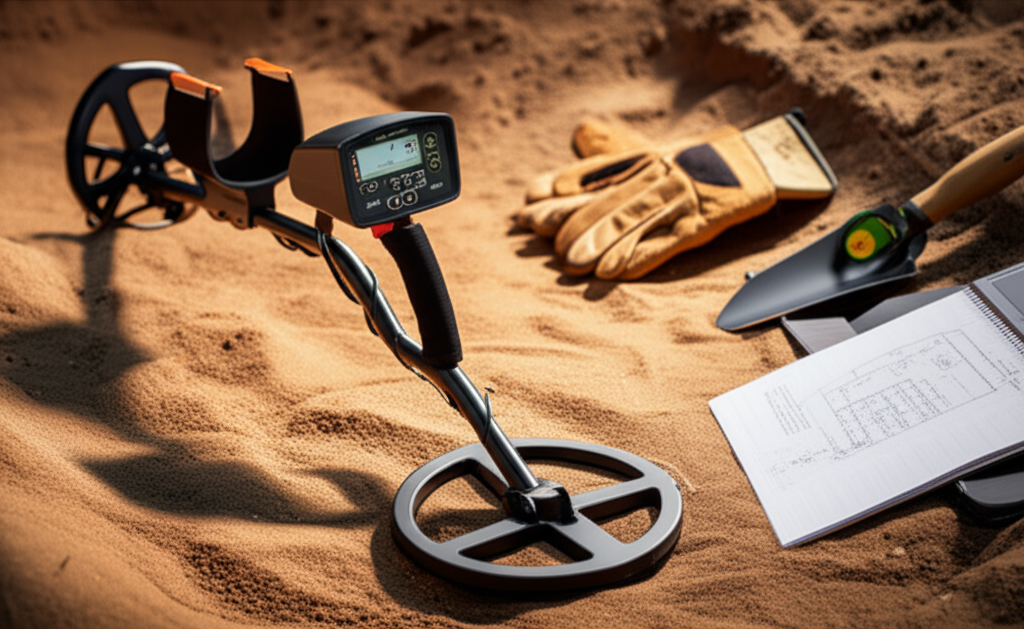
Unlock hidden treasures with a deep metal detector, a vital tool for educational exploration and serious prospecting, offering advanced capabilities beyond standard units for deeper target acquisition and identification.
Metal detecting can feel like a journey into the unknown, a thrilling pursuit of history buried just beneath the surface. Many of us start with basic equipment, and while it’s fun, there’s a limit to what those machines can find. If you’ve ever wondered what lies deeper, beyond the reach of typical detectors, then you’re in the right place. I’ve spent countless hours in the field, learning the nuances of different machines and what truly makes a difference when you’re searching for those elusive, deeper targets. This guide will walk you through the essential breakthroughs in deep metal detector technology, helping you understand what to look for and how to leverage these advancements for your educational and prospecting adventures.
What Exactly Makes a Metal Detector “Deep”?
A “deep” metal detector isn’t just a marketing term; it refers to machines specifically engineered to sense targets buried further beneath the ground than standard hobbyist detectors. This capability is typically achieved through a combination of advanced coil designs, sophisticated signal processing, and higher power transmission. These detectors are designed to penetrate more mineralized soil and reach targets that would otherwise remain hidden.
The Science Behind Deeper Detection

The ability of a metal detector to sense deeper targets is fundamentally linked to electromagnetic principles. A transmitter coil generates a magnetic field, which induces eddy currents in nearby metallic objects. These eddy currents, in turn, create their own magnetic field, which is then detected by a receiver coil. The strength of these induced fields diminishes with distance, so detecting deeper targets requires more sensitive receivers and coils that can generate stronger, more focused magnetic fields.
Coil Technology: The Eyes of the Detector
The coil is arguably the most crucial component for achieving depth. Larger diameter coils generally offer greater depth capabilities because they encompass a wider area and can transmit a stronger signal over a larger footprint. However, larger coils can also be heavier and less sensitive to small targets or targets in trashy areas. Specialized deep-seeking coils often employ different winding patterns and shielding techniques to maximize depth while minimizing interference.
Understanding Different Coil Types for Depth
Large Diameter Concentric Coils: These are traditional but effective for depth. Their focused electromagnetic field can penetrate well.
Large Diameter Double-D Coils: Often offer good depth and superior ground balancing capabilities, especially in mineralized soils.
Elliptical Coils: While not always the deepest, some large elliptical coils can offer a good balance of depth and maneuverability in varied terrain.
Pulse Induction (PI) Coils: These are known for exceptional depth, particularly in highly mineralized ground or saltwater beaches, as they are less affected by ground mineralization.
Frequency and its Impact on Depth
While higher frequencies are generally better for detecting small, low-conductivity targets like tiny gold nuggets, lower frequencies tend to be more effective for deeper, larger targets, especially those with higher conductivity like old coins or relics. Many modern deep metal detectors operate on a range of frequencies or offer multi-frequency capabilities, allowing the user to select the optimal frequency for the target and ground conditions. This flexibility is a significant breakthrough for serious prospectors.
Single vs. Multi-Frequency for Deep Hunting
Single-frequency detectors are simpler and can be very effective at a specific task. However, a deep metal detector that utilizes multi-frequency technology can adapt to a wider range of conditions. This means you can hunt for deep silver coins on a low frequency and then switch to a higher frequency to pick up a faint, deeper gold ring without changing coils. This adaptability is key to maximizing finds across different scenarios.
Breakthroughs in Signal Processing and Discrimination
Detecting deeper targets is only half the battle; identifying them accurately without digging endless amounts of junk is the other. Modern deep metal detectors feature advanced signal processing algorithms that can differentiate between various types of metal with greater precision, even when the signal is faint from a deep target. This technology helps filter out unwanted ferrous trash while highlighting desirable non-ferrous targets.
Advanced Ground Balancing Techniques
Mineralization in the soil can interfere with a detector’s ability to sense targets, especially deep ones. Breakthroughs in automatic and manual ground balancing allow deep metal detectors to filter out these ground signals more effectively. This means you get cleaner signals from your targets, leading to more accurate detection and fewer false positives, even in challenging soil conditions like iron-rich dirt or salt-laden beaches.
Manual vs. Automatic Ground Balance
Manual Ground Balance: Offers the user fine-tuned control to set the detector precisely for the specific ground conditions. This can yield the best depth and performance in experienced hands.
Automatic Ground Balance: Simplifies the process, making it easier for beginners. It constantly adjusts the ground balance as you sweep the coil, offering convenience and good performance in many situations.
Target ID and Iron Bias
Sophisticated target identification (Target ID) systems in deep metal detectors provide numerical or tonal indications of what a buried object might be. This is particularly useful for deep targets where signals are weaker. Furthermore, an adjustable “iron bias” or “iron mask” feature allows you to ignore or differentiate iron targets, helping you pinpoint the non-ferrous items buried nearby. This is a game-changer for hunting in areas with historical activity.
Coil Size and Shape: Optimizing for Depth and Coverage
While larger coils generally equate to greater depth, the shape and design also play a critical role. Innovations in coil construction have led to lighter, more durable, and more efficient coils that can outperform older, bulkier designs. Understanding how different coil sizes and shapes interact with the electromagnetic field is essential for maximizing your deep metal detector’s potential.
The Trade-offs of Large Coils
It’s important to remember that bigger isn’t always better without understanding the compromises. Large coils are heavier, which can lead to fatigue during long detecting sessions. They are also less sensitive to very small or shallow targets and can struggle in areas with lots of surface debris or tightly packed trash. For deep hunting, however, a well-chosen large coil is often indispensable.
Choosing the Right Coil Size for Your Needs
10-12 inch Coils: A good all-around size, offering decent depth and good sensitivity to a range of targets.
15-inch and Larger Coils: Primarily for maximum depth, especially in open fields where maneuverability isn’t a major concern.
Specialty Deep Coils: Some manufacturers offer ultra-large or specially designed coils for extreme depth applications.
Pulse Induction (PI) Technology: The Depth Champion
Pulse Induction (PI) metal detectors are renowned for their exceptional depth capabilities, particularly in challenging environments like highly mineralized soil or saltwater beaches. Unlike Very Low Frequency (VLF) detectors, PI detectors transmit short, powerful pulses of energy. This makes them less susceptible to ground mineralization and capable of detecting targets at greater depths.
How PI Detectors Work Differently
PI detectors send out a series of magnetic pulses. When a target is present, it creates a decaying magnetic field. The PI detector measures the rate at which this field decays, which provides information about the target. This method allows them to cut through ground noise that would overwhelm a VLF detector, making them ideal for serious deep prospecting.
When to Choose a PI Detector
If you plan on hunting in areas with heavy mineral sand, wet salt beaches, or highly ferrous soil, a PI detector is often the superior choice. They excel at finding larger, deeper targets in these difficult conditions where VLF detectors struggle. However, PI detectors typically have less sophisticated discrimination capabilities, meaning you might dig more iron.
Understanding the Limitations and Capabilities of Deep Detectors
While a deep metal detector can find targets that others miss, it’s not a magic wand. There are inherent trade-offs, and understanding these limitations is crucial for setting realistic expectations and using the equipment effectively. Deeper targets often produce fainter signals, requiring patience and keen listening skills.
Depth vs. Sensitivity to Small Targets
Generally, a coil designed for maximum depth will be less sensitive to very small or thin targets compared to a smaller, higher-frequency coil. This is a fundamental physics trade-off. For example, a large coil might easily detect a deep coin, but it might miss a tiny gold flake that a specialized prospecting coil could find.
Factors Affecting Real-World Depth
Target Size and Shape: Larger and more conductive targets can be detected deeper.
Target Orientation: A flat coin lying flat will be detected deeper than one on its edge.
Soil Type and Mineralization: Highly mineralized or conductive soils absorb the detector’s signal, reducing depth.
Detector Settings: Proper ground balancing, sensitivity, and discrimination settings are vital.
Coil Type and Size: As discussed, larger coils and PI technology generally offer more depth.
Essential Accessories for Deep Metal Detecting
To truly maximize your success with a deep metal detector, certain accessories are not just helpful but essential. These tools enhance your efficiency, protect your gear, and improve your overall detecting experience, especially when dealing with deeper targets that might require more effort to unearth.
Pinpointers: The Crucial Close-Up Tool
Once your deep metal detector signals a target, a good pinpointer is indispensable for locating it precisely in the excavated plug of soil. This saves immense time and effort compared to digging a large hole or trying to find a faint target by feel. Many modern pinpointers are waterproof and offer excellent sensitivity.
Why a Pinpointer is Non-Negotiable
Saves Time: Quickly narrows down the target location.
Reduces Excavation Size: Minimizes ground disturbance.
Protects Finds: Helps avoid damaging delicate relics with your digging tool.
Improves Accuracy: Essential for pinpointing faint signals from deep targets.
Digging Tools: Built for the Job
When you’re digging for deeper targets, you need robust digging tools. Shovels and trowels designed for metal detecting are often made from strong steel with sharp edges to cut through tough soil and roots. Some deeper targets might require a larger shovel for efficient excavation.
Recommended Digging Tools
Heavy-Duty Digging Trowel/Shovel: For general use, look for one with a serrated edge.
Larger Shovel: For deeper targets in open fields, a full-size spade can be necessary.
Root Saw: In wooded areas, this is invaluable for cutting through thick roots.
Soil Sieve/Sifter: To carefully examine excavated soil and recover small targets.
Headphones: Hearing Every Whisper
Good quality, waterproof headphones are critical for deep metal detecting. They allow you to hear the faint signals from deep targets clearly, even in noisy environments like wind or traffic. They also prevent others from hearing your finds and help you concentrate.
Choosing Your First Deep Metal Detector: Key Considerations
Selecting a deep metal detector can be an investment, and it’s essential to choose wisely based on your intended use and budget. Researching different brands and models, understanding their specifications, and reading field reviews are crucial steps.
Budget vs. Performance
While high-end deep detectors can be expensive, there are excellent mid-range options that offer significant depth capabilities. Consider what you can afford and what features are most important for your detecting goals. Sometimes, a slightly older, well-regarded model can offer fantastic value.
Top Brands and Models to Research
Minelab Equinox Series: Offers multi-frequency technology in a user-friendly package, with good depth for its class.
Garrett AT Series (AT Pro, AT Max): Known for their ruggedness, waterproofing, and excellent performance in mineralized ground.
Nokta Makro Simplex+ / Legend: Popular for their affordability, features, and impressive depth for their price point.
XP DEUS II: A high-end, wireless detector with advanced multi-frequency capabilities and excellent depth.
Ease of Use and Learning Curve
Some deep metal detectors are more complex than others. If you’re a beginner, you might want to start with a model that has a good automatic mode and a clear interface. As you gain experience, you can graduate to more advanced machines with greater customization options.
Advanced Techniques for Maximizing Deep Target Recovery
Simply owning a deep metal detector isn’t enough; mastering its use requires technique and practice. Learning to interpret faint signals, manage ground conditions, and excavate efficiently are skills that develop over time with dedicated field experience.
Interpreting Faint Signals
Deep targets often produce weak, sometimes inconsistent signals. Instead of dismissing these, try to sweep the coil slowly and deliberately over the target area. Listen for subtle changes in tone or pitch. Sometimes, a target might only register clearly from one direction.
The Importance of Slow Sweeps
Sweeping the coil too quickly can cause faint signals from deep targets to be missed entirely. Take your time, especially when you suspect a deep find. A slow, steady sweep allows the detector’s circuitry more time to process the returning signal.
Working with Mineralized Ground
If your deep metal detector struggles in mineralized soil, experiment with different ground balance settings. Reducing sensitivity slightly or adjusting the threshold can sometimes help clean up the signal and improve target separation. Understanding your detector’s manual and its capabilities for handling mineralization is key.
Adjusting Settings for Tough Ground
Ground Balance: Ensure it’s set correctly for the mineral content.
Sensitivity: Lowering sensitivity can reduce false signals from ground noise.
Threshold: Adjusting the background hum can help discern faint target tones.
The Educational Value of Deep Metal Detecting
Beyond the thrill of finding treasure, deep metal detecting offers significant educational opportunities. It’s a hands-on way to learn about history, geology, physics, and archaeology. Each find can be a starting point for research, connecting us to the past in tangible ways.
Connecting with History
Many deep targets are historical artifacts – old coins, buttons, tools, or relics from past settlements. Unearthing these items provides a direct link to the lives of people who lived long ago. This can spark curiosity and encourage further learning about local history and the periods from which the artifacts originate.
Researching Your Finds
When you find something interesting, the adventure doesn’t end. Researching the item’s age, origin, and significance can be incredibly rewarding. This process teaches valuable research skills and deepens your understanding of historical contexts. Websites like The Portable Antiquities Scheme can be invaluable resources for identifying historical finds.
Learning About Physics and Technology
Understanding how a deep metal detector works involves learning about electromagnetism, signal processing, and electronics. It’s a practical application of scientific principles that can make abstract concepts more concrete and engaging, especially for younger learners.
Frequently Asked Questions
Can a deep metal detector find gold?
Yes, many deep metal detectors are capable of finding gold, especially larger gold nuggets or deeper gold rings. However, specialized gold prospecting detectors often perform better for very small gold flakes.
Is a deep metal detector difficult to use for beginners?
While some advanced deep detectors can have a steeper learning curve, many modern models are designed with user-friendly interfaces and automatic modes that make them accessible to beginners.
What is the deepest a metal detector can find?
The theoretical maximum depth can be several feet, but in practice, it depends heavily on the target size, type, orientation, soil conditions, and the detector’s capabilities. For typical coins, a good deep detector might reach 12-18 inches, while larger objects could be detected deeper.
Do I need a special license to use a deep metal detector?
Regulations vary by location. In many areas, recreational metal detecting is permitted on private land with permission and on public land where it is not prohibited. Always check local laws and guidelines before detecting.
What is the difference between a VLF and a PI detector for depth?
VLF (Very Low Frequency) detectors use continuous waves and are generally better at discrimination but can struggle in highly mineralized ground. PI (Pulse Induction) detectors use short pulses and are less affected by ground mineralization, making them excellent for depth in challenging conditions, though they typically have less discrimination.
* How do I know if a target is deep or just large?
A faint, drawn-out signal often indicates a deeper target, while a strong, clear signal might be a larger object or one closer to the surface. Experience and careful listening are key to distinguishing between the two.
Conclusion
The world of deep metal detecting is an exciting frontier, offering access to targets that remain hidden from less capable machines. With breakthroughs in coil technology, signal processing, and PI systems, modern deep metal detectors are more powerful and versatile than ever before. Whether you’re a seasoned detectorist looking to upgrade or a curious beginner eager to explore history’s buried secrets, understanding these essential advancements will empower you to make informed choices. Embrace the technology, hone your skills, and get ready to uncover what lies beneath. Happy hunting!
