


Published on: September 7, 2025 | Updated on: September 7, 2025
Yes, sterling silver can absolutely tarnish, and understanding why and how to prevent it is key to keeping your treasured pieces looking their best.
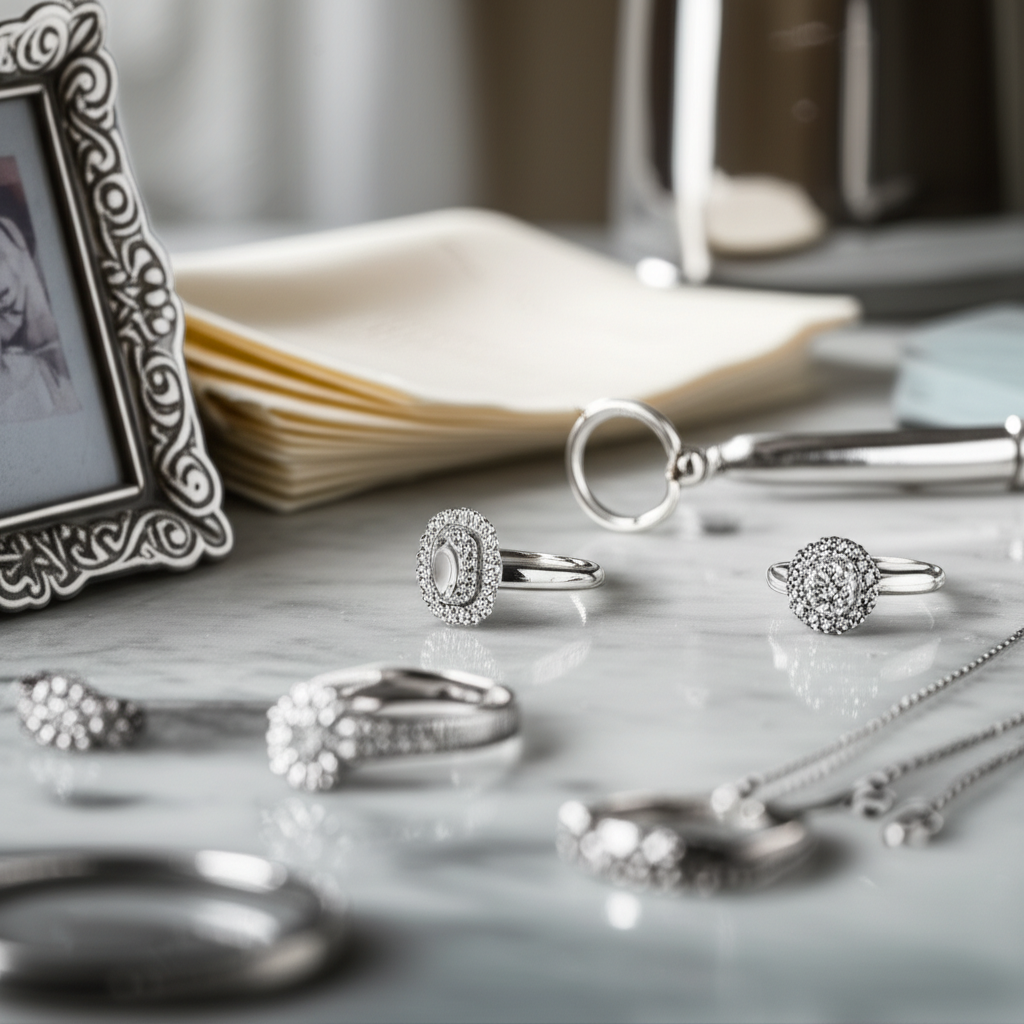
Sterling silver, a beautiful and popular metal, often surprises its owners with a dull, discolored coating. But fear not! This common phenomenon, known as tarnishing, is a natural process that can be managed with the right knowledge and a few simple techniques. As a DIY and home gadget enthusiast, I’ve encountered my fair share of tarnished treasures and learned the essential secrets to keeping them gleaming. This guide will demystify why sterling silver tarnishes and provide you with practical, easy-to-follow solutions, empowering you to protect your investment and enjoy its brilliance for years to come. Let’s dive into the world of silver care and uncover how to prevent that unsightly tarnish.
What Exactly is Sterling Silver and Why Does it Tarnish?
Sterling silver is not pure silver. It’s an alloy, typically composed of 92.5% pure silver and 7.5% other metals, most commonly copper. This alloy is chosen because pure silver is too soft for most practical applications, like jewelry or tableware. The addition of copper provides durability and strength.
The reason sterling silver tarnishes lies in that very addition of copper. Both pure silver and copper react with sulfur compounds present in the air and in various everyday substances. This chemical reaction forms silver sulfide, which appears as a dark, often black or brownish, layer on the surface of the metal.
This tarnishing process is a chemical reaction, not a sign of poor quality. It’s a natural characteristic of sterling silver, much like wood can warp or paint can fade over time. Understanding this basic science is the first step in mastering silver care.
The Science Behind Sterling Silver Tarnish: A Deeper Dive
Tarnishing, scientifically known as oxidation or sulfidation, is a surface reaction. The sulfur atoms in the air, or from substances that come into contact with the silver, bond with the copper within the sterling silver alloy. While pure silver can tarnish, the copper component significantly accelerates the process.
This reaction creates a thin layer of silver sulfide (Ag₂S) and copper sulfide (CuS) on the metal’s surface. The visible tarnish is essentially this chemical compound, which reflects light differently than polished silver, making it appear dull and discolored. The rate of tarnishing depends heavily on environmental factors and storage conditions.
Factors like humidity, exposure to certain chemicals (like perfumes, hairspray, or even rubber bands), and pollutants in the air can all speed up this reaction. It’s a predictable process, but one that can be slowed down considerably with proper care.
Common Culprits: What Makes Sterling Silver Tarnish Faster?
Several everyday elements can significantly accelerate the tarnishing of your sterling silver items. Understanding these culprits is crucial for prevention.
High humidity is a major contributor. Moist air contains more sulfur compounds and water vapor, creating an ideal environment for tarnishing. Salty air, common in coastal regions, also speeds up the process due to the presence of chlorides.
Chemicals are also significant offenders. Exposure to perfumes, lotions, hairsprays, cleaning agents, and even the natural oils and perspiration from your skin can accelerate tarnishing. Certain foods, like eggs and onions, also contain sulfur compounds that can react with silver.
Can Sterling Silver Tarnish Instantly? Unpacking the Speed of the Process
While tarnishing isn’t usually instantaneous, it can appear quite quickly under certain conditions. For instance, if you wear sterling silver jewelry while applying hairspray or perfume, you might notice a slight dullness very soon after. Similarly, prolonged exposure to harsh chemicals can cause rapid discoloration.
However, for everyday wear and storage, the process is much slower, often taking weeks or months to become noticeably dull. The speed is highly dependent on the environment and how the silver is handled and stored. Think of it as a gradual fading rather than a sudden disappearance.
It’s important to remember that even a slight dullness is the beginning of tarnish. Regular checks and preventative measures can stop it before it becomes a significant problem.
Essential Secrets Revealed: How to Prevent Sterling Silver Tarnish
Preventing sterling silver tarnish is all about minimizing its exposure to the elements that cause it. The most effective strategy is to create a barrier between your silver and the tarnishing agents.
The golden rule is to store your silver in a cool, dry place, away from direct sunlight and moisture. Using airtight containers or specialized anti-tarnish bags is highly recommended. These methods physically block out the air and sulfur compounds that cause tarnish.
Keeping your silver clean and dry after each use also plays a vital role. Gently wipe it with a soft, lint-free cloth to remove any oils or residues before storing it. This simple habit can make a significant difference over time.
Storage Solutions: Your First Line of Defense Against Tarnish
Proper storage is arguably the most effective way to prevent sterling silver from tarnishing. Think of it as creating a protective shield for your precious items.
The best method is to store sterling silver in airtight containers. This can include zip-top plastic bags, specially designed anti-tarnish jewelry boxes, or even simply wrapping items in acid-free tissue paper before placing them in a sealed container. The key is to minimize air exposure.
For larger items like silverware or serving dishes, consider using flannel-lined boxes or drawers. These often have anti-tarnish properties built-in. Avoid storing silver with rubber bands, as sulfur compounds in rubber can accelerate tarnishing.
Daily Habits That Keep Sterling Silver Shining Bright
Beyond storage, incorporating a few simple daily habits can significantly prolong the shine of your sterling silver. These practices are easy to adopt and require minimal effort.
Always put on your sterling silver jewelry after applying makeup, lotions, and perfumes. These products often contain chemicals that can react with silver and cause it to tarnish. Similarly, remove your silver items before showering, swimming, or doing strenuous activities that involve sweating.
After wearing your silver, give it a gentle polish with a soft, lint-free cloth. This removes natural skin oils, perspiration, and any airborne particles that could contribute to tarnish. This quick wipe-down is a powerful preventative measure.
Cleaning Sterling Silver Tarnish: Effective Methods for Restoration
When tarnish does appear, don’t despair! There are several effective ways to restore your sterling silver’s shine. The best method often depends on the severity of the tarnish.
For light tarnish, a good quality silver polishing cloth is usually sufficient. These cloths are impregnated with a mild abrasive and cleaning agent that gently removes the tarnish without scratching the silver. Simply rub the tarnished areas with the cloth until the shine returns.
For heavier tarnish, you might need a silver polishing cream or liquid. These are more potent but should be used sparingly and according to the product’s instructions. Always test on an inconspicuous area first.
DIY Sterling Silver Cleaning: Natural and Gentle Approaches
Many people prefer natural, DIY solutions for cleaning sterling silver, especially for valuable or antique pieces. These methods can be surprisingly effective and are often gentler than commercial polishes.
A popular and effective DIY method involves using baking soda. Create a paste by mixing baking soda with a small amount of water. Apply the paste to the tarnished silver with a soft cloth or your fingers, gently rubbing the tarnished areas. Rinse thoroughly with warm water and dry completely with a soft cloth.
Another gentle method uses toothpaste. Apply a small amount of non-gel white toothpaste (avoid those with whitening agents or harsh abrasives) to a soft cloth. Gently rub the tarnished silver, then rinse and dry. Be cautious, as some toothpastes can be too abrasive for delicate pieces.
A slightly more involved method uses aluminum foil and baking soda. Line a bowl with aluminum foil, place your silver items in it, and sprinkle generously with baking soda. Then, pour hot (not boiling) water over the items until they are submerged. Let them soak for a few minutes, then rinse and dry. This electrochemical process can be very effective for significant tarnish.
Professional Sterling Silver Cleaning and Maintenance
While DIY methods are great for at-home care, sometimes professional help is the best option, especially for intricate pieces or valuable heirlooms. Jewelers have specialized tools and knowledge to clean and restore silver safely.
They can identify the exact composition of your silver and use appropriate cleaning solutions that won’t damage gemstones or intricate details. Professional polishing can also remove deeper scratches and restore a like-new finish.
Regular professional check-ups and cleanings, perhaps once a year, can ensure your sterling silver remains in excellent condition. This is especially true for antique pieces or those with sentimental value.
Sterling Silver vs. Other Silver Types: Understanding the Differences
It’s important to distinguish sterling silver from other silver-plated items or silver alloys. While all silver-based metals can tarnish, the rate and method of care can differ.
Sterling silver (92.5% silver) is a precious metal alloy. Silver-plated items have a thin layer of silver over a base metal. While they look similar, the silver plating can wear off, exposing the base metal and potentially leading to different issues than tarnishing. Care for plated items should be more delicate to avoid removing the plating.
Other silver alloys exist, like Britannia silver (95.8% silver), which is purer but softer than sterling. Each has its own characteristics and care requirements. Always confirm you are dealing with sterling silver when using specific care guides.
Troubleshooting Common Sterling Silver Tarnish Issues
Even with the best care, you might encounter specific tarnishing problems. Here’s how to tackle them.
Stubborn Black Spots: These are often signs of heavier sulfidation. Try a silver polishing cream or the aluminum foil and baking soda method. For very deep spots, professional cleaning might be necessary.
Tarnish on Gemstones: Be cautious when cleaning silver with gemstones. Some stones can be damaged by chemicals or abrasions. For example, pearls and opals are porous and can be easily damaged. It’s often best to clean around the gemstone with a soft cloth or use specialized jewelry cleaners.
Tarnish Underneath Engravings: This can be tricky to reach. A soft-bristled brush (like an old, soft toothbrush) dipped in a mild cleaning solution can help gently dislodge tarnish from crevices.
Frequently Asked Questions About Sterling Silver Tarnish
Can sterling silver tarnish if I wear it every day?

Yes, wearing sterling silver daily can actually accelerate tarnishing because it’s exposed to skin oils, lotions, perfumes, and environmental elements more frequently. However, regular wear also means regular polishing, which can help keep it looking its best if done properly.
How often should I polish my sterling silver?
The frequency depends on your environment and how often you wear your silver. If you notice a dullness or discoloration, it’s time to polish. For stored items, check them every few months. For items worn regularly, a gentle polish with a soft cloth after each wear is ideal, with a more thorough polish as needed.
Can sterling silver tarnish in a jewelry box?
Yes, if the jewelry box is not airtight or doesn’t contain anti-tarnish lining, sterling silver can still tarnish. Exposure to air, even within a box, will eventually lead to oxidation. Using anti-tarnish bags or sealed containers within the box is best.
Is tarnished sterling silver ruined?
No, absolutely not! Tarnished sterling silver is not ruined. Tarnish is a surface issue that can be cleaned and restored, often returning the silver to its original shine. It’s a natural process, not permanent damage.
What is the fastest way to remove sterling silver tarnish?
While commercial silver polishes or dips can be fast, they can also be harsh and potentially damage the silver or any stones. For a quick, effective, and relatively gentle method, the aluminum foil, baking soda, and hot water bath is often cited as one of the fastest DIY solutions for significant tarnish.
Can sterling silver tarnish from being wet?
Exposure to water, especially if it’s impure or contains minerals, can contribute to tarnishing. It’s always best to dry your sterling silver thoroughly after it comes into contact with any moisture. Prolonged dampness can accelerate the tarnishing process.
Conclusion: Mastering Sterling Silver Care for Lasting Brilliance
So, can sterling silver tarnish? The answer is a definitive yes, but as we’ve explored, this is a natural process with manageable solutions. By understanding the science behind tarnishing and implementing simple preventative measures like proper storage and mindful daily habits, you can significantly slow down the process. When tarnish does appear, a variety of effective cleaning methods, from gentle polishing cloths to natural DIY solutions, are available to restore its shine. Remember, caring for sterling silver isn’t a chore; it’s an investment in preserving the beauty and value of your cherished items. With this knowledge, you’re well-equipped to keep your sterling silver pieces gleaming for years to come.
