


Published on: October 9, 2025 | Updated on: October 9, 2025
Do Belts Set Off Metal Detectors? Your Essential Field Guide
Yes, belts can absolutely set off metal detectors, especially if they contain metal buckles, rivets, or decorative elements. This guide will help you understand why and what to do.
Metal detecting is a fantastic hobby. You can find old coins, lost jewelry, and interesting relics. Sometimes, your detector might beep unexpectedly. This can be confusing, especially when you’re just starting out. You might wonder, “Do belts set off metal detectors?” This is a very common question for new detectorists. Don’t worry; I’m here to help you figure it out. We’ll go through everything you need to know about belts and your metal detector.
Why Metal Detectors React to Belts
Metal detectors work by sending out a magnetic field. When this field hits metal, it bounces back. The detector then signals this with a sound or a reading on its screen. Many belts have metal parts. These can be buckles, studs, or even the thread used for rivets. These metal pieces are what cause the detector to react. It’s just like finding a coin or a piece of scrap metal.
The strength of the signal depends on the metal. It also depends on how close it is to the detector’s coil. A large, solid metal buckle will give a strong signal. A small metal stud might give a weaker one. Understanding this helps you pinpoint what’s causing the beep.
Types of Belt Buckles and Their Detectability
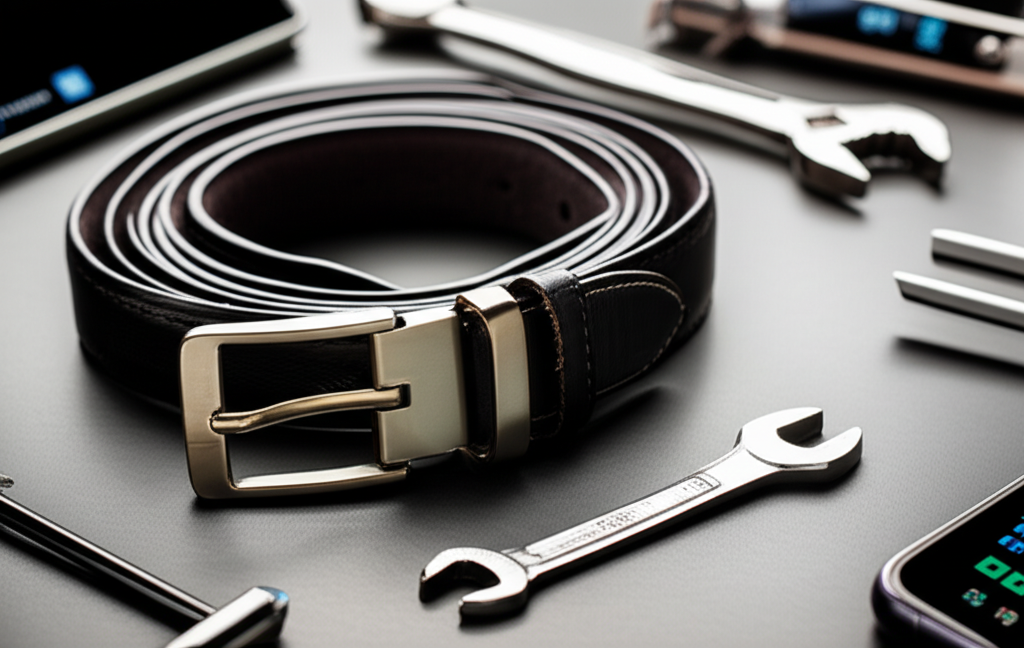
Belt buckles come in many shapes and sizes. Some are made entirely of metal. Others have leather or fabric with just a small metal insert. Solid brass, steel, or even plated buckles are very common. These will almost always trigger a metal detector. They are designed to be durable and look good.
Even fabric belts can have metal elements. Rivets holding the leather or fabric together often contain metal. Some fashion belts have decorative metal studs or chains. These can also cause your detector to sound off. It’s not just the main buckle that matters.
The Role of Belt Material in Detection
The material of your belt buckle is key. Steel and iron are highly conductive metals. They create a strong signal. Brass and copper also conduct electricity well. They will trigger most detectors. Even plated metals, like those with a thin layer of nickel or chrome, can be detected.
Non-metal materials like plastic, wood, or leather without metal inserts will not set off a detector. This is why some detectorists choose belts with these materials. However, sometimes fashion dictates the buckle.
Understanding Metal Detector Sensitivity Settings
Most metal detectors have sensitivity settings. You can adjust how much the detector reacts to small or weak signals. If your detector is too sensitive, it might pick up tiny metal bits in your belt. This can lead to constant false signals. You might think you’ve found something, but it’s just your belt.
Lowering the sensitivity can help. It makes the detector ignore very small signals. This can reduce false alerts from your belt. However, lowering sensitivity too much can make you miss small targets. It’s a balance you need to find.
Field Testing: Belts and Your Detector
The best way to know for sure is to test your belt. Wear your belt and walk over your metal detector’s coil. Or, sweep your detector over your belt while it’s off. See if it gives a signal. If it does, you know your belt is the culprit. This is a crucial step for any detectorist.
I always do this with new gear. It saves a lot of frustration in the field. Knowing your equipment helps you detect better. You won’t waste time digging up your own belt.
Strategies to Prevent Belts from Setting Off Metal Detectors
There are several ways to avoid this common problem. One is to choose your belt wisely. Opt for belts with plastic, wood, or ceramic buckles. These materials do not conduct electricity. They will not be detected by your metal detector.
Another strategy is to remove your belt before you start detecting. This is a simple solution that works. You can leave it in the car or in your digging bag. This ensures no false signals from your waist.
The Impact of Belt Buckles on Different Detector Types
Different metal detectors have different capabilities. Some are designed for high-frequency detection. They can pick up even tiny metal objects. These detectors are more likely to react to small metal parts on a belt. Other detectors are designed for deeper targets. They might ignore very small metal items.
The type of coil you use also matters. A smaller coil is more sensitive to small targets. A larger coil can pick up deeper or larger targets. This can affect how your belt interacts with the detector.
Alternative Belt Solutions for Detectorists
Many detectorists find creative solutions. Some use fabric belts with no metal at all. Others use tactical belts with plastic Cobra buckles. These are strong and reliable. They also have no metal components. These are often a favorite among serious detectorists.
You can also find belts with magnetic buckles. While they contain metal, they might not always trigger a detector depending on the detector’s settings. However, it’s best to stick to non-metallic options for reliability.
When Your Belt Shouldn’t Be the Problem
Sometimes, your detector might be reacting to something else. It could be buried treasure, or it could be junk metal. Learn to distinguish between signals. Different metals produce different tones and readings. A coin will sound different from a pull-tab.
If you suspect your belt is causing a signal, double-check. Remove it and see if the signal disappears. If it does, then you know. If the signal remains, then you have a target in the ground. This is part of the learning process.
FAQs: Common Questions About Belts and Metal Detectors
Can a leather belt set off a metal detector?
A plain leather belt usually won’t. But if it has a metal buckle, studs, or rivets, it can. The metal parts are what the detector picks up.
What kind of belt buckle is best for metal detecting?
Buckles made of plastic, ceramic, or wood are best. They contain no metal. This means they won’t trigger your detector.
Will a magnetic buckle set off a metal detector?
Yes, most magnetic buckles contain metal. They can set off a metal detector. It’s safer to use non-metallic buckles.
How can I stop my metal detector from beeping because of my belt?
You can remove your belt before detecting. Or, you can switch to a belt with a non-metal buckle. Adjusting your detector’s sensitivity might also help.
What if my detector beeps, and I think it’s my belt, but removing it doesn’t stop the beep?
This means your detector is picking up something else in the ground. It could be a coin, relic, or junk metal. You have found a target!
Are there special belts for metal detectorists?
Yes, some companies make belts specifically for detectorists. These often feature plastic buckles or other non-metallic fasteners. They are designed to avoid false signals.
* Can metal thread in a belt set off a metal detector?
It’s unlikely. Metal thread is usually very fine. Most metal detectors would not pick up such a small amount of metal. It’s the larger metal pieces that cause issues.
Conclusion: Mastering Your Metal Detecting Experience
So, do belts set off metal detectors? The answer is a definite yes, if they have metal components. Understanding this is vital for a smooth detecting experience. By choosing the right belt or taking simple precautions, you can avoid false signals. This lets you focus on what truly matters: finding those exciting targets. Always test your gear and know your equipment. Happy hunting!

