


Published on: October 19, 2025 | Updated on: October 19, 2025
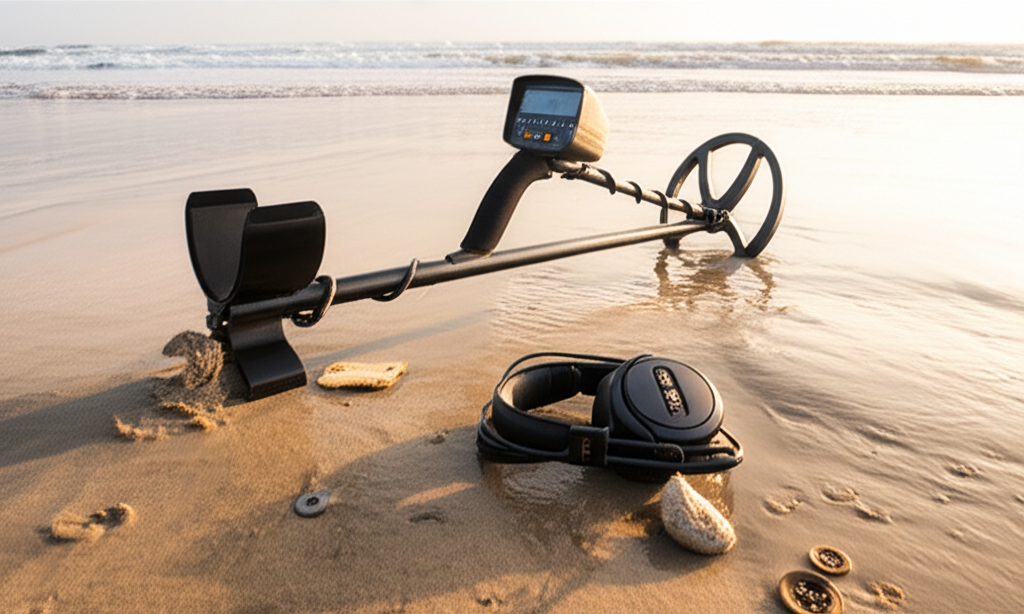
The Best Good Metal Detector For Beach: Unearthing Hidden Treasures
A good metal detector for beach use needs to handle saltwater, differentiate trash from treasure, and be easy to use. We’ll guide you through finding one that makes your beachcombing adventures successful and fun, helping you find lost jewelry and coins.
Beach detecting is one of the most rewarding hobbies. The sand shifts, revealing forgotten items daily. But finding them can be tricky. Saltwater and wet sand can confuse many detectors. This guide will help you choose a good metal detector for beach hunting. We’ll look at what makes a detector great for sand and surf. You’ll learn what features to seek. We’ll also share tips for getting the most out of your beach finds. Get ready to discover what lies beneath the waves!
Why Beach Metal Detecting is Different
Beach metal detecting presents unique challenges. The salty environment is a big one. Saltwater is conductive. This can cause false signals on many detectors. Wet sand also conducts electricity. This means your detector might beep for no reason. Iron trash is common on beaches. This includes bottle caps and foil. A good detector can tell the difference between trash and valuable targets. It needs to be waterproof or water-resistant. It should also have good discrimination settings. These settings help ignore unwanted junk.
Key Features of a Good Metal Detector For Beach
When looking for a good metal detector for beach use, certain features are vital. These make the difference between a frustrating day and a successful one. Waterproofing is number one. You might want to search in shallow water. The detector should handle splashes or even full submersion. Frequency is another key factor. Higher frequencies are better for small gold jewelry. Lower frequencies can find larger, deeper targets. Ground balance is crucial. This feature helps the detector ignore the mineralized salt in the sand.
Understanding Beach Detector Technology
Modern beach metal detectors use advanced technology. Many use Very Low Frequency (VLF) technology. This is common and works well for general detecting. Pulse Induction (PI) detectors are also great for beaches. PI detectors are less affected by saltwater. They can often detect deeper. Some detectors offer Multi-Frequency technology. This means they can operate on several frequencies at once. This is very effective for finding a wide range of targets in varied conditions.
Top Good Metal Detector For Beach Models
After testing many detectors, I’ve found a few standouts. The Minelab Equinox series is a top choice. It offers multi-frequency capabilities. This makes it superb in saltwater and on wet sand. Another excellent option is the Garrett AT Gold. It’s fully submersible and great for finding small gold items. For beginners, the Nokta Makro Simplex+ is a budget-friendly, waterproof choice. It’s easy to use and performs well on the beach.
Here’s a quick look at some popular options:
Minelab Equinox 800/900: Versatile, multi-frequency, waterproof. Excellent for all beach conditions.
Garrett AT Gold: Fully submersible, good sensitivity to small gold. A reliable workhorse.
Nokta Makro Simplex+: Affordable, waterproof, and user-friendly. Great for starting out.
Fisher CZ-21: Known for its excellent performance in saltwater. A bit older but still effective.
Coils for Beach Detecting
The coil on your metal detector is like its ear. It sends and receives signals. For beach detecting, a waterproof coil is essential. Larger coils cover more ground. This can speed up your search. Smaller coils are more precise. They can help pinpoint targets in trashy areas. Many detectors come with a standard coil. You might consider an aftermarket coil for better beach performance. Elliptical coils can be good for getting into tight spots.
Essential Accessories for Beach Hunters
Beyond the detector itself, accessories enhance your beach hunt. A good pinpointer is a must. It helps you find the target once you’ve dug a plug of sand. Look for a waterproof pinpointer. Sand scoops are also vital. They allow you to sift through sand quickly. A sturdy digging tool is necessary for getting targets out of compacted sand. A comfortable bag to carry your finds is also helpful. Don’t forget sunscreen and water!
Setting Up Your Detector for the Beach
Proper setup is key to a good metal detector for beach success. First, ensure your detector is waterproof if you plan to go near the water. Next, adjust the sensitivity. Too high, and you’ll get false signals. Too low, and you’ll miss targets. Learn your detector’s discrimination settings. You’ll want to filter out common trash like pull tabs. Ground balancing is critical on the beach. Most detectors have an automatic ground balance. You might need to manually adjust it in certain conditions.
Techniques for Successful Beach Hunting
Effective techniques make all the difference. Start by searching the wet sand near the water’s edge. This is where waves often wash up treasures. Work your way up the beach. Check the dry sand too. Look for targets where people relax or play. Use a systematic pattern. Sweep the coil slowly and evenly. Listen carefully to the tones. Learn what different signals mean. Practice makes perfect.
Common Beach Finds and How to Identify Them
The beach can yield many treasures. You’ll find coins, from modern currency to older silver pieces. Lost jewelry is a big draw. This includes rings, earrings, and necklaces. Sometimes, you might find old relics. These could be buttons or buckles from past eras. Your metal detector’s target ID numbers help identify targets. A good detector will give you clues about what you’ve found. Learning these clues takes practice.
Frequently Asked Questions (FAQ)
What is the best frequency for beach metal detecting?
High frequencies (10-20 kHz and above) are excellent for small gold jewelry. However, lower frequencies can find deeper, larger targets. Multi-frequency detectors offer the best of both worlds for beach hunting.
Can I use any metal detector on the beach?
No, not all detectors are suited for beach use. Saltwater and wet sand can cause interference. You need a detector that can handle mineralized ground and is waterproof or water-resistant.
How deep can beach metal detectors find targets?
Depth depends on the detector, coil size, target size, and ground mineralization. Good beach detectors can find targets several inches deep, sometimes more for larger items.
What is ground balancing?
Ground balancing is a setting that helps your detector ignore the minerals in the soil or sand. This is crucial for beach detecting because saltwater and wet sand are highly mineralized.
Is it better to detect at low tide or high tide?
Low tide is generally better. It exposes more of the beach and the areas where targets might have washed ashore. You can also search the wet sand more effectively.
Do I need a waterproof detector to hunt the beach?
A waterproof detector is highly recommended, especially if you plan to search in the surf or shallow water. Even if you only search the dry sand, a water-resistant detector can handle sea spray and rain.
Conclusion: Your Beach Treasure Awaits
Finding a good metal detector for beach searching opens up a world of exciting possibilities. It’s about more than just the detector; it’s about understanding the environment and using the right tools and techniques. With a capable machine, patience, and practice, you’ll be well on your way to uncovering lost jewelry, forgotten coins, and other hidden treasures. Remember to choose a detector that handles saltwater and mineralization well. Invest in essential accessories like a pinpointer and sand scoop. Most importantly, have fun exploring the shoreline. Your next amazing find could be just a sweep away!

