


Published on: November 4, 2025 | Updated on: November 4, 2025
A metal detector external speaker is a crucial accessory for any detectorist. It enhances audio clarity, allows for discreet listening, and makes identifying targets much easier, especially in noisy environments or when wearing headphones is not ideal.
The world of metal detecting is exciting. You search for hidden treasures. Sometimes, the sound from your metal detector is not clear enough. This can make it hard to find good targets. A metal detector external speaker can fix this problem. It’s a simple upgrade. This guide will show you why it’s important. We’ll cover how it works. We’ll also help you choose the best one for your needs. Let’s explore how this small device can boost your detecting fun.
Why Use a Metal Detector External Speaker?
An external speaker for your metal detector is more than just an extra gadget. It significantly improves your detecting experience. It provides clearer audio signals. This helps you distinguish between good targets and junk. It’s also great for hearing faint signals that you might miss otherwise.
The built-in speaker on many metal detectors can be weak. It might also sound tinny. An external speaker offers a richer, fuller sound. This makes identifying target tones much simpler. You’ll spend less time digging trash and more time finding interesting items.
Hearing is Believing: The Audio Advantage
Your metal detector communicates through sound. Different targets make different sounds. Learning these sounds is key to successful detecting. An external speaker makes these sounds louder and clearer. This is especially helpful for beginners. They can learn target tones more easily.
Imagine detecting near a busy road. The engine noise can drown out your detector’s sound. An external speaker can cut through that noise. You can hear those faint beeps clearly. This means you won’t miss valuable finds. It’s like upgrading from a tiny radio to a good stereo system for your ears.
Comfort and Convenience: Beyond Headphones
Many detectorists use headphones. Headphones are great for privacy. They also block out external noise effectively. However, wearing headphones for long periods can be uncomfortable. Your ears can get hot and sweaty. Sometimes, you might want to share the sounds with a friend.
An external speaker lets you detect without headphones. You can still hear all the signals clearly. This offers more comfort on long detecting trips. It also allows others to hear what you’re finding. This can be fun when detecting with family or friends.
Types of Metal Detector External Speakers
There are a few main types of external speakers. Some are small and clip onto your clothing. Others are larger and designed to mount on your detector’s control box. Most connect via a standard headphone jack. Some might offer Bluetooth connectivity for wireless sound.
Consider the size and mounting options. Do you want something portable? Or do you prefer a speaker that stays attached to your detector? The connection type is also important. Make sure it fits your metal detector’s output.
Wired External Speakers
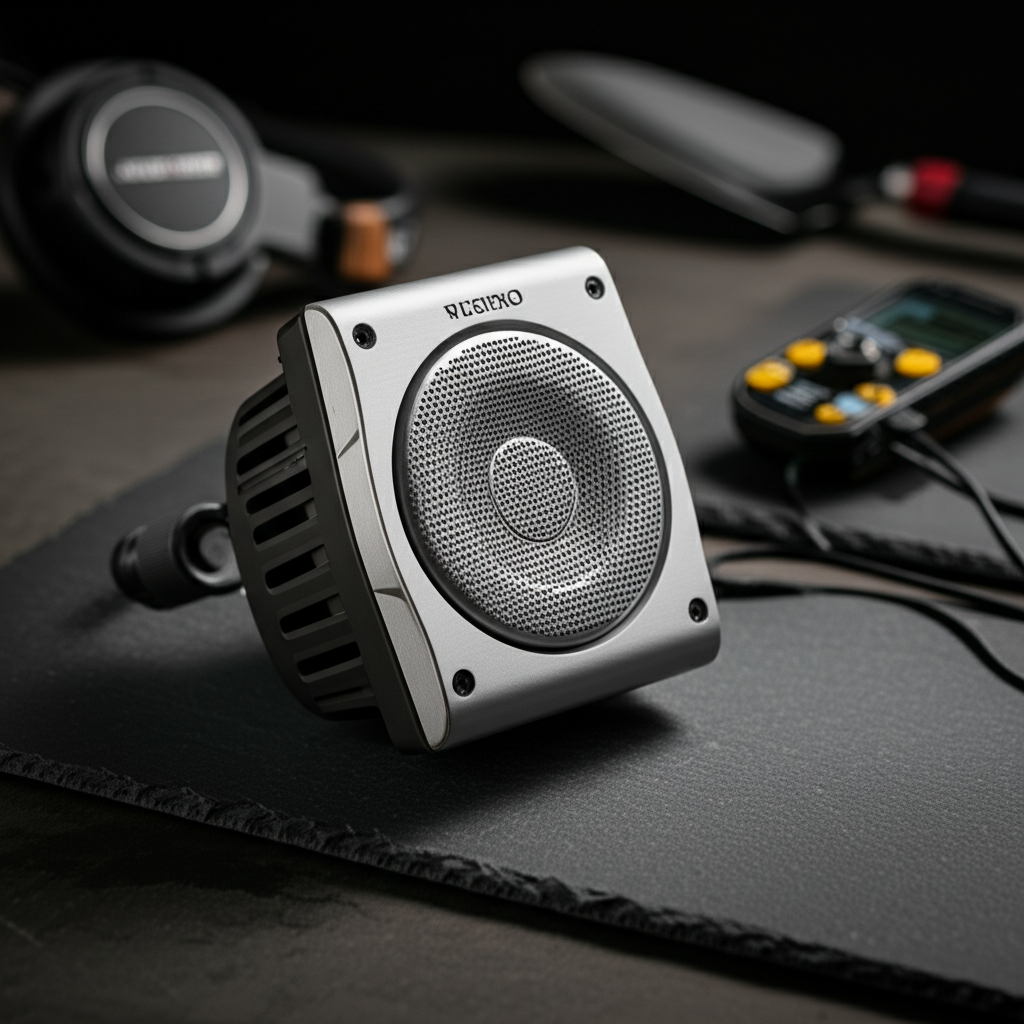
Wired speakers are the most common. They plug into the headphone jack of your metal detector. These are usually simple to use. You just plug them in, and they work. They offer reliable sound without battery issues for the speaker itself.
The cable length can vary. Make sure it’s long enough for comfortable use. You don’t want the cable to get in your way while swinging your coil. These speakers are often very affordable. They provide a solid audio upgrade.
Wireless Bluetooth Speakers
Some modern metal detectors offer Bluetooth. You can pair a wireless speaker with them. This gives you freedom from cables. It’s a very clean setup. No wires to tangle or snag on bushes.
Bluetooth speakers require their own battery. You’ll need to keep them charged. The pairing process is usually straightforward. Check your metal detector’s manual for Bluetooth compatibility. This is a premium option for a tidy detecting experience.
Key Features to Look For
When choosing a metal detector external speaker, several features matter. Sound quality is paramount. Look for speakers that offer clear, crisp audio. Volume control is also essential. You need to adjust the sound to your environment.
Durability is another factor. Metal detecting can be tough on gear. Choose a speaker that can withstand outdoor conditions. Weather resistance is a big plus. Some speakers have a rugged design for this reason.
Sound Quality and Volume
The best speakers will have a good range of tones. They should reproduce the beeps and tones of your detector accurately. You want to hear high tones for small gold and low tones for larger iron. Some speakers have adjustable EQ settings. This lets you fine-tune the sound to your liking.
Maximum volume is important for noisy areas. Check the speaker’s wattage or decibel rating if available. However, don’t just go for the loudest. Clarity is more important than raw volume. A speaker that distorts at high volumes is not helpful.
Durability and Weather Resistance
Your speaker will be out in the elements. Rain, dust, and mud are common. Look for speakers made from tough materials. Many are designed with robust casings. Water-resistant or waterproof ratings are excellent features.
Consider how it attaches. Does it feel secure? You don’t want it falling off your detector. A well-built speaker will last for many detecting adventures. It’s an investment in your hobby.
Connecting Your External Speaker
Connecting an external speaker is usually very simple. Most detectors have a standard 3.5mm headphone jack. You simply plug the speaker’s cable into this port. Make sure the connector is fully inserted.
If you have a wireless Bluetooth speaker, you’ll need to pair it. Turn on Bluetooth on your detector. Then, put your speaker in pairing mode. Follow the instructions for your specific devices. Once paired, they should connect automatically on future uses.
Top Metal Detector External Speaker Brands
Several reputable brands make excellent external speakers for metal detectors. Garrett, Minelab, and Nokta Makro are well-known detector manufacturers. They often offer their own branded accessory speakers. These are usually designed to work perfectly with their detectors.
Other companies specialize in audio accessories for detectors. Brands like Detech and Coiltek also offer quality options. Always check compatibility with your specific metal detector model. Reading reviews can help you choose.
Installation and Mounting Options
Mounting your external speaker depends on its design. Many have a simple clip. You can attach this to your belt, pocket, or the detector shaft. Some speakers are designed to mount directly onto the control box. This offers a more integrated look and feel.
Ensure the speaker is positioned so you can hear it easily. It should not interfere with your swing. If it mounts on the shaft, make sure it’s secure. A loose speaker can be annoying and may fall off.
Troubleshooting Common Issues
Sometimes, you might encounter problems. If you get no sound, check the connections. Is the plug fully inserted? Is the speaker turned on and volume up? For Bluetooth, ensure it’s paired and connected.
If the sound is distorted, try lowering the volume. The speaker might be overloaded. Check your detector’s volume settings too. If one speaker doesn’t work, try it on another detector if possible. This helps determine if the issue is with the speaker or the detector.
Frequently Asked Questions
Q1: Will any external speaker work with my metal detector?
Most metal detectors use a standard 3.5mm headphone jack. So, most wired speakers will work. For wireless, your detector needs Bluetooth capability. Always check compatibility.
Q2: Can I use a portable Bluetooth speaker?
Yes, if your metal detector has Bluetooth, you can connect many portable speakers. Ensure the speaker has a good connection. Some may have a slight delay, which is usually not an issue.
Q3: How do I clean my external speaker?
Use a soft, damp cloth. Avoid harsh chemicals. For weather-resistant speakers, follow the manufacturer’s instructions. Keep the speaker jack clean and dry.
Q4: Is a metal detector external speaker really necessary?
It’s not strictly necessary, but highly recommended. It greatly improves audio clarity. This makes identifying targets much easier and more enjoyable. It’s a worthwhile upgrade for many detectorists.
Q5: Where is the best place to mount an external speaker?
Mount it where you can hear it best. This is often on the detector shaft or control box. Some prefer clipping it to their belt. Experiment to find what works for you.
Q6: What’s the difference between a speaker and headphones?
Headphones provide private listening. They block external noise. Speakers broadcast sound. They allow others to hear and offer more comfort for some users.
Conclusion: Hear More, Find More
Upgrading to a metal detector external speaker is a smart move. It brings clarity and convenience to your treasure hunts. You’ll hear faint signals better. Identifying targets becomes easier. This leads to more successful and enjoyable detecting sessions. Whether you choose a simple wired model or a modern wireless one, the improved audio experience is undeniable. Don’t let weak or unclear sounds hold you back. Invest in a good external speaker and start hearing all the treasures waiting beneath the soil.