


Published on: October 15, 2025 | Updated on: October 15, 2025
Natural Light Plant Office Design: Essential & Stunning Home Office Ideas
Transform your workspace with natural light and plants. This guide shows you how to create a beautiful, productive, and healthy home office. Learn essential tips for a stunning natural light plant office design that boosts your mood and focus.
Working from home has changed how we see our offices. Many of us now spend hours in spaces that used to be spare rooms or corners. Making these spaces feel good is important. A well-designed home office can make you happier and more productive. Natural light and plants are key to this. They make a space feel alive and calming. This article will guide you through creating a stunning natural light plant office design. We will explore how to use sunlight and greenery to make your workspace a joy to be in. Get ready to learn simple steps for a better work environment.
Why Natural Light and Plants Matter for Your Office
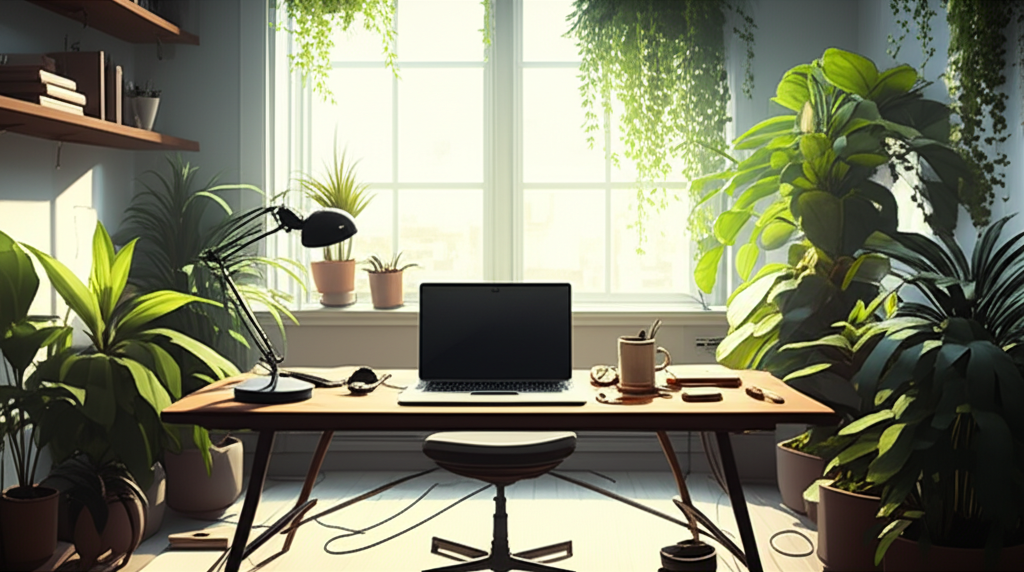
Natural light is like sunshine for your mood. It helps you feel more awake. It can also make your eyes feel less tired. Plants bring life into a room. They clean the air and make spaces feel fresh. Together, natural light and plants create a calming and inspiring office. This makes it easier to focus and do your best work. Your workspace should be a place you enjoy spending time.
The Science Behind a Bright and Green Workspace
Studies show that more natural light can boost your energy. It helps regulate your body’s natural sleep-wake cycle. This means you can feel more alert during the day. Plants also do wonders. They can reduce stress and improve air quality. This is great for your health and focus. A workspace that feels good physically and mentally leads to better results. It’s like giving your brain a healthy boost.
Designing Your Space for Maximum Natural Light
The first step is to understand your room’s light. Where does the sun come in? When is it brightest? Knowing this helps you place your desk. You want to work with the light, not against it. Avoid sitting directly in front of a window. This can cause glare on your screen. Try to position your desk so light comes from the side. This gives you gentle illumination.
Window Placement and Desk Orientation
Your desk’s position is crucial. If you have a window, try placing your desk parallel to it. This way, the light falls on your workspace from the side. It will light up your desk without shining directly into your eyes or onto your computer screen. If your window is directly behind you, the light can create shadows. This might make it harder to see your work. Experiment with angles to find what feels best.
Using Mirrors to Amplify Light
Mirrors are magical for light. They bounce sunlight around the room. Place a mirror opposite a window. It will reflect light deeper into your office. This makes the space feel bigger and brighter. Choose a mirror that fits your style. A large mirror can make a small room feel much more spacious. It’s a simple trick for a brighter feel.
Choosing the Right Window Treatments
Window treatments control how much light enters. Sheer curtains let in soft, diffused light. They still offer privacy. Blinds or shades allow you to adjust the light easily. You can tilt them to direct light or block harsh sun. Avoid heavy, dark curtains. They block too much natural light. We want to welcome that sunshine in.
Integrating Plants for a Calming and Productive Atmosphere
Plants are more than just decoration. They are living things that improve your environment. They add color and texture. They can even help purify the air you breathe. Having plants nearby can make you feel more relaxed. This is great for reducing work stress. A touch of green makes any office feel more welcoming.
Selecting the Best Plants for Your Office
Not all plants need a lot of sun. Some plants thrive in lower light. Snake plants and ZZ plants are good choices. They are easy to care for and don’t need much light. Spider plants and pothos also do well indoors. They can even hang from shelves. Choose plants that fit your office space and your care skills.
Plant Placement: Where to Put Your Green Friends
Think about where your plants will get enough light. Place sun-loving plants near windows. Low-light plants can go in corners or on shelves. Consider the size of the plant. A large plant can be a beautiful focal point. Small plants can sit on your desk or shelves. Grouping plants can create a lush, calming corner.
The Air-Purifying Benefits of Office Plants
Many common houseplants can filter indoor air. They can remove toxins like formaldehyde and benzene. This makes the air you breathe cleaner. Cleaner air can lead to better focus and fewer headaches. It’s like having a natural air purifier working for you. This is a significant benefit for any home office.
Caring for Your Office Plants: Simple Tips
Plant care doesn’t have to be hard. Most office plants need watering only when the soil feels dry. Check the soil with your finger. If it’s dry an inch down, it’s time to water. Most plants don’t like to sit in water. Make sure your pots have drainage holes. Some plants like a little misting.
Creating a Functional and Ergonomic Workspace
A beautiful office is great, but it also needs to be practical. Your workspace should support your body. This means having the right furniture. It should be set up in a way that helps you work comfortably. Ergonomics is about making your workspace fit you. This prevents strain and discomfort.
The Importance of an Ergonomic Chair
Your chair is perhaps the most important piece of furniture. An ergonomic chair supports your back. It should allow your feet to rest flat on the floor. Your arms should be at a comfortable angle on your desk. Look for adjustable height and back support. This will help you sit comfortably for long periods.
Standing Desks: A Modern Solution
Standing desks are becoming very popular. They allow you to switch between sitting and standing. This can be great for your health. It reduces prolonged sitting. Many standing desks are adjustable. You can easily change the height. This makes them very versatile.
Desk Setup for Productivity and Comfort
Arrange your desk so everything is within easy reach. Your monitor should be at eye level. This prevents neck strain. Keep your keyboard and mouse close. Use a footrest if your feet don’t reach the floor. A well-organized desk reduces distractions. It makes it easier to find what you need.
Lighting Beyond Natural Light: Complementary Solutions
While natural light is best, you’ll need other lights too. These lights complement the natural light. They are especially useful for evenings or cloudy days. Good artificial lighting prevents eye strain. It also helps maintain your energy levels. Layering light makes your office versatile.
Task Lighting for Focused Work
Task lighting is focused light for your work area. A desk lamp is a good example. It provides direct light on your papers or keyboard. Choose a lamp with an adjustable arm. This lets you direct the light where you need it. Warm light is often more relaxing. Cool light can help with focus.
Ambient Lighting for Overall Brightness
Ambient lighting provides general illumination for the room. This could be a ceiling light or a floor lamp. It fills the room with a soft glow. It makes the space feel more comfortable. This light should be gentle, not harsh. It helps prevent shadows.
The Benefits of Dimmable and Adjustable Lights
Lights that you can dim are very useful. You can adjust the brightness for different tasks. You can make it brighter for work. You can dim it for a more relaxed feel. Lights with adjustable color temperature are also great. You can choose warm light for winding down. You can choose cool light for focus.
Smart Storage Solutions for a Clutter-Free Office
A tidy office is a productive office. Clutter can be distracting. It can make a space feel smaller and more stressful. Smart storage keeps things organized and out of sight. This creates a calm and focused environment. It also makes your workspace look much nicer.
Vertical Storage: Shelves and Wall Units
Use the vertical space in your office. Wall shelves can hold books, supplies, and decor. A tall bookshelf can store a lot without taking up much floor space. Wall-mounted organizers can keep small items tidy. This is especially useful in smaller offices.
Desk Organizers and Drawer Inserts
Keep your desk surface clear. Use desk organizers for pens, notepads, and other essentials. Drawer inserts help you sort items within drawers. This makes it easy to find things quickly. Small bins and trays can also help. They keep everything in its place.
Hidden Storage: Cabinets and Baskets
Closed storage is great for hiding less attractive items. A small filing cabinet can store important documents. Baskets can hold blankets, chargers, or extra supplies. They add a decorative touch while keeping things tidy. These solutions help maintain a clean look.
Décor Styles that Enhance Natural Light and Plants
The style of your office can greatly impact its feel. Some styles work better with natural light and plants. They enhance the brightness and the natural elements. Think about colors, textures, and materials. These choices all play a role in the overall design.
Minimalist Design for Clarity and Focus
Minimalist design focuses on simplicity. It uses clean lines and a neutral color palette. This style works wonderfully with natural light. It doesn’t clutter the space. This allows the light and plants to stand out. A minimalist office feels calm and organized.
Biophilic Design: Connecting with Nature Indoors
Biophilic design is all about bringing nature indoors. It uses natural materials like wood and stone. It incorporates plants and natural light. This design style aims to connect us with nature. It promotes well-being and reduces stress. It’s a perfect fit for a natural light plant office.
Color Palettes that Maximize Light and Calm
Light colors reflect light. Whites, creams, and soft pastels make a room feel brighter. They also create a sense of calm. Use these colors for your walls and larger furniture pieces. You can add pops of color with plants or accessories. This keeps the space feeling open and airy.
Bringing It All Together: Your Stunning Natural Light Plant Office Design
Now, let’s combine everything we’ve learned. The goal is a space that feels good to be in. It should be bright, green, and comfortable. It should help you work better. Think about how you use your office. What do you need to feel productive and happy?
Creating a Mood Board for Inspiration
Before you start buying things, create a mood board. Collect pictures of offices you like. Look for ideas for lighting, plants, and furniture. This will help you visualize your dream office. It’s a great way to plan your natural light plant office design.
Step-by-Step to Your Ideal Workspace
1. Assess your current space: Look at your windows and light.
2. Position your desk: Find the best spot for natural light.
3. Choose ergonomic furniture: Select a comfortable chair and desk.
4. Add plants: Pick plants that suit your light and care level.
5. Plan your lighting: Add task and ambient lights.
6. Organize your storage: Declutter and tidy up.
7. Decorate: Add personal touches that inspire you.
The Long-Term Benefits of a Well-Designed Office
Investing time in your home office pays off. A natural light plant office design can boost your productivity. It can improve your mood and reduce stress. It can even lead to better health. This is a space where you can thrive. It’s an investment in yourself and your work.
Frequently Asked Questions about Natural Light Plant Office Design
How much natural light is ideal for an office?
Ideally, you want plenty of natural light. Position your desk to use it without glare. Even a few hours of good light can make a difference.
What are the best plants for a low-light office?
Great low-light plants include Snake Plants, ZZ Plants, and Pothos. They are forgiving and can tolerate less light.
Can I use artificial plants if I can’t care for real ones?
Yes, artificial plants can add greenery. However, they don’t offer the air-purifying benefits of real plants. They can still enhance the visual appeal.
How can I reduce glare from my window on my computer screen?
Position your desk so the light comes from the side. You can also use blinds or curtains to control light. Anti-glare screen protectors are another option.
What is the best color for an office to maximize light?
Light colors like white, pale gray, and soft pastels are best. They reflect light, making the space feel brighter and larger.
Should my desk face the window or be against a wall?
Facing the window can be nice, but watch for glare. Facing away from the window but with it to your side is often best. Experiment to see what feels right for you.
Conclusion: Embrace the Light and Greenery for a Better Workday
Creating a natural light plant office design is more than just decorating. It’s about building a workspace that supports your well-being and productivity. By thoughtfully arranging your desk to capture natural light, strategically placing plants, and ensuring comfortable ergonomics, you can transform a simple room into an inspiring haven. Remember to layer in complementary artificial lighting and implement smart storage solutions to keep your space functional and serene. Embrace these principles to design a home office that not only looks stunning but also helps you feel energized, focused, and happy every single workday.
