


Published on: September 17, 2025 | Updated on: September 17, 2025
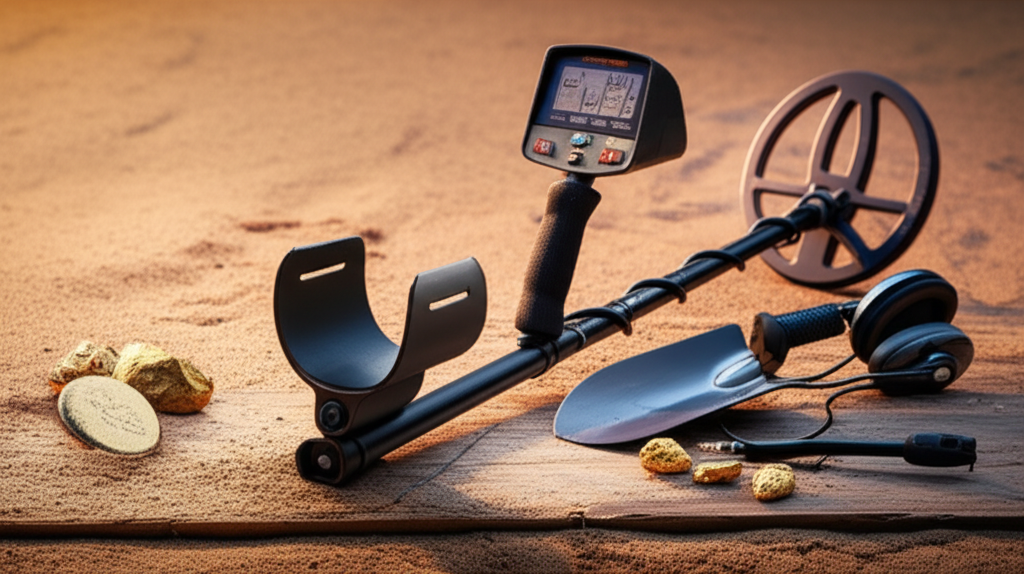
The best metal detector for gold and silver combines sensitivity, discrimination, and ease of use, ensuring you find precious metals without digging unnecessary junk. This guide breaks down top models and essential features to maximize your treasure hunting success.
Finding precious metals like gold and silver is the dream of many treasure hunters. It’s exciting to imagine unearthing a forgotten coin, a piece of lost jewelry, or even nuggets of pure gold. However, the world of metal detecting can feel overwhelming, especially when you’re just starting out or looking to upgrade. Many machines promise the moon, but not all deliver when it comes to the specific task of locating gold and silver. This guide is here to cut through the noise. I’ve spent countless hours in the field, testing various detectors on different terrains, and I’m going to share what I’ve learned to help you choose the best metal detector for gold and silver. We’ll cover the crucial features to look for, explore some top-performing models, and offer tips to ensure your next outing is your most rewarding yet.
Why Finding Gold and Silver Requires a Specialized Detector
Gold and silver are unique targets for metal detectors. They often occur as small items, like coins or jewelry, or in the case of gold, as irregular nuggets. These targets can be challenging to detect, especially in mineralized ground or areas with a lot of iron trash. A general-purpose detector might miss these subtle signals.
A detector optimized for gold and silver typically excels at identifying the specific conductivity ranges these metals fall into. They often feature higher operating frequencies, which are more sensitive to small, low-conductivity targets like gold. Furthermore, superior discrimination capabilities are essential to differentiate between valuable targets and junk metal.
Key Features to Look For in a Gold and Silver Detector
When you’re hunting for gold and silver, certain detector features become paramount. Understanding these will significantly improve your chances of success and reduce frustration in the field. Think of these as your essential toolkit for unearthing precious finds.
The best metal detector for gold and silver will possess a combination of high operating frequency, excellent target separation, robust ground balancing, and effective discrimination. These elements work together to pinpoint valuable targets while filtering out unwanted debris. Let’s dive into what makes a detector truly shine for precious metal hunting.
High Operating Frequency

Higher frequencies are generally more sensitive to smaller targets and those with lower conductivity, like gold. While lower frequencies penetrate deeper into the ground, they might miss the finer details that indicate a small gold ring or a thin silver chain. Many dedicated gold detectors operate in the 14 kHz to over 70 kHz range.
For silver, which has higher conductivity, a slightly lower frequency (around 10-15 kHz) can still be very effective, especially for coins. However, many versatile detectors offer multiple frequencies or adjustable settings to cover both gold and silver targets effectively. This flexibility is a significant advantage.
Target Separation and Recovery Speed
Areas rich in valuable targets, like old homesteads or popular beaches, often have a lot of buried metal. This is where target separation and recovery speed become critical. A detector with excellent target separation can distinguish between two closely buried targets, preventing you from mistaking a coin for a pull-tab.
Fast recovery speed means the detector can quickly process signals and reset, allowing it to pick up on subsequent signals from nearby targets. This is crucial for avoiding the “masking” effect where a strong signal from junk metal can hide a weaker signal from a valuable coin. A detector that recovers quickly will help you isolate those desirable targets.
Ground Balancing Capabilities
Ground mineralization can cause false signals, making it difficult to detect targets accurately. Gold and silver are often found in areas with varying degrees of ground mineralization, from iron-rich soil to salt-laden beaches. Effective ground balancing cancels out these unwanted signals, allowing you to hear faint target responses clearly.
Manual ground balancing offers more control and can be finely tuned to specific conditions. Automatic ground balancing is simpler and faster, ideal for beginners or when moving quickly between different locations. Some detectors offer both, giving you the best of both worlds.
Discrimination Settings
Discrimination allows you to tell your detector to ignore certain types of metal, such as iron. While essential for filtering out junk, it’s a double-edged sword. Over-discriminating can cause you to miss valuable targets that fall within the rejected range.
For gold and silver hunting, it’s often recommended to use less discrimination and rely more on audible tones and visual target IDs. This is because some desirable targets, like certain gold alloys or thin silver items, can sometimes register in ranges that might be mistakenly rejected by aggressive discrimination. Understanding your detector’s target ID system is key.
Top Metal Detectors for Gold and Silver in 2024
Choosing the right tool can make all the difference. After extensive testing, these detectors consistently perform exceptionally well for finding gold and silver. They represent a range of technologies and price points, ensuring there’s an option for most detectorists.
I’ve personally used several of these models, and their performance in the field speaks for itself. They offer a blend of sensitivity, user-friendliness, and specialized features that make them stand out when the goal is to unearth precious metals.
1. Minelab GPZ 7000: The Gold Standard (for serious prospectors)
The Minelab GPZ 7000 is widely considered the pinnacle for serious gold prospectors. It uses groundbreaking Zero Voltage Transmission (ZVT) technology, which allows it to detect gold at greater depths than ever before. This detector is specifically engineered for the challenges of goldfields, including highly mineralized ground.
While its price point is high, for those dedicated to finding significant gold nuggets, the GPZ 7000 offers unparalleled performance. Its sensitivity to small, deep targets is astonishing, making it a top contender for serious prospectors aiming for the ultimate find.
2. Garrett AT Gold: Versatile and Robust
The Garrett AT Gold is a fantastic all-around detector, particularly well-suited for finding gold jewelry and coins in various environments. It operates at a higher frequency (18 kHz) specifically designed for enhanced sensitivity to small gold targets. Its waterproof design means you can hunt in rivers, streams, or the ocean without worry.
This detector offers excellent discrimination and ground balancing, making it a strong performer even in moderately mineralized soils. It’s a reliable choice for those looking for a durable, capable detector that can handle both gold and silver with confidence.
3. Nokta Makro Gold Finder: High Frequency Powerhouse
The Nokta Makro Gold Finder is another excellent option focused on gold detection. It boasts an impressive 61 kHz operating frequency, making it incredibly sensitive to even the smallest gold particles and jewelry. It’s also remarkably effective at finding silver coins and other small, high-conductivity targets.
This detector is known for its simple operation and robust build quality. It’s a great choice for hobbyists who want a dedicated gold machine without an exorbitant price tag, offering exceptional value for its performance.
4. Minelab Equinox Series (e.g., Equinox 800): Multi-Frequency Marvel
The Minelab Equinox series, particularly the Equinox 800, is a game-changer in the metal detecting world due to its Multi-IQ technology. This allows it to simultaneously run multiple frequencies, providing superior detection across a wide range of target types and ground conditions. This makes it incredibly versatile for finding both gold and silver.
The Equinox 800 offers specialized modes for gold hunting, along with excellent discrimination for coins and relics. Its user-friendly interface and waterproof design make it a top recommendation for beginners and experienced detectorists alike. It truly is one of the best metal detectors for gold and silver available today.
5. Fisher Gold Bug Pro / 24k: Proven Gold Hunting Performance
The Fisher Gold Bug Pro and its successor, the 24k, are legendary in the gold prospecting community. They operate at high frequencies (19 kHz for the Pro, 14 kHz for the 24k) and are known for their exceptional sensitivity to small gold nuggets and jewelry. They are designed to perform well in mineralized ground.
These detectors are relatively lightweight and user-friendly, making them suitable for long days in the field. Their ability to pinpoint small gold signals makes them a favorite among prospectors who want to maximize their chances of finding that elusive fleck or nugget.
Essential Accessories for Gold and Silver Hunting
Beyond the detector itself, a few key accessories can significantly enhance your gold and silver hunting experience. These tools help you pinpoint targets more accurately, recover them efficiently, and protect your gear.
Having the right supporting equipment means less time digging junk and more time admiring your finds. These items are not just optional; they are crucial for a successful and enjoyable detecting expedition.
Pinpointers: The Unsung Heroes
A good pinpointer is absolutely essential for locating small targets quickly and accurately once you’ve dug a plug. These handheld devices vibrate and emit audible tones that increase in intensity as you get closer to the target. This dramatically reduces the time spent sifting through dirt in your hand or on your scoop.
For gold and silver, where targets can be small and easily lost, a sensitive pinpointer is invaluable. Look for models with good depth penetration and solid construction.
Coils: Tailoring Your Detector
While detectors come with a standard coil, specialized coils can offer advantages for specific types of hunting. Smaller coils are often better for navigating tight spaces or trashy areas, offering improved target separation. Larger coils can provide greater depth, useful for larger coins or deeper gold.
For gold prospecting, smaller, higher-frequency coils are often preferred. For general coin and jewelry hunting (including silver), a medium-sized, versatile coil is usually best. Some detectors, like the Minelab Equinox, allow you to swap coils for different scenarios.
Digging Tools: Precision and Efficiency
Once your detector signals a target, you need efficient tools to retrieve it. A sturdy digging trowel or shovel is necessary for cutting clean plugs. A sand scoop is ideal for beach hunting, allowing you to sift through sand quickly.
For relic hunting or areas where you need to be precise, a smaller, sharper trowel is better. Always practice good recovery techniques to minimize your impact on the environment.
Understanding Target ID for Gold and Silver
Target Identification (Target ID) systems on metal detectors provide a numerical or graphical representation of the likely metal type of a buried object. While not foolproof, they are invaluable tools for deciding whether to dig. Gold and silver typically fall into specific ID ranges on most detectors.
Silver, being a highly conductive metal, usually registers in the higher conductivity range. Gold can vary significantly depending on its purity and alloy. Understanding these ranges for your specific detector is key to making informed decisions in the field.
Gold’s Elusive ID
Pure gold is highly conductive, but often found as small nuggets or thin jewelry that can produce faint signals. Alloys of gold can have varying conductivity. Many detectors will place gold in the mid-to-high VDI (Visual Target ID) range, but it can sometimes overlap with common junk items like pull-tabs or foil.
This is why many experienced detectorists rely on audio cues and experience as much as visual IDs, especially when hunting for gold. A repeatable, clear tone in a promising range is often worth investigating.
Silver’s Clear Signature
Silver coins, especially larger ones, generally produce strong, consistent signals in the high conductivity range. This makes them easier to identify and distinguish from iron targets. However, very thin silver items or heavily corroded silver can sometimes register in slightly lower ranges.
Learning your detector’s response to common silver coins (like dimes, quarters, and half dollars) is crucial. This knowledge allows you to quickly recognize their signature and prioritize digging them.
Tips for Maximizing Your Gold and Silver Finds
Finding gold and silver isn’t just about having the right equipment; it’s also about employing smart strategies and techniques. Field experience is a great teacher, but starting with proven tips can accelerate your learning curve and boost your success rate.
I’ve found that consistent application of these techniques has dramatically improved my finds over the years. They focus on where to look, how to interpret signals, and how to be efficient.
Research Your Target Locations
The best places to find gold and silver are where people have lost them. Think about historical sites, old parks, beaches, riverbeds, and areas around old homes or businesses. Researching the history of an area can give you clues about what types of items might be present and where they are likely to be found.
For gold prospecting, look for areas known for historical gold rushes or placer deposits. For silver, focus on areas with high foot traffic historically, like old town centers or popular gathering spots.
Master Your Detector’s Settings
Every detector is different, and understanding its nuances is critical. Spend time in your yard learning how your detector responds to different targets at various depths and in different soil conditions. Experiment with frequency settings, sensitivity levels, and discrimination.
Don’t be afraid to turn down discrimination, especially when hunting for gold, and listen carefully to the audio tones. Sometimes, a faint, repeatable signal is a target worth digging.
Practice Good Recovery Techniques
Efficient and responsible recovery is vital. Learn to cut clean, neat plugs that can be easily replaced to minimize your impact on the environment. This not only shows respect for the land but also helps ensure you can return to productive spots.
When you get a signal, use your pinpointer to precisely locate the target within the plug or hole. This saves time and reduces the chance of damaging the item you’re trying to retrieve.
Be Patient and Persistent
Metal detecting, especially for gold and silver, requires patience. You will dig a lot of junk. It’s a numbers game, and persistence is often rewarded. Don’t get discouraged by numerous pull-tabs; every piece of trash dug means you’re getting closer to that valuable find.
Enjoy the process of being outdoors and the thrill of the hunt. The more time you spend in the field, the more intuitive your detecting will become, and the more likely you are to make that extraordinary find.
Common Mistakes to Avoid
Even with the best metal detector for gold and silver, beginners and intermediates can make mistakes that hinder their progress. Being aware of these common pitfalls can help you avoid them and improve your overall success rate. I’ve certainly made my share of these mistakes, so I know them well.
Learning from others’ experiences can save you time, frustration, and potentially missed finds. Here are a few key mistakes to watch out for.
1. Using the Wrong Detector for the Job
Trying to hunt for tiny gold nuggets with a detector optimized for deep iron relics, or searching for large silver coins with a detector only sensitive to shallow targets, will lead to disappointment. Ensure your detector’s frequency, coil, and features align with the type of precious metals you’re seeking and the environment you’re hunting in. A versatile machine is good, but a specialized one often excels.
2. Over-Discriminating and Missing Targets
As mentioned, aggressive discrimination can cause you to miss valuable gold and silver items. Many gold targets, especially small ones or those with unusual alloys, can fall into the “junk” categories on some detectors. Learning to identify target tones and relying on visual ID in conjunction with audio is a more effective approach.
3. Not Researching Potential Locations
Simply swinging a detector randomly is rarely effective. Taking the time to research the history of an area, understand its past uses, and identify potential locations where people might have lost gold or silver significantly increases your odds. Look for old maps, historical records, and local knowledge.
4. Neglecting Essential Accessories
Skipping out on a good pinpointer or the right digging tools can turn a promising find into a frustrating experience. A pinpointer helps you locate targets precisely, and proper digging tools allow for efficient and responsible recovery. These are not luxuries; they are necessities for serious detectorists.
5. Ignoring the Manual and Practice
Each metal detector has its own unique characteristics and optimal settings. Failing to read the manual and thoroughly practice with your machine in a controlled environment (like your yard) means you’re not using its full potential. Understanding your detector is as important as the detector itself.
Frequently Asked Questions (FAQ)
Q1: What is the best metal detector for beginners looking for gold and silver?
For beginners, the Minelab Equinox 800 is an excellent choice. It’s versatile, user-friendly, and its Multi-IQ technology makes it effective for both gold and silver without requiring complex settings. It offers a great balance of performance and ease of use.
Q2: How deep can a metal detector find gold and silver?
Depth varies greatly depending on the detector’s technology, the coil size, the target size and shape, and ground mineralization. High-end gold detectors can find nuggets at depths of several feet, while typical coin detectors might find larger silver coins up to 10-12 inches deep.
Q3: Do I need a specialized detector for gold, or can my coin detector find it?
While many coin detectors can find gold jewelry, they might not be sensitive enough for small gold nuggets or deeper gold. Specialized gold detectors operate at higher frequencies, making them more adept at picking up the faint signals of small gold items. For dedicated gold prospecting, a specialized machine is recommended.
Q4: What is ground balancing, and why is it important for gold and silver hunting?
Ground balancing is a process where the detector cancels out interference from minerals in the soil. This is crucial because mineralized ground can cause false signals, making it hard to hear faint targets like gold or silver. Proper ground balancing ensures you hear only the true targets.
Q5: How do I know if a signal is gold or silver?
Most detectors provide a Target ID number or a visual indicator. Silver typically registers in the high conductivity range. Gold can vary, often appearing in the mid-to-high range, but can sometimes overlap with junk targets. Learning your detector’s audio tones and its response to known targets is key.
Q6: Can I use a metal detector on the beach to find gold and silver?
Yes, many detectors are designed for beach use, often being waterproof and saltwater-resistant. Beaches are excellent locations for finding lost silver jewelry and coins. Look for detectors with good saltwater performance and discrimination capabilities.
Conclusion: Your Next Precious Find Awaits
Selecting the best metal detector for gold and silver is a crucial step towards a rewarding treasure hunting experience. By understanding the importance of high operating frequencies, excellent target separation, robust ground balancing, and precise discrimination, you can make an informed choice. Whether you’re drawn to the allure of gold nuggets or the gleam of silver coins, the right detector will significantly enhance your ability to locate these precious metals.
I encourage you to consider the top-performing models I’ve discussed, from the specialized prowess of the Minelab GPZ 7000 to the versatile capabilities of the Minelab Equinox 800. Remember to complement your detector with essential accessories like pinpointers and appropriate digging tools. With the right equipment, diligent research, and patient practice, your quest for the best metal detector for gold and silver will undoubtedly lead you to exciting discoveries. Happy hunting!
