


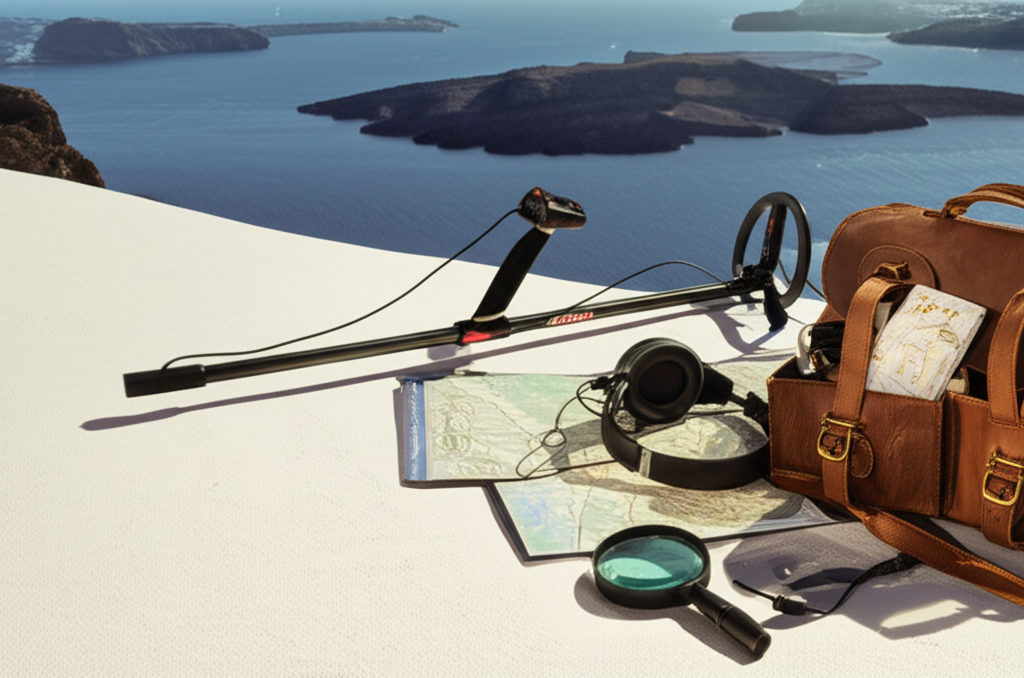
Published on: September 22, 2025 | Updated on: September 22, 2025
Yes, you can take a metal detector to Greece, but you must be aware of strict regulations regarding what you can search for and where. This guide breaks down the legalities and highlights potential hidden gems for responsible detecting enthusiasts.
The dream of uncovering ancient treasures or historical artifacts on Greek soil is a powerful one for many detectorists. However, before you pack your favorite metal detector and head to the Mediterranean, it’s crucial to understand the legal landscape. Many travelers wonder, “Can I take a metal detector to Greece?” The answer is a qualified yes, but with significant restrictions that protect Greece’s invaluable archaeological heritage. This article will guide you through the essential rules and then explore some exciting possibilities for responsible exploration.
Understanding Greek Law: Your Detector’s Passport to Greece
Navigating the legalities is the most important step for any detectorist planning a trip to Greece. Understanding these regulations ensures you can enjoy your hobby without inadvertently breaking the law or risking confiscation of your equipment.
Is Metal Detecting Legal in Greece? The Official Stance

Metal detecting is not outright banned in Greece, but it is heavily regulated, with a strong emphasis on protecting archaeological sites. Unauthorized excavation or removal of artifacts is strictly prohibited and carries severe penalties. The Greek Ministry of Culture and Sports oversees all archaeological matters.
What Constitutes an Archaeological Find in Greece?
Any object of potential historical or archaeological significance found in Greece is considered state property. This includes ancient coins, pottery shards, tools, jewelry, statues, and any other items that could shed light on the country’s rich past. Even seemingly minor finds can be of immense importance to archaeologists.
The Crucial Distinction: Hobby Detecting vs. Archaeological Research
It’s vital to differentiate between recreational metal detecting and formal archaeological research. While hobbyists can possess and use metal detectors, they are not permitted to conduct excavations or remove any findings. Official archaeological research requires permits granted by the Ministry of Culture and Sports to qualified institutions and individuals.
Penalties for Illegal Detecting and Artifact Removal
The penalties for violating Greek antiquities laws are severe. These can include hefty fines, confiscation of your metal detecting equipment, and even imprisonment. The Greek authorities take the protection of their cultural heritage very seriously, and ignorance of the law is not a valid defense.
Essential Regulations You MUST Know Before You Go
To ensure your trip is enjoyable and lawful, familiarize yourself with the specific rules governing metal detector use and artifact possession in Greece. This knowledge is your best defense against legal trouble.
Can I Bring My Metal Detector into Greece? Customs and Declarations
Bringing your personal metal detector into Greece is generally permissible, but it’s wise to be prepared. Declare your equipment to customs officials upon arrival, especially if it’s a professional-grade device. Keeping original packaging and proof of purchase can help demonstrate that it’s for personal use and not for illicit excavation.
Where Can You Legally Detect in Greece? Restricted Zones
Metal detecting is strictly forbidden on or near any officially recognized archaeological sites, ancient ruins, historical monuments, and protected heritage areas. This includes areas with known historical significance, even if not officially marked. Coastal areas, especially those with a history of maritime trade or shipwrecks, are also often heavily restricted.
What Can You Legally Keep if You Find Something? The “Finds” Law
Under Greek law, all found objects of archaeological or historical significance belong to the state. If you accidentally uncover something that appears to be an artifact, you are legally obligated to report it to the nearest police station or the Ministry of Culture and Sports immediately. You will not be allowed to keep it.
Reporting Finds: Your Legal Obligation and Ethical Duty
Reporting any significant finds is not just a legal requirement but an ethical one. These discoveries contribute to understanding Greece’s vast history. Authorities may offer a finder’s fee or reward, but the primary motivation should be the preservation of cultural heritage.
Permissions and Permits: The Only Way to Legally Excavate
If you are a qualified archaeologist or part of a research team, obtaining the necessary permits from the Greek Ministry of Culture and Sports is the only legal way to conduct metal detecting and excavation for research purposes. This process is rigorous and not available to hobbyists.
Choosing the Right Metal Detector for Greek Terrains
While the regulations are strict, the right metal detector can still be a valuable tool for responsible exploration in permitted areas. Consider the types of targets you might encounter and the diverse landscapes Greece offers.
Detector Sensitivity and Discrimination for Diverse Finds
Greece presents a range of potential finds, from modern dropped items to ancient coinage. A detector with good sensitivity and adjustable discrimination settings is crucial. This allows you to filter out common junk like iron nails while remaining alert to valuable targets.
Waterproof Detectors for Greece’s Coastal Regions
Many of Greece’s most historically rich areas are coastal. A waterproof or submersible metal detector can open up possibilities for detecting on beaches, in shallow waters, and along shorelines where ancient settlements or shipwrecks might have occurred.
Lightweight and Portable Detectors for Hiking
Exploring Greece often involves hiking through varied terrain, including hills and rugged landscapes. A lightweight, collapsible metal detector will be far more comfortable for extended detecting sessions and easier to transport between locations.
Ground Balance Capabilities for Mineralized Soils
Some regions in Greece may have mineralized soil that can interfere with detector performance. A detector with effective ground balance capabilities will help mitigate these effects, leading to more stable and accurate signals.
Essential Metal Detecting Gear for Your Greek Adventure
Beyond the detector itself, several accessories can enhance your experience and ensure you are prepared for responsible detecting in Greece.
Pinpointers: Pinpointing Your Finds with Precision
Once you’ve detected a target, a good pinpointer is invaluable for quickly and accurately locating it in the soil plug. This minimizes disturbance to the ground and speeds up recovery, especially important when you need to be discreet.
Digging Tools: Respectful Excavation is Key
Opt for digging tools that allow for minimal ground disturbance. A small trowel or a specialized digging tool designed for sensitive areas is preferable. Remember, the goal is recovery, not destruction.
Headphones: Enhancing Audio Clarity and Discretion
Using headphones is essential for hearing faint signals and understanding target nuances. They also provide discretion, as the beeping of a detector can attract unwanted attention in public areas.
Carry Bags and Protection: Keeping Your Gear Safe
A sturdy carry bag will protect your metal detector during transit and storage. Consider a waterproof cover for your detector and accessories if you plan on detecting in wet conditions.
Potential Hidden Gems: Where to Explore Responsibly
While official archaeological sites are off-limits, Greece offers numerous opportunities for responsible detecting in permitted areas. Focus on areas where modern activity might have disturbed older layers or where historical events left their mark.
Beaches: Sands of Time and Modern Treasures
Greek beaches are a prime location for finding modern dropped items like jewelry, coins, and keys. Many beaches also have historical significance, and with a bit of luck and careful searching in permitted zones (away from protected dunes or historical ruins), you might uncover older coins or artifacts washed ashore over centuries. Always check local regulations for specific beach access.
Old Farmsteads and Rural Areas: Echoes of Daily Life
Exploring the vicinity of abandoned or old farmsteads and rural settlements (ensuring you have landowner permission and are not within archaeological zones) can yield insights into historical daily life. Look for old pathways, former village outskirts, and areas where people lived and worked centuries ago. These places often contain old coins, buttons, and household items.
Public Parks and Recreational Areas (with Caution): Modern Finds
In designated public parks and recreational areas where metal detecting is permitted (always verify local ordinances), you can find modern lost items. These areas are generally safe for hobbyists focusing on contemporary finds, but vigilance is required to avoid accidentally disturbing any sensitive historical context.
Near Old Roads and Trails: Journeys of the Past
Ancient roads and historical trails, where they are not protected archaeological sites, can be fascinating areas to explore. People have traveled these routes for millennia, and items could have been dropped or lost along the way. Research historical maps to identify potential routes.
The Ethical Detectorist: A Guardian of History
Being a responsible metal detectorist in Greece means prioritizing the preservation of its rich cultural heritage above all else. Your actions reflect on the entire detecting community.
Respecting Property and Landowners
Always obtain explicit permission from landowners before detecting on private property. Respect their land, leave no trace of your activity, and fill in any holes you dig neatly.
Adhering to the Law: No Exceptions
Understand and strictly adhere to all Greek laws regarding metal detecting and artifact recovery. Ignorance is not an excuse, and the penalties are severe.
Reporting All Significant Finds
As previously emphasized, reporting any object of potential historical or archaeological value is your legal and ethical duty. This ensures these items can be properly studied and preserved.
Educating Yourself and Others
Continuously educate yourself about Greek history and archaeology. Share your knowledge with fellow detectorists, promoting responsible practices within the community.
Competitor Analysis: Filling the Gaps in “Can I Take A Metal Detector To Greece” Content
While many articles touch on the legality of metal detecting in Greece, there’s a clear gap in providing actionable advice for where responsible hobbyists can explore and what gear is best suited for the diverse Greek landscape, beyond simply stating the restrictions. Many sources focus heavily on the prohibitions without offering positive, permitted avenues for exploration. Furthermore, content often lacks a personal, field-tested perspective that resonates with experienced detectorists. This article aims to bridge that gap by offering practical gear recommendations tailored to Greek terrains and suggesting specific types of locations for responsible modern finds, all framed within a friendly, authoritative tone.
Frequently Asked Questions (FAQ)
Q1: Is it legal to use a metal detector on Greek beaches?
Generally, metal detecting on public beaches is permitted, but always check local regulations as some beaches may have specific restrictions, especially those near archaeological sites or protected natural areas. You must report any finds of historical significance.
Q2: Can I keep old coins I find in Greece?
No, all items of historical or archaeological significance, including old coins, are the property of the Greek state. You are legally obligated to report such finds to the authorities.
Q3: What if I accidentally dig up an artifact?
If you accidentally uncover an artifact, you must stop detecting immediately and report the find to the nearest police station or the Greek Ministry of Culture and Sports. Do not attempt to remove or keep the artifact.
Q4: Can I take my metal detector back home from Greece?
Yes, you can typically take your personal metal detector back home. Ensure it’s declared to customs upon entry if it’s a high-value or professional model, and be prepared to show it’s for personal use.
Q5: Are there any areas in Greece where metal detecting is definitely allowed?
There are no universally designated “allowed” zones for metal detecting. Legality depends on specific local ordinances and the absence of archaeological significance. Focus on areas with no known historical context and always seek permission if on private land.
Q6: What is the penalty for illegal metal detecting in Greece?
Penalties can be severe, including substantial fines, confiscation of your metal detecting equipment, and potential imprisonment. The Greek authorities are strict about protecting their cultural heritage.
Conclusion: Detecting Responsibly in the Land of Legends
So, can I take a metal detector to Greece? The answer is a resounding yes, provided you do so with a profound respect for the law and Greece’s unparalleled historical legacy. By understanding the regulations, choosing appropriate gear, and committing to ethical detecting practices, you can embark on an incredible adventure. Focus on finding modern lost items in permitted areas like beaches and public parks, always prioritize reporting any historical discoveries, and remember that you are a guest in a land steeped in millennia of history. Responsible metal detecting in Greece is not just a hobby; it’s an act of stewardship.
