


Published on: October 1, 2025 | Updated on: October 1, 2025
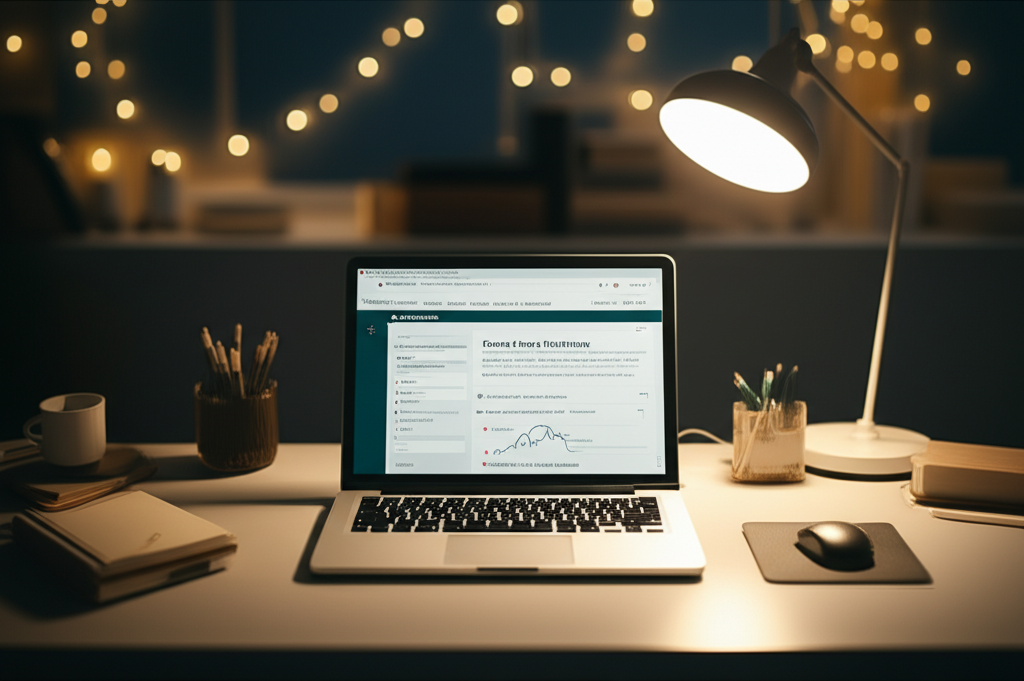
Discover brilliant and affordable ways to illuminate your home office, transforming your workspace into a productive and inviting sanctuary without breaking the bank. These essential, genius tips cover everything from maximizing natural light to smart artificial solutions that boost focus and well-being.
Your home office lighting can dramatically impact your productivity and mood. Poor lighting can lead to eye strain, headaches, and a general sense of lethargy, hindering your ability to focus and get work done. Many people assume that good lighting requires a significant investment, but this simply isn’t true. With a few smart choices and a bit of creativity, you can achieve a beautifully lit and functional workspace on a budget. Let’s explore how to brighten your workday without dimming your wallet.
Contents
- 1 The Crucial Role of Lighting in Your Home Office
- 2 Maximizing Natural Light: Your Free and Best Illumination Source
- 3 Essential Artificial Lighting: Layering for Success
- 4 Smart Bulb Choices: Energy Efficiency Meets Affordability
- 5 Budget-Friendly Fixture Finds: Stylish and Functional Solutions
- 6 Leveraging Smart Technology on a Budget
- 7 Utilizing Natural Light and Desk Accessories
- 8 The Impact of Lighting on Productivity and Well-being
- 9 Expert Tips for Cheap Home Office Lighting Ideas
- 10 Frequently Asked Questions About Home Office Lighting
- 11 Conclusion: Illuminating Your Path to a Better Workspace
- 12 Author
The Crucial Role of Lighting in Your Home Office

Effective home office lighting is more than just aesthetics; it’s fundamental to your well-being and performance. The right illumination combats eye fatigue, improves concentration, and can even influence your overall mood and energy levels throughout the day. Understanding the types of light and how they interact with your workspace is the first step toward creating an environment that supports your best work.
Maximizing Natural Light: Your Free and Best Illumination Source
Nature provides the most beautiful and beneficial light, and it’s completely free. Harnessing natural light is the cornerstone of any budget-friendly and health-conscious home office setup. By strategically positioning your workspace, you can significantly reduce your reliance on artificial lighting and enjoy the mood-boosting and productivity-enhancing benefits of sunlight.
Strategic Desk Placement for Optimal Sunlight
Positioning your desk is key to maximizing natural light without causing glare. Ideally, place your desk perpendicular to a window. This allows light to enter your workspace from the side, illuminating your task area without shining directly into your eyes or creating harsh reflections on your screen. Avoid placing your desk directly in front of or behind a window, as this can cause discomfort and reduce visibility.
Harnessing the Power of Light Reflections
Light-colored surfaces are your allies when maximizing natural light. White or light-colored walls, ceilings, and even furniture can reflect sunlight deeper into your room. Consider using mirrors strategically to bounce light around the space, further brightening darker corners. This simple trick can make a significant difference in how spacious and well-lit your office feels.
Managing Glare and Overexposure
While natural light is wonderful, too much of it can be counterproductive. Use sheer curtains, blinds, or adjustable shades to diffuse harsh sunlight and prevent glare on your computer screen. This allows you to control the intensity of the light, ensuring a comfortable and focused working environment throughout the day.
Essential Artificial Lighting: Layering for Success
Once you’ve maximized natural light, it’s time to consider artificial sources. The most effective approach to artificial lighting is layering, combining different types of light to create a functional and comfortable atmosphere. This strategy ensures you have adequate illumination for various tasks and times of day, all while keeping costs down.
Task Lighting: Focusing on Your Work Area
Task lighting is designed to illuminate your immediate work area, such as your desk. A good desk lamp is indispensable for focused work, especially during evenings or on cloudy days. Look for adjustable lamps that allow you to direct light precisely where you need it, reducing shadows and eye strain.
Ambient Lighting: Setting the Overall Mood
Ambient lighting provides the general illumination for your entire room. This is typically achieved with ceiling fixtures or floor lamps. The goal is to create a soft, even light that fills the space, preventing harsh contrasts between brightly lit areas and dark corners. A well-lit room generally feels more welcoming and less fatiguing.
Accent Lighting: Adding Depth and Style
Accent lighting is used to highlight specific features in your office, such as artwork or bookshelves. While not strictly essential for productivity, it adds visual interest and depth to your workspace, making it a more pleasant place to be. Consider small LED strips or spotlights for a subtle touch.
Smart Bulb Choices: Energy Efficiency Meets Affordability
The type of bulbs you choose can have a significant impact on both your electricity bill and the quality of light. Opting for energy-efficient bulbs is a smart, cost-saving decision in the long run.
The Brilliance of LED Bulbs
LED (Light Emitting Diode) bulbs are a game-changer for home office lighting. They consume significantly less energy than incandescent bulbs, last much longer, and come in a wide range of color temperatures. This means lower electricity bills and fewer bulb replacements, making them an excellent choice for budget-conscious setups.
Understanding Color Temperature (Kelvin)
Color temperature, measured in Kelvin (K), describes the appearance of the light. For home offices, a neutral to cool white light (around 4000K-5000K) is often recommended for task lighting as it promotes alertness and focus. Warmer tones (around 2700K-3000K) can be used for ambient lighting to create a more relaxed atmosphere. Many LED bulbs are now adjustable, allowing you to switch between different temperatures.
Dimmable Options for Versatility
Dimmable bulbs offer incredible versatility. They allow you to adjust the light intensity to suit your needs, whether you’re performing detailed work, reading, or simply relaxing. This feature not only enhances comfort but also saves energy by allowing you to use only the amount of light you require.
Budget-Friendly Fixture Finds: Stylish and Functional Solutions
You don’t need to spend a fortune to find attractive and functional lighting fixtures. With a little research and creativity, you can score great deals on lamps and other lighting solutions.
The Power of a Good Desk Lamp
A quality desk lamp is an essential piece of task lighting. Look for models with adjustable arms and heads so you can precisely direct the light. Many affordable options are available at big-box stores, online retailers, and even second-hand shops. Consider a gooseneck lamp for maximum adjustability or a sleek LED desk lamp for a modern look.
Affordable Floor Lamps for Ambient Light
Floor lamps are excellent for providing ambient light without occupying valuable desk space. Look for arc lamps that can extend over your desk or simple torchiere lamps that cast light upwards towards the ceiling, creating a diffused glow. Thrift stores and discount furniture outlets can be treasure troves for these finds.
DIY Lighting Projects for a Unique Touch
If you’re feeling crafty, consider a DIY lighting project. You can update an old lampshade with new fabric, create a custom pendant light, or even repurpose items like mason jars to make unique light fixtures. These personal touches can add character to your office while keeping costs exceptionally low.
Leveraging Smart Technology on a Budget
Smart lighting doesn’t have to be expensive. There are now many affordable smart bulbs and plugs that can add convenience and control to your home office lighting without a significant investment.
Smart Plugs for Existing Lamps
If you already have lamps you love, a smart plug is a fantastic way to make them “smart.” You can control these lamps remotely via an app on your phone or through voice commands, and often schedule them to turn on or off. This adds convenience and can help save energy by ensuring lights aren’t left on accidentally.
Affordable Smart Bulbs
The market for smart bulbs has become increasingly competitive, leading to more budget-friendly options. Many brands offer affordable Wi-Fi or Bluetooth enabled bulbs that allow you to control brightness and color temperature through an app. Some even integrate with voice assistants like Alexa or Google Assistant.
Setting Schedules and Scenes
One of the benefits of smart lighting is the ability to set schedules and create “scenes.” For example, you can program your lights to gradually brighten in the morning to simulate a sunrise, helping you wake up more gently. You can also create a “focus” scene with brighter, cooler light and a “relax” scene with dimmer, warmer light.
Utilizing Natural Light and Desk Accessories
Beyond just positioning your desk, several accessories can help you maximize and manage natural light effectively, further enhancing your workspace’s illumination.
Mirrors as Light Reflectors
As mentioned earlier, mirrors are powerful tools for bouncing natural light. Placing a mirror strategically opposite or adjacent to a window can significantly brighten a darker room. Choose decorative mirrors that complement your office’s style for an added aesthetic benefit.
Light-Diffusing Window Treatments
Sheer curtains or blinds are excellent for diffusing direct sunlight, preventing harsh glare on your screen while still allowing plenty of light into the room. Opt for affordable, easily washable options. Adjustable blinds offer more control over the light intensity throughout the day.
Using Desk Accessories to Enhance Light
Even small desk accessories can play a role. Light-colored desk pads or mousepads can reflect ambient light upwards onto your work surface. Keeping your workspace tidy also prevents shadows cast by clutter, allowing light to reach all areas more effectively.
The Impact of Lighting on Productivity and Well-being
The quality of light in your home office has a profound effect on your mental state and physical comfort. Investing time in getting your lighting right is an investment in your productivity and overall health.
Reducing Eye Strain and Headaches
Inadequate or poorly directed lighting is a common culprit behind eye strain, fatigue, and headaches. By ensuring sufficient, glare-free illumination, particularly on your task area, you can significantly reduce these discomforts. This leads to more comfortable and sustained periods of work.
Boosting Mood and Energy Levels
Natural light, in particular, is known to regulate our circadian rhythms, boost serotonin levels, and improve mood. Even well-designed artificial lighting can help combat the lethargy that can set in during long workdays. A bright, well-lit space simply feels more energizing.
Enhancing Focus and Concentration
The right lighting can help you concentrate better. Bright, cool-toned light is often associated with alertness and cognitive performance, making it ideal for focused work sessions. Conversely, dim or flickering light can be distracting and detrimental to concentration.
Expert Tips for Cheap Home Office Lighting Ideas
As your friendly neighborhood productivity coach and design enthusiast, I’ve learned a few tricks over the years for creating an amazing home office on a budget. Here are my top, actionable tips for achieving brilliant lighting without spending a fortune.
1. Declutter and Clean: Before buying anything, a clean and decluttered space will naturally reflect light better. Wipe down windows and surfaces.
2. Prioritize Task Lighting: A good adjustable desk lamp is your most important purchase. Look for sales at office supply stores or online.
3. Embrace Natural Light: Arrange your workspace to maximize window light. Use sheer curtains if direct sun is an issue.
4. DIY Lampshade Makeover: Buy a cheap lamp base and a plain lampshade, then customize it with fabric, paint, or trim.
5. Smart Plugs are Your Friend: Make existing lamps smart and controllable with affordable smart plugs.
6. LED is Non-Negotiable: Invest in LED bulbs for all your fixtures. They save energy and last ages.
7. Thrift Store Finds: Don’t overlook second-hand stores for unique lamps and fixtures. A little polish can make them shine.
8. Use White or Light-Colored Accessories: Light-colored desk pads, organizers, and even wall art can help bounce light around.
9. Consider a Floor Lamp: A simple, affordable floor lamp can provide essential ambient light without cluttering your desk.
10. Adjustable Brightness is Key: If your budget allows, opt for dimmable bulbs or lamps for maximum flexibility.
Frequently Asked Questions About Home Office Lighting
Q1: What is the best type of lighting for a home office?
The best lighting combines natural light with layered artificial light. Aim for bright, glare-free task lighting directly on your workspace and softer ambient lighting for the overall room. LED bulbs are highly recommended for their energy efficiency and longevity.
Q2: How can I improve my home office lighting without spending much money?
You can improve lighting cheaply by maximizing natural light through desk placement and using mirrors. Consider affordable LED bulbs, DIY lampshade projects, and smart plugs to control existing lamps. Thrift stores are also great sources for budget-friendly fixtures.
Q3: What color temperature is best for office lighting?
For task lighting and focus, a neutral to cool white light (around 4000K-5000K) is generally best as it promotes alertness. For ambient lighting, a warmer tone (around 2700K-3000K) can create a more relaxed atmosphere.
Q4: How do I prevent glare on my computer screen?
Prevent glare by positioning your desk perpendicular to windows, using sheer curtains or blinds to diffuse direct sunlight, and adjusting the angle of your light source. Matte screen protectors can also help reduce reflections.
Q5: Are smart bulbs worth the investment for a home office?
Yes, especially affordable smart bulbs or smart plugs. They offer convenient control, scheduling, and energy-saving features that can enhance your productivity and comfort without a massive upfront cost.
Q6: How much light do I need in my home office?
General guidelines suggest around 500 lux for task areas. However, the key is to have enough light to see comfortably without strain, and the ability to adjust it for different tasks and times of day. Layering light sources helps achieve this.
Conclusion: Illuminating Your Path to a Better Workspace
Creating an effective and inviting home office lighting scheme doesn’t require a hefty budget. By focusing on maximizing free natural light, strategically layering essential artificial sources, and making smart choices with energy-efficient LED bulbs and affordable fixtures, you can transform your workspace. Remember, good lighting is a powerful tool for boosting productivity, reducing eye strain, and enhancing your overall well-being. Implement these cheap home office lighting ideas, and you’ll soon find yourself working in a brighter, more comfortable, and more inspiring environment.
