


Published on: November 6, 2025 | Updated on: November 6, 2025
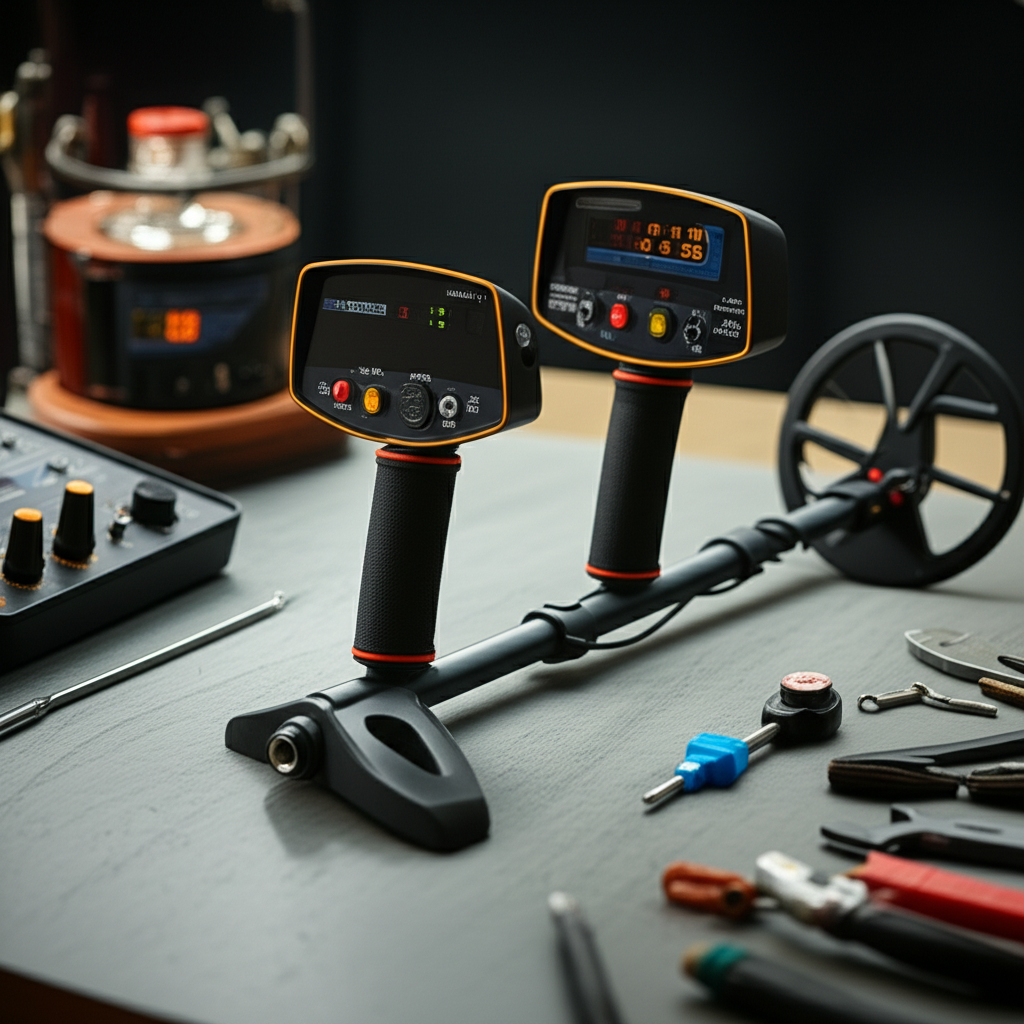
Metal detector kits are your all-in-one solution to starting your treasure hunting journey, offering essential tools and accessories to maximize your finds and make the hobby accessible and enjoyable right from the start.
Metal detector kits are a fantastic way to begin your treasure hunting adventure. Many people feel overwhelmed when they first think about buying a metal detector. There are so many choices, and it’s hard to know where to start. You might worry about buying the wrong thing or missing out on important accessories. This guide will break down everything you need to know about metal detector kits. We’ll help you understand what they are, why they are a great choice, and how to pick the perfect one for you. Get ready to find some amazing things!
Contents
- 1 Why Choose a Metal Detector Kit?
- 2 Understanding What’s Inside a Metal Detector Kit
- 3 Choosing the Right Metal Detector Kit for You
- 4 Top Metal Detector Brands and What Their Kits Offer
- 5 Essential Accessories Beyond the Kit
- 6 Maximizing Your Finds with Your New Kit
- 7 Responsible Metal Detecting Practices
- 8 Troubleshooting Common Issues with Detector Kits
- 9 The Future of Metal Detector Kits
- 10 Frequently Asked Questions About Metal Detector Kits
- 11 Conclusion: Your Treasure Awaits with the Right Metal Detector Kit
- 12 Author
Why Choose a Metal Detector Kit?
Metal detector kits are a smart choice for anyone starting in the hobby. They bundle everything you need into one package. This saves you time and often money compared to buying each item separately. You get a detector, and usually, useful accessories like headphones, a pinpointer, and a digging tool.
The Convenience Factor

Opening a kit feels like unwrapping a treasure chest itself. Everything is designed to work together. You don’t have to spend hours researching each individual piece of equipment. This makes getting started much easier and more fun.
Cost-Effectiveness
Manufacturers often price kits lower than if you bought all the components individually. This means you get more value for your money. You can afford better quality gear when it’s bundled. It’s a budget-friendly way to equip yourself for the hunt.
Essential Accessories Included
A good kit usually includes items you’ll need right away. Headphones help you hear faint signals. A pinpointer makes finding targets in the dug soil much faster. A small shovel or trowel is also common. These extras significantly improve your detecting experience.
Understanding What’s Inside a Metal Detector Kit
Most metal detector kits are designed to give you a complete setup. They aim to provide everything a beginner or even an intermediate detectorist might need. The core component is always the metal detector itself, but the added items are what truly make a kit valuable.
The Metal Detector Unit
This is the main tool. It uses electromagnetic fields to find buried metal objects. Detectors vary in features, depth, and target discrimination. Kits often include popular, user-friendly models perfect for learning.
Coils: The Detector’s “Eyes”
The coil is what scans the ground. It comes in different sizes and shapes. Smaller coils are good for trashy areas and pinpointing. Larger coils detect deeper and cover more ground. Some kits might include an extra coil for versatility.
Headphones: Hear Every Whisper
Detecting can be noisy. Headphones block out wind and ambient sounds. This lets you hear faint signals clearly. It’s crucial for finding small or deep targets.
Pinpointers: The Final Search
Once your detector signals something, a pinpointer helps you find it in the soil plug. These small, handheld devices are invaluable. They save immense time and effort in the digging process.
Digging Tools and Accessories
Kits often include essential digging tools. A sturdy trowel or small shovel is common. You might also find a pouch for your finds and maybe even a carry bag for your detector.
Choosing the Right Metal Detector Kit for You
Selecting the perfect kit depends on your goals and budget. Think about where you plan to hunt and what you hope to find. This will guide you to the best option.
Beginner Kits: Simple and Effective
If you’re new to metal detecting, start with a beginner kit. These detectors are easy to use and understand. They usually have basic settings that are perfect for learning. You’ll find common targets like coins and jewelry.
Intermediate Kits: More Features, More Depth
As you gain experience, you might want a kit with more advanced features. These detectors can often sense deeper and differentiate better between targets. They might offer more control over settings. These are great for finding older coins or relics.
Specialized Kits: Gold Prospecting or Underwater
Some kits are made for specific types of detecting. Gold prospecting kits have detectors tuned to find small gold nuggets. Underwater kits are waterproof. Choose a specialized kit if you have a clear goal in mind.
Key Features to Look For
When comparing kits, check the detector’s frequency, weight, and target ID system. A higher frequency is often better for small gold. Lighter detectors are more comfortable for long hunts. Good target ID helps you ignore trash.
Top Metal Detector Brands and What Their Kits Offer
Many reputable brands offer excellent metal detector kits. Each brand has its strengths and popular models. Knowing these can help you narrow down your choices.
Garrett: A Popular Choice
Garrett is a well-known name in metal detecting. Their kits often include popular models like the Ace series. These are great for beginners and offer good performance for the price. You’ll often find essential accessories included.
Minelab: Advanced Technology
Minelab is known for its cutting-edge technology, especially Multi-IQ. Their kits might be a bit pricier but offer superior performance. They are excellent for experienced detectorists or those serious about finding a wide range of targets.
Nokta Makro: Value and Performance
Nokta Makro offers a great balance of features, performance, and price. Their kits are often packed with accessories. They provide robust detectors suitable for various terrains and target types.
Quest Metal Detectors: Innovative Features
Quest is a newer brand but has quickly gained popularity. They offer innovative features and user-friendly designs. Their kits provide good value and are often lightweight and easy to handle.
Essential Accessories Beyond the Kit
While a metal detector kit provides a great start, some extra items can make your detecting even more productive and enjoyable. These are often the next purchases for many detectorists.
The Importance of a Pinpointer
I cannot stress enough how vital a good pinpointer is. It’s a small, handheld device that helps you locate your target precisely within the soil you’ve dug. Without one, finding small coins or rings in a pile of dirt can be very frustrating and time-consuming.
Digging Tools: More Than Just a Shovel
While kits might include a trowel, a more robust digging tool can be a game-changer. Look for a sturdy digging spade with a sharp edge for cutting plugs of soil. A sand scoop is excellent for searching beaches.
Carrying and Protection
A good carry bag protects your detector during transport. A rain cover is essential if you plan to detect in wet conditions. Some detectorists also use a detector stand to keep the coil off the ground when taking breaks.
Extra Batteries and Charger
Metal detectors use power. Always have spare batteries or a reliable charger with you. Running out of power in the field means the hunt is over for the day.
Maximizing Your Finds with Your New Kit
Having a great metal detector kit is only half the battle. Learning how to use it effectively is key to finding more treasures. Practice and understanding your detector are crucial.
Learn Your Detector’s Sounds
Each metal detector makes different sounds for different metals. Take time to learn what these sounds mean. Digging test targets in your yard is a great way to practice. You’ll learn to distinguish between a rusty nail and a valuable coin.
Understand Target ID Numbers
Most modern detectors show a Target Identification (ID) number. This number helps guess what kind of metal you’ve found. Learn what numbers typically represent coins, jewelry, or trash in your area.
Master the Art of Plug Cutting
When you get a signal, you need to dig a soil plug. Learn to cut neat, three-sided plugs. This allows you to easily replace the soil, leaving the ground looking undisturbed. This is vital for responsible detecting.
Research Your Hunting Locations
Knowing where to hunt is as important as knowing how to use your detector. Old parks, schoolyards, and beaches are often good places. Always get permission before detecting on private property. Research local history to find promising spots.
Responsible Metal Detecting Practices
As a metal detectorist, you have a responsibility to the land and its history. Always practice ethical detecting. This ensures the hobby remains enjoyable for everyone and keeps access open.
Leave No Trace
This is the golden rule. Always fill your holes completely. Take all your trash with you, including any old trash you dig up. Leave the area as you found it, or even better.
Respect Property Rights
Never detect on private land without explicit permission from the owner. Be aware of local laws and regulations regarding metal detecting, especially in parks or historical sites. Some areas may prohibit detecting entirely.
Proper Digging Techniques
Use the plug-cutting method mentioned earlier. This minimizes the impact on the ground. Avoid excessive digging or damaging roots and vegetation.
Join a Club or Community
Connecting with other detectorists is a great way to learn. Metal detecting clubs often share knowledge about local laws, good spots, and techniques. They also promote responsible detecting practices.
Troubleshooting Common Issues with Detector Kits
Even with a great kit, you might encounter minor problems. Knowing how to fix them can save your detecting day. Most issues are simple to resolve with a little knowledge.
False Signals
Sometimes your detector might beep for no apparent reason. This can be due to electrical interference, mineralized ground, or small bits of trash. Try adjusting your sensitivity settings or switching to a different coil if possible.
Difficulty Identifying Targets
If you’re struggling to tell the difference between good and bad targets, practice is key. Use your pinpointer diligently. Learn your detector’s audio cues and Target ID patterns. Experiment with different ground balance settings if your detector allows.
Battery Issues
Low battery life can end a hunt prematurely. Ensure you have fresh batteries or a fully charged set. Keep spares on hand. Regularly check your battery contacts for corrosion.
Coil Problems
If your coil isn’t working correctly, check its connection to the detector. Ensure it’s clean and free of damage. Sometimes a loose wire or a crack in the coil housing can cause issues.
The Future of Metal Detector Kits
The metal detecting world is always evolving. Technology is advancing, making detectors smarter and more user-friendly. We can expect even more exciting developments in future kits.
Smarter Detectors
Future detectors will likely have even better target separation and discrimination. They may connect wirelessly to smartphones for data logging and analysis. GPS integration will become standard for mapping finds.
More Specialized Kits
As the hobby grows, so will the variety of specialized kits. We might see kits tailored for specific types of relics, like Civil War artifacts, or detectors optimized for extreme environments.
Improved User Interfaces
Expect detectors to become even easier to use. Intuitive menus and touch-screen interfaces could become more common. This will make advanced features accessible to everyone.
Frequently Asked Questions About Metal Detector Kits
What is the best metal detector kit for a complete beginner?
For beginners, a kit featuring a user-friendly detector like the Garrett Ace series or a Nokta Makro Simplex+ is often recommended. These kits usually include essential accessories like headphones and a pinpointer, making them a great all-in-one package to start your treasure hunting journey.
Do I really need a pinpointer if my kit comes with one?
Yes, a pinpointer is incredibly useful. While some kits include them, even a basic pinpointer will significantly speed up your recovery process. It helps you pinpoint the exact location of your target in the dug soil, saving you time and frustration.
Can I use a metal detector kit in saltwater or on the beach?
Some metal detector kits are specifically designed for use in saltwater and on beaches, often being waterproof. Always check the detector’s specifications before submerging it or using it in wet conditions. Non-waterproof detectors can be damaged by saltwater.
How deep can a metal detector from a kit find targets?
The depth capability varies greatly depending on the detector model, coil size, and target size and composition. Beginner kits typically detect coins and jewelry from a few inches to about 10-12 inches deep. More advanced detectors can go deeper.
What kind of things can I expect to find with a basic metal detector kit?
With a basic metal detector kit, you can commonly find modern coins, old coins, jewelry like rings and necklaces, buttons, buckles, and various other metal objects. The specific finds depend heavily on the location you are searching.
Is it worth buying a metal detector kit instead of just the detector?
For most beginners, yes, it is absolutely worth it. Kits offer convenience and value by bundling essential accessories like headphones and pinpointers that you would otherwise have to purchase separately, often at a higher combined cost.
Conclusion: Your Treasure Awaits with the Right Metal Detector Kit
Metal detector kits are your essential breakthrough into the exciting world of treasure hunting. They simplify the start of your journey by providing a comprehensive set of tools. You get a capable metal detector, crucial accessories like headphones and pinpointers, and often digging tools, all bundled for convenience and value. By understanding what makes a good kit and choosing one that fits your needs, you’re setting yourself up for success. Remember to learn your equipment, practice good techniques, and always detect responsibly. With the right metal detector kit in hand, you’re ready to uncover the hidden history and treasures waiting beneath your feet. Your next amazing find could be just a swing away!
