


Published on: November 8, 2025 | Updated on: November 8, 2025
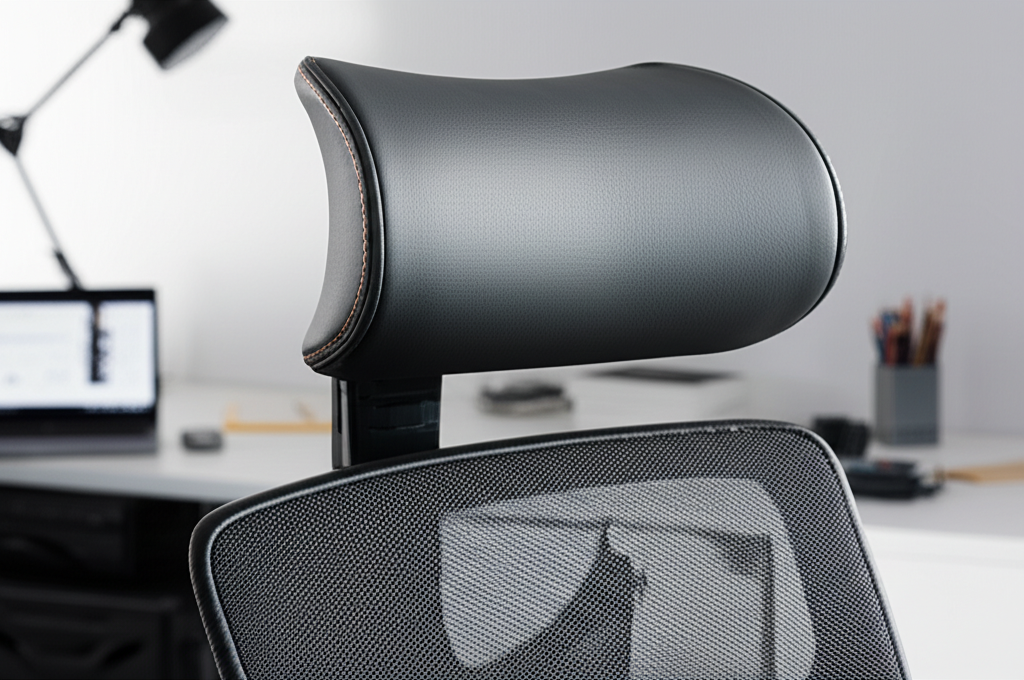
An attachable headrest for your office chair can transform your workspace into a haven of comfort and support, reducing neck strain and improving focus for long work sessions.
Spending hours at your desk is the norm for many of us. Whether you’re a remote worker, a dedicated freelancer, or a student burning the midnight oil, your office chair plays a huge role in your comfort. But even the best ergonomic chairs sometimes leave us wanting a little more support, especially for our neck and head. This is where an attachable headrest for office chairs comes in. It’s a simple addition that can make a world of difference, turning a good chair into a great one and helping you stay comfortable and productive all day long.
Why Your Neck Needs Extra Love: The Problem with Standard Office Chairs
Many standard office chairs, even those designed with ergonomics in mind, often lack adequate head and neck support. This can lead to a range of discomforts. Without proper support, your head and neck muscles work harder to keep your head upright. This constant strain can cause neck pain, stiffness, and even headaches. Over time, poor posture and muscle fatigue can impact your overall well-being and productivity.
The absence of head support forces your body into less-than-ideal positions. You might find yourself hunching forward or craning your neck to see your screen properly. These habits contribute to long-term musculoskeletal issues. An attachable headrest aims to correct this by providing a dedicated spot for your head and neck to rest. This allows your back and neck muscles to relax, reducing fatigue and promoting better posture.
What Exactly is an Attachable Headrest for an Office Chair?
An attachable headrest is a separate piece of equipment designed to add head and neck support to an existing office chair. It’s not a permanent fixture but something you can easily add or remove. These headrests come in various designs, materials, and attachment mechanisms. They are typically adjustable, allowing you to position them for your specific height and comfort needs.
Think of it as an upgrade for your current chair. Instead of buying a whole new expensive ergonomic chair, you can enhance the one you already have. This makes it a cost-effective solution for improving your workspace comfort. Many models are universal, meaning they can fit a wide range of office chair backrests.
The Science of Support: How Headrests Benefit Your Body
Our bodies are designed for movement, not prolonged static positions. When sitting for long periods, especially without proper support, muscles in the neck and upper back can become tense. This tension can restrict blood flow and cause discomfort. An attachable headrest helps by cradling your head, taking the load off these muscles.
When your head is properly supported, your spine can maintain a more neutral alignment. This reduces the pressure on your cervical spine (your neck bones). A neutral spine position means less muscle effort is needed to hold your head up. This directly translates to less fatigue and reduced risk of pain. It also encourages better overall posture, which benefits your entire body. Research in ergonomics highlights the importance of supporting the head’s weight, which can be significant, to alleviate strain on the neck.
Key Benefits of Using an Attachable Headrest
Adding an attachable headrest to your office chair brings several tangible benefits. These advantages extend beyond simple comfort, impacting your work quality and overall health. Understanding these benefits can help you decide if this accessory is right for your workspace.
Here are some of the primary advantages:
Reduced Neck and Shoulder Pain: This is the most significant benefit. By providing support, the headrest alleviates strain on your cervical muscles.
Improved Posture: When your head is supported, it’s easier to maintain an upright posture. This prevents slouching and reduces pressure on your spine.
Increased Comfort During Long Work Sessions: Extended sitting can be tiring. A headrest offers a place to rest your head, making long hours more bearable.
Enhanced Focus and Productivity: Less physical discomfort means fewer distractions. You can concentrate better on your tasks when you’re not in pain.
Cost-Effective Ergonomic Solution: It’s a budget-friendly way to improve your chair’s ergonomics compared to buying a new chair.
Versatility: Many headrests can be moved between chairs or adjusted for different users.
These benefits combine to create a more pleasant and healthier work environment. They address common pain points experienced by many individuals who spend considerable time seated.
Types of Attachable Headrests: Finding Your Perfect Fit
Not all attachable headrests are created equal. They vary in design, material, and how they attach to your chair. Choosing the right type depends on your chair, your preferences, and your specific support needs. Understanding these differences will help you make an informed decision.
Common types include:
Clip-on/Clamp-on Headrests: These use adjustable clips or clamps to attach securely to the top of your chair’s backrest. They are generally easy to install and remove.
Strap-on Headrests: These often feature adjustable straps that wrap around the chair’s back. They offer a snug fit and can be quite stable.
Integrated Headrests (Add-on Units): Some models are designed to slide into existing mechanisms on certain chairs, acting as an extension of the original backrest. These are less common for universal add-ons.
Pillow-Style Headrests: These are often made of memory foam or soft padding and attach via straps or clips. They prioritize plush comfort.
Adjustable Arm Headrests: A newer innovation, these attach to the armrests and extend upwards to support the head. They offer a different kind of positioning.
When looking at these options, consider the material. Mesh offers breathability, while padded options provide softer support. The adjustability of height, angle, and depth is also crucial for personalized comfort.
What to Look For When Buying an Attachable Headrest
Selecting the right attachable headrest involves considering several factors to ensure it meets your needs. It’s not just about buying the first one you see; thoughtful consideration leads to better results. A good headrest should be comfortable, secure, and compatible with your chair.
Here’s a checklist of important features to consider:
Compatibility: Ensure the headrest is designed to fit your type of office chair backrest (e.g., high-back, mesh-back, executive). Check the dimensions and attachment method.
Adjustability: Look for headrests that allow you to adjust height, angle, and sometimes even depth. This customization is key to finding your ideal support position.
Material and Padding: Consider what feels most comfortable to you. Options range from breathable mesh to plush memory foam.
Ease of Installation and Removal: You want a headrest that is simple to attach and detach without damaging your chair.
Durability and Build Quality: A well-made headrest will last longer and provide consistent support. Check reviews for insights into longevity.
Ergonomic Design: Does the shape of the headrest contour to the natural curve of your neck? This can significantly impact comfort.
Taking the time to evaluate these points will help you find a headrest that truly enhances your seating experience.
How to Install an Attachable Headrest: A Step-by-Step Guide
Installing an attachable headrest is usually a straightforward process. Most designs are user-friendly, requiring no special tools. The exact steps might vary slightly depending on the model you choose, but the general principle remains the same.
Follow these general steps for most clip-on or strap-on headrests:
1. Identify Attachment Points: Locate the top edge of your office chair’s backrest. Some chairs have a distinct frame or edge where the headrest can connect.
2. Position the Headrest: Hold the headrest against the chair back where you want it positioned. Consider your typical sitting posture and how high you want the support.
3. Secure the Attachments:
For Clip-on models: Gently slide or clip the headrest’s fasteners onto the chair’s backrest frame. Ensure they are firmly seated and secure. You might need to adjust the tension on the clips.
For Strap-on models: Thread the adjustable straps around the chair back. Fasten them securely and tighten them to prevent the headrest from slipping.
4. Adjust for Comfort: Once attached, adjust the headrest’s height and angle. Sit in your chair and make fine-tuning adjustments until you feel comfortable and supported. The goal is to have your head gently resting against it, not pushing your head forward.
5. Test Stability: Gently move your head from side to side and up and down to ensure the headrest remains stable and doesn’t wobble or detach.
If you encounter any issues, consult the manufacturer’s instructions that came with your specific headrest. Proper installation ensures maximum comfort and safety.
Real-World Use Cases and User Experiences
People use attachable headrests for a variety of reasons, and their experiences often highlight the practical impact of this simple accessory. From gamers to remote professionals, the demand for better seating comfort is widespread. Hearing from others can provide valuable insights.
Many users report immediate relief from neck pain after installing a headrest. Gamers, in particular, appreciate the support during long gaming sessions, preventing fatigue that can affect reaction times. Remote workers often find it indispensable for long hours spent on video calls or focused tasks.
One user, a freelance graphic designer, shared, “I used to get terrible neck stiffness by the end of the day. Adding this headrest was a game-changer. It feels so much better now, and I can focus on my work, not my pain.” Another user, a student, mentioned, “Studying for exams meant hours in my chair. The headrest makes a huge difference, especially when I lean back for a moment to think.” These anecdotes underscore the real-world value of enhanced chair support.
Potential Downsides and How to Mitigate Them
While attachable headrests offer significant benefits, it’s important to be aware of potential drawbacks. Understanding these can help you choose wisely and avoid disappointment. Most downsides are minor and can be easily managed with the right approach.
Here are a few considerations:
Compatibility Issues: Not all headrests fit all chairs perfectly. Some might not attach securely to very thin or unusually shaped backrests.
Mitigation: Carefully measure your chair’s backrest and compare it with the headrest’s specifications before purchasing. Read user reviews for compatibility feedback.
Added Bulk: The headrest adds an extra component to your chair, which might slightly alter its appearance or feel.
Mitigation: Opt for slimmer designs if aesthetics or space are a concern. Many modern headrests are quite sleek.
Potential for Slipping: If not installed correctly or if the chair material is very smooth, some headrests might slip.
Mitigation: Ensure straps are tightened firmly, or clips are securely engaged. Some users add a thin rubber mat between the headrest and the chair for extra grip.
Not a Replacement for a Bad Chair: An attachable headrest enhances an existing chair; it cannot fix fundamental issues with a poorly designed or broken chair.
* Mitigation: Assess your chair’s overall condition. If the seat or back support is the primary problem, a headrest might not be the complete solution.
By anticipating these issues, you can make a more informed purchase and ensure the headrest truly improves your workspace.
Choosing the Best Attachable Headrest for Your Needs: A Comparison
To help you navigate the options, here’s a simplified comparison of common attachable headrest features. This table highlights key aspects to consider when making your choice. Remember that personal preference plays a big role.
| Feature | Clip-On/Clamp-On Type | Strap-On Type |
| :—————— | :————————————————– | :————————————————– |
| Attachment | Secure clips or clamps directly onto chair frame. | Adjustable straps that wrap around the chair back. |
| Stability | Generally very stable if well-designed. | Can be very stable, but may shift with vigorous use. |
| Installation | Quick and tool-free. | Quick and tool-free. |
| Adjustability | Varies by model; height and angle are common. | Varies by model; often good height adjustment. |
| Chair Compatibility | Best for chairs with a defined frame to clip onto. | More adaptable to various backrest shapes. |
| Common Materials| Mesh, padded foam, sometimes plastic frames. | Padded foam, memory foam, fabric covers. |
| Best For | Chairs with robust backrests, users prioritizing security. | Chairs with flexible backrests, users needing versatility. |
When making your selection, prioritize adjustability and comfort features that align with your physical needs and sitting habits.
The Future of Office Chair Comfort: Beyond the Basic Headrest
The concept of enhancing office chair comfort is continually evolving. Attachable headrests are a part of this larger trend towards personalized and adaptable workspaces. As more people work from home, the demand for ergonomic solutions that don’t require a complete furniture overhaul is growing.
Innovations include headrests with built-in lumbar support adjustments, integrated cooling or heating features, and even smart sensors that monitor posture. The focus is on modularity and customization, allowing users to tailor their seating experience precisely. Companies are exploring how to integrate these support systems seamlessly into chair designs or offer them as easily attachable accessories. This trend reflects a deeper understanding of how our physical environment impacts our well-being and performance.
Frequently Asked Questions About Attachable Headrests
Q1: Will an attachable headrest fit my specific office chair?
Most attachable headrests are designed to be universal, but it’s crucial to check the product description for compatibility. Look at the attachment mechanism (clips, straps) and dimensions to ensure it suits your chair’s backrest.
Q2: How do I know if I need an attachable headrest?
If you experience neck pain, stiffness, or headaches after sitting for long periods, or if you feel you have to crane your neck to see your screen, you likely need better head and neck support. An attachable headrest can provide this.
Q3: Are these headrests comfortable for long periods?
Yes, when properly adjusted, they are designed for comfort. They allow your neck and shoulder muscles to relax, reducing fatigue during extended sitting sessions.
Q4: Can I adjust the headrest to my height?
Most attachable headrests offer adjustable height and angle. This allows you to position the support exactly where you need it for optimal comfort and alignment.
Q5: Will an attachable headrest damage my office chair?
Generally, no. Reputable models are designed with soft padding or secure, non-damaging attachment methods. However, always follow installation instructions carefully and avoid overtightening.
Q6: Are there different types of materials for these headrests?
Yes, you can find them made from breathable mesh, soft padded foam, or even memory foam for extra cushioning. Your preference for firmness and breathability will guide your choice.
Final Verdict: Is an Attachable Headrest Worth It?
For anyone spending significant time in an office chair, an attachable headrest for office chair can be a surprisingly impactful addition. It addresses a common point of discomfort—the lack of head and neck support—with a simple, cost-effective solution. By reducing strain, improving posture, and enhancing overall comfort, it can lead to increased productivity and better well-being.
While it’s essential to choose a model compatible with your chair and adjust it correctly, the benefits often far outweigh the minor considerations. If you’re looking to upgrade your home office ergonomics without breaking the bank, an attachable headrest is definitely worth exploring. It’s a practical step towards a healthier, more comfortable, and more productive workday.

